Updated October 7, 2026 3:24 pm
In short
DoorDash is warning restaurants about Bites, a small AI-native delivery startup, as the newer company argues its lower-fee model and direct ChatGPT ordering could undercut the traditional delivery-app middleman.
- DoorDash warned restaurants that they may have been listed on Bites without consent.
- Bites uses ChatGPT and point-of-sale integrations to send orders directly to restaurants.
- The startup says its pricing is simpler and cheaper than traditional delivery marketplaces.
- Restaurants may benefit from lower fees and better access to customer data.
- The dispute highlights a larger threat to app-based discovery in an AI-agent future.
Update — October 7, 2026 3:24 pm
The updated report adds that Bites says it has heard from 14 restaurant partners who received DoorDash’s warning email, and that the email also reached some businesses that were not listed on Bites at all.
It also identifies a previously unreported co-founder, Matt Maloney, who says the company’s lower pricing reflects a market that no longer needs the same level of upfront investment from delivery platforms.
New details on Bites’ setup also emerged: the startup works with point-of-sale systems such as Toast and Square to pull in menus, and restaurants can opt in with a button once those systems are connected.
DoorDash is already warning restaurants about a new AI-native delivery startup, and that matters because it shows how quickly artificial intelligence could redraw the economics of takeout. The confrontation with Bites, a tiny Bay Area company that lets people order directly through ChatGPT, is an early sign that food delivery apps may soon have to defend their role as the middleman.
For years, delivery platforms have controlled discovery, pricing, ads, and customer data. Now, as AI “agents” start to handle tasks on behalf of consumers, companies like DoorDash are facing a new threat: buyers may no longer need to open an app at all.
What DoorDash is worried about
DoorDash’s concern is not really about Bites’ current size. Bites is a small startup with roughly 300 restaurants in the Bay Area and only about 10 employees. DoorDash, by contrast, handled 970 million orders in the second quarter of this year and brought in $4.5 billion in revenue. Yet the larger company still sent a mass email to restaurant partners in August after hearing that some businesses may have been listed on Bites without consent.
The message, seen by The Verge, told restaurants they may not have agreed to Bites’ pricing, service standards, or terms. It also raised the possibility that the information used to list them could be inaccurate and said that, depending on state law, the practice might be illegal. The email directed businesses to contact Bites if they wanted to be removed.
That move suggests DoorDash sees more than a nuisance. It appears to see an emerging business model that could weaken its hold on restaurants and consumers if AI ordering becomes mainstream.
How Bites works
Bites is trying to rebuild delivery around the customer’s intent rather than the app’s marketplace. The company’s pitch is straightforward: if a diner already knows what they want, there is no need for a platform to steer them with sponsored results, upsells, or high commission fees.
Instead of making restaurants pay the full cost of being visible on a marketplace, Bites says it uses a simpler structure. The company charges a flat $1 surcharge per order and lower service fees, which it says helps restaurants keep menu prices down. In many cases, the diner pays that fee, though some restaurants cover it themselves.
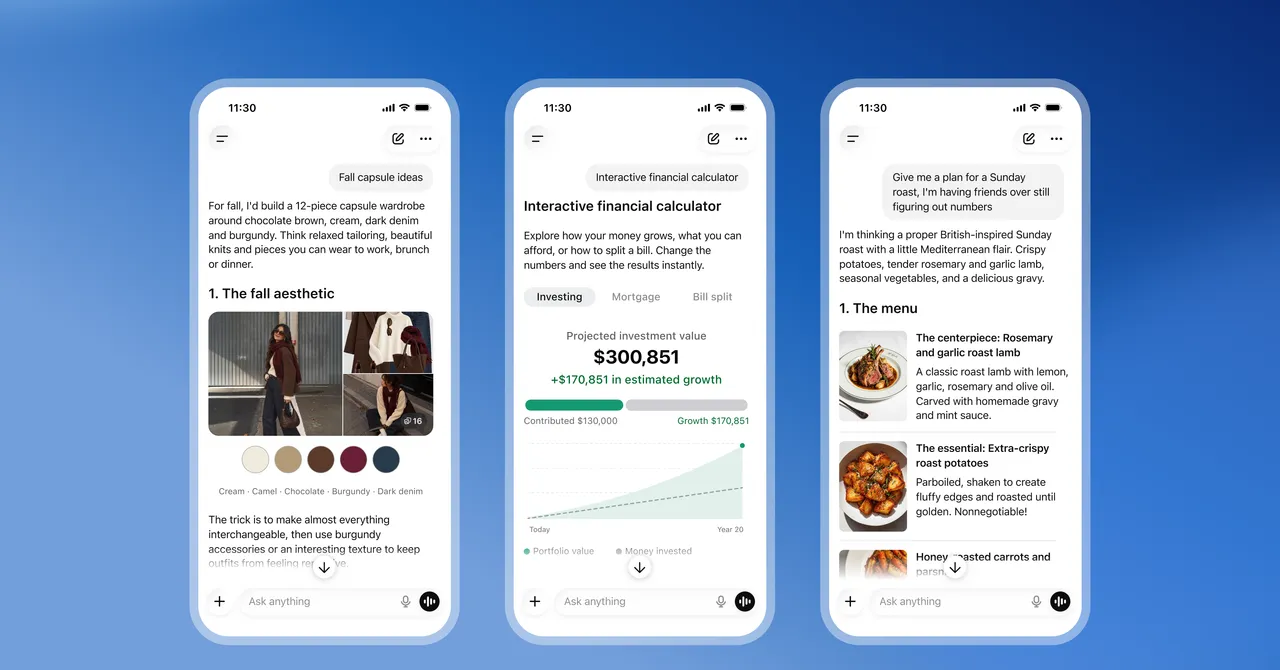
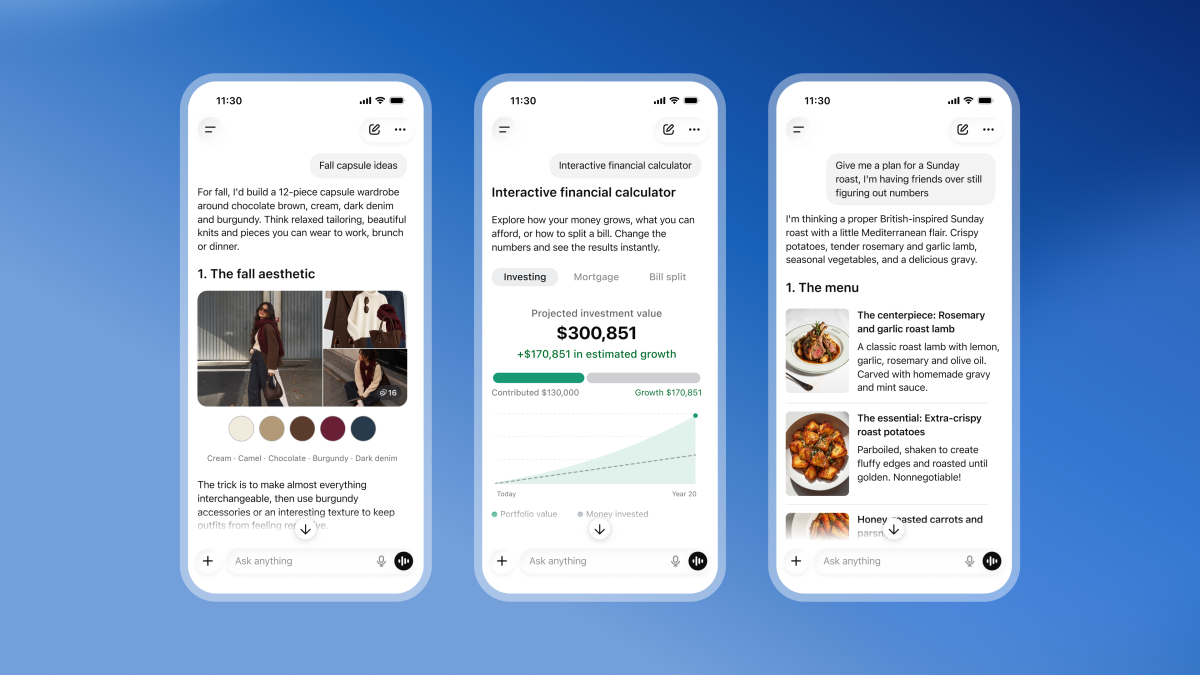
Bites also brands itself as “AI native.” That means customers can order from participating restaurants directly inside ChatGPT. The order goes to the restaurant, not to a larger delivery intermediary like DoorDash.
What makes that different from a normal delivery app?
It changes the relationship between customer, restaurant, and platform. Traditional apps bundle discovery, ordering, logistics, advertising, and data ownership into one marketplace. Bites strips that model down and tries to make the AI assistant the front door instead.
That shift may sound small, but it could be disruptive if consumers begin using chatbots as the default interface for routine shopping and ordering. If the assistant becomes the starting point, the delivery app may stop controlling the most valuable part of the transaction: attention.
| Company | Scale / Reach | Business Model | AI-Relevant Risk |
|---|---|---|---|
| DoorDash | 970 million second-quarter orders; $4.5 billion revenue | Commission fees, subscriptions, ads, boosted listings | Could lose discovery and ad revenue if users order through AI agents |
| Bites | About 300 restaurants in the Bay Area | Flat $1 surcharge plus lower service fees | Depends on AI ordering and direct restaurant integration |
| Uber Eats / Grubhub | Major national delivery platforms | Marketplace commissions and promotion tools | Face similar pressure if AI agents reduce app usage |
Why restaurants may be receptive
Restaurants have long complained that third-party delivery platforms take too much of each order and make them buy visibility on top of that. Depending on the marketplace and order type, DoorDash’s restaurant commissions can range from 15% to 30%. Many restaurants respond by increasing menu prices on the app, which can make delivery more expensive for customers.
Bites argues that the older model reflects an earlier era of delivery, when platforms had to spend heavily to build ordering systems, recruit diners, and organize logistics at scale. Its founders say that infrastructure costs have already been absorbed, but the pricing has not changed to match.
Bites co-founder and CEO Bala Subramaniam says the industry is still charging as if delivery platforms had to subsidize their entire ecosystem from scratch, even though the technology and consumer habits are now established.
That argument appears to resonate with at least some restaurant owners. Jay Jayaraman, who has 13 restaurants listed on Bites and was an early user of the service, says the shift away from DoorDash has been positive for his business. He estimates that 65% of his orders now come through Bites, compared with 25% from DoorDash and the rest from Uber Eats and Grubhub.
Before joining Bites, he says roughly 80% of his orders came via DoorDash.
Jayaraman says the platform mix has changed enough that he sees a meaningful lift to his margins and welcomes any reduction in DoorDash’s share of his business.
What DoorDash loses if AI becomes the new storefront
The biggest danger for delivery apps is not merely lower order volume. It is the loss of control over the relationship with diners.
In a conventional app-driven world, DoorDash can recommend similar dishes, show sponsored placements, push free trials, and promote add-ons like drinks, desserts, or higher-margin bundles. Those tactics are central to monetization. DoorDash’s advertising business alone reached $1 billion in 2024.
If ordering shifts into an AI assistant, those tools become harder to deploy. A chatbot can complete a transaction without exposing the diner to the same number of branded choices, paid placements, or prompt-driven upsells. That could sharply reduce the value of the delivery app as a discovery engine.
It would also affect the broader internet economy. Retailers, travel services, marketplaces, and subscription businesses all rely on consumers visiting their own sites or apps so they can influence what gets seen, what gets promoted, and what gets purchased. If a large language model becomes the front end for shopping and ordering, much of that leverage moves away from the merchant.
Why sponsored listings suddenly matter less
Sponsored listings depend on consumers browsing inside the platform that sells them. If a diner asks an AI assistant for “the usual from my favorite pizza place,” there may be no marketplace search page to monetize. The app becomes infrastructure rather than destination.
That is why The Verge has described the broader trend as the “DoorDash problem”: AI may turn services that used to control user discovery into behind-the-scenes fulfillment providers. The more seamless the assistant becomes, the less reason consumers have to open a separate app.
How Bites connects orders to restaurants
Bites says it works through point-of-sale systems such as Toast and Square, pulling digitized menus into large language models and routing orders directly to restaurants. Once the integration is set up, participating restaurants can opt in with a button rather than rebuilding their entire online ordering operation.
The company’s strategy is designed for simplicity. It does not claim to be the place where customers explore endless options. Instead, it wants to serve people who already know what they want and are looking for the best combination of convenience and price.
Subramaniam says Bites does not need to replace discovery-heavy platforms to succeed; it only needs to make direct ordering cheaper and easier for customers who already have a restaurant in mind.
The company’s test case may be modest, but the implications are significant. The more restaurants can plug directly into AI ordering, the less they may need a third-party app to mediate every transaction.
What happened in the Verge test order?
The Verge tested Bites by ordering a pizza and a beverage through ChatGPT using the Bites plugin. The total came to $56.73, including tip, tax, and delivery fees. The same order on DoorDash cost $70.29.
According to the report, the DoorDash version carried higher service fees and priced the pizza $11 more than the Bites order. That gap is exactly the kind of comparison Bites wants diners and restaurants to notice.
Price differences will vary by location, merchant, and menu item, but the test illustrates the broader argument: delivery platforms can add a substantial premium once commissions, fees, and promotional costs are passed along.
How much customer data do delivery apps control?
Delivery apps have long been criticized for keeping most customer data out of restaurants’ hands. In many cases, merchants only receive a first name, last initial, and the contents of the order. That limits a restaurant’s ability to follow up, offer loyalty discounts, resolve complaints directly, or market to repeat customers.
Bites says its model gives restaurants better access to customer contact information because the order comes directly to them. That distinction matters far beyond convenience. Customer data is the raw material for repeat business, customer service, and marketing.
The issue has already surfaced in the legal system. A New York City law that attempted to force third-party delivery platforms to share customer information on request was struck down by a judge. That ruling left the current system largely intact, at least for now.
Jayaraman says that with DoorDash he gets essentially nothing useful from the platform in terms of direct customer relationships. With Bites, he says he can communicate with customers himself.
Why the data battle matters for restaurants
Restaurants do not just want orders; they want repeat business. If a customer experiences a late delivery or missing item, the restaurant often wants the ability to make it right. If a loyal customer wants a discount, the business wants a way to send it. If a neighborhood location is running a special, it wants a channel to tell nearby diners.
When the platform sits between the merchant and the customer, those opportunities can disappear. In an AI-native ordering model, the restaurant may regain more of that relationship—assuming the new system actually scales.
How serious is the threat to the big platforms?
At the moment, the threat is still early and speculative. DoorDash remains vastly larger than Bites, and most consumers still rely on familiar apps for discovery and delivery. But the industry’s response shows how sensitive the big players are to any model that bypasses them.
DoorDash itself has also acknowledged that agentic ordering is important. In September, the company said it was working on a feature that would allow diners to order inside iMessage with commands such as “reorder my usual from [restaurant].” That move suggests the company understands where the market may be headed, even if the exact form is still uncertain.
But if an AI assistant can already reorder a familiar meal, the platform’s main edge may narrow. Discovery becomes less important. Promotions become less effective. And the economics of paid placement begin to look outdated.
What could happen to app-based delivery if AI ordering scales?
If AI agents become a standard layer between consumers and services, delivery apps may need to reinvent themselves as logistics networks rather than consumer destinations. They could still handle fulfillment, but they may lose the ability to shape browsing behavior and extract advertising revenue the way they do now.
That would not eliminate the industry. It would simply compress its margin structure and shift power toward the services that control the assistant layer.
Who benefits if diners stop browsing?
Restaurants that already have loyal customers may benefit first. So may smaller brands with strong recognition and repeat business, because they do not depend as heavily on being surfaced inside a crowded marketplace. Customers who order the same meals often may also save money if AI ordering cuts some of the friction and markups.
On the other hand, restaurants that rely on discovery could lose a powerful marketing channel. Marketplaces do more than process transactions; they help people find new options. If that browsing layer weakens, smaller or less familiar businesses could have a harder time reaching first-time customers.
That uncertainty is one reason this moment matters. AI does not simply add a new feature to food delivery. It could change which part of the transaction holds the power.
The politics of a tiny startup email
On paper, a warning letter about a small startup should not be a major industry event. In practice, it may be one of the clearest signals yet that AI ordering has crossed from concept to competitive threat.
Subramaniam and Matt Maloney, who co-founded Bites and also co-founded Grubhub, see DoorDash’s response as proof that they are hitting a nerve. Jayaraman, meanwhile, said he was not alarmed by the email at all. He saw it as confirmation that the market leader is paying attention.
Jayaraman said he chose not to respond to DoorDash’s warning and interpreted the letter as evidence that the company is feeling pressure from a new model.
That response captures the mood of the industry. Delivery platforms are no longer just competing with one another. They are now competing with a future in which the consumer never opens the app in the first place.
What happens next?
The immediate question is whether diners will adopt AI assistants for routine ordering at meaningful scale. That depends on trust, convenience, integration, and whether consumers actually want a chatbot to handle everyday errands.
The second question is whether restaurants will embrace direct ordering through AI if it means lower fees and more customer control. Bites is betting that many will, especially if the economics are clearly better than the old model.
The third question is whether large platforms can adapt fast enough to keep their role as the front end for ordering. DoorDash is clearly trying to participate in that future, but its current business is still built around the app model that AI may erode.
For now, Bites is still small and experimental. But the reaction it has triggered shows that the stakes are much larger than one startup’s restaurant list. The battle is over who gets to sit between the diner and dinner—and AI may decide the answer.
Key developments at a glance
- DoorDash warned restaurants that they may have been listed on Bites without consent.
- Bites lets diners order through ChatGPT and routes orders directly to restaurants.
- The startup charges a flat $1 surcharge and lower service fees than many delivery apps.
- Restaurant owners say the model can improve margins and restore customer access.
- The dispute highlights a broader threat to app-based discovery and advertising in an AI-agent future.
Timeline of the dispute
| Date | Event | Why it matters |
|---|---|---|
| Early 2026 | Bites expands in the Bay Area using AI-native ordering through ChatGPT | Shows how quickly agentic ordering can be tested in a local market |
| August 2026 | DoorDash sends warning emails to restaurants about possible Bites listings | Signals that the established platform sees Bites as a competitive threat |
| September 2026 | DoorDash says it is building ordering inside iMessage | Indicates the company is preparing for AI-assisted ordering itself |
| October 2026 | The Verge reports on Bites and the growing AI delivery conflict | Brings the broader industry shift into focus |
Frequently asked questions
Why did DoorDash warn restaurants about Bites?
DoorDash warned restaurants because it said some partners may have been listed on Bites without their consent. The company told merchants they may not have agreed to Bites’ terms, pricing, or service standards, and it suggested that listing practices could be unlawful in some states.
How does Bites differ from DoorDash?
Bites differs by letting customers order through ChatGPT and sending the order directly to the restaurant instead of routing it through a traditional marketplace. It also says it uses lower fees, including a flat $1 surcharge, rather than the larger commission-heavy model common on delivery apps.
Why could AI hurt food delivery apps?
AI could hurt food delivery apps because assistants may replace app browsing as the main way people order food. If consumers simply ask a chatbot to reorder or find a restaurant, platforms lose control over discovery, sponsored placements, upsells, and some ad revenue.
Do restaurants benefit from using Bites?
Restaurants may benefit because Bites says it uses lower fees and allows merchants to keep more of each sale. Some owners also value direct access to customer data, which delivery platforms often limit, making it easier to build loyalty programs and handle follow-up service.
Is DoorDash doing anything to prepare for AI ordering?
Yes. DoorDash has said it is working on ordering inside iMessage using natural prompts like reordering a usual meal. That suggests the company knows agentic ordering is becoming important and wants to remain part of the customer journey.