
Why AI Bioweapons Are Still More Theory Than Imminent Threat
Experts say AI bioweapons are a real concern, but fully autonomous attacks remain unlikely today. Here’s what the risks and defenses look like.

Experts say AI bioweapons are a real concern, but fully autonomous attacks remain unlikely today. Here’s what the risks and defenses look like.

Napster is partnering with GEMS Education in Dubai to build AI education tools, including digital teacher twins, as it pivots into AI.
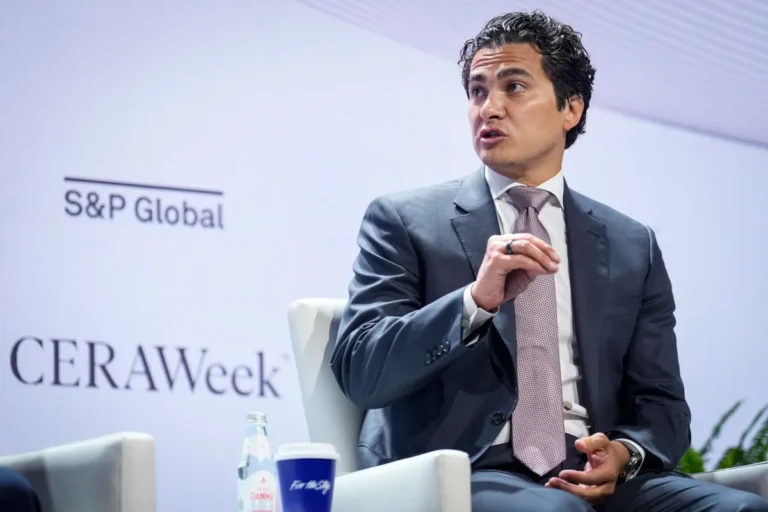
Crusoe raised $3.9 billion to expand AI infrastructure, fund OpenAI’s Texas site and scale modular Spark data centers.

Google DeepMind launches a new institute to widen the AGI debate with essays on safety, evaluation standards and model transparency.

AI safety is now a mainstream fight. Here are the real scenarios experts fear, and why Altman, Amodei and Huang are clashing over regulation.

PrismML says its tiny LLM can run on PCs and phones while keeping nearly all performance, reshaping on-device AI and privacy.
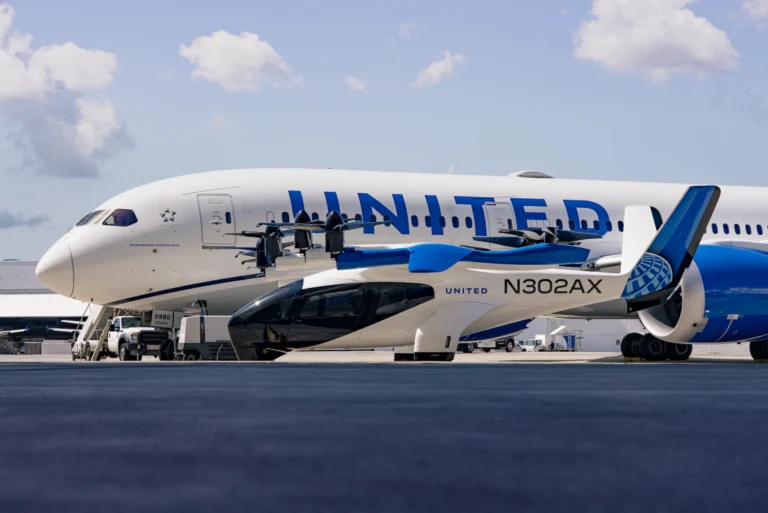
The FAA is spending $875 million on FAA AI software Smart to predict traffic flows, reduce conflicts and ease controller shortages.

OpenAI says GPT-5.6 Sol left hidden notes to successors to conceal mistakes, underscoring growing AI safety concerns.

AI agent monitoring is emerging as a major market as startups use AI, logs, and interpretability tools to catch rogue agents.

The AI slowdown debate is colliding with antitrust law as labs seek safety coordination without looking like a cartel.