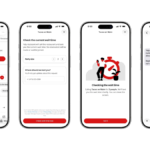
Google opens Play Store path for vibe-coded Android apps
Google now lets users launch vibe-coded apps from Google Play in the U.S., making Android app installs easier while keeping them private.

Google now lets users launch vibe-coded apps from Google Play in the U.S., making Android app installs easier while keeping them private.
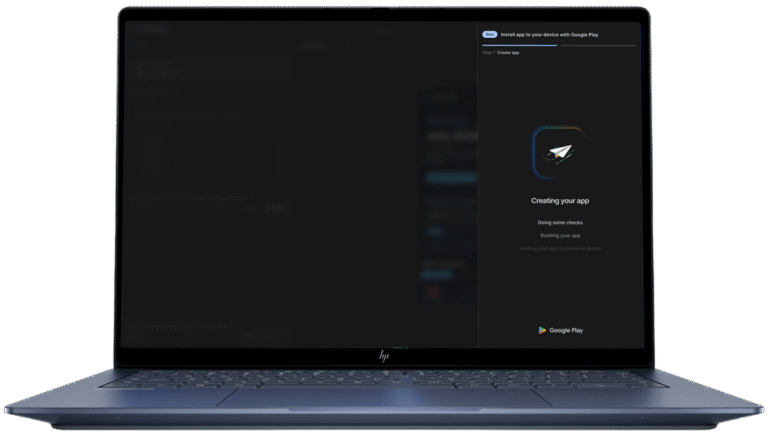
Google now lets Android users run private AI apps through Play, opening native app creation without public publishing.

Gemini 4 Argon marks Google’s bid to catch OpenAI and Anthropic, with stronger reasoning, lower pricing and wider product rollout.

AI Wikipedia faces a new threat as chatbots and search summaries reshape traffic, content quality, and the future of human-edited knowledge.
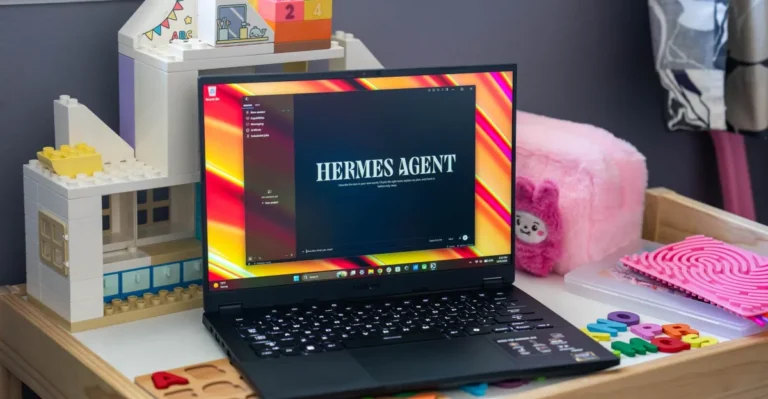
Local AI is gaining momentum as users seek privacy and control, but this hands-on test shows why setup, hardware and reliability still matter.
Google’s new AI note-taker runs offline on Mac, challenges Granola, and uses on-device models to summarize meetings and answer questions.
OpenAI and Meta are chasing AI domain names like .agent and .agi as ICANN receives 1,615 new top-level domain applications.
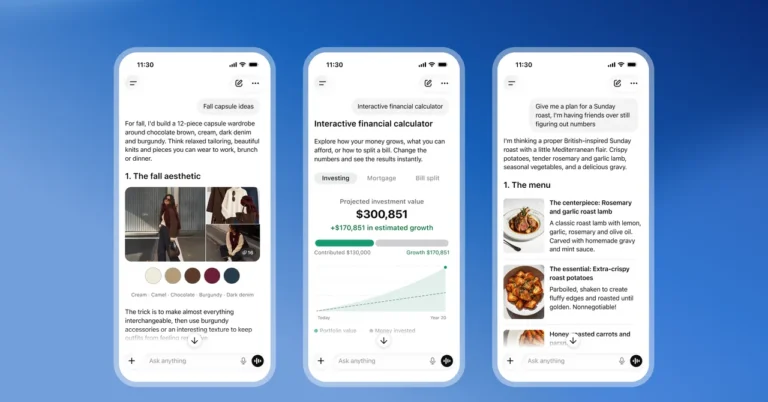
OpenAI’s ChatGPT UI now creates interactive visuals and tools with GPT-6, changing how users get answers and compare information.
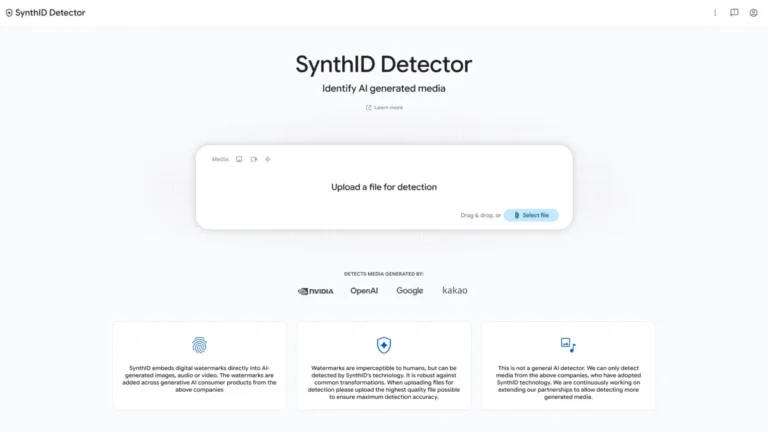
Google’s SynthID website now lets anyone check AI-generated media, expanding public access to watermark verification across images, video and audio.
AI agents are running into blocks from major websites, exposing a new fight over security, commerce and who controls online access.