In short
WIRED is hosting a September 10 livestream AMA on the growing backlash to data centers, which have become a flashpoint in AI, energy and election politics. The event will explore why communities across the U.S. are pushing back and what the controversy could mean for the 2026 midterms.
- WIRED will host a livestream AMA on September 10, 2026, about the backlash to data centers.
- Data centers have become a major political issue because of AI growth, energy use, water demand and local disruption.
- The controversy is cutting across party lines and may influence the 2026 midterm elections.
- The panel includes WIRED reporters covering politics, climate, security and the AI business.
- Readers can submit questions in advance and subscribers can watch the replay afterward.
WIRED will host a livestream AMA on September 10, 2026, focused on the growing backlash to data centers, the physical backbone of the AI boom. The discussion matters because these facilities are increasingly shaping local politics, energy debates, and the run-up to the 2026 midterm elections.
What was once a niche infrastructure issue has become a front-line controversy. Data centers now sit at the intersection of artificial intelligence, electricity demand, land use, water consumption, tax incentives, and neighborhood disruption, and they are drawing resistance from voters across the political spectrum.
Why data centers became a political flashpoint
Data centers have existed for years, but the public mood around them has shifted sharply as AI companies race to build more computing capacity. The result is a wave of scrutiny over what these facilities cost communities and what they return in jobs, tax revenue, and economic development.
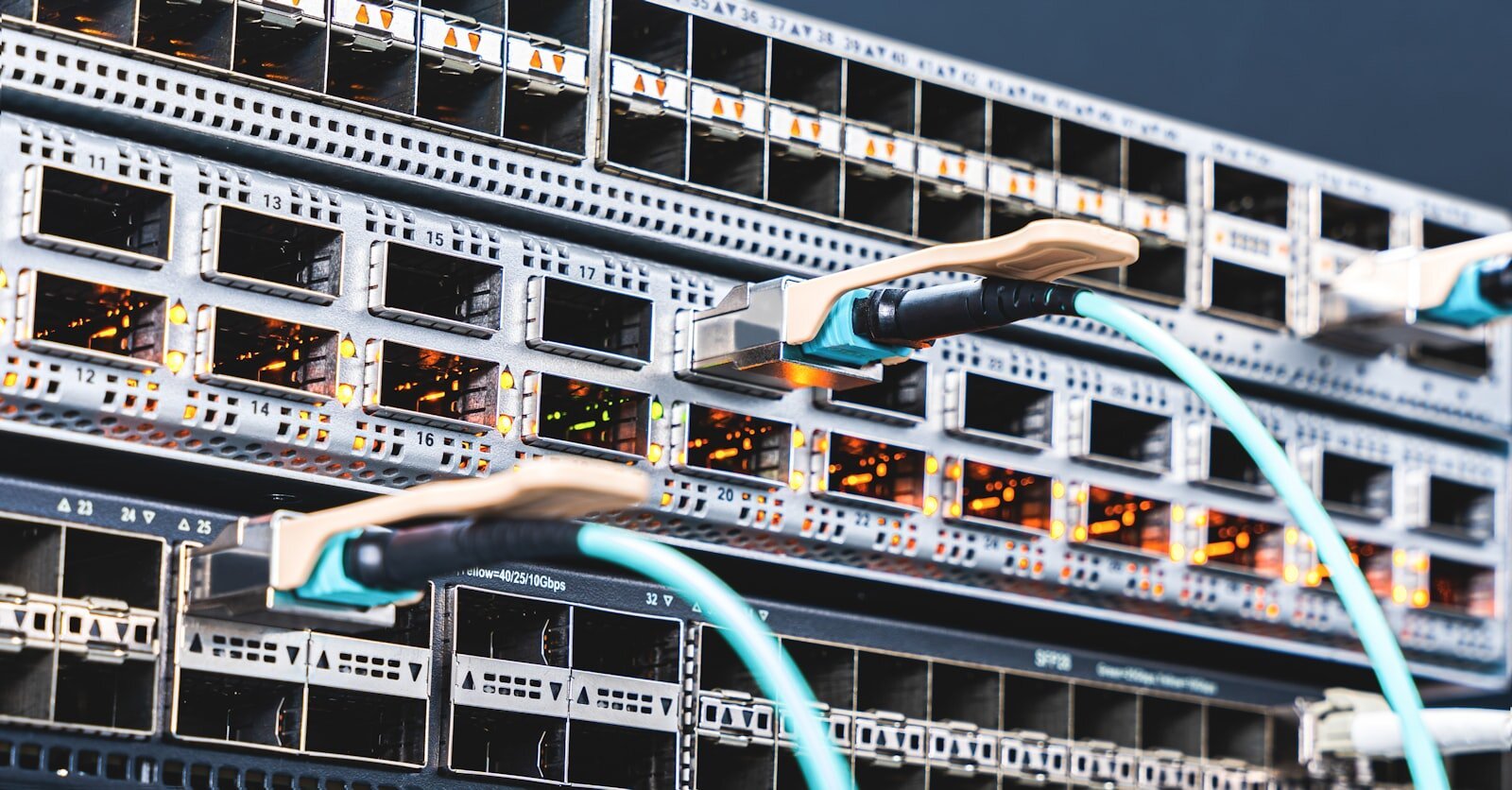
The facilities are often described as warehouses, but that understates their scale and impact. A modern data center can require massive electrical hookups, complex cooling systems, industrial-grade backup power, and large parcels of land. That makes them visible in planning hearings, utility filings, and local election campaigns in a way they rarely were before.
The backlash is not limited to one party or region. Concerns about higher utility bills, water use, noise, traffic, and environmental tradeoffs have resonated with residents in conservative, liberal, suburban, and rural communities alike. That broad appeal helps explain why the issue is gaining traction as a political wedge heading into a major election year.
How AI changed the public debate
AI is the main reason data centers have moved from background infrastructure to a central policy issue. The rapid expansion of generative AI has increased the need for server clusters, chips, electricity, and cooling, and that demand is landing on communities that are often being asked to absorb the costs before seeing clear benefits.
For local officials, the challenge is that data center proposals are often presented as economic development opportunities while also raising questions about long-term sustainability. For residents, the projects can feel abstract until they show up as transmission lines, substation upgrades, or industrial activity near homes and schools.
WIRED’s framing of the issue underscores a broader concern: the infrastructure behind artificial intelligence is no longer invisible, and people are beginning to fight over who pays for it and who profits from it.
What WIRED is planning for September 10
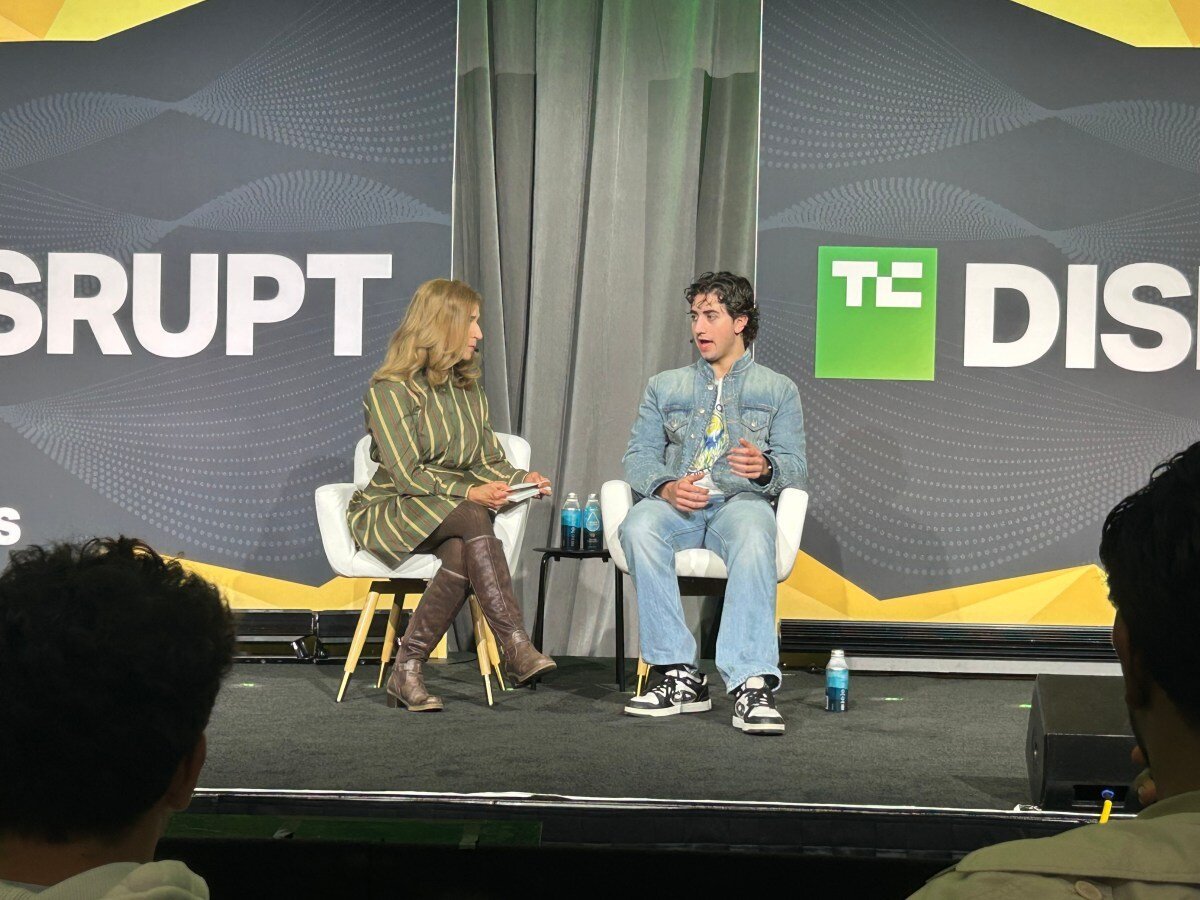
WIRED’s next livestream AMA is scheduled for September 10 at 12 p.m. ET / 9 a.m. PT and will take questions from readers about data centers and the backlash around them. The event will stream on WIRED’s site, and subscribers who cannot watch live will be able to access a replay afterward.
The publication is positioning the session as an opportunity to unpack the politics, business dynamics, and environmental concerns surrounding the AI buildout. Readers are being invited to submit questions in advance through the comment section.
The timing is notable. The discussion comes during the months leading up to the 2026 midterm elections, when infrastructure disputes that might once have remained local are increasingly being folded into national political messaging.
Who is on the panel?
The livestream will feature a group of WIRED editors and reporters whose beats span science, politics, security, climate, and artificial intelligence. Their combined coverage reflects the range of forces now converging on the data center debate.
- Tim Marchman, senior director of science, politics, and security
- Molly Taft, senior writer covering climate change, energy, and the environment
- Hugo Lowell, senior political correspondent and host of WIRED’s politics newsletter Inner Loop
- Maxwell Zeff, senior writer covering the business of artificial intelligence and the Model Behavior newsletter
That mix is important because the issue does not sit neatly inside one beat. Data centers are simultaneously a tech story, a climate story, an elections story, and a local governance story.
Why are communities pushing back now?
Communities are pushing back now because the scale of AI-related construction is becoming impossible to ignore. Residents who may never have cared about server farms are confronting proposals that can affect electricity prices, water access, land values, and the look and feel of their neighborhoods.
In many places, the arguments against new facilities are not ideological in the traditional sense. They are practical. People want to know whether promised jobs will materialize, whether tax breaks are worth it, and whether utilities will pass on infrastructure costs to households and small businesses.
Environmental concerns are also central. Large data centers can require substantial cooling resources and backup generators, and the electricity needed to run them can increase pressure on grids already facing peak-demand challenges. Those issues make them easy targets for climate advocates and skeptical homeowners alike.
| Issue | Why it matters | Who feels the impact |
|---|---|---|
| Electricity demand | May raise pressure on local grids and utility planning | Households, utilities, regulators |
| Water use | Cooling systems can intensify competition for resources | Residents, municipalities, environmental groups |
| Noise and traffic | Construction and backup systems can disrupt nearby areas | Neighbors, schools, local businesses |
| Tax incentives | Communities may trade revenue for promised investment | Taxpayers, local governments |
| Politics | Opposition is becoming part of election messaging | Voters, candidates, advocacy groups |
How the backlash could shape the 2026 midterms
The backlash could shape the 2026 midterms by turning data centers into a test case for how voters think about AI infrastructure more broadly. If communities conclude that the benefits are overstated or unevenly distributed, candidates may face pressure to demand stronger oversight, tougher zoning rules, or more transparent utility planning.
That is especially important because the AI industry has relied on an assumption that data center construction will be welcomed as a sign of innovation and growth. In practice, however, many residents are treating these facilities like any other large industrial development: something to be negotiated, challenged, and in some cases blocked.
The issue also gives politicians an opportunity to speak to broader anxieties about the AI economy. While companies tout new investment and technical progress, voters may focus on tangible local consequences. That dynamic can make data centers a useful symbol for complaints about corporate power, resource strain, and uneven development.
What makes the issue politically versatile?
It is politically versatile because it can be framed in several different ways. Conservatives may emphasize energy reliability, land-use concerns, and skepticism toward corporate subsidies. Progressives may focus on environmental justice, utility costs, and community consent. Local officials may center accountability, while labor advocates may ask whether promised jobs justify the footprint.
That flexibility means the backlash is less likely to remain a narrow activist concern. Instead, it can be absorbed into broader arguments about affordability, environmental protection, and whether technology companies are moving too fast with too little public oversight.
What to expect from the livestream
Expect the WIRED event to connect the dots between the public reaction, the business incentives driving the buildout, and the policy questions now facing local and state governments. The panel is also likely to explore how the AI race is changing the geography of power, from rural land deals to urban utility planning.
Because the stream is structured as an AMA, the audience will help set the agenda. That format makes it especially suited to answering practical questions about how data centers are approved, what communities can do to slow or reshape projects, and why the industry’s infrastructure needs are becoming a broader cultural issue.
WIRED has also pointed readers to earlier livestreams on AI and work, defense technology, and the future of electric vehicles, signaling a continuing editorial focus on the physical systems and social consequences behind emerging tech.
Timeline: how the backlash gained momentum
The controversy over data centers did not emerge overnight. It built gradually as AI adoption accelerated and more communities encountered the land, power, and water demands of industrial-scale computing.
| Period | Development | Significance |
|---|---|---|
| Just a few years ago | Most Americans had little awareness of data centers | The infrastructure largely remained out of public view |
| Recent AI boom | More facilities were proposed and expanded | Energy and environmental concerns became more visible |
| 2026 election cycle | Local opposition began influencing political debate | The issue moved into broader campaign messaging |
| September 10, 2026 | WIRED livestream AMA on the backlash | Experts and readers will discuss the stakes in public |
Why this matters beyond one livestream
This story matters beyond one livestream because data centers are no longer just a technical necessity for Silicon Valley. They are becoming a test of how society manages the hidden infrastructure of AI and who gets to decide where that infrastructure belongs.
If the current backlash grows, it could slow projects, reshape local permitting, alter utility planning, and force companies to be more transparent about energy and water needs. Even if construction continues, the political cost of building these facilities may increase.
That is why WIRED’s September 10 AMA is arriving at a useful moment. The public debate over data centers is no longer a niche argument about server farms; it is part of the bigger conversation about AI’s footprint in the real world.
Readers who want to join the discussion can submit questions ahead of the livestream and watch the event live on WIRED’s site. For anyone following the future of AI, energy, and politics, the conversation is likely to offer a clear look at how quickly an obscure piece of digital infrastructure became a national controversy.
Frequently asked questions
What is WIRED’s September 10 livestream about?
WIRED’s September 10 livestream is about the growing backlash to data centers and why these facilities have become a major issue in AI, energy, environmental and political debates ahead of the 2026 midterm elections.
Why are people upset about data centers?
People are upset about data centers because the facilities can increase electricity demand, use large amounts of water, create noise and traffic, and bring industrial-scale development into residential or rural communities with uncertain local benefits.
Who will be on the panel for the AMA?
The panel will include Tim Marchman, Molly Taft, Hugo Lowell and Maxwell Zeff, bringing together expertise in science, climate, politics, security and the business of artificial intelligence.
How can readers join the livestream?
Readers can watch the livestream on WIRED’s site on September 10 at 12 p.m. ET / 9 a.m. PT, and subscribers who miss it will be able to access a replay afterward.