In short
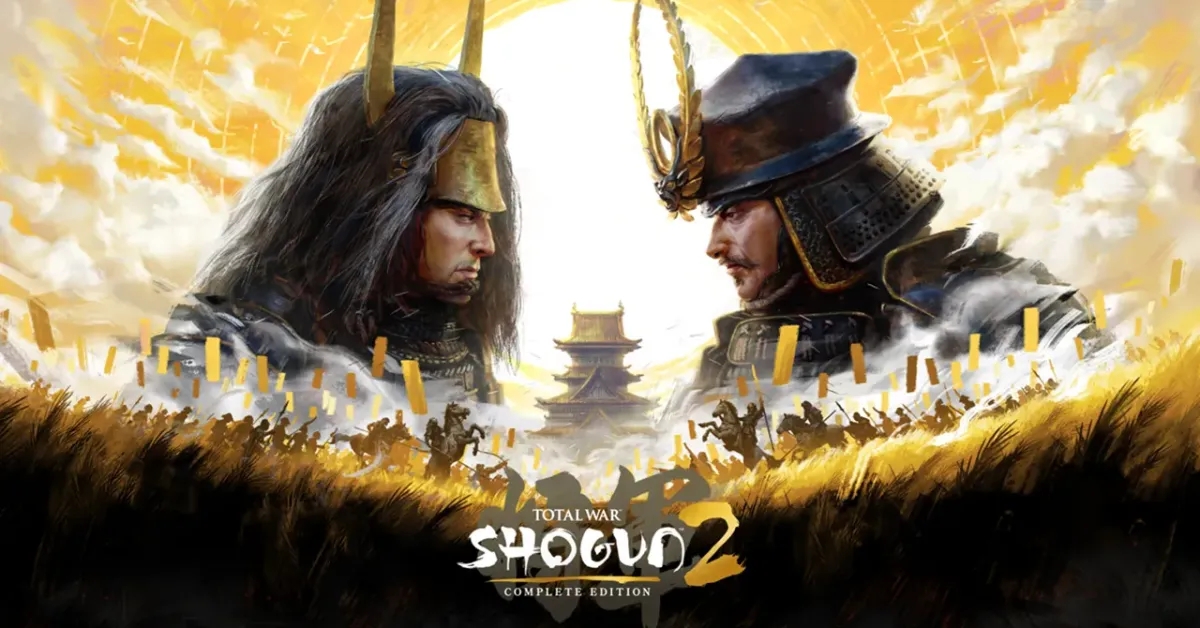
Sega is pulling Total War: Shogun 2 — Complete Edition from sale after a launch filled with bugs and criticism over visuals players believe were AI-upscaled. The company says the original game will return while it works to fix the remaster.
- Sega is removing Total War: Shogun 2 — Complete Edition from sale after a badly received launch.
- Players complained about bugs and artwork they believe was altered with AI upscaling.
- The game received an “Overwhelmingly Negative” Steam rating before being pulled.
- Sega and Creative Assembly say they will restore the original Shogun 2 and investigate the problems.
- The episode underscores rising concern over AI use in game art and remaster quality.
Sega is removing Total War: Shogun 2 — Complete Edition from sale after the remaster’s launch was met with severe criticism over bugs, poor performance and visuals that players say look AI-generated. The company says the original game will return while existing owners keep access to the troubled new release.
The decision comes just days after the remaster arrived on Tuesday and quickly drew an “Overwhelmingly Negative” response on Steam, where it has already been taken down. The backlash has become a case study in how quickly a high-profile relaunch can collapse when promised upgrades are overshadowed by technical problems and suspicion about artificial intelligence in game art production.
For Sega and developer Creative Assembly, the episode is more than a short-lived launch embarrassment. It highlights growing player sensitivity around AI-assisted creative work, especially when studios promote visual upgrades without clearly explaining how assets were made or what outside partners contributed.
What happened to Total War: Shogun 2 — Complete Edition?
What happened is straightforward: Sega and Creative Assembly are pulling the remaster from storefronts after players reported a rough launch that included bugs and art quality concerns. The game was sold as a bundled, upgraded edition of the 2011 strategy title, but the release failed to meet expectations almost immediately.
According to the companies, they have heard the complaints and now acknowledge that the current version “is not where it needs to be.” Their plan is to restore the original version of Total War: Shogun 2 while preserving access for anyone who already purchased the Complete Edition.
Sega and Creative Assembly said they recognized that the release had fallen short of both player expectations and the studios’ own standards, and that they were now working with a development partner to identify what went wrong and improve the game.
The game’s removal from sale is unusual for a remaster that launched with a marketing pitch centered on modernization, convenience and visual polish. Instead of building momentum for the franchise, the release turned into a public example of what happens when quality control breaks down at launch.
Why did players react so strongly?
Players reacted strongly because the remaster promised a cleaner, more modern version of a beloved strategy game, yet many buyers say they found the opposite. Reports of bugs and UI issues were quickly joined by criticism of the updated artwork, with some fans arguing that the upscaled assets appear to have been handled by AI tools rather than by hand-crafted remastering work.
That combination is particularly damaging for a nostalgic re-release. Fans approaching a remaster usually expect careful restoration, not visual artifacts or strange image details that undermine trust in the product. When players believe generative or automated tools were used without sufficient oversight, the backlash can spread fast.
On Steam, the launch response was severe enough to tank the game’s rating to “Overwhelmingly Negative.” On Reddit and other forums, users shared screenshots and examples they believed showed distorted or inconsistent artwork, intensifying speculation about whether the remaster relied on AI upscaling or other automated image-processing methods.
How did the launch unravel so quickly?
How the launch unraveled comes down to timing and expectations. The game arrived with clear promises of upgrades, including improved visuals, higher-resolution interface scaling and more modern controls, but the release did not appear to deliver a stable or polished experience.
When a remaster is billed as an enhancement of a classic, even modest technical flaws can feel bigger than they would in a new release. In this case, the combination of bugs, visual concerns and uncertainty around production methods created a sense that the product had been shipped before it was ready.
Once that perception took hold, the Steam rating became a visible shorthand for the broader failure. Negative user reviews do not just reflect dissatisfaction; they influence discovery, sales and the public narrative around a game within hours.
What Sega and Creative Assembly said
Sega and Creative Assembly responded by publicly acknowledging the criticism rather than defending the release. Their message was effectively an admission that the game had failed to meet both player expectations and internal standards.
The companies said they had seen the feedback, comments and reviews, and agreed that the present version was unacceptable. They also said they are working with a development partner to determine the cause of the problems and to make improvements that will bring the remaster up to the level expected from Total War.
Importantly, they also stated that the original Total War: Shogun 2 will be reinstated. That suggests Sega is trying to limit long-term damage to the franchise by restoring a trusted version of the game while the remaster is reworked behind the scenes.
Who is involved in the remaster?
Who is involved includes Sega, Creative Assembly and a third-party studio named Mataboo, which is listed on Steam as a developer for the game and references the project on its own website. The presence of multiple studios raises questions about production responsibilities and how the remaster was assembled.
That matters because players often expect remasters to be handled with visible care by the original team or by a specialist studio experienced in restoration work. When a release goes wrong, the line between publisher, lead developer and external partner can become part of the story.
So far, Sega and Creative Assembly have not publicly spelled out exactly which studio handled which visual assets, or whether any AI-based upscaling workflow was used. The absence of detail has only fueled speculation among players trying to understand how a celebrated strategy title ended up in this state.
How the remaster compared with the original release
How the remaster compared with the original release is the key issue for many fans. The older 2011 game built its reputation over time as a respected entry in the long-running strategy series, so expectations for the Complete Edition were tied to preservation as much as modernization.
Below is a summary of the main differences and the launch outcome:
| Aspect | Original Total War: Shogun 2 | Shogun 2 — Complete Edition |
|---|---|---|
| Release timing | 2011 | Launched Tuesday, then quickly pulled |
| Content | Base strategy game | Main game plus all DLC |
| Promised upgrades | N/A | Improved visuals, 1440p and 4K UI scaling, modern controls |
| Player response | Established fan favorite | “Overwhelmingly Negative” on Steam |
| Availability | Expected to return | Removed from storefronts |
The comparison shows why the remaster’s reception stung so badly. The package was supposed to be the definitive version of a classic, but instead it became a symbol of how remaster projects can fail when updates are not matched by quality assurance.
Why AI concerns matter in game remasters
Why AI concerns matter is simple: players increasingly want to know when automated tools are used in creative work, especially in products marketed as premium editions. In a remaster, visuals are often the main selling point, so suspicion that AI may have altered or generated artwork can quickly become a trust issue.
That concern is not only about aesthetics. It also touches on labor, transparency and the perceived value of preserved art. Many players see remasters as a chance to respect the craftsmanship of the original while carefully updating it for modern displays and systems.
When a studio appears to substitute automation for restoration, some fans interpret it as cost-cutting at the expense of quality. Even if the final assets were only partially processed by AI or another outside tool, the lack of clarity can be enough to damage confidence.
This is why the backlash around Shogun 2 — Complete Edition has resonated beyond one title. The debate reflects a larger industry question: how much automation is acceptable in artistic updates, and how should companies disclose it?
What players expected versus what they got
What players expected was a polished re-release with upgraded presentation, smoother interface scaling and controls adapted for current hardware. What many say they got instead was a release with technical flaws and image quality problems that felt unfinished.
That gap between promise and delivery is often fatal for nostalgia-driven products. A remaster does not just have to function; it has to reassure long-time fans that the source material was treated with care.
In this case, the uncertainty around visual assets became part of the disappointment. Rather than celebrating a return to a classic campaign, the conversation shifted almost entirely to error reporting and scrutiny of the art pipeline.
What happens next?
What happens next is that Sega and Creative Assembly must repair both the game and their credibility. Their immediate move is to pull the release, restore the original version and investigate the cause of the problems through a development partner.
If they want the remaster to recover, they will likely need to do more than issue a general apology. Players will expect a clearer explanation of what went wrong, what will be changed and whether the updated release will be handled with a more transparent production process.
There is also a business lesson here. In the current market, where player communities can rapidly dissect screenshots, compare builds and identify anomalies, a remaster cannot rely on brand recognition alone. It has to justify its existence on day one.
The speed of the reversal suggests Sega recognized that leaving the game on sale would only deepen the problem. By taking it down quickly, the company may be trying to prevent further sales of a release that has already become a public relations liability.
Timeline of the launch and backlash
The following timeline shows how the issue escalated from launch to removal:
| Date | Event | Why it mattered |
|---|---|---|
| Tuesday | Total War: Shogun 2 — Complete Edition launches | Promises upgraded visuals, UI scaling and modern controls |
| Within hours | Players report bugs and visual problems | Early signs that the remaster may be unfinished |
| Shortly after launch | AI upscaling concerns spread online | Trust in the art pipeline begins to erode |
| By midweek | Steam rating falls to “Overwhelmingly Negative” | Public backlash becomes impossible to ignore |
| Following the backlash | Sega announces the game will be removed from sale | Publisher attempts to contain damage and restore the original game |
Broader lessons for the industry
This episode offers several lessons for publishers, remaster specialists and platform holders. First, technical stability matters just as much in legacy reissues as it does in brand-new releases. Second, transparency around tools and workflows is becoming increasingly important as AI becomes more common in creative pipelines.
It also shows that fan communities are now highly effective at surfacing problems in real time. A few screen captures, review posts and forum threads can reshape the public understanding of a launch before a studio has time to respond.
Finally, the case underscores the commercial risk of using a remaster to simply repackage an old game. If a publisher advertises meaningful improvements, players will judge the product against those promises, not against lower expectations for a rerelease.
For Sega, the immediate challenge is to keep the Total War brand from absorbing too much damage. For Creative Assembly, the more difficult task may be restoring trust among a fan base that expects the studio to protect the integrity of one of its most respected strategy titles.
Bottom line
Sega’s removal of Total War: Shogun 2 — Complete Edition is a clear sign that the remaster’s launch missed the mark in both technical execution and creative credibility. The company is now trying to reset the situation by restoring the original game and investigating how the remaster went so wrong.
Whether that is enough to satisfy players will depend on what comes next: a stable fix, a fuller explanation and, above all, proof that the remaster can live up to the standard the title still commands more than a decade after the original release.
Frequently asked questions
Why is Sega pulling Total War: Shogun 2 — Complete Edition from sale?
Sega is pulling Total War: Shogun 2 — Complete Edition from sale because the remaster launched to heavy criticism over bugs, visual problems and artwork some players believe was produced or altered with AI tools. The company says the release did not meet its quality standards.
Will people who bought the remaster still be able to play it?
Yes. Sega and Creative Assembly say existing owners will still be able to access the Complete Edition even after it is removed from storefronts. The companies also say they will reinstate the original Total War: Shogun 2 for players.
What were the main complaints about the Shogun 2 remaster?
The main complaints were about technical bugs, poor presentation and upscaled artwork that some fans say looks AI-generated. Players also criticized the game for failing to deliver the promised improvements, including better visuals, modern controls and higher-resolution UI scaling.
How badly was the game received on Steam?
It was received very badly on Steam, where it quickly earned an “Overwhelmingly Negative” rating. That response helped push the publisher to remove the game from sale soon after launch.
Who developed Total War: Shogun 2 — Complete Edition?
Sega and Creative Assembly are the main companies behind the remaster, and a studio called Mataboo is also listed as a developer on Steam. The companies have said they are working with a development partner to identify what caused the problems.