Meta’s Muse Pushes Consumer AI Into Wearables as OpenAI and Anthropic Trade Model Updates
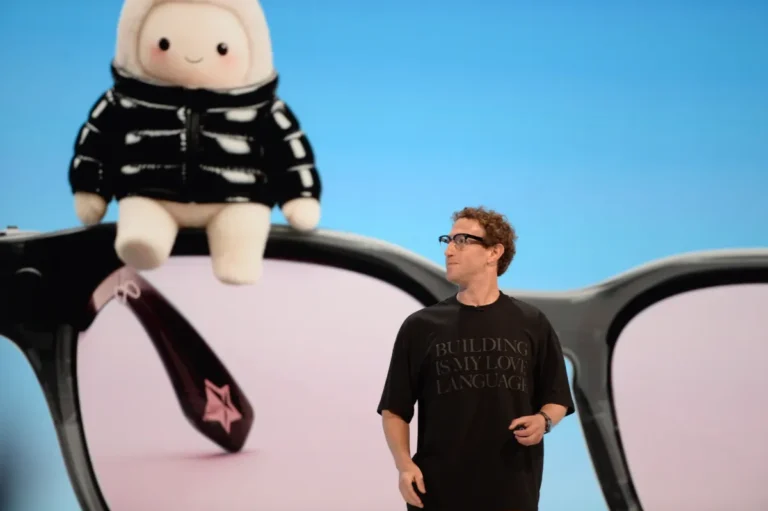
Meta’s AI agent Muse is gaining traction and heading to wearables, signaling a new phase in the Meta AI agent race.

Updates on virtual assistants like Siri, Alexa, and their AI advancements.
Meta’s AI agent Muse is gaining traction and heading to wearables, signaling a new phase in the Meta AI agent race.
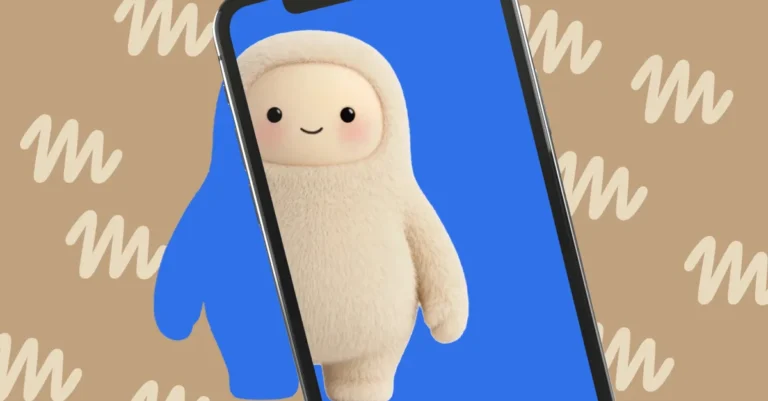
Meta makes Muse filesystem access easier, reinforcing its vision of a cloud computer and raising fresh questions about AI transparency.
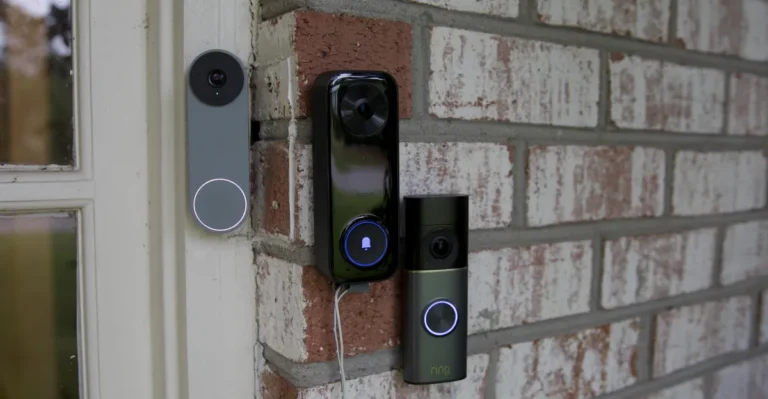
Apple brings AI to smart home cameras, but Ring and Nest still lead on price, speed and detail. Here’s how the systems compare.

Microsoft Copilot now combines chat, coding and agents in one app, with enterprise controls, usage-based billing and a new work-focused design.

Meta’s AI charm, Muse, blends bag-charm fashion, retro tech and Gen Z style—but privacy concerns could still limit adoption.
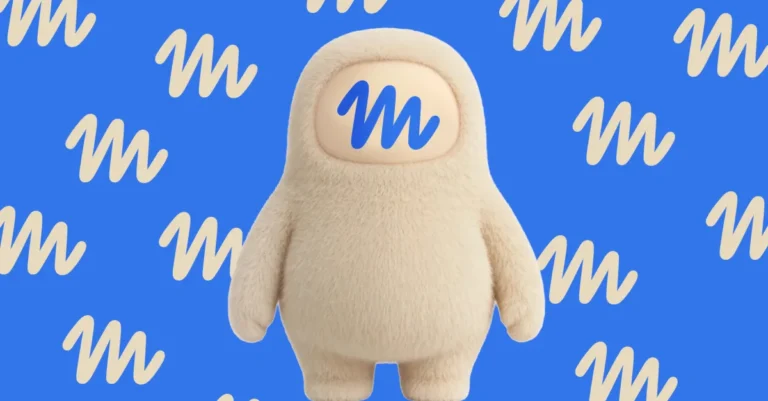
Researchers say Meta’s Muse AI filesystem can be exposed with little prompting, revealing internal files, memory logs and security questions.
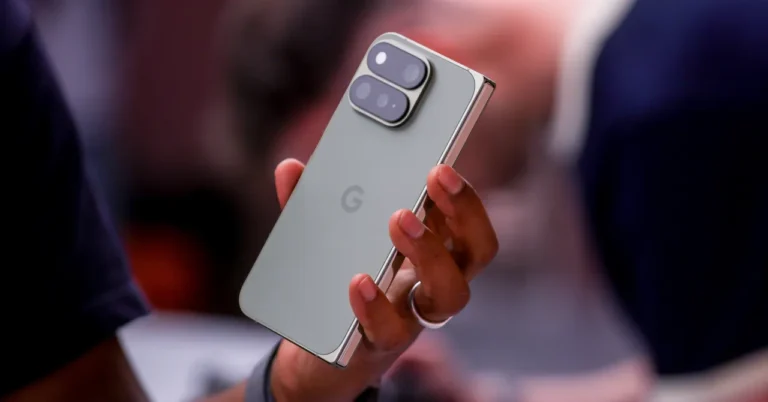
Google’s Gemini calls can now place business calls on Pixel 11 phones, letting users test AI that waits on hold and handles menus.
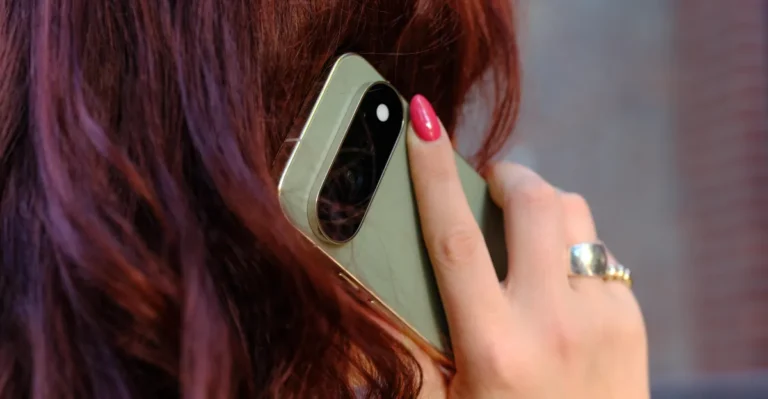
Google brings Gemini phone calls to Pixel 11, letting AI contact businesses, wait on hold and let users take over live.
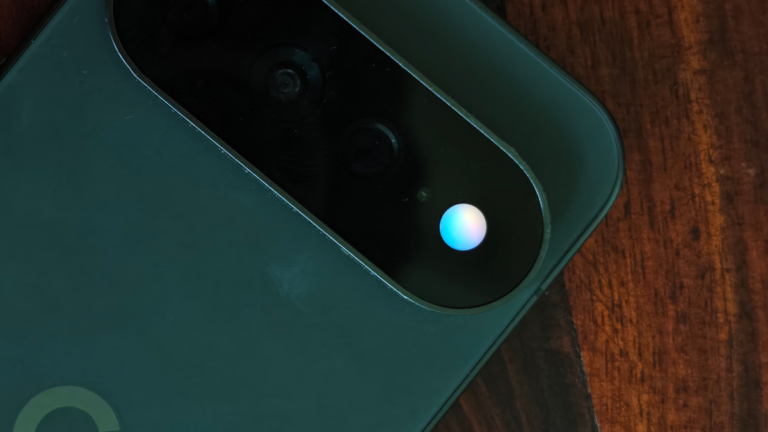
Google is testing Gemini phone calls for Pixel 11 owners in the U.S., letting the AI call businesses, book reservations and more.

Apple and Meta face backlash as AI surveillance wearables turn private conversations into summaries, raising urgent privacy and consent concerns.