In short
Google has launched Call for Me, a Pixel 11 beta feature that lets Gemini place business calls for users in the US. It is the company’s latest attempt to make AI phone assistants useful for real errands like checking inventory or booking appointments.
- Google is testing Call for Me, a Gemini feature that can place business calls for Pixel 11 users.
- The feature is limited to US English users with a Gemini subscription and a Phone by Google public beta.
- Gemini can handle menus, wait on hold, and show a live transcript while the user watches.
- The launch revives Google’s earlier AI calling ambitions, echoing Duplex in a more advanced AI era.
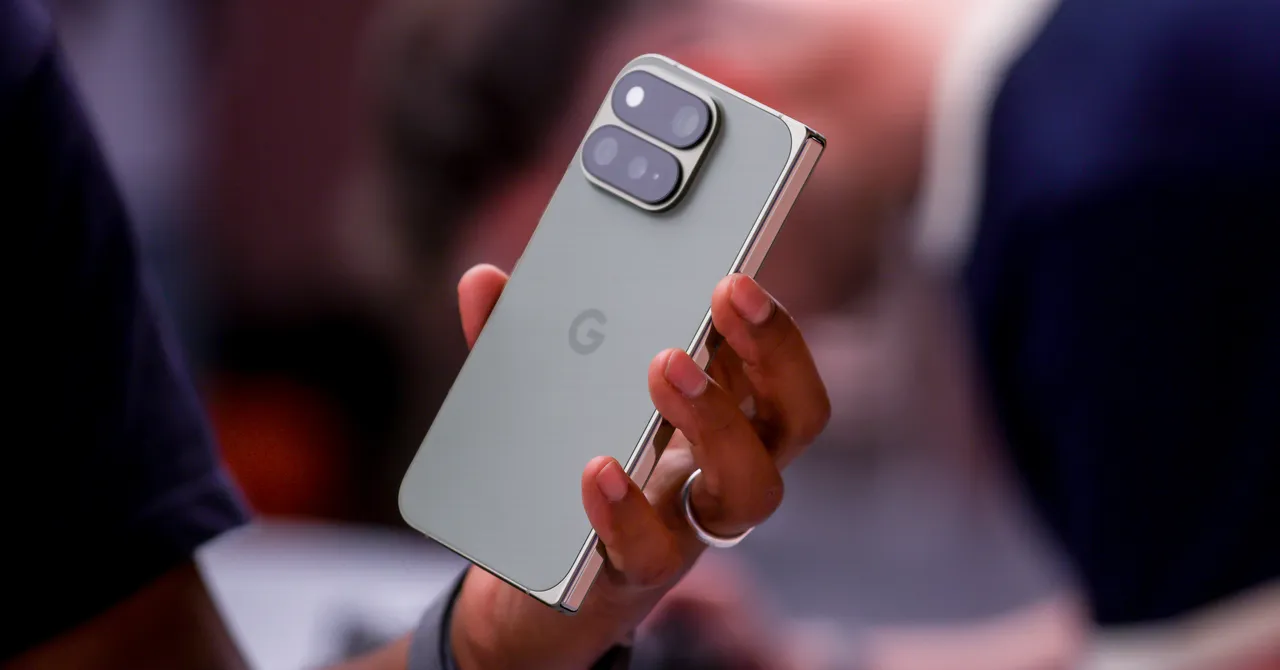
Google has brought back AI-powered phone calling on Pixel smartphones with a new experimental feature called Call for Me, allowing Gemini to place business calls on a user’s behalf. The beta tool is available only on the latest Pixel 11 phones in the United States, requires a Gemini subscription, and is designed to help people handle tasks like checking inventory or booking appointments.
The feature matters because it shows Google still believes voice assistants can do more than answer questions or screen spam: they may soon handle real customer-service interactions from start to finish. It is also a fresh test of whether modern large language models can succeed where Google’s earlier Duplex experiment drew attention but ultimately faded away.
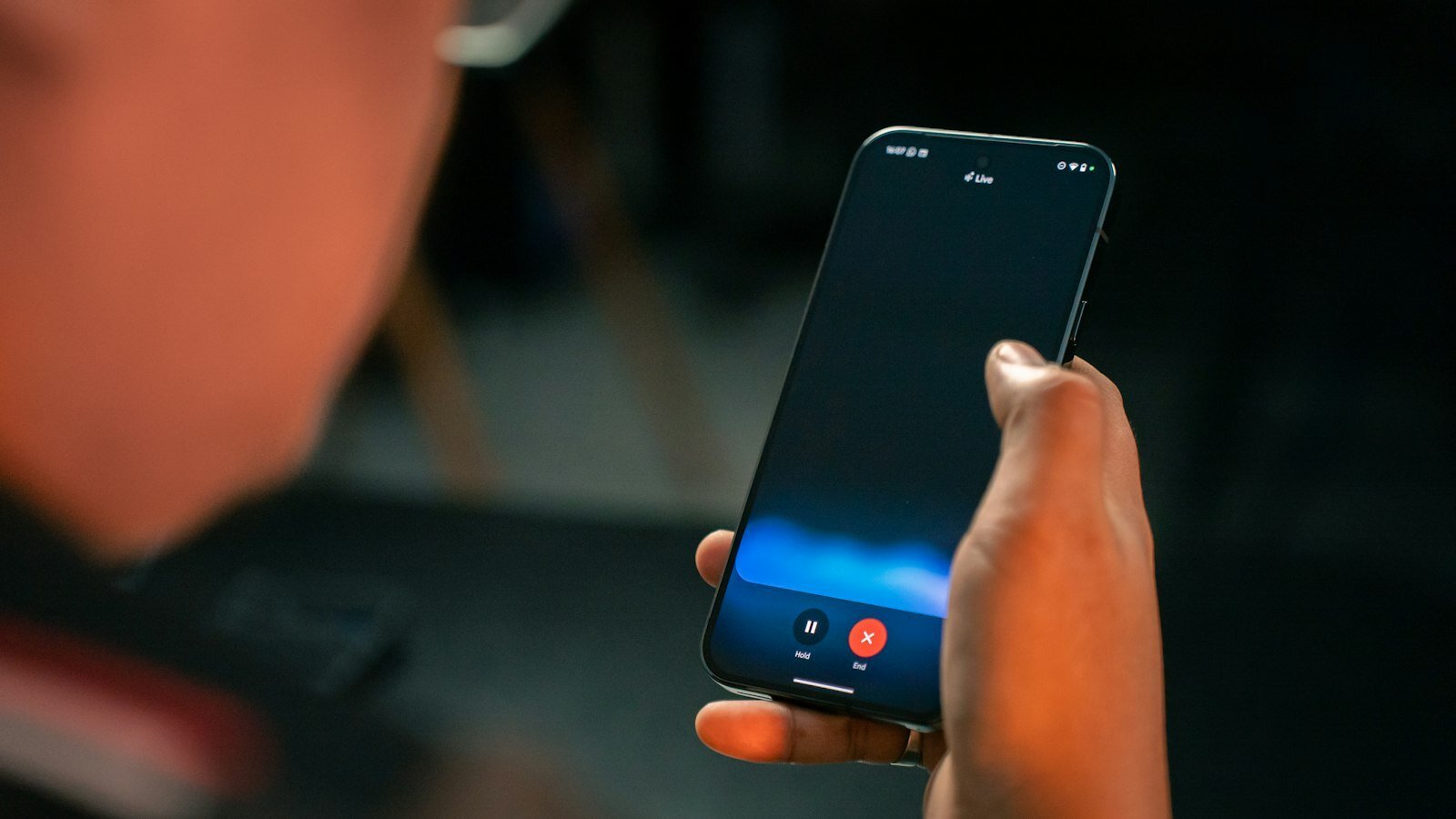
Google’s latest move comes after years of slowly expanding smart calling tools across Pixel phones. Call for Me is not a general-purpose dial-out assistant for personal conversations. Instead, Google says it is aimed primarily at businesses, where Gemini can ask about a product, schedule a service, wait on hold, and carry on the call while the user watches a live transcript and can interrupt at any time.
The company is making the feature available first as a public beta inside the Phone by Google app. Participation is limited, and users need to opt in. Google is treating the rollout as a live experiment, both to gather feedback and to see where automated calling systems still break down in the messy, unpredictable world of human conversation.
What Google launched on Pixel 11
Google introduced Call for Me on Thursday as an experimental feature for Pixel 11 owners. The assistant can initiate calls to businesses in English, identify itself on the user’s behalf, and continue the conversation through follow-up questions if the business needs more detail.
If the call gets routed through an automated phone system, Gemini can move through menus and even remain on the line while the user waits. On the Pixel screen, a live transcript shows what is being said, and the user can step in at any point to take over the call personally.
Google says the feature works best for practical requests such as confirming whether a nearby hardware store carries a specific item or arranging a haircut with a barber. In other words, the assistant is being pitched less as a conversational novelty and more as a utility tool for everyday errands.
How Call for Me works
Call for Me begins when the user asks Gemini to make a call. The assistant may then request additional context so it can better handle the request. Once the call starts, Gemini uses the same voice heard in Gemini Live sessions, even if the user normally prefers a different Gemini voice with an accent.
During the call, the system is meant to manage routine back-and-forth exchanges with a business, including answering basic clarification questions. If the called business cannot fulfill the request, Google says the AI will politely end the conversation rather than continue pushing the issue.
Google also says the feature will not be used to contact emergency services. That restriction underscores the company’s caution around high-stakes situations where a mistake could be serious.
Why this looks like a sequel to Duplex
Call for Me is the clearest successor to Duplex, the much-publicized Google Assistant feature that once placed restaurant reservations and made business calls for users. Duplex helped turn AI phone calls into a mainstream concept, but the product faded as Google shifted its assistant strategy and eventually retired the original Google Assistant service that had powered it.
In that sense, Call for Me is less a brand-new invention than a reboot built for the generative-AI era. The difference is that Google is now leaning on large language models, which are better suited to handling open-ended dialogue than older, more scripted voice systems.
Still, the core promise is the same: automate tedious phone calls that many people dislike making themselves. Whether that means asking about a repair part, booking an appointment, or checking store hours, the goal is to replace waiting, repeating yourself, and navigating phone menus.
| Feature | What it does | Availability | Notes |
|---|---|---|---|
| Call for Me | Lets Gemini place business calls for users | Pixel 11, US, English, public beta | Requires Gemini subscription and Phone by Google beta |
| Hold for Me | Waits on hold and alerts the user when a live person answers | Existing Pixel feature | Designed for long customer-service queues |
| Direct My Call | Displays phone-menu options before they are spoken | Existing Pixel feature | Helps users skip through automated menus faster |
| Call screening | Checks unknown callers and filters spam | Available across multiple platforms | Common on Pixel, Samsung, and iPhone |
What users need to try it
Google is limiting access to the feature at launch. To use Call for Me, a customer needs a Pixel 11 device, a Gemini subscription, and enrollment in the public beta of the Phone by Google app. The rollout is limited to the United States and currently works in English only.
This narrow release suggests Google is still testing both technical performance and user behavior. A service like this only becomes useful if it is dependable enough for ordinary errands, yet broad public availability could expose it to all kinds of edge cases before Google is ready.
- Device: Pixel 11 smartphones only
- Region: United States
- Language: English
- Access: Gemini subscription required
- App: Phone by Google public beta
What makes AI phone calls difficult?
AI phone calls are harder than they sound because live conversations are messy. Businesses may have scripted menus, but the people answering phones do not always speak in predictable ways. Accents, background noise, poor connections, and rushed interactions can all make a call derail.
There is also a social layer to the problem. Many businesses are trained to be wary of unknown callers because so many calls are spam, robocalls, or scams. A machine sounding human enough to get through may still be dismissed if it triggers suspicion.
Google acknowledged that the point of the beta is to test those weak spots. The company wants users to push the feature through different scenarios, including noisy environments and conversations involving varied accents. That kind of testing is essential if the product is meant to move beyond a novelty demo.
Google said it wants real-world testing across accents and noisy settings so the feature can improve over time, and it added that Gemini will end the call politely if the business cannot help.
Will the assistant understand everyone equally well?
That is one of the biggest open questions. Language models can be impressive in controlled demos, but speech recognition and conversational judgment still struggle when voices, accents, and audio quality vary widely.
If a clerk cannot understand the AI or if the AI mishears the clerk, the conversation can quickly become frustrating. Google is effectively asking users to help uncover whether the system can manage those cases without looping endlessly or failing in awkward ways.
How Google’s existing calling tools fit in
Call for Me does not stand alone. It joins a broader set of AI calling features already built into Pixel phones and Android. Taken together, these tools show that Google has been laying the groundwork for years rather than launching a one-off experiment.
Hold for Me listens while the user waits on hold and pings them when a live representative returns. Direct My Call can show users the menu choices before an automated voice reads them. Meanwhile, Google’s scam detection tools can warn a user in real time if a call appears suspicious.
Incoming calls are also screened automatically on many devices now, including Pixel phones, Samsung devices, and iPhones. That wider industry shift has made the basic idea of assistant-mediated calls feel less strange than it did when Duplex first appeared.
What is different this time?
The biggest difference is the technology under the hood. Duplex was notable, but Call for Me is arriving in the era of large language models, which are more flexible and better at handling open-ended conversation. That should make them a better fit for ordinary business calls, where the next line is not always predictable.
Even so, smarter models do not eliminate the practical problems. They can still misunderstand people, choose the wrong response, or fail in situations where tone and context matter. The feature’s usefulness will depend on whether Gemini can do more than sound natural — it has to be reliable enough to save users time.
What businesses are doing on the other end
Google is not the only side of the phone-call equation experimenting with automation. Businesses themselves are increasingly using AI to handle customer interactions, which may make these calls feel less like a novelty and more like two machines trying to coordinate on behalf of humans.
One example is Pizza My Heart, a California pizza chain that lets customers text with a chatbot named Jimmy the Surfer to place orders. That kind of setup suggests a near future in which a customer’s phone assistant may reach a business AI before a human ever joins the conversation.
As more companies deploy AI customer-service tools, the phone may become a point-to-point exchange between systems, with humans only stepping in when necessary. For some routine tasks, that could be efficient. For others, it may create a new kind of frustration if the machine on one side cannot understand the machine on the other.
Why this launch matters for Google
Google’s move is important because it shows the company still sees voice as a major interface for AI, even as chat apps and text-based assistants dominate much of the industry conversation. Phone calls remain one of the most universal forms of customer communication, which makes them a logical place to test whether AI can deliver useful labor, not just answers.
It also gives Pixel phones a distinctive capability that competitors cannot easily copy overnight. Google has long used Pixel-exclusive software features to make its phones stand out, and Call for Me is another example of that strategy. If it works well, it could become one of the more practical reasons to buy into the Pixel ecosystem.
But the launch also creates a clear benchmark. If users find the assistant helpful, Google can expand. If it fails in noisy real-world calls or becomes more trouble than it is worth, the feature may remain a niche experiment.
The bigger picture for AI assistants
Call for Me highlights a broader shift in how companies want people to use AI. The early promise of assistants was often framed around convenience: set reminders, answer questions, play music. The next phase is more ambitious. AI should not just respond to commands; it should take action in the world.
Making phone calls is a natural extension of that idea because the task is small enough to automate but useful enough to matter. It involves speech, context, persistence, and some basic judgment — all areas where companies hope modern AI will perform better than older voice assistants did.
At the same time, this is exactly the kind of task that can expose the limits of automation. A call can go off script quickly, and when it does, users will decide whether AI is genuinely saving them time or simply creating a new layer of uncertainty.
Timeline of Google’s smart calling push
Google’s latest release is best understood as part of a long progression rather than a single product announcement. The company has been refining this category for years.
| Period | Milestone | Significance |
|---|---|---|
| Duplex era | Google Assistant placed calls for restaurant bookings and other tasks | Introduced the idea of AI calling businesses on behalf of users |
| Follow-on Pixel tools | Hold for Me, Direct My Call, scam detection, and call screening expanded | Made assistant-driven calling more practical and less experimental |
| Current launch | Call for Me arrives as a Pixel 11 beta feature powered by Gemini | Reintroduces phone-call automation in the large-language-model era |
The bottom line
Google is giving Pixel 11 owners a new way to outsource business calls to Gemini, but only as a limited US beta for now. The company is betting that modern AI can finally make automated calling useful in everyday life, not just memorable in a demo.
If the experiment works, it could mark an important step toward AI agents that do real-world chores for users. If it fails, it may simply prove that phone calls are still one of the hardest places for AI to sound both competent and trustworthy.
Frequently asked questions
What is Google’s Call for Me feature?
Google’s Call for Me is an experimental Gemini feature that can place business calls on a Pixel 11 user’s behalf. It is designed to ask questions, navigate phone menus, wait on hold, and help with tasks like checking inventory or booking appointments.
Who can use Gemini calls on Pixel phones right now?
Only Pixel 11 owners in the United States who use English, have a Gemini subscription, and join the Phone by Google public beta can try it now. Google is limiting access because the feature is still being tested in real-world conditions.
Can Gemini answer calls to emergency services?
No, Google says the feature is not intended for emergency services. The company is restricting the tool to business calls and other routine interactions, where the risks are lower and the conversation can be handed back to the user if needed.
How is this different from Google Duplex?
This is similar in purpose but newer in technology. Duplex used earlier Google Assistant systems to make calls, while Call for Me uses modern large language models through Gemini, which should make the conversations more flexible and natural.
Will the user be able to take over the call?
Yes, the user can step in at any point. Google says a live transcript appears on the Pixel during the call, so people can monitor the exchange and take control whenever they want.