In short
WIRED reports that chatbot ads are spreading across major AI products, with OpenAI and Google testing paid placements while Anthropic keeps Claude ad-free. The shift raises questions about privacy, relevance and whether conversation-level targeting can become a sustainable business model.
- OpenAI has run ads in ChatGPT since February, according to WIRED.
- Google expanded AI Mode ads to 10 more countries beyond the US.
- Koah Labs says chatbot ads can use full conversation context and get stronger click performance.
- Anthropic is keeping Claude ad-free and did not include an ads plan in its IPO filing.
Chatbot advertising is moving from experiment to commercial reality, with OpenAI, Google and ad-tech startup Koah all testing ways to place paid messages inside conversational AI. Anthropic, by contrast, is holding Claude out of the ad market for now, a split that underscores how differently leading AI companies are thinking about monetization, privacy and user trust.
What is changing in chatbot advertising?
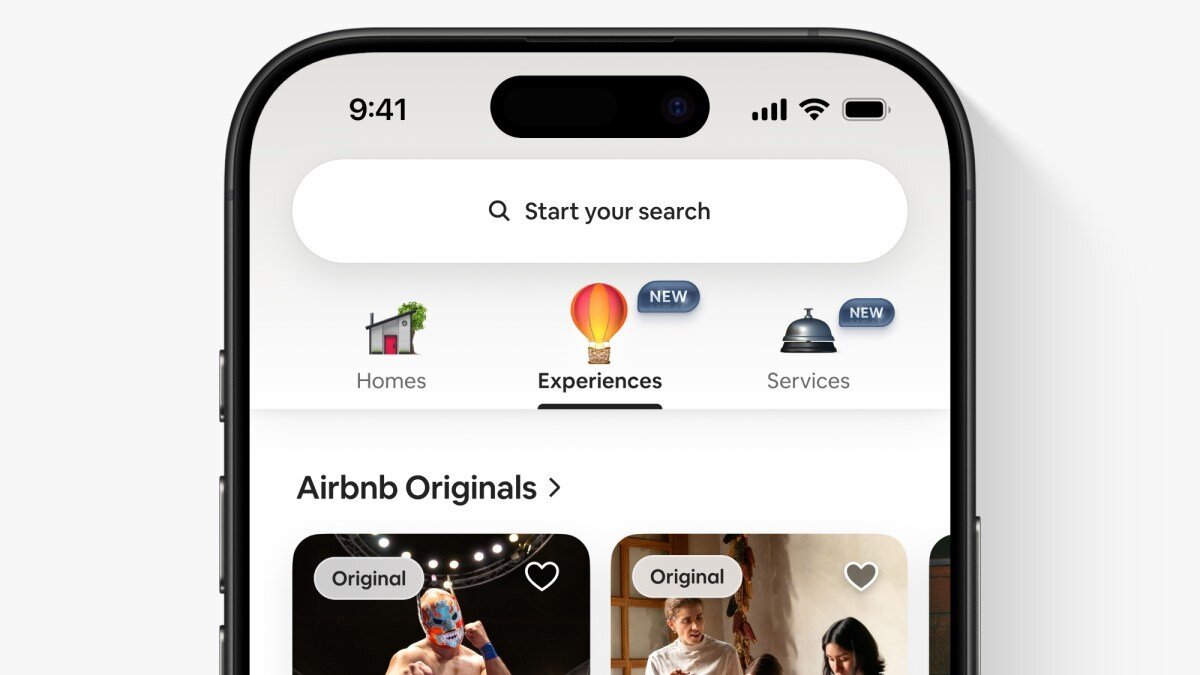
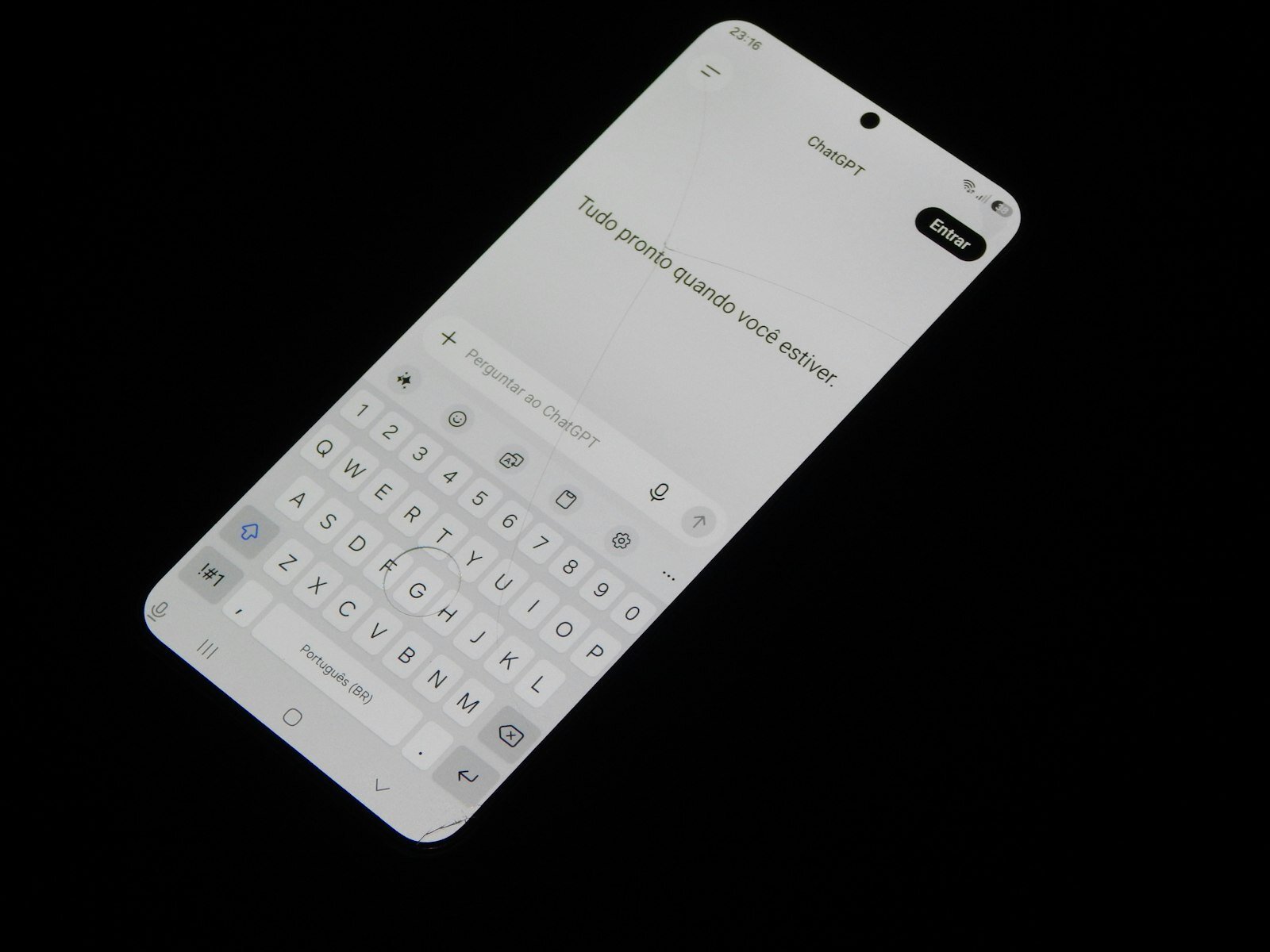
The biggest AI platforms are beginning to treat chat interfaces less like pure product demos and more like places where ads can be sold. WIRED reports that OpenAI has run ads in ChatGPT since February, Google has expanded AI Mode ads to 10 additional countries beyond the US, and Koah Labs is pitching brands on chatbot inventory across a growing network of apps.
That shift matters because chatbots are not standard search boxes. They can hold onto context across multiple turns, making it possible to tailor a message to the conversation rather than only to a keyword. For advertisers, that is the promise. For users, it is also the point where relevance can start to look a lot like surveillance if the rules are not clear.
Why it matters
Chatbot ads could become one of the first large-scale tests of whether conversational AI can support itself without relying entirely on subscriptions, enterprise contracts or massive outside funding. AI companies face steep compute costs, and ad revenue is the most obvious consumer-facing model to borrow from the search business that dominated internet monetization for two decades.
The stakes go beyond company balance sheets. If ads work well inside chatbots, the format could influence how billions of people get information, compare products and make purchase decisions. If they feel intrusive, misleading or too closely tied to personal data, users may push back hard. Regulators could also become more interested as conversational systems move from answering questions to shaping commercial choices.
How do the major players differ?
OpenAI, Google and Anthropic are all in the same broad AI market, but they are taking very different paths on ads. OpenAI is already experimenting with them in ChatGPT. Google has widened AI Mode ads internationally. Anthropic is declining the model for Claude, at least for now, and its IPO filing did not include an ads strategy.
That divergence is important because it shows that the industry has not settled on one commercial playbook. Some firms are leaning toward ad-supported chat. Others are betting that restraint around advertising may become part of the product’s appeal.
| Company | What WIRED reports | Notable detail |
|---|---|---|
| OpenAI | Running ads in ChatGPT since February | WIRED says more than 100,000 customers advertise in ChatGPT |
| Expanded AI Mode ads to 10 more countries beyond the US | Google says users find AI Mode ads highly relevant | |
| Koah Labs | Sells ads into more than 200 apps | Claims AI-composed ads get twice the clicks of fully human-written ads |
| Anthropic | Keeping Claude ad-free | IPO filing omitted any ads plan |
Inside the ad pitch
Koah Labs is the clearest example of a startup trying to make chatbot ads a stand-alone business. WIRED says the company sells ads into more than 200 apps, including DeepAI and Liner, and works with brands such as Hims and UrbanStems. Nic Baird, Koah’s CEO, is positioning the company around the idea that ads inside chat can be more useful when they are shaped by the full conversation instead of a single search query.
“the user’s agent the best possible recommendation”
That phrase captures the core pitch: if a chatbot is already acting as an assistant, then an ad might be most effective when it resembles a recommendation that fits the thread of the conversation. Koah says that approach can produce stronger performance than traditional creative. The company says AI-composed ads get twice the clicks of fully human-written ads, and that users click about 3% of its ads, roughly in line with mature Google ads performance.
Koah’s scale is still much smaller than OpenAI’s. WIRED reports that Koah has about one-tenth as many advertisers as OpenAI, a reminder that the business is still early even as the idea spreads quickly.
What does Koah think users will tolerate?
Koah appears to believe that users will accept ads if they are relevant and clearly tied to the task at hand. Baird told WIRED that the opportunity is strongest when a conversation reveals intent, particularly in shopping and support scenarios.
“abundantly clear”
WIRED reports that Koah estimates one in four retailer-brand chatbot queries are about returns, exchanges or support. That creates room, in Baird’s view, for warranty prompts, service offers or other messages aimed at users who are already signaling dissatisfaction or frustration. Koah also says it anonymizes and de-identifies queries, though Baird declined to detail storage practices.
That is where the business case and the privacy question collide. The more useful a chatbot ad becomes, the more it depends on the system’s ability to interpret context. The more context it uses, the more scrutiny it may attract over how much of a user’s conversation is being stored, analyzed or repurposed.
Why Anthropic is standing apart
Anthropic’s decision to keep Claude ad-free gives the company a different public identity from OpenAI and Google. WIRED says Anthropic has about $112 billion in investor cash, which gives it room to avoid immediate pressure to monetize through ads. That buffer may help the company present Claude as a cleaner, more trusted assistant while others test the boundaries of ad-supported chat.
There is also a strategic signal in what Anthropic did not say. Its IPO filing omitted any plan for ads, suggesting that the company is not preparing investors for that revenue stream, at least not yet. In a market where monetization paths are still unsettled, absence can be as revealing as a formal product announcement.
How OpenAI and Google are moving
OpenAI has already begun placing ads in ChatGPT, according to WIRED, and the company now counts more than 100,000 customers advertising there. That is a large enough base to show that paid placements in chatbot interfaces are no longer hypothetical, even if the format is still evolving.
Google, meanwhile, is pushing AI Mode ads beyond the US. Last week, it expanded the program into 10 more countries, and the company says users find the ads highly relevant. That claim echoes the broader industry argument: conversational ad formats will only work if they feel connected to what the user is trying to do.
The search industry comparison is unavoidable. Traditional search ads became powerful because they matched intent at the moment of inquiry. Chatbots could take that logic further by using the whole conversation as a signal, not just the latest prompt. That possibility is exactly why the model is attractive — and exactly why it raises fresh concerns.
What the numbers say
The reported figures suggest a market that is still small compared with the biggest digital ad systems, but growing fast enough to draw major attention. They also show how much of the debate rests on performance claims that are hard for outsiders to verify independently.
| Metric | Reported figure | Source context |
|---|---|---|
| ChatGPT ads debut | February | WIRED reports OpenAI has run ads since then |
| OpenAI advertisers | Over 100,000 | Customers advertising in ChatGPT |
| Google expansion | 10 countries | AI Mode ads added beyond the US |
| Koah reach | Over 200 apps | Apps served by Koah Labs |
| Koah click-through rate | 3% | Koah says its ads perform roughly like mature Google ads |
| Retailer-brand query share | 1 in 4 | Koah estimate about returns, exchanges or support |
Background: how the pressure built
The move toward ads did not appear out of nowhere. AI chatbot companies have spent heavily on compute, and that cost structure has pushed many of them to look for revenue sources beyond consumer subscriptions or enterprise deals. Search advertising is the most obvious model to imitate because it already links intent with monetization in a way users have largely accepted online.
But chatbots are not search engines with a friendlier interface. They can hold onto context, infer preferences and adapt over multiple turns, which makes ad targeting more potent and potentially more invasive. That dual quality is the heart of the current debate: the same conversational memory that makes a chatbot useful can make its ads feel unusually personal.
Privacy and brand safety are therefore central. Brands want ads to appear in the right context and avoid embarrassing or unsafe associations. Users want to know what data is being used and whether it is being stored, de-identified or shared. Those concerns will likely shape whether chatbot ads are seen as a practical extension of digital marketing or a line too far.
What makes this different from search ads?
Chatbot advertising is likely to be judged against search, but it is not the same product. Search ads respond to a query. Chatbot ads may respond to a whole conversation, including follow-up clarifications, objections and support issues. That means the ad can be tailored more precisely, but it also means the system may know more about the user than a search engine ever did from a single line of text.
That distinction matters for disclosure and trust. A person asking about a return policy may be comfortable seeing a related support offer. That same person may not be comfortable if the system uses the exchange to infer financial stress, dissatisfaction or buying intent that was never meant to become a marketing signal.
DeepAI’s CEO, Kevin Baragona, is not persuaded the model is working well yet. He told WIRED: “I don’t think the ads are working terribly well for anyone” His skepticism is useful because it introduces a counterpoint to the more optimistic platform claims about relevance and performance.
What happens next?
The immediate question is whether more AI developers follow the same path or continue to keep their assistants ad-free. Anthropic’s stance will be closely watched because it offers a high-profile alternative to the ad-supported model. If Claude stays clear of ads while competitors lean in, that could become a differentiator for users who value restraint.
Another open question is whether these ad systems can generate enough revenue to justify the compute they consume. The industry still has to prove that chatbot ads can scale beyond novelty and into something comparable to the economics of search.
There are also product questions. Koah is not currently serving any apps with autonomous shopping agents, and that leaves open how ads will function if users move from simple chat assistants to systems that can buy, compare and negotiate on their own. The ad model that works for a conversational helper may not work the same way for an agent that executes tasks.
Finally, regulators may decide the current level of disclosure is not enough. If chatbot ads depend on conversation-level targeting, lawmakers and privacy watchdogs could press for stricter limits on what data is collected, how it is anonymized and when users are told they are seeing paid content.
The bigger commercial test
What is emerging now is not just a new ad slot. It is a test of whether the public will accept a business model built around a machine that knows the context of a conversation. That could make advertising more relevant, but it could also make the distinction between help and persuasion harder to see.
For now, the market is split. OpenAI is already taking ad dollars in ChatGPT. Google is broadening AI Mode ads internationally. Koah is selling into dozens of apps with a strong performance pitch. Anthropic is staying out. The next phase will show whether that split is temporary experimentation or the outline of several very different futures for consumer AI.
Key points to watch
- Whether ChatGPT ad inventory keeps growing beyond the reported 100,000 customers.
- Whether Google expands AI Mode ads beyond the 10 new countries it added last week.
- Whether Anthropic continues to keep Claude ad-free as AI monetization pressure grows.
- Whether privacy concerns around conversation-level targeting lead to tighter rules.
- Whether ad-supported chat remains competitive if autonomous shopping agents become more common.
The central question is no longer whether chatbot ads are coming. They are already here. The real test is whether users, regulators and brands decide that conversational targeting feels useful enough to last.
Frequently asked questions
Are chatbot ads already being used in AI products?
Yes. WIRED reports that OpenAI has run ads in ChatGPT since February, and Google has expanded AI Mode ads to more countries. Koah Labs is also selling chatbot ads across more than 200 apps, showing the format is already in market testing.
Why are AI companies interested in chatbot ads?
AI companies are looking for revenue sources that can help offset high compute costs. Ads are the clearest consumer-facing model to borrow from search, especially because chatbots can use conversation context to target messages more precisely than a one-off keyword query.
Why is Anthropic keeping Claude ad-free?
Anthropic has chosen not to add ads to Claude, at least for now. WIRED says the company’s IPO filing did not include an ads plan, suggesting it may be trying to keep Claude positioned as a cleaner, more trust-focused product.
What privacy concerns come with chatbot ads?
The main concern is that ads can be based on conversation-level context, not just the latest prompt. That makes targeting more relevant, but it also raises questions about how much data is stored, whether it is anonymized, and how clearly users are told when content is paid.
Will chatbot ads replace search ads?
Not immediately. Search remains the main comparison model because it already links intent and advertising, but chatbot ads are still early. The more likely outcome is that chat and search will overlap, with each using different forms of targeting and disclosure.