In short
AI-generated Instagram personas are copying stand-up comedians’ jokes and using the clips to build larger audiences and send traffic to adult-content pages. Comedians say platform moderation is too weak to stop the theft.
- AI-generated “hot girl” accounts are reposting comedians’ jokes with little change.
- Meta’s moderation has not consistently removed the copied clips, frustrating creators.
- Stand-up comedy’s weak copyright protections make enforcement difficult.
- Some of the fake personas are monetized through adult-subscription links.
AI-generated Instagram personas posing as attractive young women are lifting stand-up comedy clips and using the material to drive traffic to adult-content pages, sparking alarm among comics who say their work is being copied in plain sight. The trend has exposed how weak platform protections can be when synthetic creators imitate original performers faster than moderators can respond.
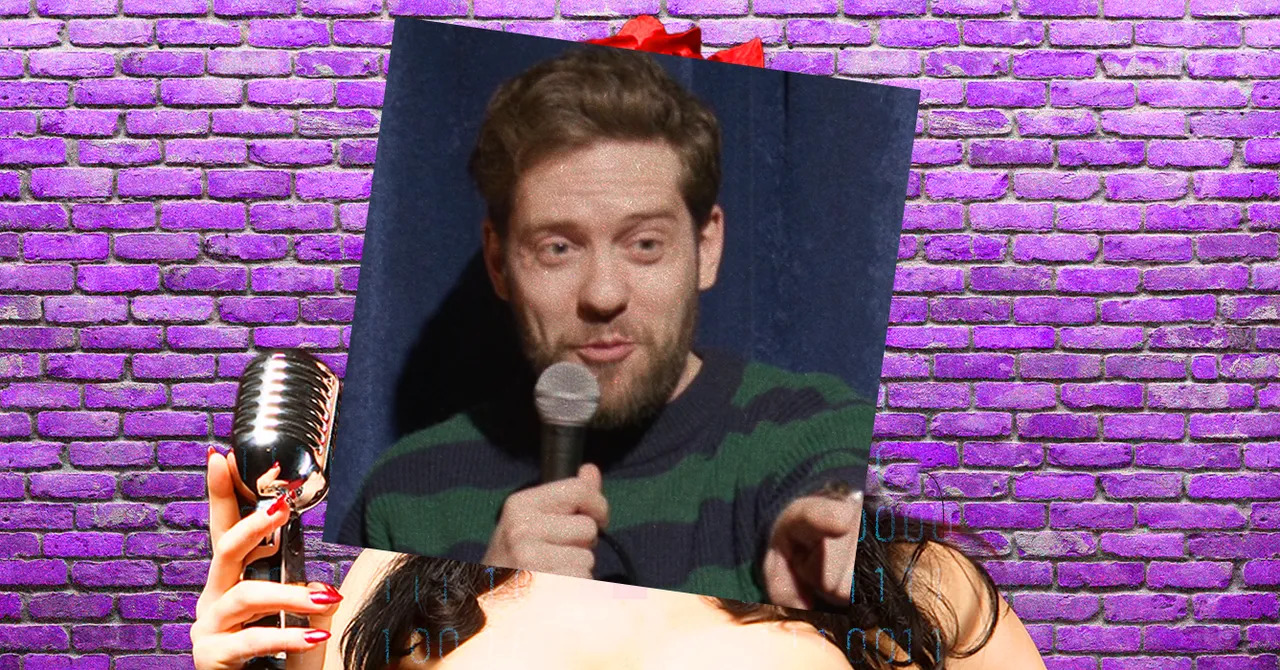
The latest wave of complaints began after comedian Julia Jasunas spotted a clip from her act reposted by a seemingly fake influencer named Aylen Skye, a blond “comic” whose account funneled viewers toward an NSFW subscription page. Jasunas is one of several comedians who say their jokes have been repackaged by AI-generated women with polished lighting, sexualized branding and audiences that often outsize the originals.
How the AI comedy clone problem spread
The pattern is simple but effective: take a stand-up bit that already performed well, recreate it with a synthetic woman who looks more glamorous than the original, and publish it to an audience hungry for attention-grabbing short-form video. In multiple cases documented by WIRED, the reposted versions were nearly identical to the source material, while the AI versions benefited from cleaner production and more provocative presentation.
Comedians say the result is not just theft, but a warped version of their own work. Their jokes are reintroduced through accounts that appear built to maximize engagement, monetize sexualization and blur the line between parody, impersonation and content farming.
What made Julia Jasunas notice
Jasunas said she was first alerted by another comic who recognized one of her jokes inside an Instagram clip from Aylen Skye. When she opened the video, she realized the routine had been lifted almost word for word, including the pauses, fillers and cadence that made the bit feel personal to her performance.
What unnerved her further was the context around the account. The profile promoted a website that led to Fanvue, an adult subscription service that brands itself as a creator monetization platform. Jasunas said the account did not look like a real comedian at all and seemed to be built around a synthetic, hypersexualized identity.
Jasunas said the experience felt violating because her material was not only copied, but folded into a sexualized persona designed to make money for someone else.
She also said Meta did not treat the report as a policy violation. According to her account, the company told her the post did not breach its rules because the fake comic was not directly pretending to be her, only using her joke. The account remains up, though some of its posts now carry AI labels.
Why comedians say Instagram is not stopping it
Instagram’s policies do prohibit impersonation, but comedians argue that the loophole is obvious: a synthetic account can copy a joke, mimic a performer’s visual style and siphon off attention without claiming to be the original person. That distinction, they say, gives platforms an easy way to avoid responsibility.
Meta also allows AI-generated content so long as it is labeled appropriately, which leaves enforcement dependent on inconsistent moderation and the platform’s willingness to draw a line between imitation and direct identity theft. For creators, that has created a frustrating gray area in which copied work can spread before anyone intervenes.
Several of the accounts identified in the reporting appear to follow one another, creating the impression of a coordinated network rather than isolated experiments. Their posts include stand-up routines, flirtatious interview clips styled like late-night television, and occasional jokes aimed at culture-war audiences.
How the content farm format works
The appeal of these accounts is that they combine multiple proven internet tactics at once: beauty, sex appeal, short-form comedy, and algorithm-friendly controversy. The women depicted in the videos are often presented as attractive aspiring performers, but the clips are optimized less for artistic credibility than for rapid engagement and monetization.
In practice, that means the original comic’s labor becomes raw material for a more clickable product. The AI persona gets the visual polish, the viral packaging and often the larger audience, while the stand-up writer receives little more than frustration and a muted platform response.
| Account | What it appeared to be | What it was accused of copying | Platform outcome |
|---|---|---|---|
| Aylen Skye | AI-generated comic/influencer | Julia Jasunas’ stand-up joke | Post remained up; some content labeled AI |
| Tiffany Sloane | AI-style actress/influencer | George Brett Olson’s stand-up bit | Several reels were removed after complaints |
| Other cloned accounts | Various synthetic “hot girl” personas | Multiple comics’ viral clips | Still active in identified cases |
Who is Tiffany Sloane and why did her posts spread?
Tiffany Sloane is one of the more prominent examples of the trend, with a large following across Instagram, TikTok and Facebook and a profile that presents her as an actress. In practice, the account functions like a highly optimized synthetic influencer page, mixing stand-up-style videos, horny-bait engagement and links to adult content.
According to reporting, Sloane amassed more than 375,000 Instagram followers after launching in August, and her page featured jokes and crowd-work clips that mirrored real comedians’ formats. A highlight link also pointed viewers toward an OnlyFans-style page, reinforcing the monetization funnel that critics say is central to the scam.
The account drew widespread attention when comedian George Brett Olson posted a side-by-side comparison showing that Sloane had copied one of his jokes almost exactly. He said the setup, backdrop and wardrobe were so similar that the only obvious distinction was the wording of the punch line.
Olson said he was stunned to see what he described as open theft happening in real time and was equally frustrated that his reports to Meta appeared to go nowhere.
After public pressure mounted, Sloane briefly commented on Olson’s post, apologized and said it would not happen again before deleting the video and many of the account’s reels. Even so, Olson said the larger problem was that the platform response came only after the issue went viral.
What makes these AI videos so hard to police?
They are difficult to police because they sit at the intersection of several weakly enforced categories: joke copying, synthetic media, visual impersonation and adult-content promotion. Each one alone can fall through moderation cracks; combined, they create a moving target for trust-and-safety teams.
Unlike a fake account that uses another person’s name and image outright, a synthetic comedian can appropriate a performance style, a joke structure or even a specific bit without necessarily triggering an obvious impersonation rule. That leaves comedians with limited tools unless the copied work is clearly copyrighted or the account crosses into direct identity fraud.
Meta’s own response, at least as relayed by creators and summarized in public comments from Instagram head Adam Mosseri, suggests the company is reluctant to ban AI content wholesale. Instead, the platform appears to favor identifying “wholesale” copying and improving traffic toward original creators, though the practical enforcement remains unclear.
How labeling rules can fail in practice
One problem is that labels do not stop the spread of copied content. Some of the accounts identified by WIRED were marked as AI-generated, but others were not, or were labeled inconsistently. Even when a post is flagged, it can still gain traction before moderation catches up.
For comedians, that lag matters. The point of viral stand-up clips is to generate visibility, followers and bookings quickly. If a synthetic account copies the joke first, it can capture the attention and the algorithmic boost that may have helped the original creator in the first place.
- Copied jokes can spread before the original comic notices.
- AI personas can be optimized for higher engagement than the source clip.
- Labels do not necessarily prevent monetization or audience growth.
- Platform rules often address impersonation, not style theft or performance copying.
Why is stand-up comedy especially vulnerable?
Stand-up comedy is uniquely exposed because jokes often live in a legal and cultural gray zone. Unlike a movie script or song recording, a routine may depend on timing, delivery and live performance, making ownership harder to define and enforce.
That ambiguity has long made plagiarism allegations common in comedy circles. Comedians watch one another closely, partly because there is little formal protection and partly because jokes are easy to lift, modify or recycle with just enough variation to complicate enforcement.
Legal experts have also noted that many joke disputes never become lawsuits. The economics often do not justify the cost of litigation, especially when the material at issue does not generate major direct revenue on its own. That reality makes the current wave of AI copying even more unsettling for performers who lack leverage.
What the law does and does not cover
Copyright law protects expression, but stand-up jokes can be difficult to pin down when they are brief, widely reused or delivered in highly similar formats. A punch line can be original in context while still borrowing structure from a long tradition of comedy setup and release.
That means comedians may be able to complain publicly, pressure platforms or seek private legal advice, but they often face a steep climb if they want to force takedowns or recover damages. If the account is generating money through adult subscriptions rather than direct joke licensing, the practical incentive to litigate becomes even murkier.
What do tech insiders think about the AI personas?
Not everyone sees the accounts as a problem. Some in the venture and tech world have treated them as clever marketing experiments rather than intellectual property theft, which underscores the cultural divide shaping the debate around synthetic creators.
One venture-capital figure, Andreessen Horowitz partner Justine Moore, publicly praised one of the AI personas as an effective marketing tactic. To critics, that reaction is proof that a segment of the industry views content exploitation as a feature, not a bug, when the growth numbers look strong.
That attitude leaves the affected comics skeptical that the broader AI ecosystem will prioritize creative rights. Their fear is not only that their material will be copied, but that audiences and investors will reward the copycat if it performs well enough.
Timeline of the controversy
The dispute has unfolded quickly, moving from private DMs to public callouts and then to a broader conversation about platform accountability. The speed reflects both the pace of AI content production and the speed at which viral clips can be cloned and re-uploaded.
| Date/Period | Development | Why it mattered |
|---|---|---|
| June | Comedians begin documenting AI accounts copying stand-up clips | Shows the problem predates the latest viral examples |
| August | Tiffany Sloane account launches | Gains a large audience with synthetic influencer content |
| October 3 | George Brett Olson posts side-by-side evidence of copying | Brings the issue into public view |
| Last week | Julia Jasunas discovers her joke in Aylen Skye’s video | Highlights the broader pattern of joke appropriation |
| After complaints | Some content is removed, some remains up with AI labels | Shows platform enforcement is inconsistent |
What happens next for creators?
For now, many comedians are relying on public exposure to force action. They are screenshotting copies, posting side-by-side comparisons and encouraging followers to report the offending accounts in hopes that visibility will do what policy has not.
But the larger issue is unlikely to go away on its own. As AI-generated video tools become better at producing convincing humans, the cost of imitation drops and the number of opportunistic accounts may rise. That means the current complaints may be an early warning of a much broader problem across social platforms.
Creators are increasingly asking whether platforms will update moderation systems to account for synthetic identity and creative theft rather than waiting for direct impersonation or clear copyright violations. Without stronger rules, they say, the most algorithmically effective version of a joke may no longer belong to the person who wrote it.
How this could reshape creator protections
The broader stakes go beyond comedy. If an AI persona can copy a viral routine, wrap it in a sexualized image and earn a bigger audience, the same model could be used to strip mine creators in other fields, from beauty and fitness to education and political commentary.
That is why some comedians see the trend as an early test case for the creator economy’s next conflict. The central question is not simply who owns a joke, but whether platforms will treat synthetic accounts as legitimate creators when their growth depends on other people’s labor.
Olson captured the emotional core of the dispute when he framed it as a question about whether artists still matter. His fear, shared by others in the reporting, is that thousands of viewers may prefer the synthetic version because it looks polished, acts flirty and arrives packaged for easy consumption.
If that is the direction the platforms and audiences choose, comedians warn, the damage will not be limited to stolen jokes. It will also signal that the labor behind the joke is disposable, and that AI-generated charisma can outrun human authorship without consequence.
Frequently asked questions
What is happening with AI-generated Instagram accounts and comedians?
AI-generated Instagram accounts are copying stand-up comedians’ jokes and reposting them through synthetic “hot girl” personas. The clips often gain larger audiences than the originals and are used to drive traffic to adult-content or subscription pages.
Why are comedians upset about these AI accounts?
Comedians say the accounts are stealing their material, profiting from it and packaging it inside sexualized fake personas. They also argue that platforms like Instagram are not responding strongly enough when the copied content is reported.
Can comedians legally stop joke theft on social media?
Not easily. Stand-up jokes often receive limited copyright protection, and many disputes are hard to litigate because the material may be brief, widely reused or not worth the cost of a lawsuit.
How does Meta handle AI-generated copies of comedy clips?
Meta appears to allow AI content if it is labeled, but comedians say that does not stop copied jokes from spreading. In the cases reported, some posts stayed up even after complaints, while others were later removed.
Why are these AI accounts successful?
They combine proven engagement tactics: attractive synthetic characters, polished production, short-form comedy and adult-themed attention hooks. That mix helps them attract followers and outperform some original clips in the algorithm.