In short
OpenAI will start showing ads in ChatGPT’s free and Go tiers in India, beginning with 50 brands and an ad manager for marketers. The move is part of a broader push to monetize ChatGPT as OpenAI expands revenue ahead of a possible IPO.
- OpenAI is bringing ads to ChatGPT’s Free and Go tiers in India.
- The initial rollout includes 50 brands and support from WPP and Omnicom.
- OpenAI will launch an ad manager next month with a ₹725 daily budget minimum.
- India is a key market for ChatGPT, with more than 100 million weekly active users.
- The move reflects OpenAI’s broader push to diversify revenue ahead of a possible IPO.
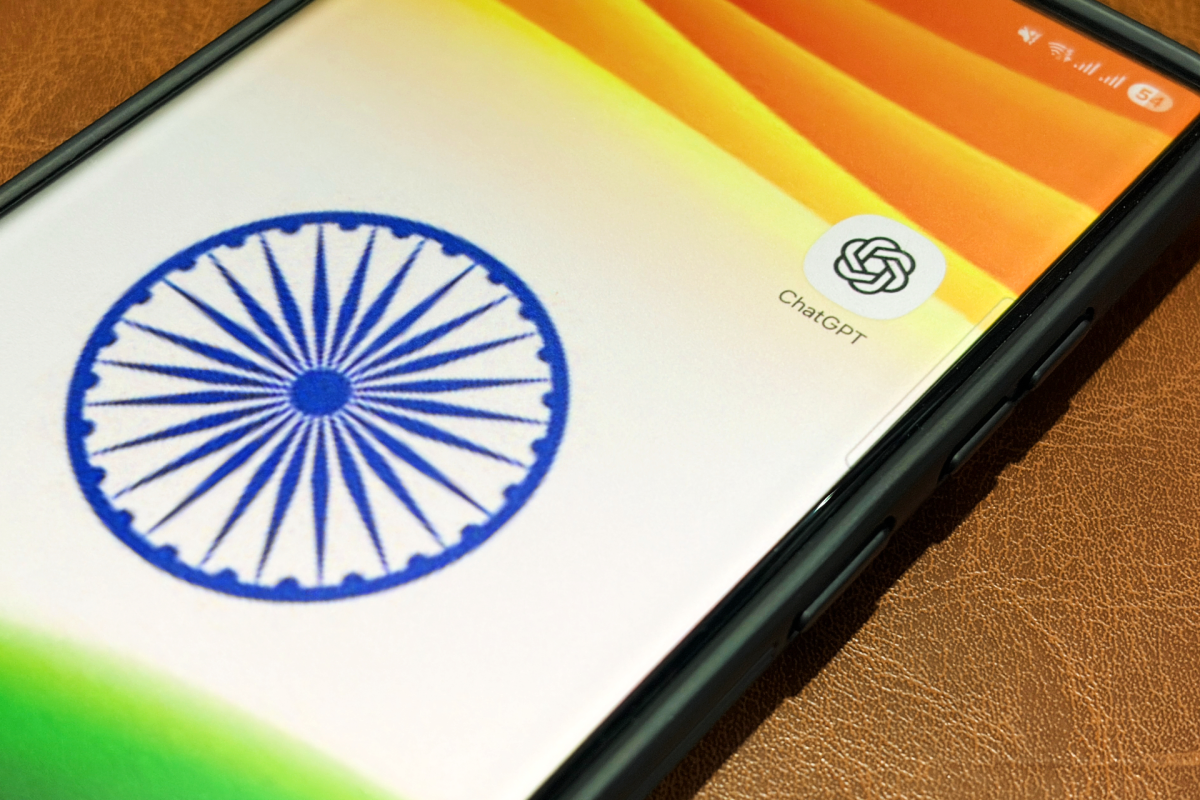
OpenAI is starting to place advertisements inside ChatGPT for free and low-cost users in India, a major expansion that signals how quickly the company is moving to monetize its chatbot as it prepares for a possible public listing. The rollout begins with a limited set of brands and comes as India has become one of ChatGPT’s largest user markets.
The company says ads will initially appear to users on the Free and Go tiers in India, where OpenAI reported more than 100 million weekly active ChatGPT users earlier this year. The move follows a recent update to ChatGPT’s terms of service that indicated ads could appear while people use the assistant.
For OpenAI, the decision is more than a product tweak. It is a fresh attempt to turn massive engagement into dependable revenue at a time when the company is spending heavily on infrastructure, talent and product expansion. India is also a strategic testing ground: a huge audience, a large base of price-sensitive users and a market where OpenAI has spent the past year trying to build habits around its paid plans.
What exactly is changing in ChatGPT?
OpenAI is introducing advertising into ChatGPT’s Free and Go tiers in India, beginning with promotions from 50 brands. The company says the first wave is being delivered with support from WPP and Omnicom, two of the world’s largest advertising groups.
In parallel, OpenAI plans to launch an ad manager next month. That tool will allow marketers to build and manage campaigns, but only if they meet a daily minimum spend of ₹725, or about $7.60. The threshold suggests OpenAI is aiming first at brands and advertisers that already have enough budget to experiment with conversational placements at scale.
The company has described the format as an opportunity to reach consumers during “high-context moments,” when users are already asking questions, comparing options or narrowing down decisions. In other words, OpenAI is framing the ads as a native layer inside the product rather than as a traditional banner or display unit.
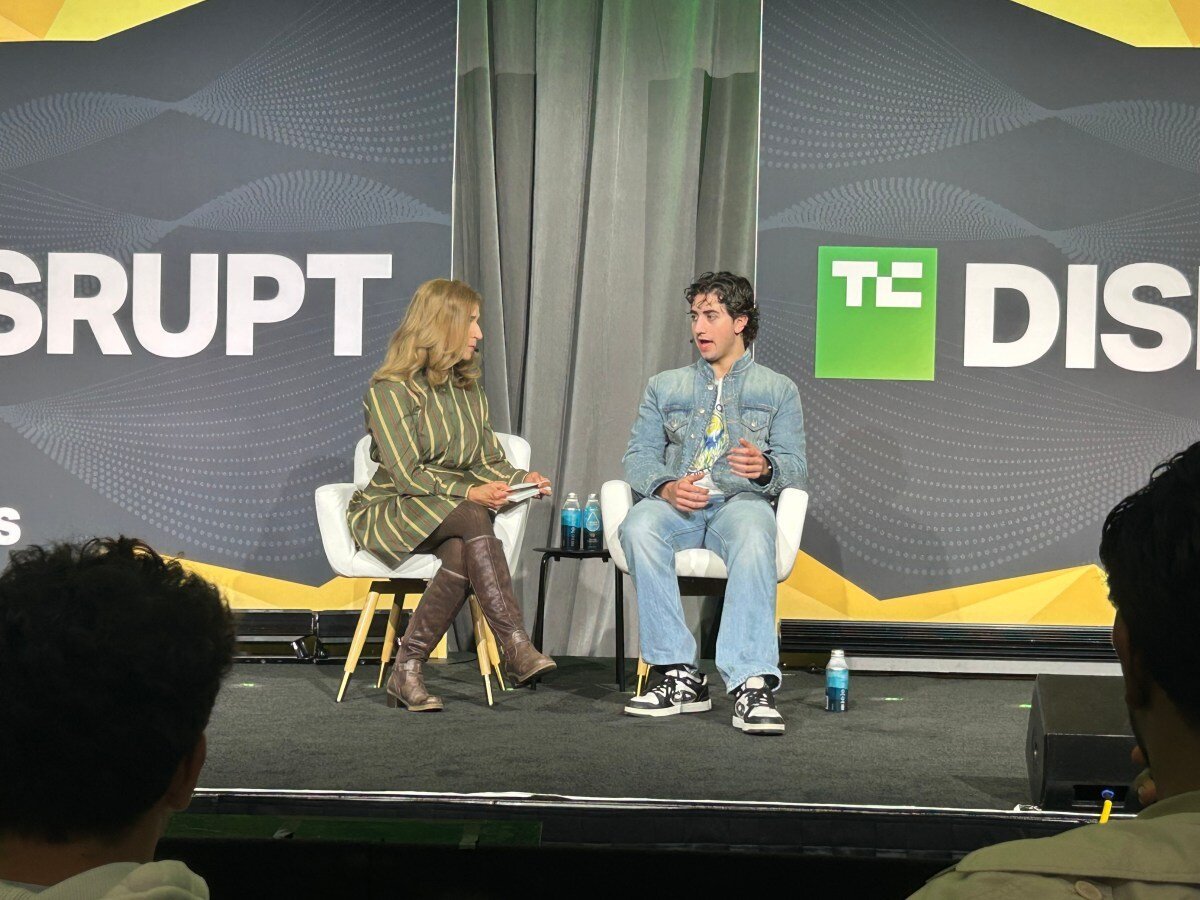
Dave Dugan, who leads global ads solutions at OpenAI, said the company wants businesses of all sizes to show up when customers are just starting to make decisions.
Why India matters so much to OpenAI
India is one of the most important markets for ChatGPT, both because of its scale and because of how users there have adopted the service across multiple price points. OpenAI said in February that India had crossed 100 million weekly active users, a figure that places the country among the company’s most significant consumer markets.
A large share of those users are on free access or on Go, OpenAI’s lower-priced plan. That matters because free and budget subscribers are the most obvious audience for ads, especially when the company is trying to grow revenue without immediately pushing everyone into premium tiers.
OpenAI has already spent months building its brand in India. It introduced ChatGPT Go in August 2025 at a price below $5, then ran a limited promotion that made the plan free for a full year. The company also advertised aggressively around marquee cricket events, including the Women’s Premier League and the Indian Premier League, two competitions that deliver massive national audiences and unusually broad consumer reach.
More recently, OpenAI hired Uber’s India chief to help lead expansion efforts in the country, underlining how central India has become to its international strategy. The ad launch suggests the company is now trying to convert that reach into a more predictable business model.
How big is the opportunity?
It is large enough to matter globally. India’s user base gives OpenAI a high-volume environment to test ad products, pricing, and advertiser interest before rolling them out more broadly. If the format performs well there, the company could use the lessons to shape future monetization in other price-sensitive markets.
India also offers a mix of consumer categories that advertisers care about: phones, fintech, e-commerce, education, travel and entertainment. If OpenAI can prove that ads inside a conversational interface drive measurable intent, the company may be able to command premium pricing later.
| Key OpenAI ad rollout details | What is known |
|---|---|
| Market | India |
| ChatGPT tiers affected | Free and Go |
| Initial brand count | 50 brands |
| Agency partners | WPP and Omnicom |
| Ad manager minimum daily budget | ₹725 ($7.60) |
| Reported weekly active users in India | More than 100 million |
How does this fit into OpenAI’s wider ad strategy?
OpenAI is no longer treating advertising as a side experiment. It has been gradually widening the program across regions, starting in the United States in February and then expanding into Europe earlier this month. India is the latest and perhaps most important stage of that expansion because of the size of the user base and the company’s direct efforts to win market share there.
The timing also lines up with OpenAI’s broader need to diversify revenue. The company has long relied on subscriptions and enterprise offerings, but its costs remain enormous as it scales models, cloud usage and consumer products. Advertising offers a way to monetize the large audience that uses ChatGPT without requiring every user to subscribe.
That shift is especially relevant for a product like ChatGPT, which has become a daily utility for many people. A chatbot with millions of recurring users can potentially become an attractive ad surface if OpenAI can keep the experience useful and avoid making the interface feel intrusive.
What makes chatbot ads different?
Chatbot ads are different because they are supposed to sit inside a dialogue, not beside it. That creates both opportunity and risk. On the one hand, the ad can be more context-aware and better matched to what a person is asking. On the other hand, users may be more sensitive to any hint that responses are being influenced by paid placement.
OpenAI appears to be leaning into the idea that ads can be relevant if they arrive at the right moment. The company’s language suggests it wants marketers to view ChatGPT as a high-intent environment, similar in some ways to search, but with a more conversational and potentially more persuasive format.
Still, the success of the model will depend on trust. If users feel the assistant is being turned into a sales channel, they may respond negatively. That risk is one reason many AI companies have been cautious about ad-supported product design.
Why is OpenAI acting now?
OpenAI appears to be accelerating monetization as it approaches what could be a major corporate inflection point. Reports have suggested the company is preparing for a potential IPO, possibly this year or next. Whether or not that timeline holds, the message is clear: OpenAI wants to show it can grow revenue quickly and sustainably.
The pressure is easy to see in the numbers cited by outside reporting. The Wall Street Journal reported that OpenAI generated $6.7 billion in revenue in the second quarter ending June 2026, up from $5.7 billion in the prior quarter. That growth is strong, but it also underscores how much the company must keep scaling to justify its ambitions.
Earlier reporting from The Information said OpenAI has set a long-term target of 220 million paying subscribers by 2030. At the time of that report, the company had 35 million users on its Plus and Pro plans. That gap helps explain why ads are becoming increasingly important: even a massive user base can be difficult to fully monetize through subscriptions alone.
OpenAI’s internal message, based on the moves it has made so far, is that it wants multiple revenue engines rather than depending on one pricing model.
How has OpenAI built its India business so far?
OpenAI has used a mix of pricing, promotions and marketing to build momentum in India. The launch of ChatGPT Go gave the company a lower-cost entry point for users who wanted more than the free tier but were not ready for higher-priced plans.
The subsequent free-year promotion for Go was especially aggressive. It likely helped OpenAI deepen engagement, train more users to move beyond the free version and create a larger audience for future monetization. Advertising now appears to be the next step in that playbook.
- August 2025: ChatGPT Go launched at under $5 per month.
- Later in 2025: OpenAI offered a limited promotion making Go free for a year.
- Early 2026: ChatGPT ads began in the U.S.
- Earlier this month: Ads expanded to Europe.
- August 2026: Ads announced for Free and Go users in India.
What does the ad rollout mean for users?
For most Indian users on the free and Go plans, the immediate change will likely be the appearance of sponsored content within or around the ChatGPT experience. OpenAI has not publicly detailed the exact ad format for India, but the company’s positioning indicates that the placements will be tied to user intent and conversation context.
That means the practical user experience could vary depending on the type of query. Someone asking about travel, finance, software tools or consumer products may see different sponsored messages than someone using ChatGPT for coding or writing support. The company will likely be trying to preserve the core utility of the assistant while introducing commercial content in a way that feels relevant rather than disruptive.
For paying users on higher-tier plans, there is no indication from the company’s announcement that ads are coming soon. For now, the move is aimed squarely at the free and entry-level audience in one of OpenAI’s largest markets.
How might competitors respond?
OpenAI’s move will be watched closely by rivals across the AI industry. Many companies have been exploring how to fund large-scale chatbot services, but few have taken such a visible step into consumer advertising inside a general-purpose assistant.
If the India experiment succeeds, competitors may feel pressure to follow with their own ad-supported products or to emphasize subscription-only experiences as a differentiator. If it fails or creates backlash, it could reinforce the idea that conversational AI works best as a paid, ad-free utility.
There is also a broader industry question here: whether AI assistants should evolve into discovery engines that help users choose products and services, or remain neutral tools focused on answers and tasks. OpenAI’s test in India will offer one of the clearest signals yet.
What should advertisers expect?
Advertisers should expect an early-stage platform that is trying to translate conversational engagement into measurable campaign performance. OpenAI’s minimum daily budget requirement suggests that the company wants serious advertisers who can experiment, learn and scale if the results justify it.
At least initially, brands may be drawn by the novelty of the channel as much as by the targeting potential. But if OpenAI can show that ad placements in ChatGPT lead to meaningful user actions, it could become a valuable addition to digital marketing mixes already dominated by search, social and retail media.
Some of the likely early categories include consumer electronics, online services, education, financial products and apps aimed at India’s mobile-first audience. The involvement of WPP and Omnicom suggests OpenAI is building a more traditional agency-driven selling motion rather than trying to rely only on self-serve demand from small businesses.
What happens next?
The most immediate milestone is the launch of the ad manager next month. That will reveal how OpenAI wants marketers to buy, manage and measure campaigns inside ChatGPT. It will also show whether the company is planning a broad platform business or a narrower premium-advertising offering focused on larger brands.
Beyond that, investors, advertisers and users will be looking for three things: whether ads affect the quality of ChatGPT responses, whether users tolerate them, and whether they materially improve OpenAI’s revenue trajectory.
If OpenAI can answer yes to the last question without losing trust on the first two, the India rollout may become the blueprint for a much larger business. If not, it could become a cautionary tale about how hard it is to insert advertising into a product built around usefulness and conversation.
Timeline of OpenAI’s ad and monetization push
| Date | Event | Why it matters |
|---|---|---|
| August 2025 | Launch of ChatGPT Go in India | Created a lower-cost paid tier for a price-sensitive market |
| Late 2025 | Limited promotion made Go free for one year | Helped accelerate adoption and usage habits |
| February 2026 | Ads introduced for U.S. users | Marked OpenAI’s first major move into consumer advertising |
| Earlier August 2026 | Ads expanded to Europe | Extended the model beyond the U.S. market |
| August 27, 2026 | Ads announced for India | Targets one of OpenAI’s biggest user bases |
Bottom line
OpenAI’s decision to bring ads to ChatGPT’s Free and Go tiers in India marks a significant shift from growth-first product expansion to more aggressive monetization. With more than 100 million weekly active users in the country, India gives the company both a huge audience and a practical laboratory for testing whether conversational ads can work at scale.
As OpenAI edges toward a possible IPO and tries to broaden its revenue streams, the India launch may be remembered as an important moment: the point at which ChatGPT started to look not just like a breakout AI product, but like a commercial media platform as well.
Frequently asked questions
When will ChatGPT ads start appearing in India?
ChatGPT ads are being introduced now for users on the Free and Go tiers in India, with the rollout starting alongside OpenAI’s announcement. OpenAI also said it will launch an ad manager next month for marketers who want to run campaigns.
Which ChatGPT users in India will see ads?
Ads will appear for users on ChatGPT’s Free and Go subscription tiers in India. OpenAI has not said that higher-tier paying users will be affected, so the initial focus is on free and lower-cost accounts.
Why is OpenAI showing ads in ChatGPT?
OpenAI is showing ads to create a new revenue stream and monetize the enormous audience using ChatGPT, especially in markets with many free or low-cost users. The company is also preparing for possible public-market scrutiny and wants stronger, more diversified earnings.
How many brands are part of the initial rollout?
OpenAI said the first phase will feature ads from 50 brands. The company is working with WPP and Omnicom on the rollout, suggesting it is starting with a managed, agency-driven approach rather than a fully open marketplace.
What is the minimum budget for OpenAI’s new ad manager?
The minimum daily budget is ₹725, which is about $7.60. That requirement means the tool is aimed at advertisers that can commit to ongoing spending and want to test ChatGPT as a commercial channel.