Updated September 24, 2026 10:23 pm
In short
TechCrunch’s Founder Summit returns to Boston on Nov. 4 with a deeper lineup on fundraising, AI-native building and leadership, plus new breakout networking, side events and updated ticketing options.
- TechCrunch Founder Summit takes place November 4, 2026, at SoWa Power Station in Boston.
- The agenda focuses on fundraising, AI-first company building, hiring and founder leadership.
- The event was formerly called Early Stage and All Stage.
- Ticket pricing starts at $199 for founders and $399 for investors, with student pricing and discounts available.
- TechCrunch is also offering volunteer spots and a week of side events around the main conference.
Update — September 24, 2026 10:23 pm
TechCrunch says the Boston summit now includes breakout sessions and networking through the Braindate app, adding smaller, more interactive ways for attendees to connect beyond the main stage talks.
The company also added that Founder Summit week runs November 1-7 and will feature side events, with organizers inviting attendees to apply to host their own.
Ticketing details were also updated: current prices are $399 for investors, $199 for founders and $149 for students, with discounts for second tickets and groups, plus a volunteer option for free access.
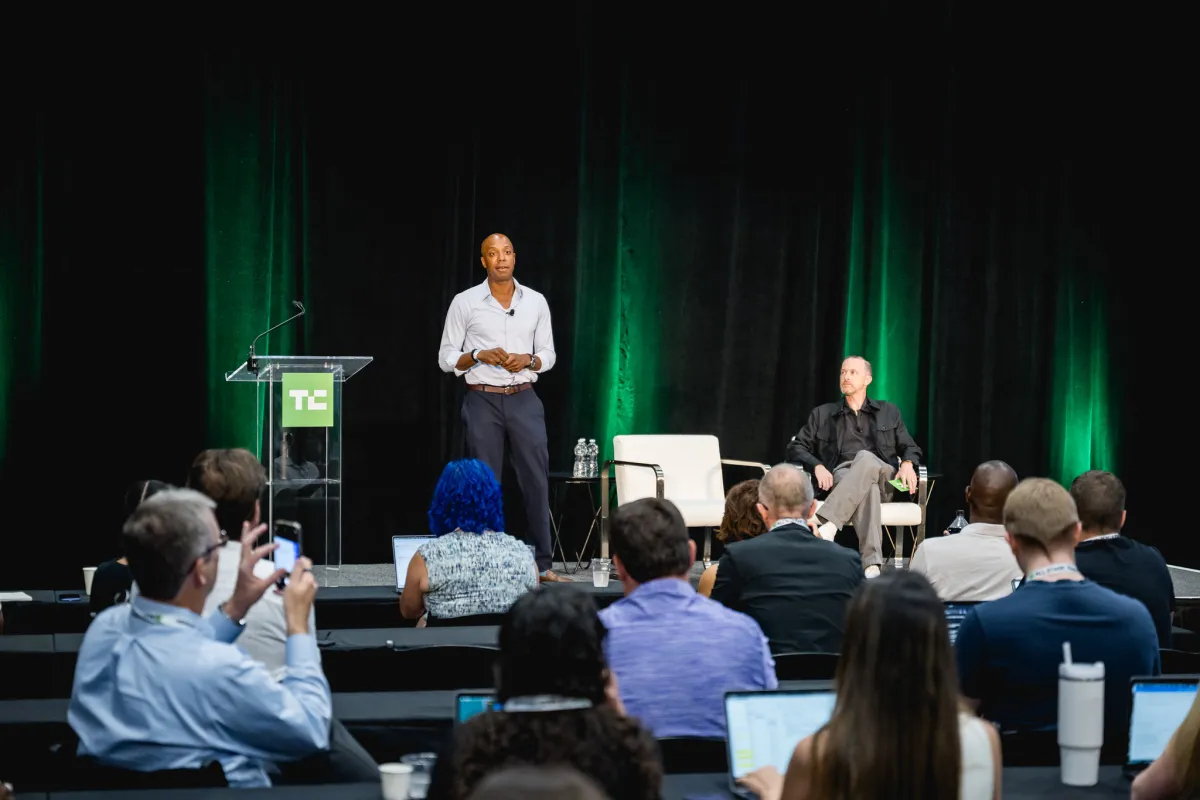
TechCrunch’s Founder Summit will return on November 4, 2026, in Boston, bringing founders, investors and operators together for a one-day event focused on the practical challenges of building and scaling a company. The gathering matters because it is designed as a more intimate, hands-on alternative to larger tech conferences, with sessions centered on fundraising, hiring, AI-native startups and founder leadership.
The event, hosted at the SoWa Power Station, is the latest edition of TechCrunch’s founder-focused programming and comes with expanded networking, breakout sessions and a week of side events surrounding the main conference. For startups trying to navigate a tougher financing environment and a fast-changing AI landscape, the summit is positioned as a tactical reset before the 2027 planning cycle begins.
What TechCrunch Founder Summit is trying to do
TechCrunch is pitching Founder Summit as a concentrated working session for people who are in the middle of building companies, not a broad expo for casual attendees. The emphasis is on solving day-to-day startup problems: how to raise capital efficiently, how to hire early and well, how to decide whether a company is truly differentiated, and how to lead through successive stages of growth.
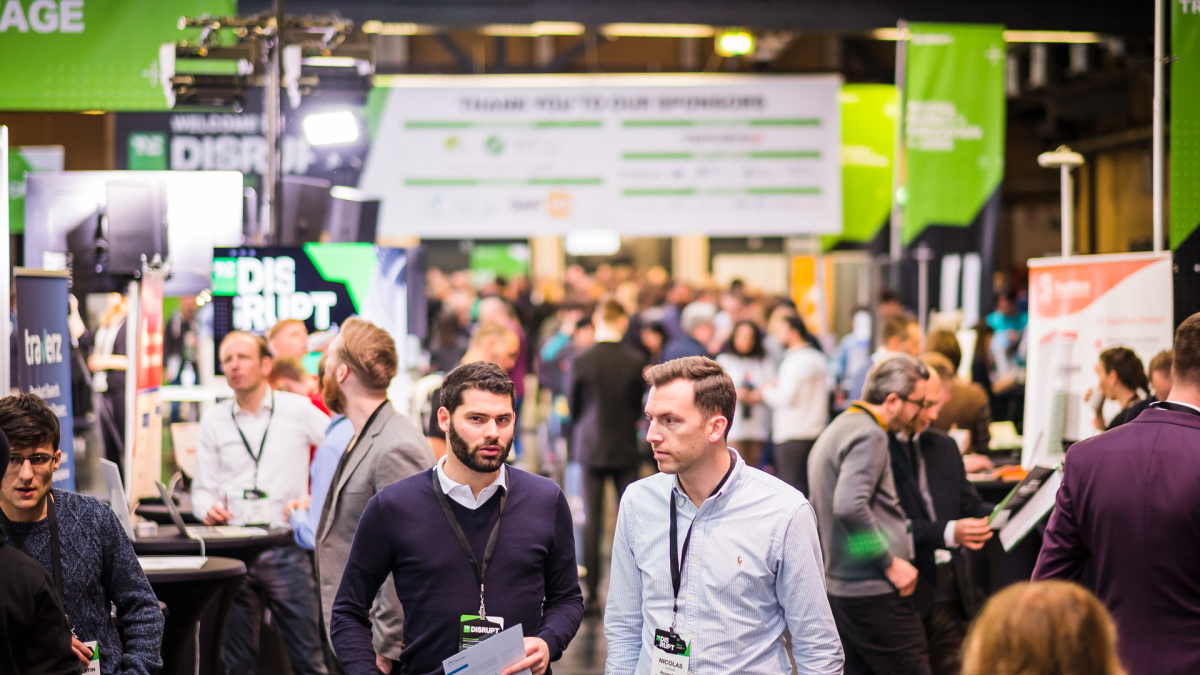
Unlike a major showcase conference, the summit is built around smaller sessions and deeper interaction. That format is meant to help founders compare notes with peers and hear directly from people who have already lived through the high-pressure decisions that define startup outcomes.
When and where is the summit taking place?
The event is scheduled for Wednesday, November 4, 2026, at the SoWa Power Station in Boston. TechCrunch says the venue is accessible by public transit, including connections near Back Bay and Tufts Medical Center on the Orange Line and Broadway on the Red Line.
Boston is an important detail here. While Silicon Valley remains the symbolic center of startup culture, TechCrunch is highlighting a founder community that is increasingly national in scope. Hosting the summit in Boston also reflects the city’s deep venture, university and healthcare networks, which have long supported startup formation outside the Bay Area.
Who the event is for
The summit is aimed at founders at every stage, from first-time entrepreneurs to operators already scaling companies with meaningful revenue and headcount. It also targets investors who need sharper frameworks for evaluating companies and supporting portfolio founders.
TechCrunch’s framing suggests the event is especially relevant for people who want actionable advice rather than broad trend commentary. Founders are expected to come away with guidance on capital strategy, leadership transitions, hiring judgment and product-market fit.
TechCrunch says the summit is designed to help founders work through the hardest mechanics of company-building with people who have already handled those problems in real life.
Why the event has been renamed
The conference now carries the Founder Summit name, but the underlying mission is not new. It was previously known as Early Stage and All Stage, a signal that the event has evolved more as a brand and format than as a wholesale change in purpose.
The new name is easier to understand at a glance. It also more directly signals the audience TechCrunch wants to attract: founders, not just general startup watchers. That kind of clarity matters in a crowded events market, where differentiation often depends on whether attendees immediately recognize the value proposition.
What’s on the agenda?
This year’s agenda leans heavily into three broad themes: fundraising, building AI-first companies and leadership through growth. The speaker list includes venture capitalists, startup founders and experienced operators, with sessions built around specific decisions founders face rather than abstract inspiration.
Several talks are designed to answer practical questions: how investors think right now, how founders lose leverage without realizing it, what changes when AI is embedded into the core of a company and how hiring decisions shape culture before a company has fully matured.
| Session | Speaker | Why it matters |
|---|---|---|
| The New Rules of Raising Capital | Brian Devaney, partner at Underscore | Explores how investors evaluate startups and where founders lose negotiating power. |
| The CEO Job Never Gets Easier | Brian Halligan, HubSpot co-founder and Sequoia partner | Looks at how the CEO role changes as a company grows. |
| Built for AI From Day One | Lior Div, co-founder and CEO of 7AI | Focuses on building a company with AI as the foundation rather than an add-on. |
| Not Every Dollar Is Equal | Vineet Edupuganti, co-founder and CEO of Cogent Security | Examines investor quality, cap-table decisions and valuation trade-offs. |
| How to Spot the ‘King of the Hill’ Company | Tina Tosukhowong, investment director at TDK Ventures | Offers a framework for assessing scale, timing and business economics. |
| Your Company Is Who You Hire | Melissa Taunton, partner at NEA | Highlights how early hiring influences execution and culture. |
| The Boston Founder Playbook | Chase Garbarino, co-founder and CEO of HqO | Shares lessons on scaling a major company outside Silicon Valley. |
| Finding Product Market Fit Before You Scale | Kent Bennett, partner at Bessemer Venture Partners | Explains how to validate demand before adding more complexity. |
Why fundraising remains the dominant theme
Raising capital remains one of the most consequential tasks for any startup, and the summit reflects that reality. Multiple sessions are dedicated to funding strategy, investor fit and the hidden consequences of accepting the wrong terms too early.
That emphasis is especially relevant in a market where founders are often told to grow efficiently, defend valuation and prove product traction sooner. The agenda suggests that success is no longer just about getting a term sheet; it is about choosing the right capital partner and understanding the long-term cost of each financing decision.
How AI changes startup building
AI is not being treated as a side topic at the summit. Instead, TechCrunch has placed it near the center of the program, reflecting how quickly founders are rethinking product design, hiring, infrastructure and defensibility in response to AI tools and models.
One of the featured sessions asks what changes when a company is built with AI at its core from day one. That question matters because “AI-native” companies often face a different set of expectations than traditional software startups. Investors, customers and competitors are now asking whether AI is creating a true moat or merely a thin layer on top of existing workflows.
How the event extends beyond panels
TechCrunch says Founder Summit will include more than stage sessions. Attendees will also have access to breakout conversations, which are meant to be smaller and more focused than the main program.
Networking is another core part of the experience. The event will use the Braindate app to help attendees connect, whether that means founders meeting investors, peers comparing notes on similar problems or students beginning to build their professional networks.
There will also be a Founder Summit week from November 1 through November 7, during which side events will take place across the city. TechCrunch says people can even apply to host their own side event, broadening the number of opportunities to meet and collaborate.
How much do tickets cost?
Ticket prices are being offered in tiers, with the next increase set for after October 16. The current pricing structure is designed to make the event accessible to different audiences while still rewarding early buyers and group registration.
- Investor ticket: $399
- Founder ticket: $199
- Student ticket: $149
- Second ticket for a co-founder or co-worker: 50% off
- Group bundles: Discounts available for four or more attendees
TechCrunch also says founders and investors can receive a $200 discount through selected offers, though that pricing is time-sensitive. The company is encouraging early registration before the current discount window closes.
Is there a free way to attend?
Yes. TechCrunch is recruiting volunteers to help run the event, and volunteers receive free access to programming outside their assigned shift. That arrangement gives attendees a low-cost way to participate while also offering a behind-the-scenes look at how a major industry event is produced.
The volunteer application window closes on October 19, making it a limited opportunity for students, aspiring operators and others who want to attend without paying full ticket prices.
What this event signals about the startup market
Founder Summit’s structure says as much about the current startup environment as it does about TechCrunch’s programming strategy. Founders are entering a period where capital efficiency, AI integration and operational discipline matter more than hype. A conference focused on those issues is a sign that startup culture is still highly social, but more pragmatic than it was during earlier boom cycles.
Several session topics point to persistent pain points in the market. Founders still need help evaluating investors, building teams, choosing the right growth timing and deciding whether to scale before they have real product-market fit. In a more selective funding climate, those questions carry even more weight.
At the same time, the prominence of AI-related content shows that founders are expected to adapt quickly to new technical expectations. Even companies that are not explicitly AI products are under pressure to explain how the technology affects their roadmap, operations or market position.
Why Boston matters for a founder event
Boston is a fitting location for a summit built around founders and venture investors. The city combines deep academic talent, a strong healthcare and biotech ecosystem and an established presence of venture-backed software companies. That makes it a useful backdrop for conversations about category creation, capital and scaling.
It also underscores an ongoing shift in startup geography. While San Francisco and New York remain dominant, founders increasingly build across multiple hubs. A Boston event with national reach reinforces the idea that high-quality startup networks are no longer confined to one coastal corridor.
What founders can expect to learn
Founders attending the summit are likely to leave with practical frameworks rather than sweeping predictions. The sessions are built around questions such as:
- How do you raise capital without giving away too much leverage?
- What changes in the CEO role as a company matures?
- How do you build an AI-first business from the start?
- Which investors add value beyond their check size?
- How do you hire early enough, but not too quickly?
- When is a startup actually ready to scale?
That list reflects the practical reality of startup building. The event is not framed as a place to discover a single breakthrough insight. Instead, it is designed to help founders make better decisions across several fronts at once.
How Founder Summit fits into TechCrunch’s event strategy
Founder Summit sits within TechCrunch’s broader events portfolio as a more focused alternative to Disrupt. TechCrunch points attendees seeking larger speaker lineups and broader industry exposure toward Disrupt, while directing founders who want tactical discussion to the summit.
That distinction is strategically important. It lets TechCrunch serve both the broad tech audience and the more narrowly defined founder audience without forcing one event to do everything. In practice, that means the company can offer a large-scale flagship conference and a smaller, utility-driven summit that speaks directly to startup builders.
The result is a more segmented event approach that mirrors the startup world itself: different stages, different needs, different conversations.
What to watch next
As the November 4 date approaches, founders and investors will likely pay close attention to final speaker updates, side event announcements and any added networking opportunities. Ticket pricing will also move after October 16, creating a clear incentive for early registration.
For attendees deciding whether to go, the central question is simple: do they want a broad tech conference, or a day specifically built to help them make better startup decisions? TechCrunch is betting that many founders will choose the latter.
And with AI, fundraising and leadership all colliding in the same agenda, the event is shaping up to be a timely snapshot of what startup operators are struggling with right now.
Frequently asked questions
When is TechCrunch Founder Summit 2026?
TechCrunch Founder Summit 2026 is on Wednesday, November 4, 2026. The event runs for a single day in Boston, with additional side events scheduled during Founder Summit week from November 1 through November 7.
Where is Founder Summit being held?
Founder Summit is being held at the SoWa Power Station in Boston. TechCrunch says the venue is reachable by public transit, including nearby Orange Line and Red Line stops, making it accessible for local and traveling attendees.
Who should attend Founder Summit?
Founder Summit is aimed at founders at every stage, plus investors and operators who want practical startup advice. It is especially relevant for people focused on fundraising, hiring, AI-native building and learning how to scale responsibly.
How much are Founder Summit tickets?
Founder Summit tickets currently start at $199 for founders, $399 for investors and $149 for students. TechCrunch says prices will increase after October 16, and group and co-attendee discounts are also available.
Was Founder Summit always called that?
No, Founder Summit was previously known as Early Stage and All Stage. TechCrunch says the name has changed, but the event’s mission remains the same: helping founders and investors work through the practical challenges of building companies.