In short
Trump said U.S. companies could face a “tremendous tax” if they build AI data centers outside the United States. The remarks, reported by The Verge, BusinessLine and Hindustan Times, signal a push to keep AI infrastructure onshore, though no policy details have been released.
- Trump threatened a “tremendous tax” on U.S. companies that build AI data centers abroad.
- The Verge, BusinessLine and Hindustan Times all reported the core warning, though they emphasized different details.
- No policy specifics were provided, and Trump said he had not discussed the idea with his staff.
- The move fits Trump’s broader push to bring strategic technology capacity back to the United States.
President Donald Trump said on Friday that U.S. companies could face a “tremendous tax” if they build AI data centers outside the United States, a threat that signals a new push to keep artificial intelligence infrastructure onshore as local opposition and siting constraints increasingly complicate expansion plans.
The remarks, reported by The Verge, BusinessLine and Hindustan Times, came after Trump’s Asia trip and following a press conference in which he also referenced meetings with Xi Jinping and Vladimir Putin. The proposal was not accompanied by policy details, and Trump said he had not yet discussed it with his staff.
What Trump said
Trump’s comments were unusually direct: he said U.S. firms would not be allowed to build data centers outside the country and warned, in The Verge’s account, that he would put “a tremendous tax” on companies that do. He framed offshore data-center construction as harmful in the same broad way he has previously described the offshoring of chip manufacturing and other strategic industries.
According to The Verge, Trump also suggested he was floating the idea as a new kind of public policy language rather than announcing a fully formed plan. That uncertainty matters. No tax rate was offered, no enforcement mechanism was described, and there was no indication in the fact sheet that the administration had drafted legislation or regulatory text.
“We’re going to put a tremendous tax on them.”
He added, in another line reported by The Verge, “We’re not going to allow our companies to build data centers outside of our country.”
How did the three outlets frame the remarks?
All three outlets agreed on the basic thrust: Trump is threatening to penalize American companies that locate AI data centers overseas. The differences were mostly in emphasis.
- The Verge focused on Trump’s framing that U.S. firms would not be allowed to build abroad and highlighted his statement that he had not yet told his staff about the idea.
- BusinessLine described the comments as a warning that American companies building data centers overseas could be penalized, and placed the remarks at a White House news conference after Trump’s Asia trip.
- Hindustan Times said Trump warned tech companies could face a heavy tax for locating AI data centers abroad, while stressing that he gave no policy specifics and had not discussed the idea with his administration.
That consistency across outlets suggests the core policy message is clear, even if the mechanics are not. Trump appears to be signaling an intent to pressure companies to site compute-heavy infrastructure in the U.S., not simply to discourage relocation but to make foreign siting financially unattractive.
Why it matters
This is not just a tax story. It is a fight over where the physical backbone of artificial intelligence gets built.
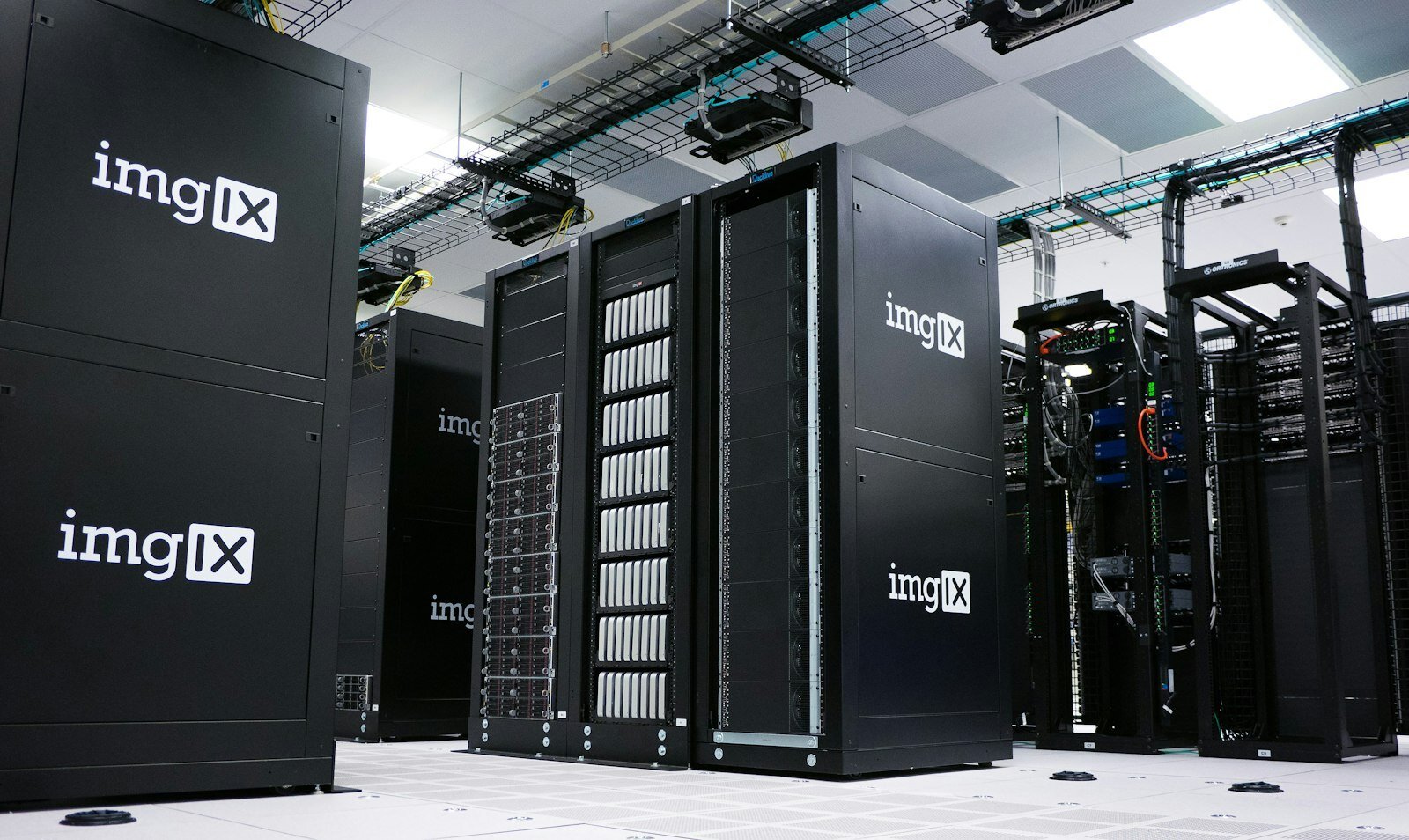
AI data centers supply the computing power used to train and run AI systems. They are expensive to build, require large amounts of electricity and cooling, and are often placed close to users to cut latency and reduce operating costs. That combination makes location decisions important not only for companies, but for the cities and regions that hope to host the facilities.
Trump’s threat lands at a time when some U.S. states and cities have tightened rules around new data-center projects, including limits and moratoriums in some places. That local resistance can slow domestic build-outs. If the federal government then threatens a tax on overseas siting, companies could be squeezed from both sides: pushed to build in the United States, yet confronted with political and regulatory barriers when they try.
The broader policy signal is also unmistakable. Trump has already argued in other contexts for bringing strategic manufacturing and technology capacity back to the United States. In that sense, the data-center threat fits an established pattern: treat infrastructure tied to artificial intelligence as a national asset that should be kept at home.
Who would feel the impact first?
The first companies to feel the pressure would likely be major U.S. tech firms and cloud providers that need huge amounts of compute capacity for AI services. Any firm with multinational operations would also face a new layer of uncertainty if the administration ever turned the threat into actual policy.
Developers, utilities, local governments and community groups could also be affected. A serious federal push to keep data centers onshore would influence where capital goes, where new power demand shows up, and which communities can bargain for concessions before projects are approved.
Background: how the debate got here
AI data centers have become one of the most contested parts of the technology build-out. They are the physical sites where chips, power and cooling systems come together to support AI products and services. Because they are so central to AI growth, governments and companies treat them as strategic infrastructure rather than ordinary real estate projects.
At the same time, some communities have become more wary of new data-center development. The fact sheet notes that U.S. states and cities have increasingly imposed limits or moratoriums on projects, a sign that local concerns about land use, electricity demand, noise or broader development impacts are no longer fringe objections. That opposition complicates a simple “build more at home” message.
Trump’s remarks also fit his longstanding political message about bringing strategic capacity back to the United States. In the past, he has argued for reversing the offshoring of manufacturing and technology functions. This latest warning extends that idea into the AI infrastructure economy, where the competitive question is no longer only who designs the model, but where the machines that run it are physically located.
By the numbers
| Item | What the fact sheet says | Why it matters |
|---|---|---|
| Nov. 20, 2026 | Date tied to the reported remarks and publication | Places the policy warning in a current, post-Asia-trip context |
| Friday | When Trump made the remarks | Confirms the comments were made publicly and recently |
| 3 outlets | The Verge, BusinessLine and Hindustan Times | Shows broad agreement on the core claim |
| 2 people | Xi Jinping and Vladimir Putin were mentioned in the setting described by The Verge | Shows the comments were made amid high-level geopolitical discussion |
What exactly is an AI data center?
An AI data center is the infrastructure layer that makes modern AI work. It houses the servers, chips and cooling systems needed to train models and serve AI applications at scale. Companies often place these centers near users to reduce latency, but they also weigh electricity access, land costs and regulatory conditions.
Because these facilities are capital-intensive and power-hungry, they have become a policy issue well beyond Silicon Valley. Local officials want economic development and tax revenue. Residents may want limits. Federal officials may see them as part of the country’s competitive edge.
Trump’s message to communities
Trump did not direct his remarks only at corporations. He also pushed local communities to use data-center projects to their advantage. In The Verge’s account, he said communities should “take advantage” of data centers rather than block them. Hindustan Times reported a similar theme, saying he urged communities to welcome data centers and extract financial concessions from developers.
That framing suggests a transactional approach: if a community is going to host a large data center, it should negotiate hard for benefits. The message is consistent with Trump’s broader instinct to turn major development projects into bargaining exercises between government, companies and residents.
“Make them pay you. Make them pay your community.”
How serious is this as policy?
At this stage, the answer is that it is serious as a political signal but not yet serious as a defined policy. Trump said he had not even told his staff about the idea, according to The Verge, and Hindustan Times reported that he offered no specifics and had not discussed it with his administration.
That leaves several unanswered questions. Would the administration try to impose the tax through executive action, or would Congress have to legislate it? Would the rule apply to multinational firms with overseas subsidiaries? Would it hit only new projects, or also broader corporate structures tied to foreign data-center capacity? The fact sheet does not answer any of those points.
Still, the threat itself may matter. In trade and industrial policy, even an undeveloped proposal can change behavior if firms believe a tax or restriction could arrive later. Companies planning AI build-outs may have to factor in political risk as well as engineering, land and power costs.
What happens next
The next step is political rather than procedural: whether the White House turns the threat into drafted policy language, or whether the idea remains a public warning meant to shift corporate behavior. Trump’s comments suggest the administration has not yet settled on an official proposal.
Watch for three developments in particular:
- Policy drafting: whether the administration formally develops a tax proposal or executive action.
- Industry response: whether major tech and cloud companies push back publicly or quietly adjust siting plans.
- Local reaction: whether states and cities use the moment to demand more concessions from developers or to reinforce siting restrictions.
The policy clash at the center of this story is unlikely to go away soon. The demand for AI infrastructure keeps rising, but the places where those facilities can be built are becoming more politically contested. Trump’s warning puts the federal government squarely into that dispute.
Timeline
| Date | Event |
|---|---|
| Nov. 20, 2026 | Trump announced a possible tax on U.S. companies building data centers abroad. |
| Friday | Trump repeated the threat at a White House news conference. |
| Following his Asia trip | Trump delivered the remarks after returning from Asia. |
| After meeting Xi Jinping and Vladimir Putin | Trump discussed the issue at a press conference. |
For now, the central fact is simple: Trump is threatening to use tax policy to keep AI data-center investment inside the United States. Whether that becomes law, leverage or rhetoric will determine how much this warning reshapes the industry.
Frequently asked questions
What did Trump say about AI data centers built abroad?
Trump said U.S. companies could face a “tremendous tax” if they build AI data centers outside the United States. The threat was reported by The Verge, BusinessLine and Hindustan Times, but no rate or enforcement plan was announced.
Why does Trump want AI data centers kept in the U.S.?
Trump appears to be trying to keep key AI infrastructure onshore. AI data centers provide the computing power for training and running AI systems, and he framed offshore siting as harmful in the same way he has criticized other forms of offshoring.
Has the White House released a formal policy proposal?
No formal policy proposal has been released in the fact sheet. Trump said he had not told his staff about the idea, and Hindustan Times reported that he offered no specifics and had not discussed it with his administration.
How are local governments relevant to this issue?
Local governments matter because states and cities have increasingly imposed limits or moratoriums on new data-center projects. That resistance can push companies to look abroad or delay projects, which is why federal pressure to build at home could collide with local opposition.