In short
YouTube is expanding its AI creator tools with an always-on agent, thumbnail generation, and video A/B testing. The company says the goal is to save creators time and improve performance, though it has not shared data proving the tools boost views.
- YouTube announced a broader AI suite for creators at Made on YouTube.
- The new AI agent can scan back catalogs, suggest updates and help draft brand pitches.
- Creators can test up to three thumbnails or three versions of a video.
- YouTube says the tools save time, but it has not released performance data.
- The rollout raises fresh questions about authenticity and how much AI should shape creator content.
YouTube is rolling out a broader set of AI-powered creator tools that can analyze, test and even assemble parts of a channel’s strategy automatically, signaling a bigger push toward algorithm-friendly content production. The update matters because it gives creators software that can recommend, generate and optimize video elements while raising fresh questions about how much of a creator’s work can be delegated to machines.
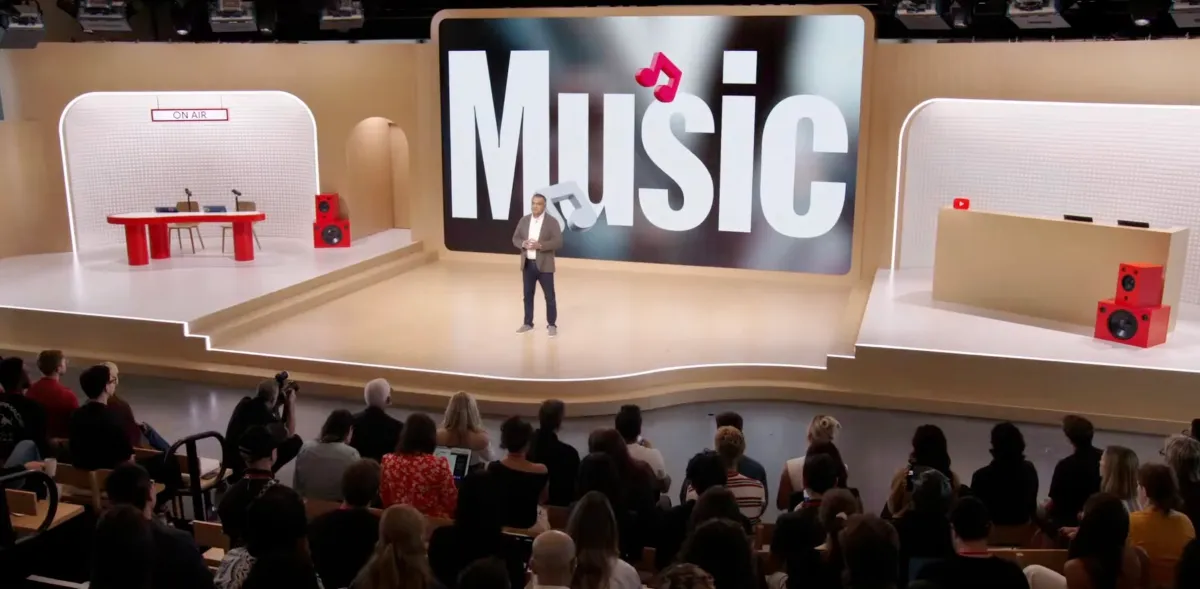
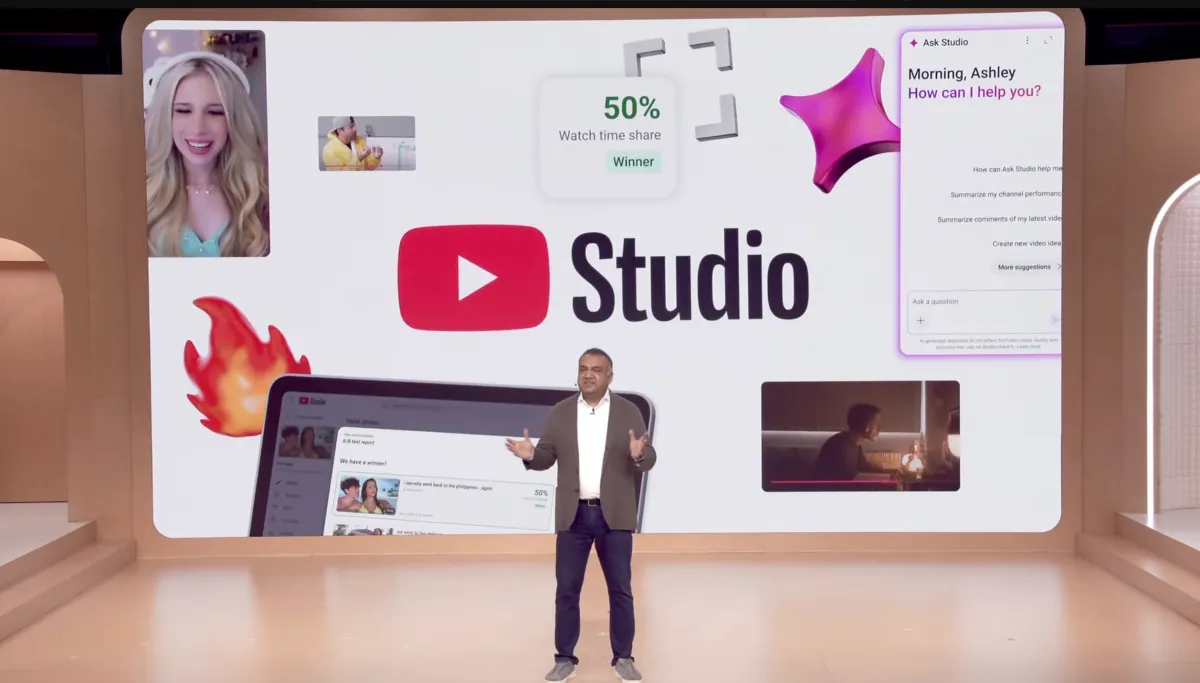
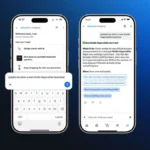
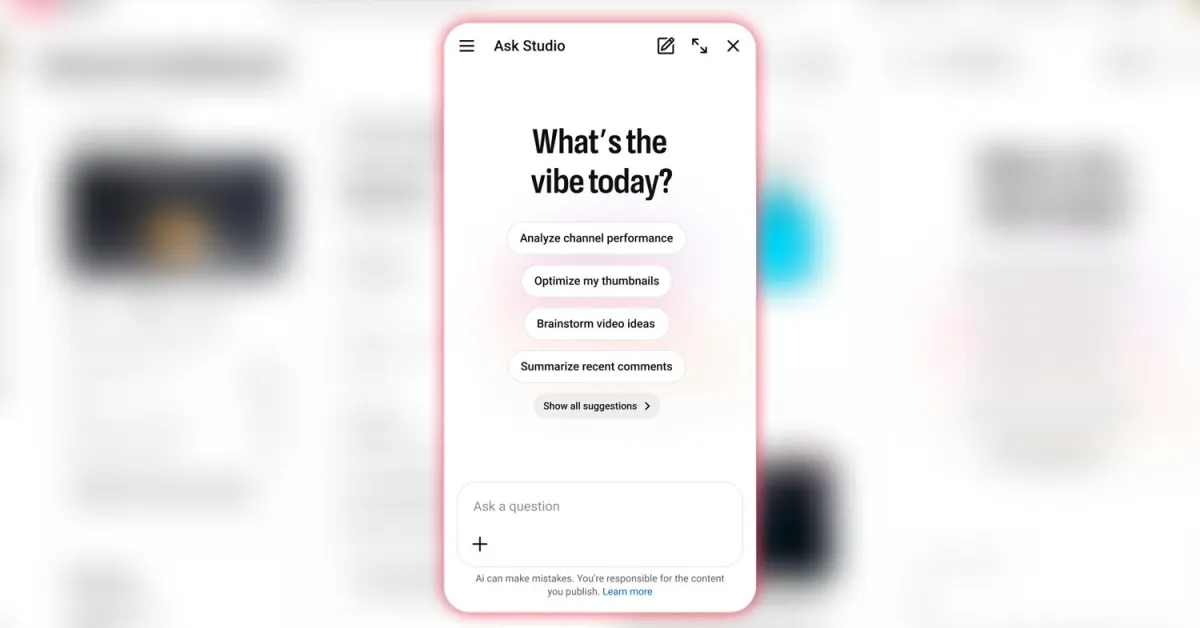
The new features, unveiled at YouTube’s annual Made on YouTube event, build on a 2025 tools package that already included thumbnail A/B testing and a chatbot for performance questions. This time, YouTube is going further: it is adding an AI agent that watches a creator’s back catalog, suggests changes to old videos, drafts brand pitches using audience data and helps generate thumbnails and titles tailored to a video’s subject.
For creators, the pitch is straightforward: spend less time on analytics and optimization, and more time on the work that feels distinctly creative. For the platform, the bet is equally clear: if YouTube can make its own tools the default path to better performance, it can shape how content is packaged, tested and discovered across the site.
What YouTube announced at Made on YouTube
YouTube used its creator-focused event to showcase an expanded suite of AI features designed to help channels improve reach, watch time and sponsorship opportunities. The company framed the tools as assistants that can take over repetitive planning and optimization tasks while leaving final creative choices in human hands.
The new offerings extend the company’s earlier tests in YouTube Studio, where creators could already ask a chatbot about performance and compare thumbnail versions. The latest update adds more ambitious automation, including an always-on AI agent that reviews a channel’s library and flags videos that may deserve a second life.
How the new AI agent is supposed to work
The AI agent is designed to operate in the background, scanning a creator’s existing uploads for videos that are suddenly relevant again, tied to breaking news or picking up momentum in search and recommendations. When it spots an opportunity, it can suggest revised titles or thumbnails that might help an older upload catch a new wave of interest.
In practical terms, that means a creator with a large archive could be alerted when a past video becomes timely again. Instead of manually checking analytics or hunting for trends, the system would surface a recommendation for a refresh.
YouTube also says the agent can help creators build sponsorship pitches. By pulling audience and demographic information from a channel, the tool can draft a brand-facing presentation that makes the case for a partnership.
Amjad Hanif, YouTube’s vice president of creator products, said the company sees the biggest value in helping creators save time on tasks that do not require them to be in front of the camera or behind the mic.
Why YouTube is leaning harder into automation
YouTube’s push reflects a broader shift across the creator economy: platforms increasingly want to tell creators not just where to post, but how to package their work for discovery. The company is responding to a long-running frustration among creators, many of whom see success on the platform as tied to opaque recommendation systems and relentless optimization.
Rather than leaving creators to guess what the algorithm wants, YouTube is offering more direct guidance through its own software. That guidance is becoming more prescriptive, moving from advice about thumbnails and titles into active generation and testing.
The platform’s logic is simple. If better packaging leads to more clicks and more watch time, then tools that improve packaging can keep creators productive, viewers engaged and YouTube’s feed busier.
What creators get out of it
Creators are being promised efficiency, not just automation. YouTube says the goal is to reduce time spent on busywork so that creators can focus on creative output, audience interaction and production.
That may be especially appealing for solo creators and small teams that do not have dedicated strategists, editors or sales staff. A tool that drafts a pitch deck, for example, can fill a gap for a creator who may have strong content but limited business infrastructure.
- Faster thumbnail and title generation
- Suggestions for older videos that may be trending again
- Audience data summaries for sponsor pitches
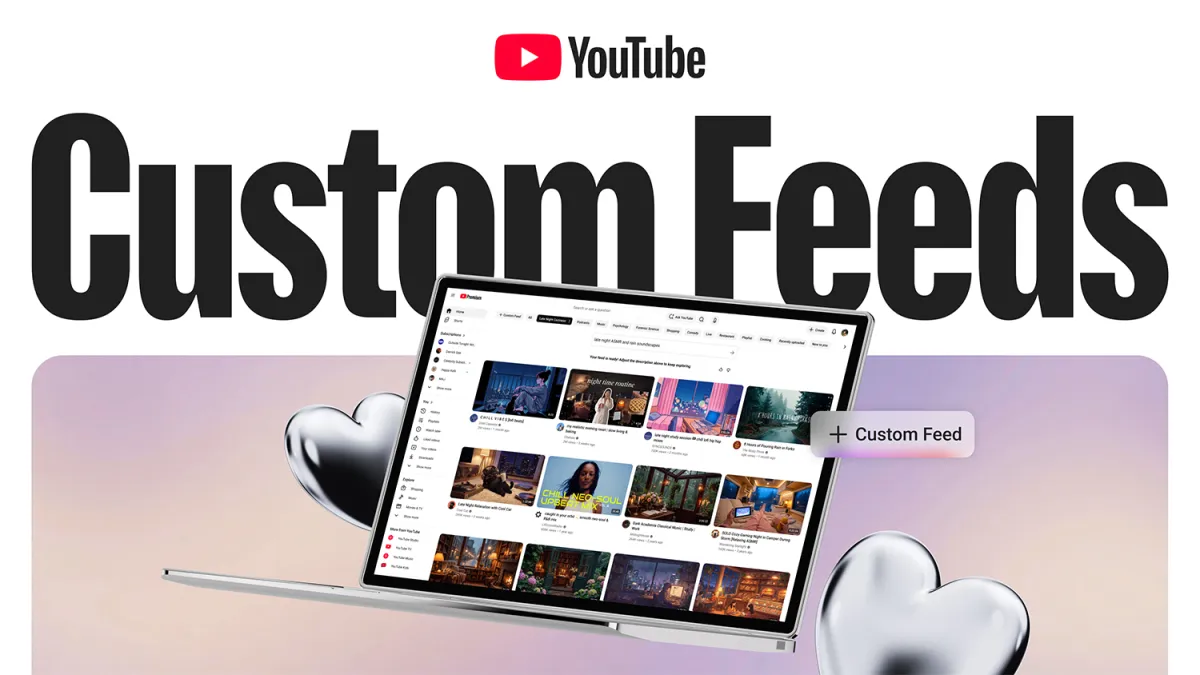
- Built-in testing to compare different creative choices
How the new testing tools change the viewing experience
One of the most consequential updates is the expansion of YouTube’s testing system. Creators can now upload up to three thumbnail options for a video, and YouTube will distribute those images across different audience segments to see which one drives stronger watch time.
The company is also letting creators test up to three versions of a video itself. That could mean different openings, alternate hooks or changed structures. YouTube will show the variants to smaller audience samples and measure which version performs best.
Creators can then choose the winner to become the permanent upload. If they do not act, YouTube will automatically lock in the strongest performer after seven days.
According to the company, the versions are meant to stay close enough to preserve the core video. YouTube says the variants should not be drastically different from one another, indicating the tool is intended for refinement rather than wholesale reinvention.
| Feature | What it does | Who it helps | Potential benefit |
|---|---|---|---|
| AI creator agent | Scans a channel, flags trending or relevant older uploads, and suggests updates | Creators with large back catalogs | Finds new value in existing videos |
| Thumbnail generation and feedback | Creates thumbnails and reviews creator-made versions | Creators optimizing clicks | Speeds up packaging decisions |
| Dynamic thumbnail tests | Tests up to three thumbnails across audience segments | All creators using YouTube Studio | Aims to improve watch time |
| Video version testing | Compares up to three edits of the same video | Creators refining openings or hooks | Identifies the strongest-performing cut |
| Brand pitch drafting | Builds sponsor-facing materials from audience data | Creators seeking deals | Saves time on sales prep |
What is YouTube’s line on AI and authenticity?
YouTube is trying to draw a distinction between using AI as a support tool and using it as a substitute for creator judgment. That distinction matters because creators increasingly face audience skepticism around authenticity, particularly when AI is visible in the finished product.
Hanif argued that creators cross a line when tools start replacing the actual creative act rather than just making the workflow more efficient. In the company’s view, AI can assist with research, planning and packaging, but not necessarily with the central performance or narrative voice that audiences expect from a creator.
Hanif said the concern begins when viewers no longer feel they are seeing the creator’s own work and instead feel that the software has taken over the content itself.
That framing reflects a broader industry debate. Many audiences are willing to accept AI in the background, but become wary when automation appears to write the script, shoot the scenes or assemble a piece so thoroughly that the creator’s personal input becomes unclear.
Why creators are sensitive about AI use
The backlash risk is not hypothetical. Earlier this summer, creator Hank Green drew criticism after acknowledging that he had used AI to help with research. The reaction showed how quickly AI use can become part of a broader judgment about effort, originality and trust.
Creators and public figures have also seen brands or campaigns stumble when AI is suspected, even when the issue is not obvious from the final product. In that environment, even behind-the-scenes automation can become a reputational question if audiences believe it dilutes the human element of the work.
YouTube is betting that its own tools will be accepted because they are framed as productivity aids rather than content replacement systems. Whether viewers agree may depend on how visible the changes become.
Will the AI tools actually boost performance?
That is the most important unanswered question. YouTube says the tools are meant to help creators save time and make smarter choices, but it has not publicly shown data proving that the new features translate into stronger metrics.
The company declined to share evidence showing whether channels that use the tools see more views, longer watch times or higher sponsorship conversion rates. That leaves a gap between the promise of optimization and the proof of it.
For creators, the practical answer may arrive gradually. If the tools repeatedly surface useful thumbnails, better hooks and timely back catalog opportunities, they will likely spread by word of mouth. If not, they may remain another layer in YouTube Studio that creators open once and forget.
Hanif said the value is not just in what the tools automate, but in the hours they free up for creative work.
That claim may resonate most with creators who feel stretched thin by the demands of being part performer, part editor, part analyst and part salesperson. In that sense, YouTube is not only building AI products; it is also trying to redefine what creator labor should look like on its platform.
How this fits into the bigger creator economy
YouTube’s latest rollout comes at a moment when creator tools are moving beyond editing and scheduling into strategic decision-making. The platform is positioning its AI systems as a kind of operating layer for channels, one that can manage optimization at scale in the same way software already helps with uploads, metrics and monetization.
That evolution has larger implications. If platform-owned tools become the easiest way to grow, creators may become increasingly dependent on platform logic to shape their content. The more a channel is optimized through YouTube’s own AI, the more YouTube itself influences what gets made and how it is framed.
There is also a commercial angle. By offering help with brand pitches and audience analysis, YouTube is moving closer to the business side of creator work, not just the creative side. That could make the platform more valuable to small channels trying to land deals, but it also gives YouTube even more leverage over how creators present themselves to advertisers.
What to watch next
Several questions will determine whether these tools become essential or merely experimental.
- Will creators trust YouTube’s recommendations enough to let the system rewrite titles and thumbnails?
- Will audiences react differently when videos are visibly optimized by AI?
- Will the testing tools meaningfully improve watch time, or simply streamline an already familiar workflow?
- Will YouTube eventually publish performance data showing whether AI-assisted channels outperform others?
For now, YouTube is making a clear bet that creators want help fighting the algorithm with tools built by the platform itself. The company’s latest AI push suggests the future of content strategy on YouTube may be less about guessing what works and more about letting the machine try several answers at once.
Key facts at a glance
| Item | Details |
|---|---|
| Event | Made on YouTube, the company’s annual creator event |
| Main update | Expanded AI creator tools for optimization, testing and sponsorship pitching |
| Notable feature | An AI agent that monitors back catalog videos and suggests updates |
| Testing limits | Up to three thumbnails or three versions of a video |
| Decision window | YouTube can automatically pick a winner after seven days |
| Company stance | AI should assist creators, not replace the creative process |
Bottom line
YouTube is moving deeper into AI-assisted creator workflows, offering tools that can generate, test and optimize nearly every part of a channel’s presentation. The promise is efficiency and discovery; the risk is a future where the platform’s own software increasingly shapes the voice and look of creator content.
Frequently asked questions
What new AI tools did YouTube announce for creators?
YouTube announced an expanded set of AI creator tools that can generate thumbnails and titles, test different video versions, analyze audience data for sponsorship pitches and scan a channel’s back catalog for videos that may be trending again.
How does YouTube’s AI agent help creators?
YouTube’s AI agent works in the background by reviewing older uploads, identifying videos that may have fresh relevance and suggesting title or thumbnail changes. It can also assemble sponsor pitch materials by using channel audience data.
Can YouTube test different versions of the same video?
Yes. YouTube now lets creators test up to three versions of a video, such as different hooks or openings, and measures which version performs best with smaller audience segments before selecting a winner.
Is YouTube saying AI should replace creators?
No. YouTube says its AI tools are meant to assist creators with repetitive and analytical tasks, not replace the creative process itself. The company says the line is crossed when AI appears to take over the actual content-making.
Did YouTube show data proving the tools improve performance?
No. YouTube did not share public data showing that the tools increase views, watch time or sponsorship success. The company says the biggest benefit so far is that the tools save creators time.