In short
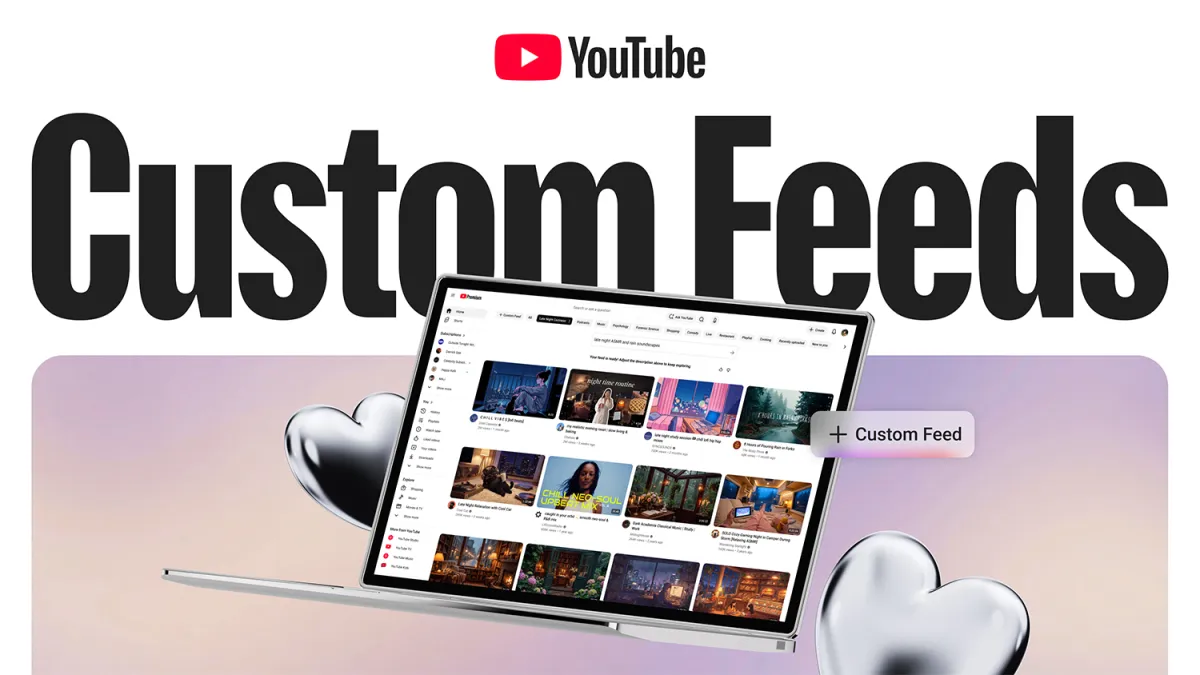
YouTube is introducing AI-powered custom feeds that let viewers describe the videos they want and turn those prompts into tailored recommendation tabs. The feature begins rolling out next month on web and mobile and will sit alongside, not replace, the main home feed.
- YouTube’s new custom feeds use Gemini AI to build personalized recommendation tabs from plain-language prompts.
- The feature lets users create multiple feeds for different moods, tasks, or interests, such as a commute or a hobby.
- Custom feeds will roll out on web and mobile starting next month.
- The main YouTube home feed will remain in place and will not be replaced.
- The launch reflects a wider industry trend toward user-controlled, AI-assisted algorithms.
YouTube is rolling out a new AI feature that lets people describe the kind of videos they want to see and turn that prompt into a personalized custom feed. The company says the tool, called custom feeds, will begin arriving on web and mobile next month and is designed to make discovery easier across its massive video library.
The feature matters because it gives viewers more control over what appears on the home screen without replacing YouTube’s core recommendation feed. Instead, users will be able to create multiple purpose-built feeds, such as one for a commute, one for a hobby, or one tuned to a specific mood.
What YouTube announced and why it matters
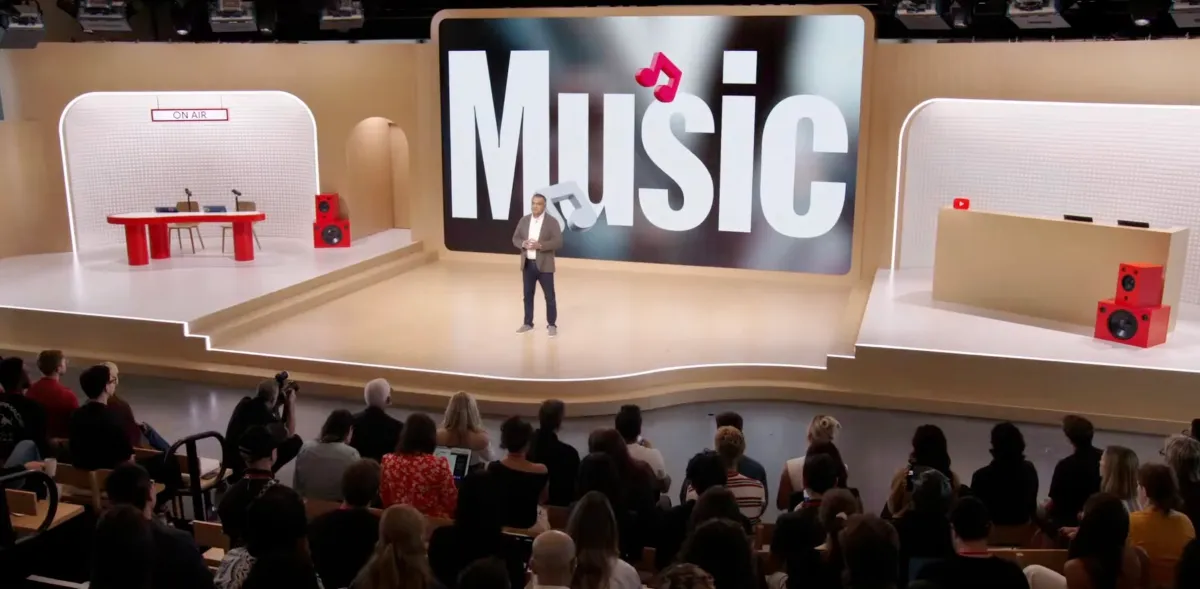
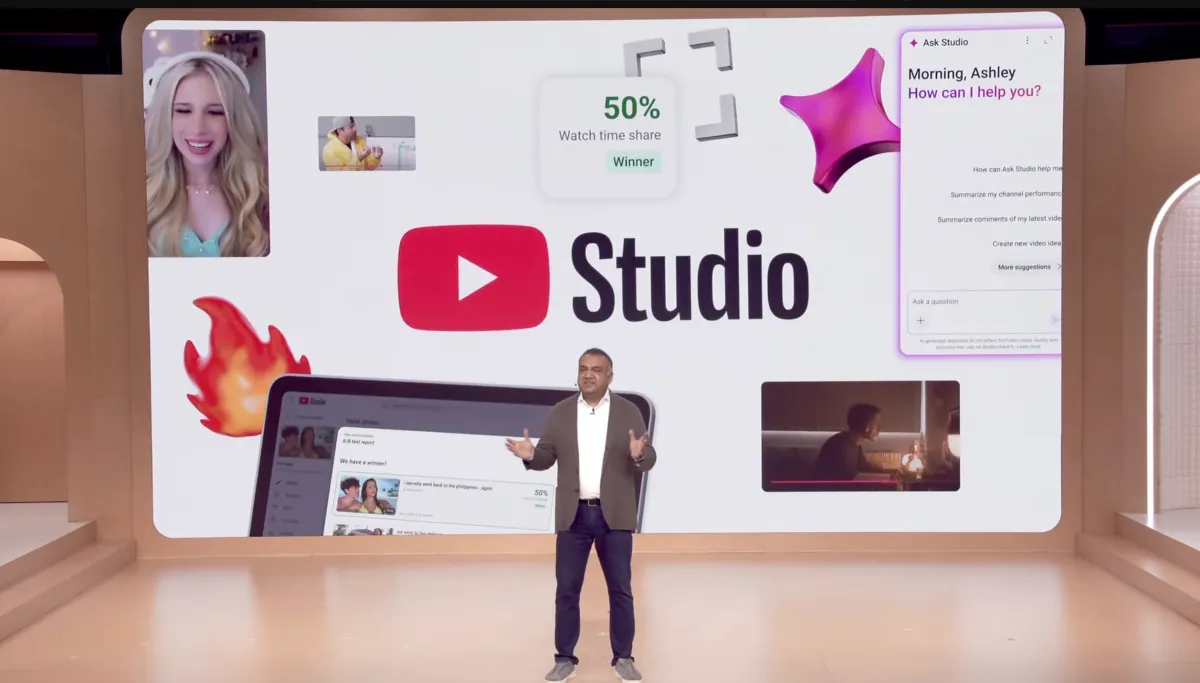
YouTube unveiled custom feeds at its Made on YouTube event on Wednesday, positioning the update as a more flexible way to surface videos from a catalog the company says contains more than 20 billion uploads. The feature uses Google’s Gemini model to interpret a user’s text prompt and assemble a feed around those instructions.
That makes the experience less like manually searching for content and more like asking YouTube to act on a detailed brief. In practice, users can describe not only the topic they want, but also the tone, format, and exclusions they prefer.
The move reflects a broader shift in social and media platforms toward feed personalization that is explicitly user-directed. For YouTube, it is also a way to help viewers navigate an enormous content universe without relying solely on the standard algorithmic homepage.
How do YouTube custom feeds work?
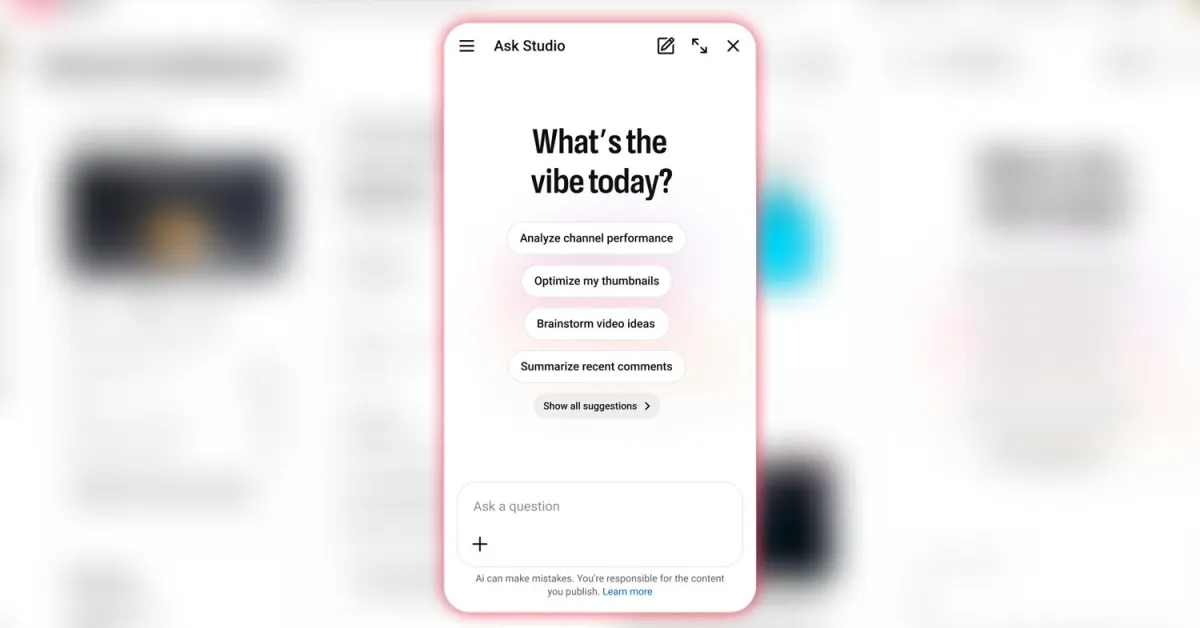
They work by letting users type a plain-language request into a prompt box inside YouTube. The platform then uses Gemini to generate a feed that matches that description and pins it to the top of the home page in a separate tab.
According to YouTube, the prompt can be simple or highly specific. A user could ask for a feed focused on video podcasts for a train ride, or request a set of relaxing commentary videos for unwinding at the end of the day.
Because the feature is powered by AI, the prompt does not need to be limited to a short keyword or broad topic. Users can include detailed preferences about what the feed should prioritize, what it should leave out, and how it should be organized.
Examples YouTube gave for custom feeds
The company suggested a few ways people might use the feature:
- a feed of video podcasts for a daily commute
- a mood-based feed with calming commentary videos
- a topic-specific feed for a hobby, class, or interest
- a tailored stream that emphasizes certain formats and excludes others
The underlying idea is to reduce friction. Rather than repeatedly training the main recommendation system through likes, clicks, and watch history alone, users can now describe the experience they want in advance.
Why is YouTube doing this now?
YouTube is making the change now because feed personalization has become a competitive battleground across social platforms, and the company wants to make discovery feel more deliberate and controllable. The service has long relied on recommendations to keep viewers engaged, but it is now pairing that system with a more user-led layer.
The company also appears to see custom feeds as a way to make the size of its library feel less overwhelming. With billions of videos available, even strong recommendation systems can leave users wanting more targeted ways to browse.
Emily Moxley, YouTube’s vice president of product management for Viewer AI, said in a pre-brief that the platform’s scale means viewers are often only one search away from a deep pool of content. She framed custom feeds as a way to help people reach that content more directly.
Her comments point to YouTube’s central pitch: the company is not trying to replace its recommendation engine, but to add an additional entry point tailored to specific tasks and moments.
How does this compare with other social platforms?
YouTube’s move fits into a wider industry trend that has been building for several years. Platforms such as Bluesky, Threads, Instagram, X, and Spotify have all introduced tools that let users shape feeds more actively, and several of those features also use AI.
Bluesky helped popularize the concept of user-built feeds as part of its effort to stand apart from rivals, especially X. The decentralized network later expanded that approach with an AI tool called Attie, which simplified feed creation further.
What is notable about YouTube’s version is that it brings the same idea into one of the world’s biggest video platforms, where recommendation systems already play an outsized role in discovery and time spent.
Feed-building across the social web
Across the industry, the pattern is similar: platforms are trying to give people more control over algorithms without fully surrendering the power of personalization systems. In other words, users can now define the rules, but the platform still does the sorting and ranking behind the scenes.
That balancing act matters because recommendation feeds have long been criticized for feeling opaque. User-defined feeds offer a counterpoint by making intent easier to express, even if the final curation still depends on machine learning.
What will change for viewers?
For most users, the biggest change will be flexibility. Instead of opening YouTube and seeing a single recommendation stream, viewers will be able to jump into a feed designed for a particular purpose.
The main home feed will remain in place. Custom feeds are additive, not replacement-based, which means YouTube is preserving its existing recommendation engine while creating a parallel layer of personalization.
That design choice is important. It suggests YouTube wants to improve discovery without disrupting a system that already drives large amounts of watch time and ad revenue.
| Feature | Details |
|---|---|
| Name | Custom feeds |
| AI model | Google Gemini |
| Purpose | Let users describe the videos they want recommended |
| Placement | Pinned to the top of the YouTube home page in its own tab |
| Rollout | Starting next month on web and mobile |
| Main feed impact | Does not replace YouTube’s existing recommendation feed |
Why the rollout could matter for YouTube’s future
Custom feeds could influence how people think about algorithmic discovery on YouTube. If the feature catches on, users may begin treating the platform less as a single feed and more as a toolkit of different recommendation experiences.
That shift could also help YouTube better serve distinct use cases that are difficult for one generic homepage to handle at once. A viewer who wants news clips in the morning, study content in the afternoon, and entertainment at night may prefer separate feeds instead of one blended stream.
There is also a strategic angle. In an era when many platforms are experimenting with more transparent or customizable recommendation systems, YouTube can position itself as both powerful and adaptable. The company still owns the algorithm, but it is inviting users to help define the rules.
What this means for the creator ecosystem
For creators, the feature could change how content is surfaced, especially if users begin building feeds around particular formats or niche interests. Videos that fit a clearly defined use case may gain more visibility in customized contexts than they would in a broad recommendation stream.
At the same time, the effect may not be straightforward. A custom feed that is tightly focused could help some creators reach highly motivated audiences, while others may see less exposure if their work does not fit the new prompts people create.
That makes the rollout worth watching not only for product reasons, but also for its potential impact on traffic patterns, audience behavior, and the economics of video discovery.
Timeline of the announcement
| Date | Event | What happened |
|---|---|---|
| Wednesday, Sept. 23, 2026 | Made on YouTube event | YouTube publicly introduced custom feeds |
| Pre-brief ahead of event | Reporter preview | Emily Moxley explained the product vision |
| Next month | Rollout begins | Custom feeds start appearing on web and mobile |
How big is YouTube’s content universe?
It is enormous, and YouTube says scale is the reason a feature like this makes sense. The company cited a corpus of more than 20 billion videos, a library so large that even very active users can struggle to find exactly what they want.
That scale creates both opportunity and clutter. It also explains why YouTube is leaning into AI-driven organization: when the supply of content is that large, better filtering becomes as valuable as better creation tools.
In that sense, custom feeds are not just a novelty. They are an attempt to make YouTube’s vast catalog easier to navigate, especially for users who have a clear goal in mind when they open the app.
What happens next?
The first wave of custom feeds will arrive across YouTube on both desktop and mobile starting next month. The company has not said whether the feature will be limited to certain markets, which types of accounts will get it first, or whether additional controls will be added later.
What is already clear is that YouTube is betting on AI to make recommendation systems feel more personal and more intentional. The feature gives the company a new way to answer a common user complaint: that the best content is often buried beneath too much noise.
If custom feeds prove useful, they could become one of YouTube’s most practical AI features yet. If they do not, they may still signal where the platform believes the future of discovery is headed — toward algorithms that users can describe, not just endure.
Key facts at a glance
- Announcement: YouTube introduced custom feeds at its Made on YouTube event.
- Technology: The feature is powered by Google’s Gemini AI model.
- User control: People can describe feed preferences in natural language.
- Availability: Rollout begins next month on web and mobile.
- Positioning: Custom feeds supplement, rather than replace, the main YouTube home feed.
As more platforms let users guide their own recommendation systems, YouTube’s new feature shows that the next phase of personalization may be less about predicting what people want and more about letting them say it out loud.
Frequently asked questions
What are YouTube custom feeds?
YouTube custom feeds are AI-generated recommendation tabs that let users describe the kind of videos they want to see. The platform uses that prompt to build a feed around the request and pins it to the top of the home page as a separate tab.
Which AI model powers YouTube’s new feed feature?
Google’s Gemini model powers the feature. YouTube uses Gemini to interpret a user’s prompt and assemble a feed that reflects the topic, mood, format preferences, and exclusions described in the request.
Will custom feeds replace the main YouTube homepage feed?
No, custom feeds will not replace YouTube’s main recommendation feed. They will exist alongside it, giving users another way to open YouTube and jump directly into a more specific content stream.
When will YouTube custom feeds be available?
YouTube says the feature will begin rolling out next month across web and mobile. The company announced the product at its Made on YouTube event on Wednesday, Sept. 23, 2026.
Why is YouTube adding custom feeds now?
YouTube is adding custom feeds to help users navigate its enormous video library more easily and to give them more direct control over recommendations. The company says the feature is meant to make discovery more targeted and useful for different situations.