In short
TechCrunch says four days remain to save up to $200 on Disrupt 2026 passes before prices increase on September 25. The company is promoting the San Francisco event as a broad look at AI, robotics, infrastructure, funding and startup strategy.
- TechCrunch says Disrupt 2026 ticket savings end September 25 at 11:59 p.m. PT.
- Buyers can save up to $200, with 50% off a second pass on select ticket types.
- The conference runs October 13-15 at Moscone West in San Francisco.
- TechCrunch is pitching the event as a way to gain perspective on AI, robotics, infrastructure and funding.
- More than 10,000 attendees, 200+ sessions and 250+ speakers are expected.
TechCrunch is telling prospective attendees they have four days left to lock in savings of up to $200 on passes for Disrupt 2026 before prices increase on September 25 at 11:59 p.m. PT. The event returns to Moscone West in San Francisco from October 13 to 15, and the discount window is being framed as a last chance for founders, investors, operators, and tech teams to buy in at the lower rate.
That urgency reflects more than a ticket deadline. TechCrunch is using the countdown to underscore why this year’s conference matters: the startup and technology landscape is shifting quickly, and the company argues that a few days of live discussion can help attendees make better decisions about products, capital, hiring, and strategy.
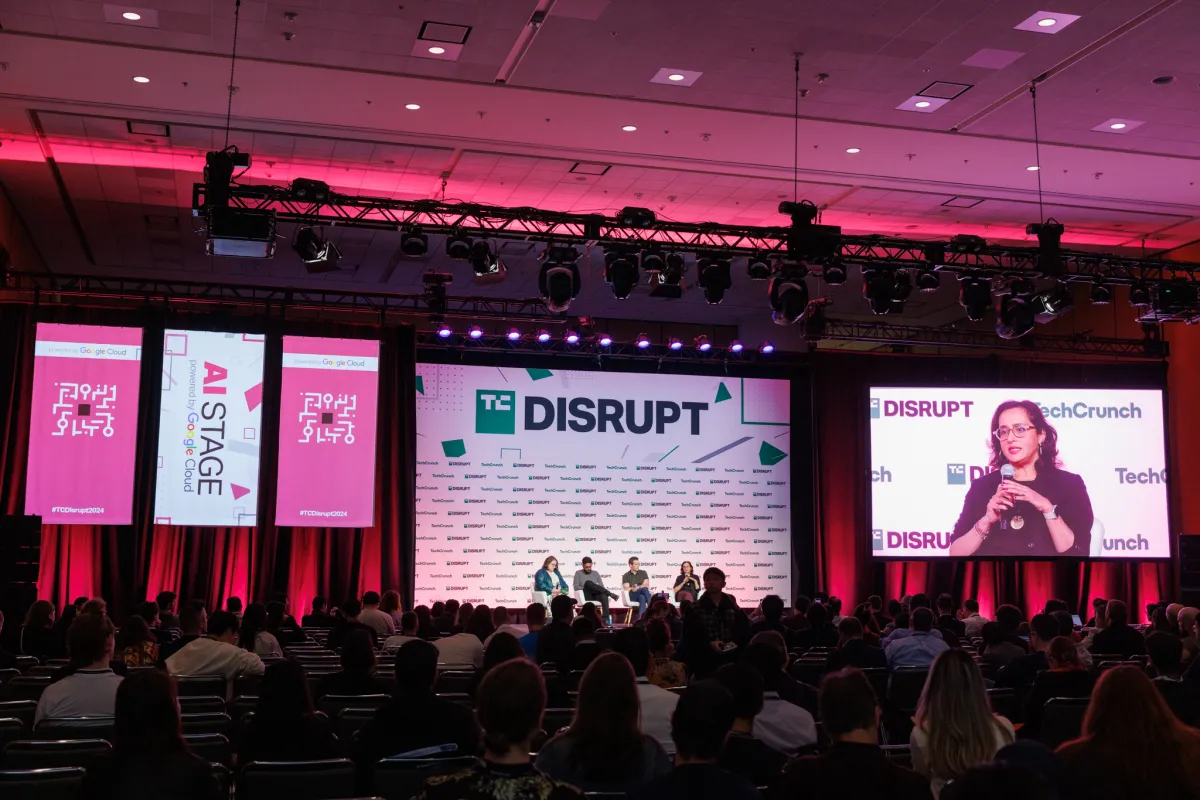
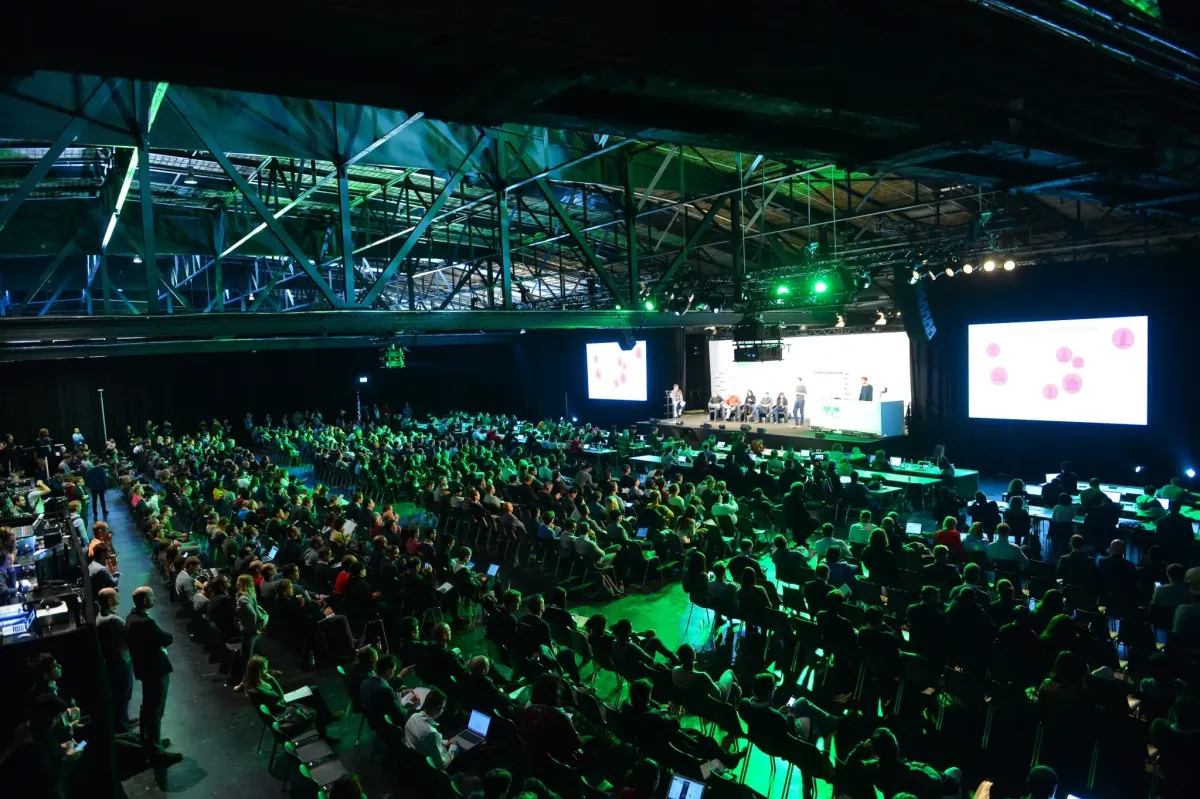
The event is being positioned as a place to compare notes across the ecosystem rather than through a single lens. Organizers say Disrupt 2026 will bring together more than 10,000 attendees and feature 200-plus sessions with more than 250 speakers across six industry stages, roundtables, and breakout sessions.
For companies navigating artificial intelligence, robotics, infrastructure, cybersecurity, energy, payments, and startup financing, that breadth is the main pitch: not just access to names on stage, but a concentrated view of where the market is moving and how different parts of the tech industry are interpreting the same trends.
Why is TechCrunch pushing the Disrupt 2026 deadline now?
The short answer is simple: the early pricing ends soon, and TechCrunch wants buyers to act before the September 25 cutoff. The event organizer says attendees can save as much as $200 on a pass, with a second ticket available at 50% off for eligible purchases, while groups of four or more can save up to 30%.
That deal structure is designed to do two things at once. It rewards early commitment from individual buyers and also nudges teams, founders, and investor groups to attend together. TechCrunch is also highlighting exhibitor opportunities, noting that the final day to reserve an exhibit table is September 18 for companies seeking leads, investor exposure, and visibility in the Expo Hall.
In practice, the message is that the event is moving from planning stage to pricing deadline. For anyone who already expects to attend, the choice is between saving now or paying more later. For anyone still undecided, the organization is trying to make the value case before the calendar flips.
What makes Disrupt 2026 more than another tech conference?
Disrupt 2026 is being marketed as a cross-section of the technology economy, not a single-track summit. TechCrunch is emphasizing perspective: the idea that what one founder, investor, or engineering leader sees in one corner of the market may look very different from what another sees elsewhere.
That pitch matters because technology cycles are increasingly interconnected. A product team may be focused on AI features, but the ability to scale them depends on infrastructure. A robotics startup may care about sensors and autonomy, but its commercial path could be shaped by manufacturing, safety, and deployment costs. A payments company may be building around stablecoins, but its future depends on regulation, trust, and enterprise adoption.
By placing these conversations in one venue, TechCrunch is presenting the conference as a way to understand not only individual trends but the relationships between them. That broader context is especially important in an environment where the pace of change can make six months feel like a different era.
| Key Detail | Disrupt 2026 Information |
|---|---|
| Event dates | October 13-15, 2026 |
| Location | Moscone West, San Francisco |
| Early-bird deadline | September 25 at 11:59 p.m. PT |
| Stated savings | Up to $200 off a pass |
| Second-pass offer | 50% off select second passes |
| Group discount | Up to 30% for groups of four or more |
| Attendance target | 10,000+ founders, investors, operators and leaders |
| Program scale | 200+ sessions with 250+ tech leaders |
How TechCrunch is framing the value of perspective
TechCrunch’s central argument is that perspective is a strategic asset. In a market shaped by AI, shifting venture norms, and changing infrastructure needs, the wrong assumptions can cost startups time, capital, and momentum.
The event’s programming is intended to help attendees stress-test those assumptions. Founders can hear how investors are reassessing what makes a strong Series A candidate. Investors can compare how builders describe market demand versus what the pitch decks say. Product and technology leaders can benchmark their own roadmaps against what companies in adjacent sectors are doing.
The result, according to the event’s positioning, is less about inspiration and more about calibration. The conference is meant to give people enough context to make a better call after they leave, whether that means changing a fundraising strategy, rethinking a product roadmap, or identifying a new market opportunity.
How AI, robotics and infrastructure are changing the conversation
AI is altering the speed at which new products can be built and iterated, but that is only part of the story. As companies automate more of the development cycle, they are also being forced to think about defensibility, data access, compute demands, and customer expectations.
Robotics and physical AI add another layer of complexity. Once systems move from demos to factories, vehicles, warehouses, or other real-world environments, the challenges are no longer just software engineering problems. Reliability, safety, deployment logistics, and cost structures begin to matter just as much.
Infrastructure, meanwhile, is becoming a core topic rather than a background one. Higher usage of AI and automation increases demand for compute, networking, power, and data-center capacity. That makes infrastructure a strategic issue for startups and investors alike, not just for the hyperscalers and hardware vendors that supply them.
What questions are likely to dominate the agenda?
TechCrunch says the sessions will focus on practical questions that founders, investors and operators are already facing. Those questions cut across industries, but they are tied together by a common theme: how to build when the rules are changing quickly.
- How can startups build defensible products when AI makes launching easier?
- What will investors want from the next generation of Series A companies?
- Where will AI infrastructure hit its next bottlenecks?
- How should leaders think about agents, automation and team structure?
- What changes when robotics becomes part of real operations?
- How are stablecoins affecting business payments?
- What do energy, cybersecurity and social platform shifts mean for new ventures?
Each of these topics reflects a broader market truth: technology categories no longer operate in isolation. A change in one area often ripples into another, creating both new risks and new opportunities.
Who stands to benefit most from attending?
The event is being sold to several different audiences, and TechCrunch’s own messaging makes clear that each one gets something different from the experience.
Founders
Founders are likely to get the most immediate value from hearing how investors are thinking about the market. If fundraising expectations are shifting, or if the bar for technical differentiation is rising, that information can affect how a startup positions itself and where it chooses to spend time and money.
Investors
Investors may use the conference to compare thesis-driven views with what builders are actually seeing on the ground. That can help sharpen conviction around emerging sectors, identify areas where adoption is accelerating, and surface problems that still need product-market fit.
Product and technology leaders
Leaders responsible for product and engineering can use the conference as a signal check. The conversations around AI, robotics, infrastructure and security may help teams evaluate whether their own assumptions match the direction of the broader market.
Operators and job seekers
Operators and professionals looking to network can benefit from the scale of the attendee base. TechCrunch says matchmaking tools powered by AI will help connect participants based on interests and job titles, while spontaneous networking remains part of the draw.
How the networking component fits the bigger strategy
The program is not just a series of talks. TechCrunch is also leaning into structured and unstructured networking as part of the event’s value proposition.
Its AI-powered matchmaking is intended to make introductions more relevant by pairing people around shared interests and professional goals. At the same time, the company is promoting informal meetups as a way to discover opportunities that do not appear on a stage agenda.
That combination matters because many conference attendees do not measure value by sessions alone. In startup circles, some of the most important outcomes happen between panels, over side conversations, or through contacts made with people outside one’s direct industry.
Why this matters for the startup ecosystem
Events like Disrupt often function as a market thermometer. They do not create the trends they discuss, but they reveal what the industry is talking about, what it is worried about, and where capital is flowing.
This year, the conference is being framed against a backdrop of rapid AI adoption, renewed attention to robotics, and more cautious funding decisions. That makes the “perspective” argument more than a slogan. It speaks to a real need among startups and investors trying to navigate an environment where technology capability and business discipline must now advance together.
For startups in particular, the stakes are high. Smaller teams and new tools can make it easier to launch. But easier launch conditions also mean stronger competition, narrower windows to differentiate, and greater pressure to prove durability sooner. Hearing how peers and investors are adjusting can help companies avoid making the wrong bets too early.
For investors, the challenge is different but related. The best opportunities may lie in identifying which emerging categories are real and which are still ahead of adoption. A conference that brings together builders, capital allocators and technical operators can help make those distinctions clearer.
What attendees should know before the price change
The key deadline is straightforward: current savings end on September 25 at 11:59 p.m. PT. After that, ticket prices rise. TechCrunch is also reminding readers that the last day to book an exhibit table is September 18.
For people attending with colleagues or partners, the group discount may be the most efficient path. For solo buyers, the basic choice is to purchase before the cutoff or pay more later. For companies hoping to market themselves to a concentrated audience of founders and investors, the exhibitor deadline is even earlier.
- Decide whether you are attending as an individual or as part of a group.
- Check whether your pass type qualifies for the second-ticket discount.
- Confirm whether you need an exhibit table before the September 18 deadline.
- Register before September 25 at 11:59 p.m. PT to capture the lower rate.
How this year’s event reflects the broader tech market
Disrupt 2026 is arriving at a moment when many of the biggest tech questions are no longer purely about software. AI now intersects with labor, infrastructure, security, energy consumption and operational design. Robotics connects digital intelligence with physical systems. Payments innovation is increasingly tied to trust, compliance and product integration. Startups are being built with smaller teams but facing larger expectations.
That is why the conference’s promise of “perspective” is likely to resonate. A founder trying to raise money, a venture capitalist refining a thesis, or a product leader deciding what to build next may each be facing different problems, but they are often reacting to the same underlying shifts.
In that sense, the event is less about escaping the daily noise of the market and more about putting that noise into context. TechCrunch is betting that for many attendees, that context will be worth the ticket price — especially if they buy before the deadline and save up to $200.
TechCrunch is positioning Disrupt 2026 as a place where attendees can compare the same market shifts from multiple angles, from AI and robotics to infrastructure, payments and funding.
With the pricing window closing soon, the message is clear: those who want the lower rate need to act now, and those who are already planning to attend may want to treat the deadline as part of the event itself.
Frequently asked questions
When do Disrupt 2026 ticket prices go up?
Prices go up on September 25 at 11:59 p.m. PT. TechCrunch says that is the cutoff for current ticket savings, including discounts of up to $200 on select passes.
Where is Disrupt 2026 taking place?
Disrupt 2026 will be held at Moscone West in San Francisco. The conference is scheduled for October 13 through October 15, 2026.
What discounts are available for Disrupt 2026?
TechCrunch says attendees can save up to $200 on a pass, get 50% off a second pass on select ticket types, or save up to 30% as part of a group of four or more.
Why is TechCrunch promoting Disrupt 2026 as important?
TechCrunch says the event offers perspective across the tech ecosystem, bringing together founders, investors and operators to discuss AI, robotics, infrastructure, payments and funding decisions in one place.