Updated July 11, 2026 1:51 pm
In short
Instagram head Adam Mosseri says the app will label AI content rather than filter it out, and may eventually focus on verifying real camera-captured media as detection becomes less reliable.
- Mosseri says Instagram should label AI content, not block it from feeds.
- He acknowledged AI detection is getting harder as models improve.
- Meta is still expanding AI creation tools inside Instagram.
- Critics warn new features could increase harassment, fraud and identity abuse.
Update — July 11, 2026 1:51 pm
Mosseri’s comments also newly draw a harder line around feed controls: he said people who dislike AI content should simply not have it in their feed, rather than expecting Instagram to add a filter that removes it entirely.
He also said users who want synthetic media should be able to build an almost all-AI feed, underscoring that Instagram sees this as a sorting and labeling issue, not a ban on AI posts.
On detection, Mosseri said Instagram may eventually need to label camera-captured media instead of trying to identify every AI image or video, and he reiterated that the company could lose the ability to reliably spot synthetic content as models improve.
Update — July 10, 2026 5:19 pm
Mosseri also said Instagram should not just hide AI-made posts, but make them easier to identify when people ask about them. He described a range of possible labels, from content that is likely AI-generated to posts the system is unsure about or believes are not synthetic.
He added that Instagram may eventually need to shift toward verifying camera-captured media instead of trying to catch every AI image or video. Mosseri also said the company could lose the ability to reliably detect synthetic content as generative models keep improving.
Even so, he reiterated that Instagram wants to keep cracking down on spammy AI material while still embracing the technology, including Meta’s Muse Spark tool that lets users tag other people into AI-generated creations.
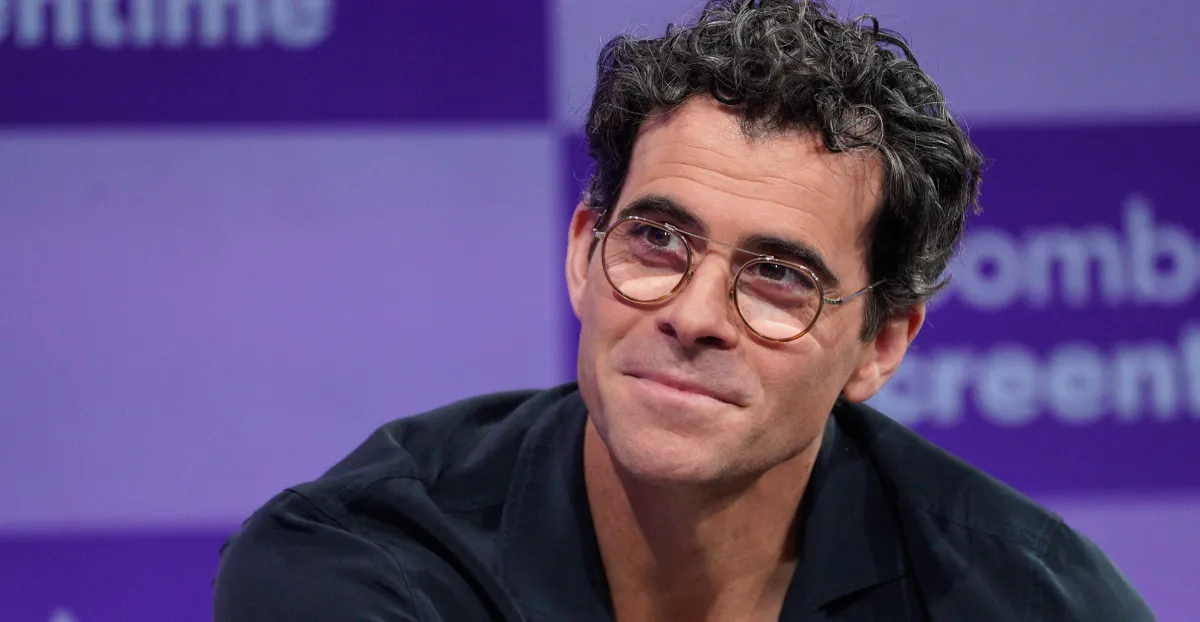
Instagram head Adam Mosseri says the app should not completely filter out AI-generated posts, arguing that people who dislike synthetic content should simply avoid engaging with it in the first place. His comments matter because they clarify how Meta plans to handle one of social media’s fastest-growing moderation challenges as AI-made photos and videos become harder to detect.
Speaking on Lenny Rachitsky’s podcast, Mosseri said Instagram’s goal should be to label AI content rather than block it. He framed the issue as a choice between transparency and overreach, while also acknowledging that the company’s systems may not always be able to tell whether a post was made by a camera or by a model.
The remarks come as social platforms face growing pressure to curb spam, deception and abuse tied to synthetic media. At the same time, Meta is pushing more AI creation tools into Instagram, including features that can generate images and let users insert other people into them, raising fresh concerns about safety, consent and identity misuse.
What Mosseri is saying about AI on Instagram
Mosseri’s position is straightforward: Instagram should tell users when content appears to be AI-generated, but it should not create a universal filter that removes such posts from everyone’s feed. In his view, the platform should label the material and let users decide how much they want to interact with it.
That approach sets up a distinction between disclosure and suppression. Rather than treating AI content as something that should be hidden by default, Mosseri is describing it as a category that should be clearly identified so users can make their own judgments.
Mosseri said Instagram should not filter out AI content entirely, but should make clear whether a post appears to be AI-generated so people can decide whether they want it in their feed.
He also suggested that users who actively enjoy synthetic media should be able to shape their feeds around it. In his words, there should be room for a feed dedicated almost entirely to AI-made posts if that is what a person prefers.
Why Instagram is resisting an AI-only filter
Instagram’s reluctance to offer a simple AI off-switch appears to reflect both product philosophy and technical limits. Mosseri is drawing a line between preventing harmful behavior and restricting a broad category of content that, in many cases, is harmless or even creatively useful.
Platforms such as TikTok, YouTube and Facebook have already moved toward labeling AI-generated material rather than removing it wholesale. Instagram is following a similar path, and Mosseri’s comments suggest the company sees labels as the more scalable approach.
That decision also preserves flexibility for creators and brands experimenting with generative tools. A blanket filter could unintentionally penalize legitimate uses of AI, including art, design mockups, marketing concepts and edited storytelling.
How does Instagram plan to identify AI content?
Instagram plans to rely on detection systems, but Mosseri admitted that the task is becoming harder as generative models improve. In his view, the company may eventually lose some of its ability to detect AI with confidence.
He said users should be able to ask whether a post is AI-made and receive one of several answers: likely AI, uncertain, definitely not AI, or clearly real. That framing suggests Instagram wants to move away from binary judgments and toward probabilistic labeling.
Mosseri also floated a different strategy: labeling verified camera-captured content instead of trying to identify every synthetic post. That idea echoes remarks he made in late 2025 about fingerprinting “real” media, which would invert the burden of proof by focusing on authentic capture rather than synthetic detection.
How hard is AI detection for platforms?
It is difficult, and Mosseri said so plainly. As generative systems improve, AI-made images and videos become more realistic, more varied and more difficult to distinguish from camera-produced content.
That creates a moving target for moderation teams. Detection tools that work today may fail tomorrow, and labeling systems can be undermined when edits, compression, reposting or hybrid workflows blur the line between real and synthetic media.
For social platforms, the challenge is not only technical but operational. If labels are too aggressive, they risk false positives and creator backlash. If they are too weak, they can become meaningless, giving users a false sense of security while spam and impersonation spread.
| Platform | Stance on AI content | User filter option | Key risk |
|---|---|---|---|
| Label AI content, do not broadly remove it | No AI-wide feed filter | Harder-to-detect synthetic media | |
| Uses AI labels in many cases | Limited filtering tools | Spam and misleading posts | |
| TikTok | Labels synthetic content | Limited filtering tools | Viral AI misinformation |
| YouTube | Disclosure rules for synthetic media | Limited filtering tools | Deepfake manipulation |
What kind of AI content is Instagram worried about?
Instagram’s concern is not AI content in general, but the spammy, manipulative and abusive material that can flood feeds when generative tools are used at scale. Mosseri said the company needs to figure out how to crack down on that type of content.
That includes low-quality AI posts designed to game engagement, misleading visuals presented as real, and harmful material that exploits the speed and reach of social media. On a platform built around visual sharing, synthetic images can spread quickly before users or moderators have time to assess them.
At the same time, the line between creative use and harmful use can be thin. A harmless artistic image may become problematic if it is presented as authentic news, used to impersonate a person or deployed to harass someone.
Why labels alone may not solve the problem
Labels help with transparency, but they do not stop abuse. If someone wants to spread a deceptive image, a small disclosure may be overlooked, misunderstood or ignored entirely.
That is why moderation advocates often argue for stronger interventions against certain categories of synthetic media, especially scams, impersonation and sexually exploitative content. Labels can inform users, but enforcement still has to target bad actors.
How Meta’s newest AI tools complicate the debate
Instagram’s own AI products make the company’s position more complicated. Meta’s image generator, Muse Spark, now allows users to place other people into AI-generated creations simply by tagging them.
That feature may sound playful on the surface, but it also introduces obvious abuse scenarios. A tool that makes it easier to insert a real person into a generated image can be used for harassment, fake endorsements, false sexualized content or identity manipulation.
Critics warned that letting people add others into AI-generated images creates clear opportunities for exploitation, harassment, sexual abuse and fraud.
Those concerns are not hypothetical. Social networks already struggle with deepfake porn, revenge content and impersonation schemes, and tagging-based insertion tools can lower the barrier for all three.
The tension is now built into Meta’s strategy: the same company that says AI should be labeled rather than banned is also adding features that expand the reach of synthetic creation inside its flagship social app.
What are the safety and trust risks?
The biggest risk is erosion of trust. If users cannot tell what is real, AI content can make the feed feel less reliable, especially when synthetic images are mixed with ordinary posts from friends, creators and brands.
Trust problems also affect safety. Images or videos used in harassment campaigns can circulate widely before a target understands what is happening, and AI-made content can make it harder for users to prove abuse or counter false claims.
For platforms, the issue is reputational as well as ethical. Social apps that fail to control abusive AI content could face criticism from advocates, regulators and users who feel the products are becoming harder to use safely.
- Synthetic media can amplify spam and scam content.
- Deepfakes can be used for harassment or impersonation.
- Labels may inform users but do not prevent abuse.
- Detection becomes harder as models improve.
- Consent issues grow when people are inserted into generated images.
Timeline: how Instagram’s AI stance has evolved
Instagram’s current approach did not appear overnight. The company has been steadily moving toward a system that labels synthetic content while keeping the feed open to AI-made posts.
| Date | Development | Significance |
|---|---|---|
| December 2025 | Mosseri discussed fingerprinting “real media” | Suggested a shift toward verifying authentic content |
| Early 2026 | Meta expanded AI creation tools on Instagram | More users gained access to synthetic image generation |
| July 2026 | Mosseri said users who dislike AI should not have it in their feed | Reinforced the company’s label-not-ban strategy |
How does this fit into the wider social media debate?
Instagram’s position reflects a broader industry compromise. Most major platforms have decided that AI content is too widespread, too useful and too difficult to police to justify a full ban, so the practical answer has been disclosure rather than removal.
That compromise is under strain as synthetic content becomes more realistic and more abundant. The more AI-generated material flows through feeds, the more users want controls to exclude it, especially when it appears spammy or deceptive.
But platforms also face pressure not to overcorrect. AI tools are now embedded in creation workflows across entertainment, marketing, design and personal expression, and many users do not want those capabilities treated as suspicious by default.
Who benefits from Instagram’s current approach?
Creators, hobbyists and brands experimenting with generative tools may benefit most from a label-first policy. It allows them to publish AI-assisted work without facing an automatic feed ban.
At the same time, users concerned mainly with authenticity may feel underserved, because Instagram has not promised a direct way to remove synthetic content from their experience.
That split shows why the debate is so difficult. Any policy that helps one group can frustrate another, especially on a platform with more than one billion potential preferences compressed into a single feed-ranking system.
What happens next?
Instagram is likely to continue refining labels, detection systems and spam enforcement rather than introducing a broad user-controlled AI filter. Mosseri’s comments indicate that the company wants to improve transparency without turning AI into a separate class of forbidden media.
In the near term, the key question is whether labels can keep pace with increasingly convincing synthetic content. If they cannot, Instagram may face stronger demands for clearer provenance tools, better authenticity markers and more aggressive safety restrictions on certain AI features.
For now, the company’s message is that AI is part of the platform’s future, not something it intends to remove. Users who want less of it may not get a hard filter, but they are being told the app will at least try to identify what they are seeing.
That may be enough for some users and nowhere near enough for others. As synthetic media becomes more central to social platforms, that tension is likely to define the next phase of the debate.
Frequently asked questions
Does Instagram plan to filter out AI content?
No, Instagram does not appear to be planning a broad AI filter for feeds. Adam Mosseri said the platform should label synthetic content so users know what they are seeing, but he argued against removing AI posts entirely.
Why doesn’t Instagram want to block AI-generated posts?
Instagram’s leadership appears to believe a blanket block would be too blunt and would also catch legitimate creative uses of AI. Mosseri also said AI detection is difficult and may become even less reliable as generative models continue to improve.
Can users tell Instagram to hide AI content?
Not in the way many users want. Mosseri said people who do not like AI should avoid having it in their feed, but Instagram has not announced a dedicated setting that filters out all AI-generated posts.
What are the risks of Meta’s AI image tools?
The main risks are harassment, fraud, impersonation and exploitation. Features that let users insert other people into generated images can be misused to create deceptive or abusive content, especially if the images are shared widely and labeled poorly.