In short
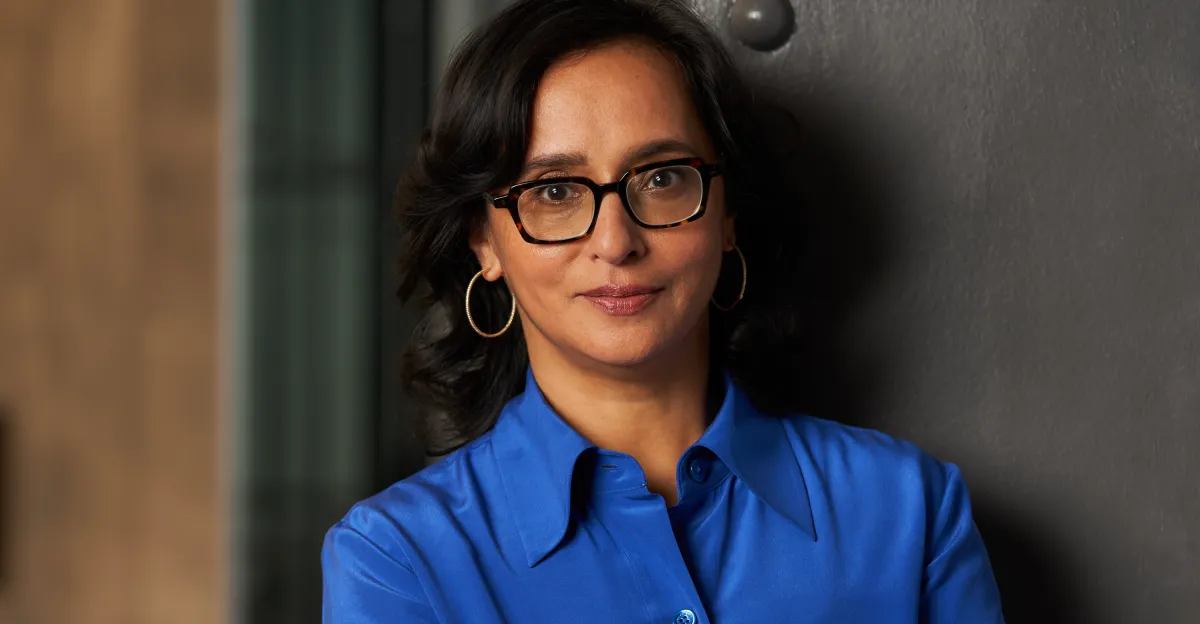
OpenAI chief revenue officer Denise Dresser is leaving the company in the coming weeks, becoming the latest senior exit after Brad Lightcap’s departure earlier this week. The move adds to leadership churn as OpenAI prepares for a possible IPO and a more structured commercial phase.
- Denise Dresser will leave OpenAI in the coming weeks after joining in December.
- Dali Rajic of Wiz will replace her as chief revenue officer.
- Her exit follows Brad Lightcap’s departure and other recent executive changes.
- OpenAI filed a confidential S-1 in June, signaling IPO preparation.
- The company says it is entering an inflection point for its business model and leadership structure.
OpenAI is losing another senior leader, with chief revenue officer Denise Dresser set to leave the company in the coming weeks. Her departure follows the exit of special projects lead Brad Lightcap earlier this week and adds to a growing series of high-profile management changes at the AI company as it prepares for a new phase of growth and a possible public listing.
Dresser, who joined OpenAI in December after serving as CEO of Slack, said in a note to employees shared on LinkedIn that she intends to leave to pursue other opportunities. OpenAI has already lined up a replacement: Dali Rajic, president and chief operating officer at Wiz, will take over the revenue role.
The move comes at a sensitive moment for OpenAI. The company has spent the past year broadening its commercial strategy, expanding its enterprise business and building infrastructure around its flagship models. Losing a senior executive with direct responsibility for revenue, customer relationships and sales execution underscores how much internal change is happening as OpenAI moves from fast-growing AI lab to a more complex corporate operation.
It also arrives before an initial public offering. OpenAI disclosed in June that it had filed a confidential S-1 with the Securities and Exchange Commission, the first formal step toward going public. That makes leadership stability especially important, both for investors and for enterprise customers watching how the company manages the transition.
What happened at OpenAI?
OpenAI confirmed that Denise Dresser will depart in the coming weeks and that Dali Rajic will step into the chief revenue officer job. Dresser’s exit follows the departure of Brad Lightcap, who had been handling special projects after previously serving as chief operating officer.
OpenAI has recently also seen other senior changes, including the departures of former AGI chief Fidji Simo and former chief marketing officer Kate Rouch. Taken together, the exits suggest a broader reshaping of the company’s leadership bench at a time when its products, business model and organizational structure are all evolving quickly.
OpenAI said it is entering “an inflection point,” arguing that the next generation of models will reshape not only how work is done, but also how companies are organized and run.
The company framed Rajic’s appointment as part of that next stage, saying he would help build the “revenue operating system” needed to scale OpenAI’s business further.
Who is Denise Dresser and why does her exit matter?
Dresser is a veteran enterprise executive best known for leading Slack before moving to OpenAI last year. At OpenAI, she was brought in to help professionalize the company’s commercial expansion, a job that likely included coordinating customer growth, enterprise sales, partnerships and monetization strategy.
Her departure matters because OpenAI is no longer just a research organization. It is now a major software and platform company with a growing roster of paying customers, product lines and operational demands. A chief revenue officer sits at the center of those efforts.
When a company is preparing for an IPO, that role becomes even more important. Investors will want confidence that revenue growth is durable, predictable and supported by a stable leadership team. Enterprises buying OpenAI tools will also be watching for continuity in account management and product support.
Why this role is so important now
The chief revenue officer is often one of the most visible executives in a software company. The position typically oversees sales, pricing, go-to-market strategy and customer retention. At a company like OpenAI, which sells AI tools to individuals, teams and large organizations, the role can also shape how quickly new products become recurring revenue streams.
OpenAI is trying to scale beyond consumer enthusiasm and developer interest into a more durable business. That means the CRO must help translate technical breakthroughs into contracts, renewals and long-term relationships.
How does this fit into OpenAI’s leadership shake-up?
Dresser’s exit is the latest sign of a broader executive churn inside OpenAI. Over the past several months, the company has seen notable leaders step aside, move into new roles or leave entirely.
Lightcap’s departure earlier this week was especially notable because Dresser had picked up some of his responsibilities after he shifted to special projects. That means OpenAI is now redistributing work more than once in a short period, a sign of both growth and internal reorganization.
For a company of OpenAI’s size and influence, frequent leadership changes can have mixed interpretations. On one hand, they can reflect the normal turbulence of a business scaling rapidly. On the other, they can raise questions about succession planning, role clarity and long-term strategic alignment.
Recent OpenAI executive changes
- Denise Dresser, chief revenue officer, is leaving in the coming weeks.
- Brad Lightcap, special projects lead and former COO, announced his departure earlier this week.
- Fidji Simo recently stepped down from leading AGI-related work.
- Kate Rouch, OpenAI’s former chief marketing officer, also exited recently.
Why is OpenAI changing leadership before an IPO?
OpenAI is changing leadership before an IPO because the company is entering a new business phase that demands different skills, structures and oversight. As the company prepares for the possibility of becoming publicly traded, it needs executives who can build repeatable revenue systems and manage the operational discipline expected by public markets.
The company disclosed in June that it had filed a confidential S-1 with the SEC. A confidential filing does not guarantee an eventual listing, but it is a strong signal that OpenAI is at least preparing for one. That process often triggers organizational changes as companies streamline leadership, define reporting lines and harden financial operations.
For OpenAI, the timing is especially significant because its valuation, user base and strategic importance all make it one of the most closely watched private companies in technology. Any leadership movement becomes part of the broader story about whether it can mature into a public-market giant without losing momentum.
| Executive | Role | Status | Notable context |
|---|---|---|---|
| Denise Dresser | Chief revenue officer | Leaving in coming weeks | Joined in December after leading Slack |
| Dali Rajic | President and COO, Wiz | Named replacement | Will take over revenue leadership at OpenAI |
| Brad Lightcap | Special projects lead; former COO | Departing earlier this week | Dresser had taken on some of his former responsibilities |
| Fidji Simo | Former AGI lead | Recently stepped down | Part of a wider leadership reshuffle |
| Kate Rouch | Former CMO | Recently departed | Another notable exit from the executive team |
Who is Dali Rajic, the executive taking over revenue?
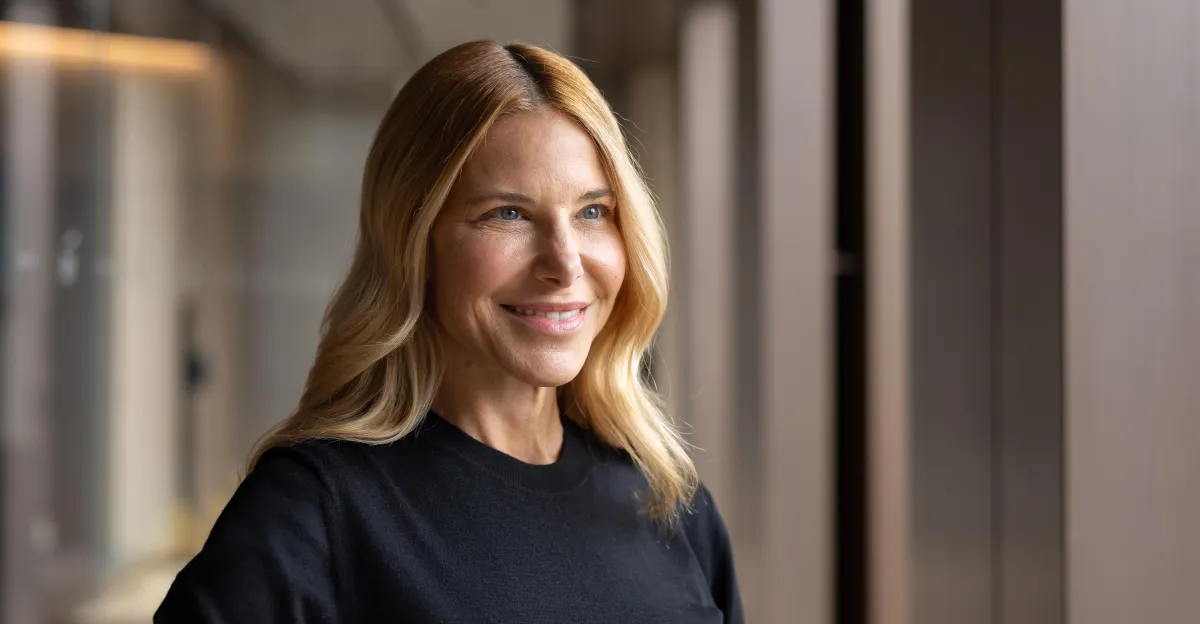
Dali Rajic is currently president and chief operating officer at Wiz, the cybersecurity company. OpenAI said he will assume the revenue chief role, signaling that it wants someone with operational experience as well as growth expertise.
His background suggests OpenAI is looking for an executive who can manage scale, process and execution rather than simply headline sales. At this stage of OpenAI’s development, revenue leadership is not just about landing new deals. It is about building systems that can support a global customer base, a widening product catalog and a more formal corporate structure.
OpenAI’s statement about a “revenue operating system” is telling. The company appears to be thinking less about short-term sales wins and more about the machinery behind sustained commercial growth.
What this means for customers, investors and rivals
For customers, the biggest question is whether service and sales relationships remain steady during the transition. Enterprise buyers generally prefer continuity, especially when they are rolling out AI tools across teams or entire organizations. A leadership change at CRO level can temporarily slow account decisions if responsibilities shift too quickly.
For investors, the departures add another layer of uncertainty around execution. OpenAI’s rapid growth has made it one of the most important names in AI, but public-market readiness requires more than product momentum. It also requires predictable leadership, consistent reporting and clear accountability.
For rivals, the executive turnover may be seen as both a warning sign and an opening. Competitors in enterprise AI often emphasize stability, security and customer support. If OpenAI spends too much time reorganizing leadership, it could give competing platforms a chance to pitch themselves as lower-risk alternatives.
What should observers watch next?
Three things will matter most in the weeks ahead: whether Dresser’s transition is smooth, how quickly Rajic settles into the revenue role, and whether more leadership changes follow. The pattern so far suggests OpenAI is still actively redesigning how it is run.
- Whether OpenAI names any additional replacements or internal reshuffles.
- How the company explains its commercial strategy ahead of a potential IPO.
- Whether enterprise growth continues without a noticeable slowdown.
How big a signal is this for OpenAI’s future?
This is a meaningful signal because executive departures at this level rarely happen in isolation. When one senior leader leaves, another is often already in motion, and the cumulative effect can reveal a company in transition.
OpenAI is trying to manage at least three major transformations at once: scaling its AI products, formalizing its business operations and preparing for the possibility of becoming a public company. Each of those shifts would be challenging on its own. Together, they create a leadership environment where turnover can happen quickly.
That does not necessarily mean there is crisis inside the company. It does mean OpenAI is no longer operating like a young startup with a small leadership circle. It is now behaving more like a large platform company with specialized executives, overlapping mandates and the pressure to keep growing while reorganizing at the same time.
For now, the message from OpenAI is that the company sees the changes as part of the natural evolution of a business at an “inflection point.” Whether that proves to be a smooth transition or the start of a more turbulent period will depend on how the new leadership team performs in the months ahead.
Either way, Dresser’s departure adds to the sense that OpenAI’s executive lineup is being rebuilt for a different era — one defined less by experimentation alone and more by the demands of scale, revenue and public scrutiny.
| Milestone | Date | Why it matters |
|---|---|---|
| Dresser joins OpenAI | December 2025 | Brings enterprise and revenue leadership experience from Slack |
| OpenAI S-1 filing disclosed | June 2026 | Signals preparation for a possible IPO |
| Lightcap announces departure | Earlier this week | Creates a fresh opening in OpenAI’s leadership structure |
| Dresser announces exit | August 13, 2026 | Extends the company’s run of high-level departures |
As OpenAI continues to expand its reach and complexity, the company’s executive turnover will remain a key indicator of how well it can balance ambition with operational stability. Dresser’s exit is not just another personnel update; it is another clue about the shape of the company that is trying to become.
Frequently asked questions
Why is Denise Dresser leaving OpenAI?
She is leaving to pursue other opportunities, according to a note she shared with employees on LinkedIn. OpenAI said her departure will happen in the coming weeks, and it has already named Dali Rajic as her replacement.
Who is replacing Denise Dresser at OpenAI?
Dali Rajic, the president and chief operating officer of Wiz, is taking over as OpenAI’s chief revenue officer. OpenAI says he will help build the revenue systems needed for the company’s next phase of growth.
How many OpenAI executives have recently left?
Several senior leaders have exited or shifted roles recently. In addition to Dresser and Brad Lightcap, OpenAI has also seen departures from Fidji Simo and Kate Rouch, making this a notable period of leadership turnover.
Is OpenAI preparing for an IPO?
Yes, OpenAI appears to be preparing for a possible IPO after disclosing in June that it had filed a confidential S-1 with the SEC. That filing is a standard early step in the public listing process, though it does not guarantee one will happen.
What does this mean for OpenAI’s business?
It suggests OpenAI is reorganizing for scale. The company is moving from a fast-moving AI developer to a more mature enterprise business, which requires stable leadership, repeatable revenue operations and clearer oversight.