In short
TechCrunch says startups have until Friday night to reserve exhibit tables for Disrupt 2026, after which Expo Hall bookings will close. The conference will run October 13–15 in San Francisco and is expected to draw more than 10,000 tech leaders.
- Exhibit bookings for TechCrunch Disrupt 2026 close Friday, September 18 at 11:59 p.m. PT.
- The $12,500 package includes a three-day table, 10 passes and access to lead-gen and networking tools.
- Disrupt 2026 is expected to bring more than 10,000 founders, investors, operators and tech leaders to Moscone West.
- Regular ticket pricing ends September 25, with savings of up to $200 before the increase.
Startups have until Friday, September 18 at 11:59 p.m. PT to book an exhibit table for TechCrunch Disrupt 2026, or they lose the chance to join the Expo Hall entirely. The deadline matters because the event is expected to draw more than 10,000 founders, investors, operators and tech leaders to San Francisco from October 13 to 15.
For companies trying to win customers, meet venture capitalists and build partnerships in one place, the Expo Hall remains one of the most visible parts of the Disrupt experience. Once bookings close, the opportunity to secure a table at the event will be gone.
What is happening with Disrupt 2026 exhibit bookings?
Exhibit table reservations are closing at the end of the day on Friday, September 18, and TechCrunch says no additional startups will be added to the Expo Hall after that point. The booking window is down to its final hours, making this a hard cutoff rather than a soft deadline.
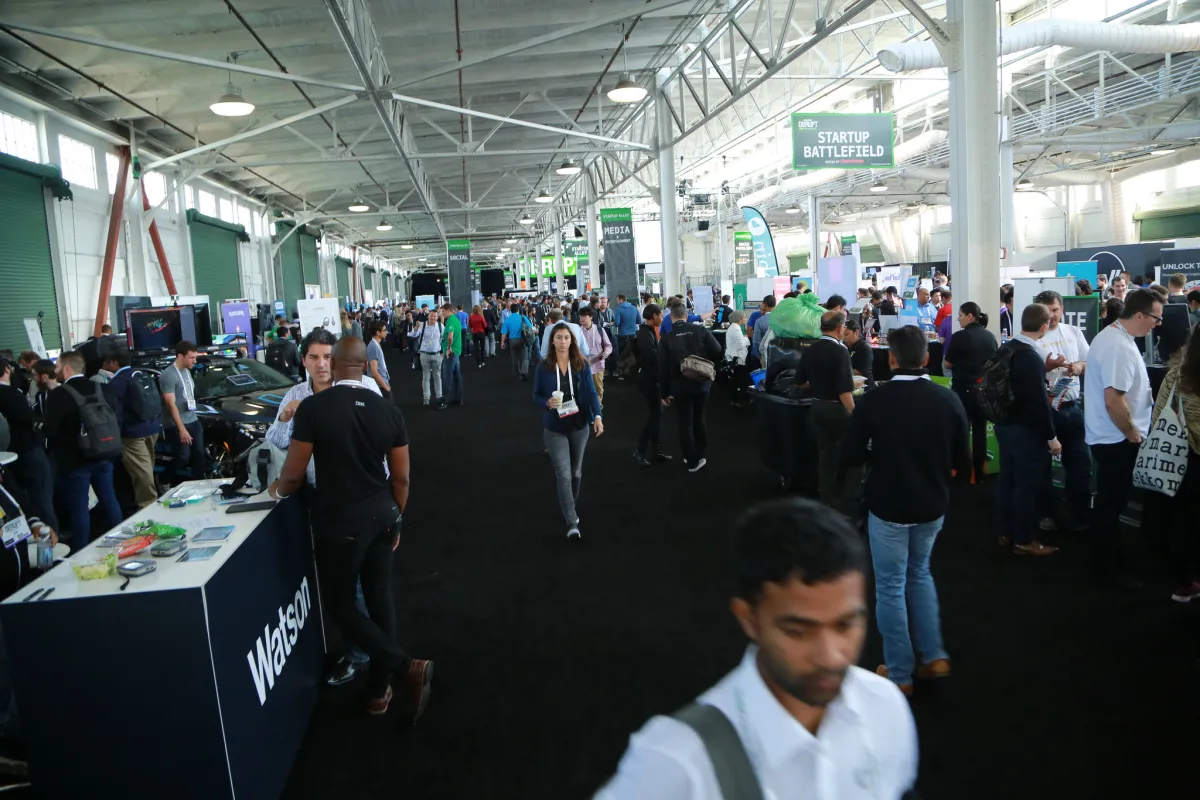
The Expo Hall is designed as a high-traffic showcase area for startups that want to demonstrate products, generate leads and meet people who can help them grow. For founders, the timing is especially important because the conference will bring together a large cross-section of the startup ecosystem at Moscone West in San Francisco.
Why the Expo Hall matters for early-stage companies
The Expo Hall is not just a display area; it is a sales, fundraising and networking platform rolled into one. TechCrunch positions the space as a place where startups can spend three days in front of an audience that includes potential customers, investors and strategic partners.
That concentration of decision-makers is a major reason exhibit space tends to sell out. In a crowded market, visibility at a major conference can help a startup stand out from competitors that are chasing the same capital and the same buyers.
How much does an exhibit package cost?
The standard exhibit package is priced at $12,500 and includes a 6-foot by 30-inch table for the full three-day event, along with 10 team passes. The package also comes with several promotional and access benefits intended to help exhibitors make the most of the event.
Those benefits include lead generation through the Disrupt app and website, access to the press list, Silver Tier sponsor branding, direct access to venture capitalists and entry to networking spaces such as the Deal Flow Café and Investor-to-Founder Networking.
| Key item | Details |
|---|---|
| Exhibit booking deadline | Friday, September 18, 11:59 p.m. PT |
| Event dates | October 13–15, 2026 |
| Venue | Moscone West, San Francisco |
| Expected attendance | 10,000+ founders, investors, operators and tech leaders |
| Exhibit package price | $12,500 |
| Included table size | 6′ x 30″ for all three days |
| Team passes | 10 |
Who gets the most value from exhibiting?
Startups that need immediate visibility, lead generation or investor access are the most obvious candidates. The structure of the event suggests that exhibitors are buying more than square footage: they are buying concentrated access to a high-value audience.
That audience includes venture firms looking for their next investments, operators scouting tools and technologies, and companies searching for commercial partnerships. For some founders, the most valuable outcome may be a customer meeting; for others, it may be an introduction to a future board member or acquirer.
What makes the Expo Hall competitive?
The Expo Hall is competitive because it places startups in direct proximity to peers and rivals that are also hoping to attract the same attention. TechCrunch’s pitch makes that clear: if a company does not show up, another startup may capture the conversation instead.
That dynamic matters in a conference environment where attention is finite. A strong booth presence can create a memorable first impression, especially when dozens or hundreds of companies are vying for it at the same time.
TechCrunch is framing the exhibit opportunity as a last chance for startups to put themselves directly in front of the investors, buyers and partners most likely to move the business forward.
How does the broader Disrupt 2026 program fit into the picture?
The Expo Hall is only one part of the larger TechCrunch Disrupt 2026 program. Even companies that do not exhibit can still attend the event and benefit from the conference’s content, networking tools and startup discovery opportunities.
TechCrunch says this year’s gathering will feature more than 250 top-tier leaders across more than 200 sessions spread over six industry stages. It also highlights AI-powered matchmaking, interactive sessions, more than 300 startups on display and the Startup Battlefield 200, which is one of the event’s signature showcases.
For attendees, that mix means the conference is not just about watching panels. It is about making targeted connections and discovering startups to buy from, invest in or collaborate with.
Why non-exhibitors still have a reason to attend
Non-exhibitors can still use the event to gather market intelligence and establish relationships. The size and diversity of the attendee base increase the odds of meaningful introductions, whether through formal sessions or the event’s networking features.
TechCrunch is also emphasizing the scale of the startup showcase. With hundreds of startups in the room, the conference serves as a kind of living marketplace for new products and emerging technologies.
What are the deadlines and time-sensitive offers?
The most urgent deadline is the exhibit booking cutoff on September 18 at 11:59 p.m. PT. After that, startups will no longer be able to reserve table space in the Expo Hall.
There is another pricing deadline for attendees. Regular ticket pricing ends on September 25, and TechCrunch says buyers can save as much as $200 before prices rise.
| Deadline | What it affects | Why it matters |
|---|---|---|
| September 18, 11:59 p.m. PT | Exhibit table bookings | Last chance to join the Expo Hall |
| September 25 | Regular ticket pricing | Final day to save up to $200 |
| October 13–15 | Disrupt 2026 event dates | Conference and Expo Hall take place in San Francisco |
How TechCrunch is selling the exhibit opportunity
TechCrunch’s messaging around Disrupt 2026 is built around urgency and positioning. The company is not only advertising available tables; it is selling the idea that visibility at the event can accelerate business outcomes that might otherwise take months to secure.
The language used in the event pitch suggests a classic startup tradeoff: pay for a premium presence now, or risk losing the chance to be in front of a concentrated audience of decision-makers later. That calculation is especially relevant for founders trying to conserve cash while still making their company visible in a crowded field.
What is included in the package beyond the table?
The package is built around exposure and access, not just physical space. Exhibitors receive branding support, distribution through the event’s digital channels and access to people who may be hard to reach through cold outreach alone.
- Lead generation via the Disrupt app and website
- Direct access to venture capitalists
- Press-list access for media outreach
- Silver Tier sponsor branding
- Entry to the Deal Flow Café
- Investor-to-Founder Networking access
Why the timing of this deadline matters now
The deadline arrives just weeks before the conference opens, which means startups that want a table must move quickly to prepare materials, staffing and product demos. It also leaves limited time to align booth strategy with conference goals such as lead capture, press outreach and investor meetings.
That compressed timeline can favor companies that already have a sales or marketing plan in place. For those startups, the exhibit package can act as a multipurpose channel for awareness, demand generation and fundraising conversations. For others, the short runway may make the opportunity too difficult to execute effectively.
How founders should think about the tradeoff
The decision to exhibit is less about whether a startup has something to show and more about whether it can turn attention into measurable business value. A booth works best when the team has a clear demo, a short pitch and a process for collecting and following up on leads.
In practical terms, that means the cost is not only the $12,500 exhibit fee. Founders also need to account for travel, staffing, collateral, meeting prep and post-event follow-through.
Background: why Disrupt remains a major startup event
TechCrunch Disrupt has long been positioned as one of the industry’s marquee startup conferences, and the 2026 edition appears to be leaning into that identity. By combining a startup expo, high-profile speakers, curated networking and competitive stages, the event aims to attract a broad mix of the people who shape the technology sector.
The result is a setting where early-stage companies can be discovered by investors, while larger players can track emerging products and talent. In a market where access and timing often determine outcomes, a visible presence at Disrupt can carry outsize value.
That is the central appeal of the Expo Hall: a startup does not need to reach thousands of targets individually when the targets are already gathered in one room.
What attendees can expect if they do not exhibit
Attendees who are not buying exhibit space still have a broad menu of opportunities. TechCrunch says the conference will offer more than 200 sessions, six industry stages and AI-driven matchmaking intended to make networking more relevant.
The event also serves as a discovery platform, with 300-plus startups and the Startup Battlefield 200 giving attendees a way to find companies worth tracking. For investors and operators, that can make Disrupt a compact way to survey where the market is heading.
How to interpret the latest push from TechCrunch
The final-day booking message reflects a familiar event strategy: create a strong sense of scarcity, remind potential exhibitors of the audience scale and make the business case for acting immediately. In startup marketing, urgency is often part of the pitch, but in this case it is backed by a fixed capacity limit.
The practical message is straightforward. If a startup wants a table in the Expo Hall, it must book before the deadline. If it misses the cutoff, the conference will still be open for attendance, but not for exhibition.
At a glance: the opportunity and the risk
For some founders, the Exhibit Hall package could be the fastest way to reach a dense cluster of potential customers, media contacts and investors. For others, the cost and preparation burden may outweigh the benefits. The difference often comes down to whether a company is ready to convert visibility into action.
That is why the final 24 hours matter. The deadline is not simply about securing booth space; it is about deciding whether the company wants a place on the stage where thousands of tech decision-makers will be looking for the next breakout product.
Bottom line: startups that want a table at TechCrunch Disrupt 2026 must act before Friday night’s cutoff, while attendees can still register for one of the industry’s biggest fall conferences and its expanded programming in San Francisco.
Frequently asked questions
When do TechCrunch Disrupt 2026 exhibit bookings close?
TechCrunch Disrupt 2026 exhibit bookings close on Friday, September 18 at 11:59 p.m. PT. After that deadline, startups will no longer be able to add a table in the Expo Hall.
How much does it cost to exhibit at Disrupt 2026?
The standard exhibit package costs $12,500. That price includes a 6-foot by 30-inch table for all three days of the event, 10 team passes and several promotional and networking benefits.
What do exhibitors get with the package?
Exhibitors receive lead-generation support through the Disrupt app and website, direct access to venture capitalists, press-list access, Silver Tier sponsor branding and entry to networking spaces such as the Deal Flow Café.
When and where is TechCrunch Disrupt 2026 taking place?
TechCrunch Disrupt 2026 is scheduled for October 13–15 at Moscone West in San Francisco. TechCrunch says the event will bring together more than 10,000 founders, investors, operators and tech leaders.
Can you still attend if you do not exhibit?
Yes, non-exhibitors can still attend the conference. TechCrunch says the event will feature 250-plus leaders, more than 200 sessions, six industry stages, AI-powered matchmaking and more than 300 startups on display.