In short
Situational Awareness, the AI hedge fund led by former OpenAI alumnus Leopold Aschenbrenner, is reportedly under SEC scrutiny after a sharp selloff in AI stocks hit the firm hard. The investigation is focused on banks connected to its trading and financing, and no wrongdoing has been alleged publicly.
- The SEC is reportedly subpoenaing banks tied to Situational Awareness.
- A late-July drop in AI stocks erased billions of dollars in value at the firm.
- Leopold Aschenbrenner, a former OpenAI alum, leads the hedge fund.
- No public accusation of wrongdoing has been made against the fund.
- The case highlights the risks of concentrated bets on the AI trade.
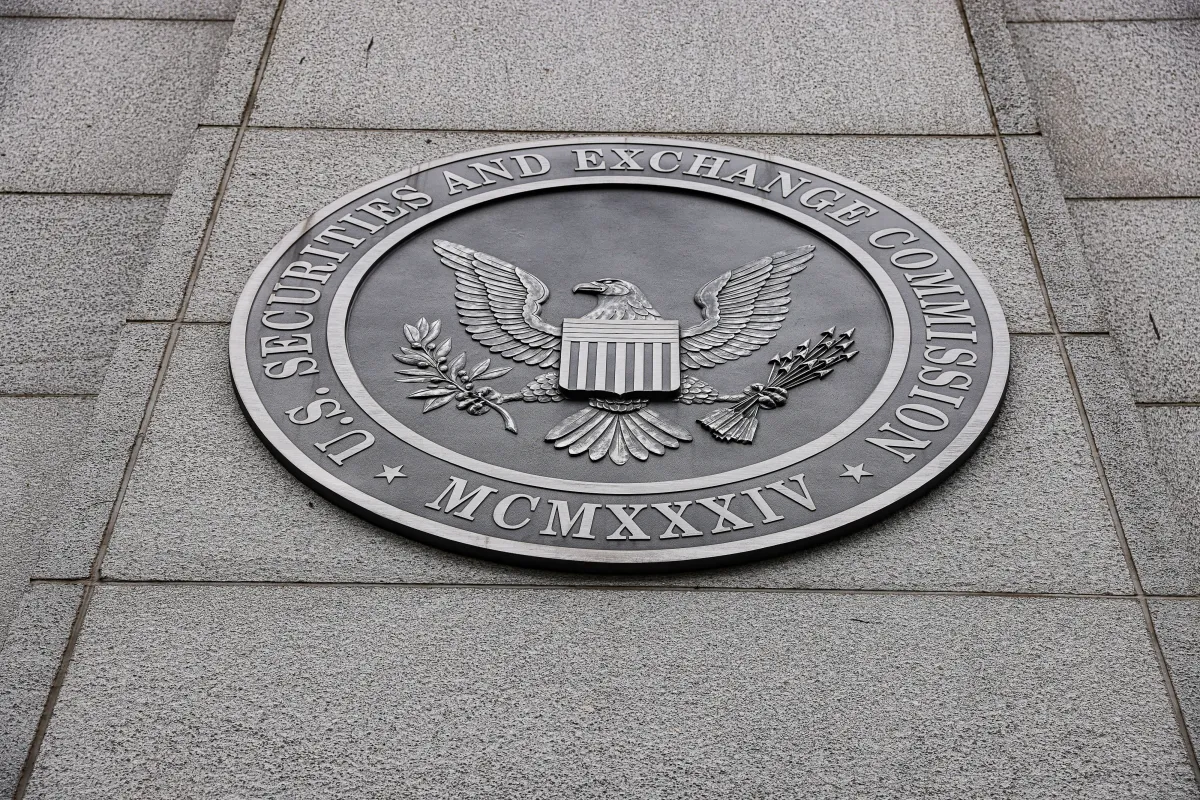
Federal regulators are reportedly investigating Situational Awareness, the closely watched AI hedge fund led by former OpenAI researcher Leopold Aschenbrenner, after a sharp downturn in AI stocks wiped out billions of dollars in value at the firm. The Securities and Exchange Commission has subpoenaed banks connected to the fund’s trading and financing, according to reporting from The New York Times, making an already bruising month for the young firm even more difficult.
The probe comes after Situational Awareness briefly became one of Wall Street’s most talked-about bets on artificial intelligence, attracting attention for its aggressive positioning in AI-related assets and for the speed of its rise. While the SEC has not accused the fund of wrongdoing, the scrutiny underscores how quickly the AI trade has moved from market darling to regulatory and financial stress test.
For a firm that built its identity around the premise that AI’s expansion would reshape markets, the latest developments highlight a different lesson: even the hottest themes can unwind abruptly, and the institutions financing them can find themselves in the spotlight when they do.
What happened to Situational Awareness?
Situational Awareness suffered a major setback at the end of July when a downturn in AI stocks erased billions of dollars in value tied to the fund’s positions and broader exposure to the sector.
The firm had been riding a wave of enthusiasm around artificial intelligence, but the same concentration that helped fuel its rise also made it vulnerable to a sector-wide reversal. Once investor sentiment cooled, the fund’s fortunes changed quickly.
That reversal has now been followed by regulatory attention. The New York Times reported that the SEC has been sending subpoenas to banks that handled parts of the fund’s business, including institutions that oversaw trading activity and those that helped channel financing to support the strategy.
Why is the SEC looking at the banks?
The SEC is reportedly focusing on the financial institutions that stood behind the fund because those banks may hold records showing how the strategy was traded, funded, and monitored.
Subpoenas to banks are a common early step in a regulatory inquiry. In this case, the government has reportedly asked recipients to preserve records related to Situational Awareness, a sign that investigators want to ensure documents, communications, and transaction data are not lost while they assess the situation.
Importantly, the reporting indicates that the fund itself has not been accused of illegal conduct. The inquiry appears to be in the information-gathering stage rather than a formal enforcement action.
What regulators may be trying to learn
Although the full scope of the investigation is not public, subpoenas of this kind often seek to answer practical questions about how a fund was run and how its risks were managed.
- How much exposure the fund had to AI-linked securities
- Which banks provided trading support and financing
- Whether disclosures and internal controls matched the strategy’s risk profile
- How the fund responded when the AI sector sold off sharply
That does not mean any specific problem has been found. It does mean regulators are interested enough to gather documents before deciding whether any next steps are warranted.
Who is Leopold Aschenbrenner?
Leopold Aschenbrenner is the twentysomething founder and manager behind Situational Awareness, and his name has become closely tied to the fund’s rapid ascent.
Aschenbrenner first became known in AI circles through his work at OpenAI, and he later translated that profile into a high-conviction investment thesis. His pitch, in broad terms, was that artificial intelligence would continue to drive large shifts in markets, technology, and capital allocation.
That bet drew attention well beyond the usual hedge-fund audience. In a crowded investing landscape, a young OpenAI alumnus making an outsized wager on AI gave the story an unusual mix of technical credibility, generational appeal, and speculative energy.
The Times reported that Situational Awareness said scrutiny of prominent funds is to be expected and that it would cooperate fully with any regulatory request.
How did the fund become such a talking point?
Situational Awareness became a Wall Street curiosity because it was not just investing in AI as one theme among many. It was built to make AI the central organizing principle of the portfolio.
That focus gave it a kind of narrative clarity that investors often find compelling. At a time when major technology companies were spending heavily on model training, chips, infrastructure, and AI products, a dedicated AI hedge fund seemed to offer a pure play on one of the market’s dominant stories.
The firm’s rapid growth added to the mystique. For a period, its momentum looked like validation of the idea that investors who understood AI early could capture extraordinary returns. The recent reversal shows how quickly that logic can fail when valuations, expectations, and risk appetite shift at the same time.
Why the AI trade turned fragile
The AI market has been buoyed by enormous enthusiasm, but it is also vulnerable to abrupt corrections because many of the sector’s winners are priced for persistent growth.
When a large amount of capital chases the same theme, small changes in sentiment can have outsized effects. That is especially true in a sector where future earnings expectations are high and where companies are often valued on long-term promise rather than current profits.
Situational Awareness appears to have experienced exactly that dynamic: a concentrated bet that looked visionary during the upcycle became painful when the sector moved against it.
What does the reporting say about wrongdoing?
At this stage, the public reporting does not indicate that the SEC has accused Situational Awareness of fraud, misrepresentation, or market abuse.
That distinction matters. Regulatory inquiries can begin for many reasons, including routine oversight of fast-growing or high-profile firms, especially when those firms are connected to large financial movements. A subpoena does not itself establish misconduct.
The Times’ account suggests caution on both sides: regulators are collecting documents, while the fund is signaling cooperation. Until there is a public filing or enforcement action, the case remains an investigation rather than a charge.
| Key item | Details |
|---|---|
| Firm | Situational Awareness |
| Founder | Leopold Aschenbrenner, former OpenAI researcher |
| Recent setback | Late July AI stock slump erased billions in value |
| Regulatory action | SEC reportedly subpoenaing banks tied to trading and financing |
| Public status | No wrongdoing has been alleged publicly |
| Firm response | It says it will cooperate fully with regulators |
Why does this matter beyond one hedge fund?
Situational Awareness has become a broader case study in what can happen when capital markets attach themselves to a dominant technology narrative.
AI has been one of the most powerful market themes of the decade, lifting chipmakers, cloud providers, software firms, and infrastructure suppliers. But the more capital that pours into the same trade, the more it starts to resemble a crowded bet rather than a differentiated edge.
That creates risks for everyone involved: fund managers, lenders, prime brokers, and investors who assume that a technology trend guarantees market gains. The fund’s recent turbulence suggests that conviction alone is not a substitute for diversification or for preparation when volatility returns.
It also illustrates the scrutiny that can follow firms that become symbols of a fashionable trade. Once a fund is associated with a high-profile sector and a sharp rise, outsiders naturally want to know how it was financed, what assumptions powered the strategy, and whether the structure was resilient enough to survive a reversal.
Lessons for the AI investing boom
The episode highlights several recurring lessons for the current AI cycle.
- Popular themes can become crowded faster than expected.
- Concentrated exposure can magnify both gains and losses.
- Regulators often pay closer attention when market losses are sudden and public.
- Firms built around a single thesis are especially exposed when that thesis is challenged.
None of this means the AI industry is slowing down. It does mean the financial market story around AI is more fragile than the enthusiasm sometimes suggests.
How did Situational Awareness respond?
The fund did not provide a direct comment to TechCrunch, but it told The New York Times that scrutiny of high-profile funds is part of the territory and that it would cooperate with any request from regulators.
That response is consistent with how firms often handle early-stage inquiries: acknowledge the process, avoid speculation, and stress cooperation while the facts are still being gathered.
For now, that is all the public knows. There is no indication of an enforcement case, no public complaint, and no detailed statement from the SEC about the scope of its inquiry.
What comes next for the probe?
What comes next will depend on what the SEC learns from the banks and any other parties it contacts.
If investigators see nothing unusual, the matter could end quietly. If they find evidence of disclosure problems, control failures, or other concerns, the inquiry could deepen. For the moment, the most important fact is that the process is still in its early stages.
Even without a formal allegation, the investigation is likely to weigh on the fund’s reputation because it arrives at the worst possible time: just after a severe market drawdown and while the AI trade itself is being more closely examined by investors.
Timeline: How the situation unfolded
| Date | Event | Why it matters |
|---|---|---|
| Earlier period | Situational Awareness gains attention as an AI-focused hedge fund | Builds its reputation on a concentrated AI thesis |
| End of July 2026 | AI stocks decline sharply | Billions of dollars in value are reportedly erased at the firm |
| Late August 2026 | SEC subpoenas banks tied to the fund | Signals a regulatory inquiry into trading and financing |
| Current status | No public accusation of wrongdoing | The probe remains an investigation, not a charge |
The bigger picture for AI and Wall Street
Situational Awareness is a reminder that Wall Street’s relationship with artificial intelligence is no longer just about buying the companies that make the tools. It is now also about the funds, lenders, and intermediaries trying to turn AI conviction into a tradable strategy.
That makes the sector’s next phase more complex. As AI becomes more deeply embedded in portfolios, firms can face not only market risk but also the reputational and regulatory pressures that come with being closely identified with a single transformative technology.
For investors, the lesson is straightforward: a compelling narrative can accelerate capital, but it cannot eliminate volatility. For regulators, the case shows that attention often follows both rapid gains and abrupt reversals. And for Situational Awareness, a fund that once captured the imagination of the market, the challenge now is to navigate scrutiny while proving its model can endure beyond the latest swing in AI stocks.
Whether the SEC inquiry leads anywhere remains unknown. What is already clear is that the fund’s most recent chapter has shifted it from poster child of the AI boom to a cautionary example of how quickly that boom can change direction.
Frequently asked questions
What is Situational Awareness?
Situational Awareness is an AI-focused hedge fund led by former OpenAI researcher Leopold Aschenbrenner. It gained attention for making concentrated bets tied to artificial intelligence and for growing quickly during a strong run in AI-related markets.
Why is the SEC reportedly investigating the fund?
The SEC is reportedly looking into banks that did business with the fund, including institutions involved in trading oversight and financing. The inquiry appears designed to gather records, and no public allegation of wrongdoing has been made.
Did Situational Awareness lose money recently?
Yes. A downturn in AI stocks at the end of July reportedly wiped out billions of dollars in value at the firm. The selloff exposed how vulnerable a concentrated AI strategy can be when sentiment turns.
Has the fund been accused of fraud?
No. Public reporting says the SEC has not accused Situational Awareness of any wrongdoing. At this stage, the matter is a regulatory probe focused on records and relationships with banks, not a formal enforcement case.
Why does this story matter to investors?
This story matters because it shows how quickly a hot AI trade can reverse and trigger regulatory attention. It is a cautionary example for investors who may be relying too heavily on a single technology theme.