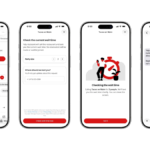
Meta Tries to Make AI Glasses Less Ominous — But Its Broader AI Ambitions Keep Privacy Fears Alive
Meta adds an AI glasses privacy safeguard, but its wider AI data strategy keeps user trust and surveillance fears in the spotlight.

Updates on virtual assistants like Siri, Alexa, and their AI advancements.
Meta adds an AI glasses privacy safeguard, but its wider AI data strategy keeps user trust and surveillance fears in the spotlight.

OpenAI’s new voice models aim to make ChatGPT sound more natural, support live translation and longer conversations, and improve turn-taking.

Smart glasses are fueling a privacy backlash as Meta expands AI wearables, raising new concerns about covert recording and public trust.

Apple’s iOS 27 beta adds Siri voice customization with pace and expressivity controls as the assistant gets a more natural AI makeover.

AI browsers are turning the web into an assistant-driven workspace. Here are the leading Chrome and Safari alternatives in 2026.

Google Home Speaker delivers strong hardware, but Gemini for Home is still slow, inconsistent, and not fully ready.

Meta is charging for some smart glasses features, signaling a bigger smart glasses subscription trend across AI wearables and consumer tech.

Libby is adding AI content filters for ebooks and audiobooks, but OverDrive says it will rely on publisher self-labeling.

California strikes a Claude deal with Anthropic, giving state and local agencies discounted AI access as Newsom pushes AI in government.

Google is making Gemini image generation free for eligible U.S. users, expanding personalized AI that taps Google account data.