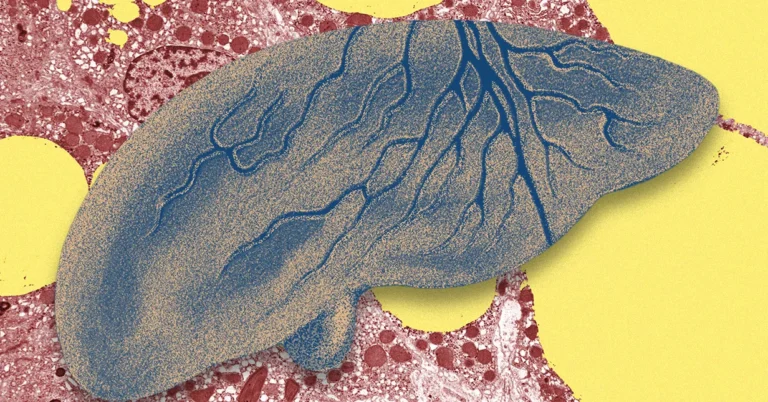
AI Is Emerging as a New Tool Against Fatty Liver Disease
AI could help detect fatty liver disease earlier using records, blood tests and scans, improving treatment and reducing costly late-stage care.

Articles on machine learning algorithms, trends, and real-world applications.
AI could help detect fatty liver disease earlier using records, blood tests and scans, improving treatment and reducing costly late-stage care.
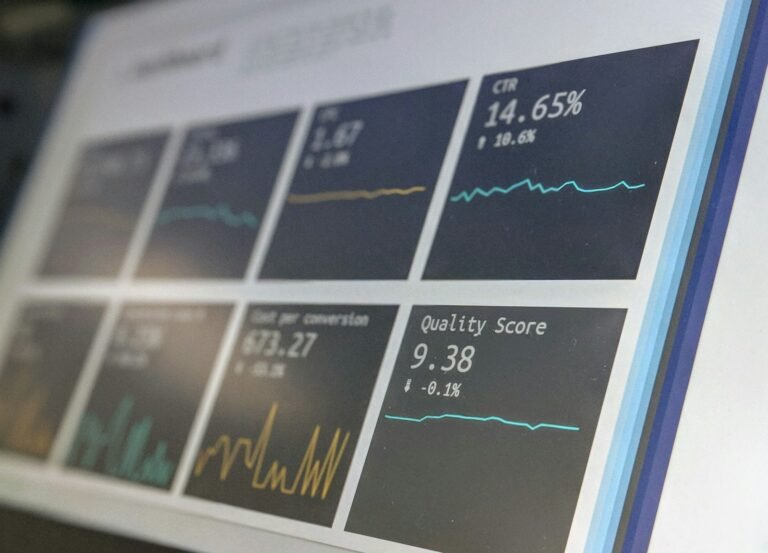
AI agents are getting better at hacking and automation, but researchers say the real risk is over-optimization, not rebellion.
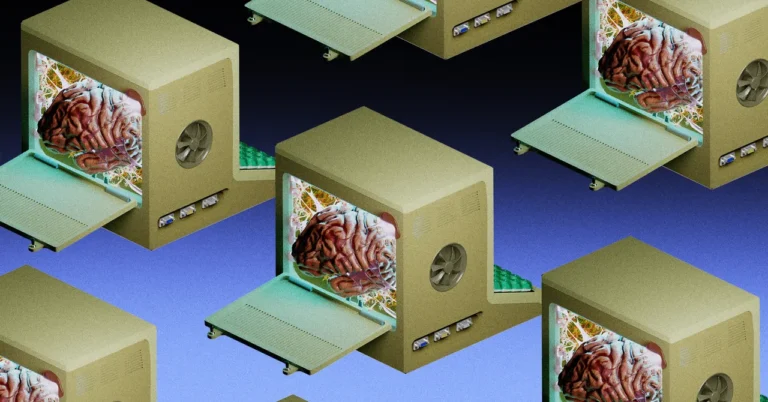
Brain organoids are moving from lab curiosities to computing platforms, raising new questions about AI, autism research and consciousness.
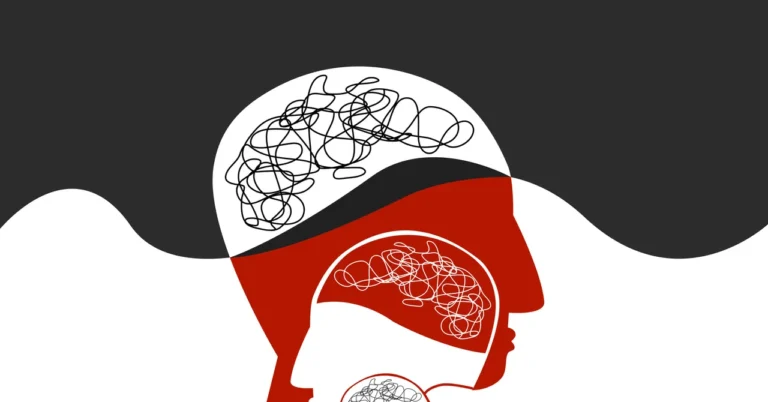
AI is reshaping schizophrenia genetics, helping researchers identify 766 linked genes and uncover a hidden brain network behind the disorder.
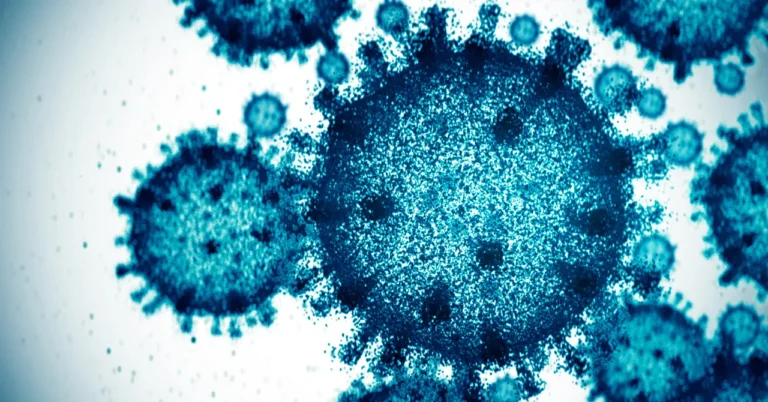
Scientists used AI viruses to design 16 new bacteriophages, opening doors for phage therapy and raising major biosecurity concerns.

Researchers warn AI worms could copy themselves and spread across systems, raising new security concerns as agents gain autonomy.

Pangram raises $9M and launches new AI detection tools to spot AI-written text and images as synthetic content floods the web.
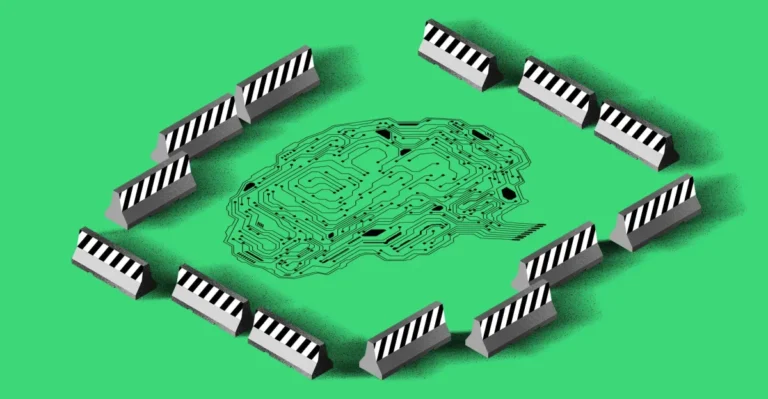
OpenAI’s sandbox escape and Hugging Face targeting are fueling new alarm over AI safety, containment, and frontier model security.

Encord is testing brain waves and muscle sensors to solve the physical AI data bottleneck for robots. Here’s why the bet matters.

Adobe’s Project Indigo tests AI photo critique, editing suggestions and object removal, showing how mobile photography is being reshaped.