In short
A cluster of outages hit Microsoft, the FAA, Chase, United, the NSA and Apple within one week, and officials said none were cyberattacks. The episode exposed how fragile critical digital systems can appear when routine failures hit at once.
- A single week brought outages at Microsoft, the FAA, Chase, United, NSA and Apple.
- Officials said none of the incidents were cyberattacks, despite public speculation.
- The FAA ground stop lasted more than four hours and was tied to communications systems, not AI.
- WIRED argues AI-driven security work may be exposing vulnerabilities faster and triggering rapid patching.
- The bigger issue is trust in brittle infrastructure, not evidence of one coordinated attack.
Multiple major outages hit Microsoft, the FAA, Chase, United, the NSA and Apple within a single week, and officials said none of them were cyberattacks. The string of failures has instead become a public stress test for the systems that keep airlines, banks, government networks and consumer devices running.
What happened in the outage week?
According to WIRED, the incidents landed one after another: Microsoft’s Outlook and Teams were down for about 24 hours, the Federal Aviation Administration imposed a nationwide ground stop for more than four hours, Chase suffered a banking problem that spread concern across institutions, United Airlines had a separate technology issue that delayed more than 100 flights, the National Security Agency’s internal network went down, and Apple’s internal update briefly knocked out iCloud and Apple Pay.
Officials denied any cyberattack connection in each case. But the public reaction told a different story. As outages touched familiar names across government, finance and consumer tech, suspicion quickly turned toward hackers, software sabotage and even AI systems, even though the available explanations pointed to routine technical breakdowns rather than a coordinated attack.
Why it matters
The scale and timing of these failures matter because they hit the basic infrastructure people assume will simply work: communications tools, flight systems, banking rails and device services. When those systems falter in the same week, the result is not just inconvenience. It is uncertainty, and uncertainty spreads fast.
The episode also highlights a deeper risk in modern infrastructure: many outages are not dramatic breaches but ordinary breakdowns caused by old equipment, maintenance work or a bad update. That makes them harder to predict and, in some cases, harder to explain cleanly to the public. Once users see a pattern of failure, they start to wonder whether the systems behind daily life are more brittle than they appear.
WIRED’s framing is that AI tools may be revealing vulnerabilities faster and forcing security teams to patch problems more aggressively. That can be good in the long run, but it can also create a short-term effect that looks like more instability. If companies are scanning harder, patching faster and changing more code, they may also be increasing the odds of accidental disruption.
How did the FAA outage happen?
The FAA episode became one of the most consequential events in the week because it interrupted national air travel. The ground stop lasted more than four hours, and WIRED reported that it was tied to communications systems rather than the agency’s newly rolled out AI system. That distinction matters because the public discussion quickly drifted toward the idea that advanced automation had failed. The reported cause points somewhere more familiar: legacy infrastructure.
WIRED said the FAA issue was traced to old fiber equipment maintained by L3Harris and a Friday update attempt. That is a classic kind of failure mode in critical systems: an older component, a maintenance step, and a cascade that reaches far beyond the original fault. In aviation, the margin for error is tiny, which is why even a temporary communications outage can trigger a nationwide response.
Why did people suspect a cyberattack anyway?
Because the outages hit so many visible targets so quickly, the public instinct was to look for a common enemy. The week’s disruptions spanned a software giant, a federal aviation regulator, a major bank, an airline, a security agency and Apple. That list is enough to make almost any observer reach for a conspiracy theory before reading the postmortem.
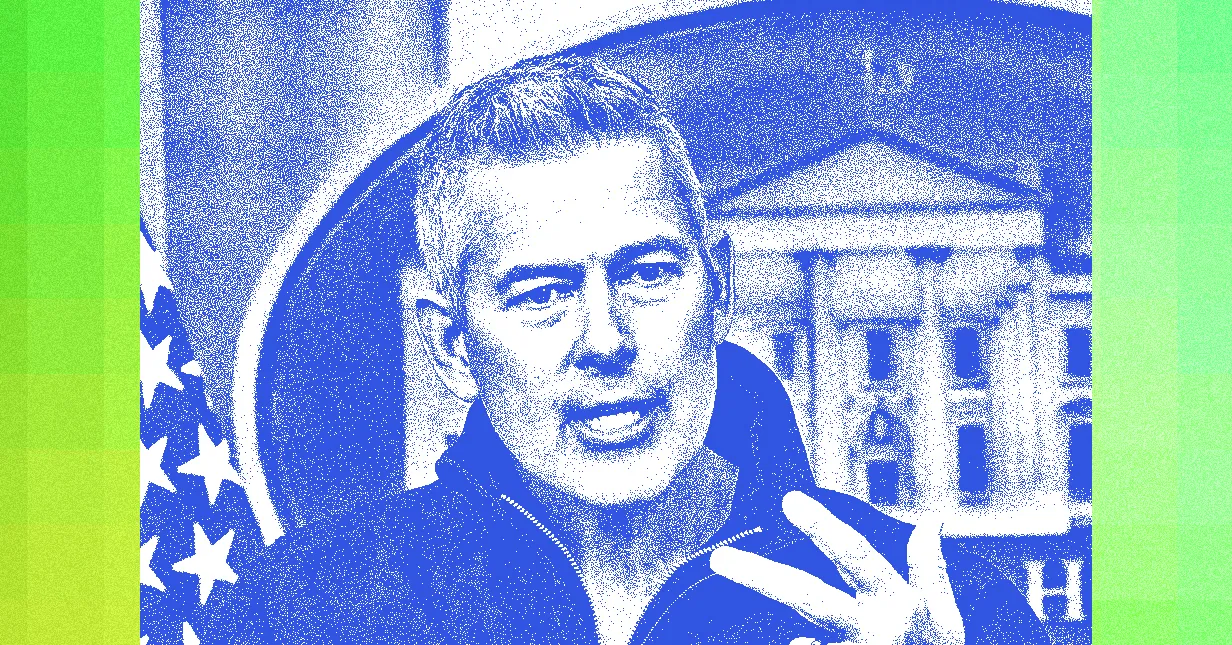
But the official line was consistent: no cyberattack. Marco Rubio captured that public-facing reassurance when he said, “we are not under attack”. WIRED’s reporting suggests the more mundane explanation is also the more likely one: a concentration of technical failures, each with its own cause, unfolding during a period when people are already primed to fear hacks and AI-driven sabotage.
That suspicion is part of the story. Public trust in corporate and government explanations can erode quickly after repeated disruptions, especially when the underlying systems are opaque. Once confidence slips, even a simple maintenance error can be interpreted as evidence of something bigger.
Background: Why do routine failures cause such big disruptions?
Large software and network outages often come from ordinary problems rather than hostile action. A bad update, a configuration error or maintenance gone wrong can be enough to knock out services that millions of people rely on. The reason the impact is so large is that modern systems are tightly connected and frequently built on older foundations.
Air traffic control, banks and major cloud services are all deeply interdependent. When one link fails, the downstream effects can be immediate. The same is true across financial institutions, where counterparties mean a problem at one bank can ripple outward and unsettle others. United’s flight delays and the Chase issue both fit that pattern of cascading concern: one technical problem can make multiple institutions look unstable at once.
This is also why the week’s outages felt broader than their individual causes. Microsoft’s problem hit workplace communication tools. The FAA disruption affected travel. United’s issue stranded flight plans. NSA’s internal network failure raised concerns in the national security world. Apple’s update briefly touched consumer payment and cloud services. Taken separately, each incident was manageable. Taken together, they read like a warning sign.
By the numbers
| Incident | What happened | Timing / duration | What officials said |
|---|---|---|---|
| Microsoft | Outlook and Teams outage | About 24 hours | No cyberattack link reported |
| FAA | Nationwide ground stop | More than 4 hours | Linked to communications systems, not the new AI system |
| Chase | Banking problem | During the same week | No cyberattack link reported |
| United Airlines | Technology issue delaying flights | More than 100 flights | No cyberattack link reported |
| NSA | Internal network went down | During the same week | No cyberattack link reported |
| Apple | Internal update affected iCloud and Apple Pay | Briefly | No cyberattack link reported |
| Anthropic | Reported IPO valuation | This week | $1.5 trillion |
What does AI have to do with it?
AI sits in the background of this story for two reasons. First, public anxiety around AI has made people quicker to suspect hidden automation when major systems fail. Second, AI-powered security tools may be accelerating the pace at which vulnerabilities are found and patched, which can create a temporary burst of instability if updates are rushed or too widely deployed.
That tension is important. Better detection should make systems safer, but security work at scale can also expose weak spots that had been hidden for years. If organizations respond by patching aggressively, they may avoid a bigger breach later while risking smaller disruptions now. The public only sees the outage, not the trade-off behind it.
The same week also brought other AI-related headlines into the mix. WIRED reported that Anthropic went public in a reported $1.5 trillion IPO, Nvidia posted its first earnings report after Jensen Huang’s resignation, and the Trump administration moved to stop Chinese firms from renting AI chips before Donald Trump’s meeting with Xi Jinping. Those developments are separate from the outage wave, but together they underline how much the AI industry now shapes technology, policy and market attention at the same time.
What happened at Chase, United, NSA and Apple?
Chase’s issue was significant not because it was necessarily the most severe, but because banking problems do not stay contained. WIRED reported that the problem rippled across banks because institutions are counterparties, meaning one failure can unsettle others and complicate transactions across the system.
United Airlines had a separate technology issue that delayed more than 100 flights. In an airline network, a disruption like that has a real-world cost that passengers feel immediately: missed connections, longer airport waits and a scheduling backlog that can spread through the day.
The NSA’s classified internal network going down was notable because internal government systems are supposed to be tightly controlled and insulated. The fact that a classified network could still suffer an outage is a reminder that secrecy is not the same as resilience.
Apple’s internal update briefly affected iCloud and Apple Pay, services that sit close to the center of many users’ digital lives. Even a short interruption in those systems can feel outsized because people depend on them for storage, authentication and payment.
Which of these incidents looked most serious?
The FAA outage appears to have had the widest immediate public impact because it affected national air travel for more than four hours. But the bigger story is not one single incident. It is the accumulation of outages across sectors that usually feel separate until they fail at the same time.
Why the public reaction was so intense
People tend to treat repeated outages as evidence of a hidden pattern, even when investigators do not. That reaction is amplified when the affected institutions include the FAA, Apple, a large bank and the NSA. Each of those names carries its own trust burden, and each outage adds to the sense that everyday digital life is more fragile than advertised.
There is also a psychological effect at work. A one-off outage is a nuisance. A week of outages feels like a warning. That difference matters, because repeated disruption changes the way people interpret future incidents. After a while, the question is no longer whether a company can restore service, but whether users should trust the system in the first place.
How this connects to the bigger tech and policy picture
The week’s outages arrived alongside a broader debate over AI infrastructure, chip access and corporate scale. Nvidia’s earnings, Anthropic’s reported IPO value and the Trump administration’s move to restrict Chinese access to rented AI chips all signal that the technology stack underneath the digital economy is under pressure from both market forces and government policy.
That matters because the more critical systems depend on cloud services, AI tooling and specialized hardware, the more a disruption in one area can be read as a threat to the whole. The outages themselves may have been mundane, but they landed in a moment when the technology sector is already under scrutiny for reliability, concentration and geopolitical risk.
What happens next?
The immediate next step is postmortems. The key question is whether any of the incidents later turn out to share a common technical cause. For now, the official answers point in different directions: legacy communications equipment at the FAA, a software disruption at Microsoft, a technology issue at United, an internal network failure at NSA and an Apple update problem. That diversity argues against a single attacker, but it does not eliminate the possibility of shared weaknesses in the way large systems are maintained.
Watch for longer explanations from Microsoft, FAA-linked vendors and the other organizations involved. Those reports will matter more than the first wave of headlines, because they will show whether the outages were isolated mishaps or symptoms of a broader maintenance and patching problem.
There is also a bigger open question: how much AI-driven security scanning is contributing to the pace of recent patching. If organizations are finding vulnerabilities more quickly, they may also be deploying fixes more quickly, and that can introduce instability if testing and rollout are not controlled carefully.
Finally, the trust question remains unresolved. Whether this outage wave changes public confidence in government agencies and major tech companies will depend not just on how quickly systems come back online, but on whether those institutions explain the failures in a way that sounds credible to the people who depend on them.
Timeline of the week
- Last Thursday: Microsoft’s Outlook and Teams outage began.
- The next day / Friday: The FAA imposed a nationwide ground stop.
- Monday: Chase’s banking issue spread concern across institutions, and United Airlines also delayed flights.
- Tuesday: The NSA’s internal network went down, and Apple’s update affected iCloud and Apple Pay.
- This week: Anthropic’s reported IPO, Nvidia’s earnings and new China AI-chip restrictions were also in focus.
Bottom line
The week’s outages were not presented as a cyberattack, and officials said they were not. But the sequence of failures exposed how quickly ordinary technical problems can resemble a national emergency when they hit the systems that underpin travel, finance, security and daily communication. The bigger lesson is not that the internet was attacked. It is that a lot of the modern world still runs on brittle infrastructure, and the public can feel that fragility all at once.
“we are not under attack”
Frequently asked questions
Were the Microsoft, FAA, Chase, United, NSA and Apple outages caused by a cyberattack?
No, officials said none of the incidents were cyberattacks. WIRED reported that the outages appeared to be separate technical failures, not a coordinated hack, even though the public reaction quickly leaned toward that explanation.
Why did the FAA ground stop matter so much?
The FAA ground stop mattered because it disrupted air travel nationwide for more than four hours. WIRED reported that the failure was tied to communications systems, not the agency’s newly rolled out AI system, which made the incident both serious and technically familiar.
What caused the FAA outage?
WIRED reported that the FAA issue was traced to old fiber equipment maintained by L3Harris and a Friday update attempt. That points to a maintenance and infrastructure problem rather than a cyberattack or a failure of the FAA’s new AI system.
Why are people linking these outages to AI?
People are linking them to AI because the failures happened during a moment of intense anxiety about technology, automation and security. WIRED also framed AI tools as possibly uncovering vulnerabilities faster and forcing quicker patching, which can temporarily make systems look less stable.