In short
Meta is reportedly preparing a $300 Muse Charm AI wearable for a holiday 2026 launch, with a possible free year of Verizon 5G service. The device could test whether consumers will pay premium prices for a dedicated AI companion gadget.
- Meta is reportedly targeting a $300 price for Muse Charm.
- The Verge says the device is expected to ship in December 2026.
- A reported free 12-month Verizon 5G plan could be bundled with the device.
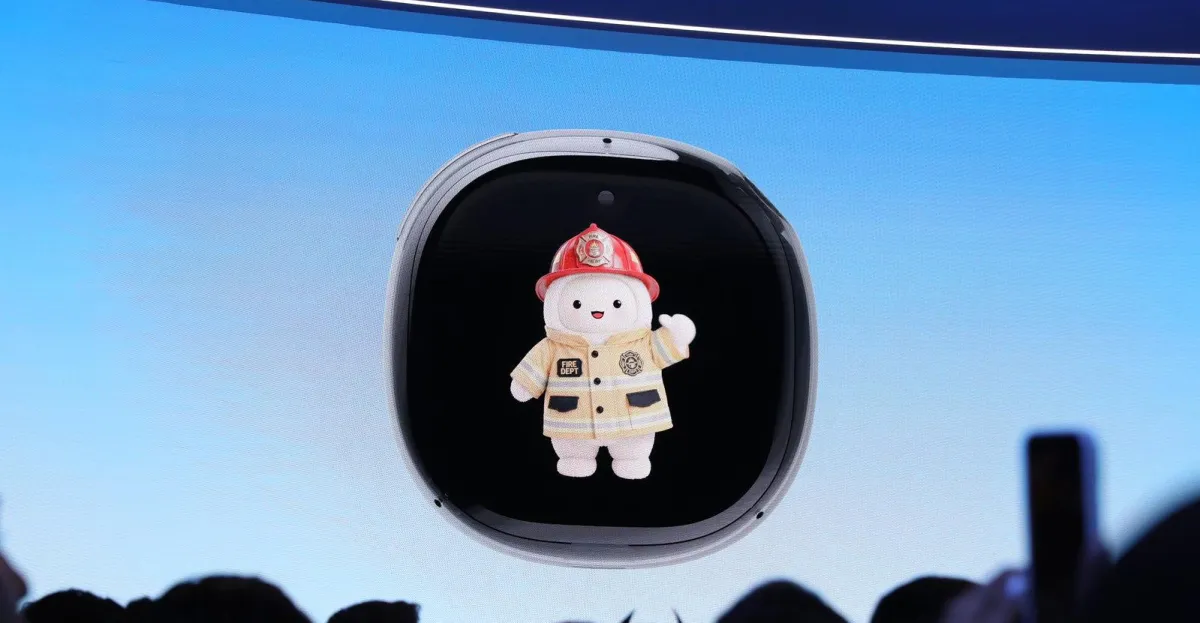
- The Muse Charm is described as a screen-equipped gadget for chatting with Meta’s Muse AI agent.
- AI wearables remain a difficult consumer category despite ongoing industry experimentation.
Meta is reportedly pricing its Muse Charm AI device at $300 and targeting a holiday 2026 launch, a sign the company is preparing to push harder into consumer hardware built around its Muse assistant. The reported price and timing matter because AI wearables have struggled to win broad demand, even as big tech companies keep trying to make them work.
What Meta is reportedly planning
According to TechCrunch, Meta plans to sell the Muse Charm for about $300. The Verge separately reported that the device is expected to ship in time for the holidays in December, with the same reported price tag. Both outlets tied the device to Meta’s broader consumer AI effort, which already includes the Muse helper and customizable avatars.
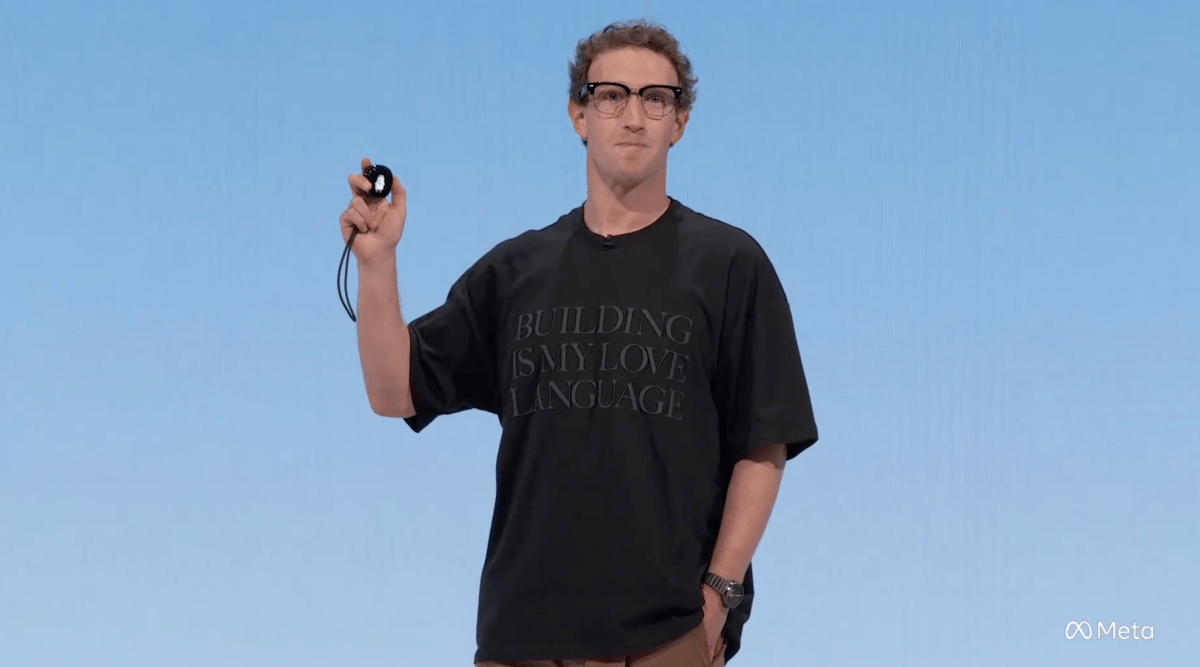
The Muse Charm itself is described as a small, screen-equipped gadget designed for chatting with Meta’s Muse AI agent. The Verge reported that Mark Zuckerberg previously said the Charm packages Muse voice and avatar technology into the device, suggesting Meta is trying to turn its software personality into a dedicated object people can carry or wear.
The device is also said to include a fingerprint sensor and support tap-to-talk interactions without requiring a phone to be unlocked or an app to be opened. That detail matters because it points to a product pitch centered on speed and convenience rather than a full smartphone replacement.
How much will it cost?
Based on the reporting, the headline number is $300. That places the Muse Charm above some lower-cost AI wearables already on the market, while still below the price of many premium consumer electronics devices.
TechCrunch noted that the Charm would sit in a crowded and difficult category, and compared it with rival devices priced at $250 and $75. The same report also pointed to Amazon’s Bee Frontier, which lists for $75 and was sold for $52.49 on Black Friday, along with a $99-per-year subscription. That comparison underscores how sensitive this market is to sticker price and ongoing costs.
Why it matters
Meta’s reported pricing strategy is important because wearables built around AI assistants have not yet proven they can become mass-market hits. Companies have spent years trying to create a new kind of personal computing device that sits between a phone and a smartwatch, but many of those efforts have struggled to justify their hardware costs or deliver a must-have user experience.
For Meta, the question is not just whether the Muse Charm works technically. It is whether consumers will pay $300 for a product whose main promise is easier access to an AI assistant they may already use on a phone, tablet, or computer. That is a tougher sell in a category where novelty alone has rarely translated into durable demand.
The reported inclusion of a free 12-month Verizon 5G data plan suggests Meta understands the adoption challenge. Bundling connectivity can lower the friction of getting started and may make the device feel more complete on day one. But it also raises questions about how much of the device’s appeal depends on subsidized access rather than intrinsic value.
Why carrier support could be a big deal
If the Verizon detail proves accurate, Meta would be signaling that it sees the Muse Charm less as a standalone toy and more as a connected service product. A free year of data could help Meta reduce one of the biggest barriers in consumer hardware: getting people to see the out-of-box experience as immediately useful.
That approach has become familiar across the tech industry. The more a device relies on cloud-based AI, the more important steady connectivity becomes. A data bundle can help smooth the sales pitch, especially for early adopters who are willing to try a new form factor but still expect a polished setup process.
What The Verge, TechCrunch and Deccan Chronicle say
The reporting around Muse Charm is consistent on the broad outlines but differs in emphasis. TechCrunch focused on the reported $300 price, the competitive framing against other AI wearables and Meta’s broader consumer AI push. The Verge added more product detail, including the holiday shipping target, the screen-equipped design and the fingerprint sensor. Deccan Chronicle added that the source of the Charm traces back to Meta’s design lab and Superintelligence AI group.
Those pieces together suggest a product that sits at the intersection of design, AI software and experimental hardware. That blend fits Meta’s recent behavior: the company has spent heavily on AI while also looking for hardware form factors that can make those services feel more natural to use.
Meta spokesperson Tyler Yee did not confirm the pricing, saying, “We’re charmed by the interest in our AI devices, and we’ll have more to share soon.” The restrained response is typical for a company that has not yet formally unveiled the product details, but it also leaves open the possibility that the final pricing or launch plan could shift.
Background: how Meta got here
Meta has been building consumer AI features around Muse for some time, including helper functions and customizable avatars. The Muse Charm appears to be the next step: a purpose-built gadget meant to turn that software into a tangible device that sits closer to the user than a phone app does.
The company’s hardware strategy also makes sense in the context of its wider experiments beyond phones. Meta has already spent years pushing smart glasses and other AI-enabled devices, betting that consumers may eventually want more ambient, less screen-heavy ways to interact with AI. The Charm sounds like another attempt to find the right balance between utility and portability.
Still, the category has been rough. AI wearables have remained difficult to sell despite continued experimentation from multiple companies. Some devices have drawn attention for their ambition, but not enough sustained enthusiasm to establish a new consumer standard. That reality makes every new hardware launch feel like a test of whether the market has changed enough to accept one more try.
What is Muse Charm, exactly?
Muse Charm is reportedly a small gadget with a screen that lets users chat with Meta’s Muse AI agent. The Verge reported that it includes a fingerprint sensor and a tap-to-talk model that avoids the need to unlock a phone or open an app first.
That combination suggests Meta is trying to make the device feel immediate and personal. Rather than asking users to launch a chatbot on a larger device, the Charm appears built for quick, glanceable interaction. In hardware terms, that is the kind of promise that can sound elegant in a pitch deck and difficult in practice if latency, battery life or software quality disappoint.
By the numbers
| Metric | Reported detail | Why it matters |
|---|---|---|
| Price | $300 | Sets the Charm above some lower-cost rivals |
| Launch window | December 2026 | Targets the holiday shopping season |
| Connectivity bundle | 12 months | Reported free Verizon 5G data plan |
| Competing product price | $250 | Friend wearable reference point from TechCrunch |
| Competing product price | $75 | Amazon Bee Frontier list price |
| Bee Frontier sale price | $52.49 | Shows how aggressively this category is being discounted |
| Bee subscription | $99/year | Highlights recurring costs beyond the hardware |
| Related Meta hardware timing | 2027 | Reported launch delay for a Meta smartwatch |
How does Muse Charm compare with other AI wearables?
The short answer is that the Charm appears to be priced in the premium middle of the pack. At $300, it would not be the cheapest option in the category, but it is also not priced like a luxury device. That positioning may be deliberate: cheap products can look disposable, while high-end products are expected to do more than novelty tricks.
TechCrunch’s comparison to the $250 Friend wearable and the $75 Amazon Bee Frontier suggests Meta is entering a market where consumers are already being asked to choose between hardware price, subscription fees and uncertain usefulness. If Meta is offering a free year of Verizon data, it may be trying to reduce the total cost of ownership early on and make the Charm feel more generous than its rivals.
But the same comparison also exposes the problem. Even with a relatively modest price, AI wearables still have to compete with phones, watches and earbuds that already do a lot of what consumers need. Meta will have to prove that Muse Charm offers something distinct enough to justify a separate device in the pocket or on the body.
What happens next
The biggest immediate question is whether Meta will confirm the reported price and launch timing. So far, the company has declined to confirm pricing, and its public response leaves room for change before an official unveiling.
Here are the main things to watch:
- whether Meta confirms the $300 price;
- whether the company sticks to a December 2026 shipping target;
- whether the reported free Verizon 5G plan is included at launch;
- what battery life, software and app integrations Meta reveals;
- whether the smartwatch Meta is reportedly developing remains on track for 2027.
The smartwatch timing may matter as much as the Charm itself. The Verge reported that Meta’s watch plan has been pushed to 2027, which suggests the company is willing to sequence its hardware bets rather than flood the market at once. That could mean the Charm is being used to test consumer interest before Meta expands its AI hardware lineup further.
There is also the broader strategic question of whether Meta can avoid the same fate as other AI wearable hopefuls. The company has scale, cash and an existing AI ecosystem, which are real advantages. But the market has shown repeatedly that good demos do not automatically become sustainable hardware businesses.
Background context: Meta’s consumer AI push
Meta’s Muse effort fits into a wider push to make AI feel more consumer-facing and less abstract. The company has already been building around helper features and avatars, and the Charm looks like an attempt to give those tools a more concrete home. In that sense, the device is not just a product launch rumor; it is a clue about how Meta wants users to experience its AI stack.
Meta has also experimented with letting users build their own DIY Muse gadgets through open-sourced code, according to The Verge. That move suggests the company may be trying both top-down and bottom-up strategies at the same time: sell a polished consumer device while also encouraging hobbyists and developers to tinker with the underlying idea.
That dual approach can help build buzz, but it can also reflect uncertainty about which format will ultimately stick. If the Charm succeeds, Meta gains a template for future AI devices. If it struggles, the company still has the option to pivot its hardware plans, as the reported 2027 smartwatch delay already hints it may be doing.
Bottom line
Meta’s reported $300 Muse Charm puts the company squarely in the middle of the AI wearable race, with a holiday 2026 target and a possible Verizon-backed data bundle designed to make the product easier to adopt. The plan looks ambitious, but it lands in a category where consumer interest has been hard to sustain and where price alone will not determine success.
If Meta follows through, the real test will not be the announcement. It will be whether the Charm can make everyday AI interaction feel useful enough that people keep using it after the novelty wears off.
“We’re charmed by the interest in our AI devices, and we’ll have more to share soon.”
Frequently asked questions
What is Meta’s Muse Charm?
Meta’s Muse Charm is reportedly a small, screen-equipped AI wearable for chatting with Meta’s Muse AI agent. The Verge says it includes a fingerprint sensor and tap-to-talk interaction so users can access the assistant without unlocking a phone or opening an app.
How much will the Muse Charm cost?
The reported price is $300. TechCrunch attributed that figure to a report from The Information, and The Verge separately reported the same price as part of its launch details.
When will the Muse Charm launch?
The Verge reported that Meta expects the device to ship in time for the holidays in December 2026. That launch timing is still unconfirmed by Meta, which has said only that it will have more to share soon.
Will Muse Charm come with cellular data?
According to The Verge, Meta may include a free 12-month Verizon 5G data plan with the device. If true, that would make the Charm easier to use right out of the box and could lower the friction of adoption.
Why is Meta making an AI wearable?
Meta appears to be trying to turn its Muse assistant and avatar technology into a dedicated consumer device. The company has been pushing AI features for users and experimenting with hardware beyond phones, including smart glasses and other connected devices.