In short
Meta opened Connect with a push to make AI and smart glasses central to its future, even as privacy concerns over wearable cameras intensify. The event matters because it could shape how Meta’s next consumer platform is received.
- Meta is using Connect to position AI and smart glasses as the core of its future product strategy.
- Privacy concerns around camera-equipped glasses remain the biggest obstacle to wider adoption.
- The company has already made some privacy fixes and marketing changes, but more may be needed.
- Zuckerberg’s keynote is a key signal of whether Meta sees wearables as near-term products or a longer-term platform shift.
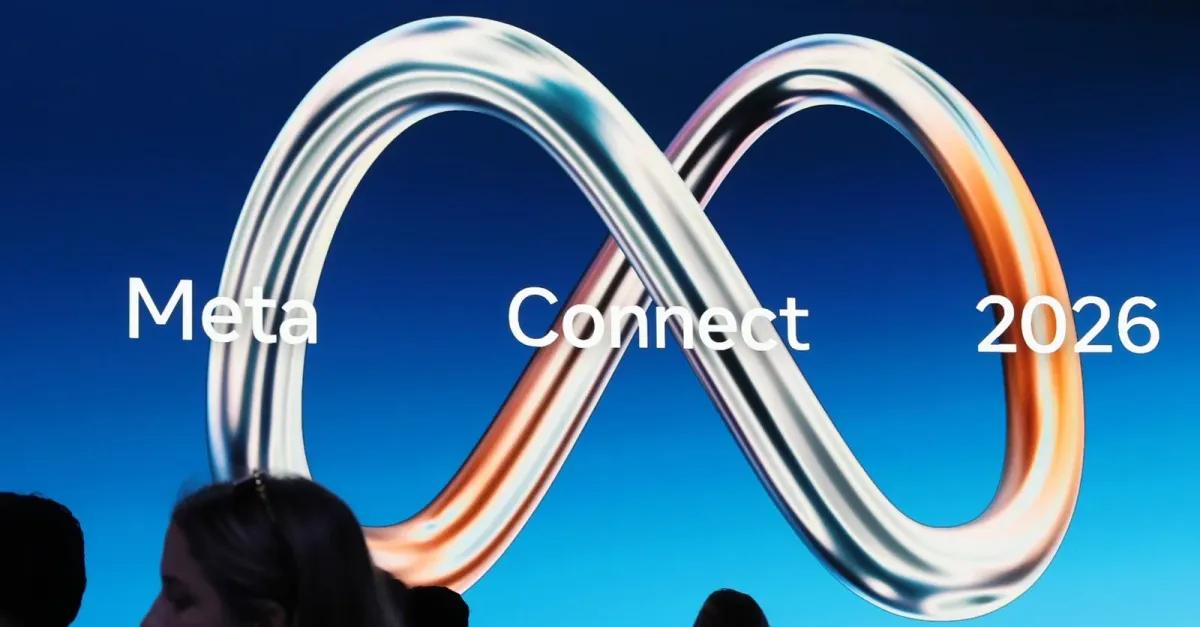
Meta opened its annual Connect conference on Wednesday with a familiar but increasingly urgent message: the company wants to shape the next wave of personal computing around artificial intelligence and smart glasses, even as it faces fresh scrutiny over how those devices handle privacy. The event, led by Mark Zuckerberg in Menlo Park, is important because it could reveal how Meta plans to expand its wearables business, advance its AI ambitions, and reassure users worried about cameras built into everyday eyewear.
The keynote was set to showcase Meta’s broader vision of “building a future for everyone,” a theme Zuckerberg has recently tied to AI, smart glasses, and new consumer hardware. For investors, developers, and users alike, the stakes are clear: Meta is trying to prove that glasses can become the company’s most natural consumer interface for AI, rather than just another gadget category.
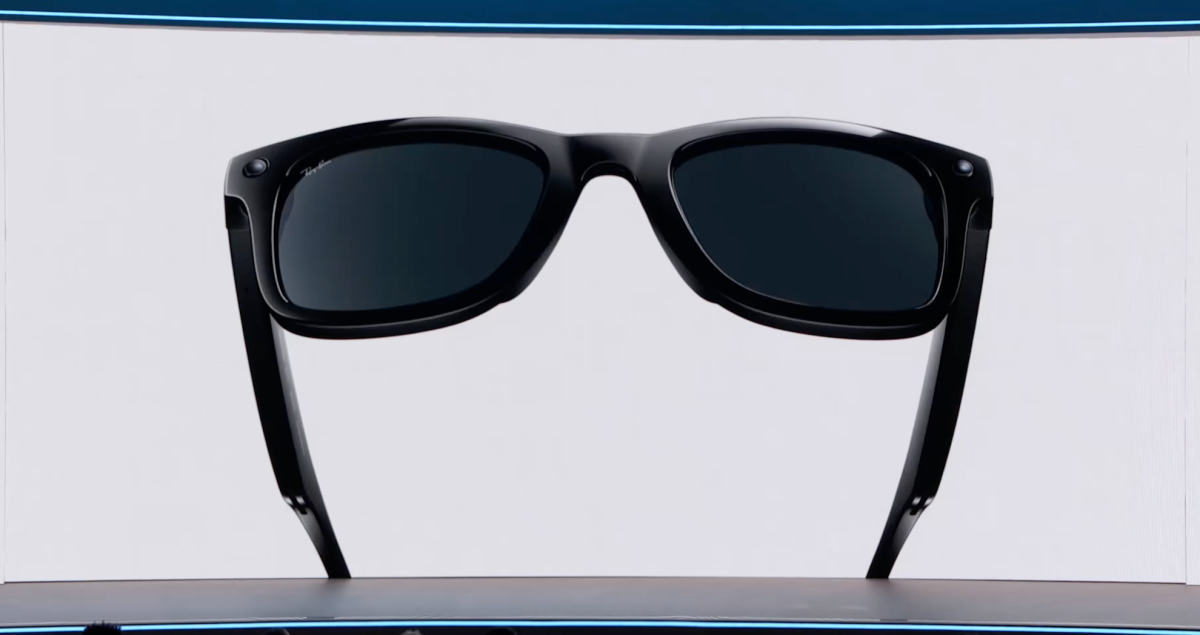
That pitch arrives at a delicate moment. Meta’s glasses line has generated real interest, but it has also drawn criticism over bystander privacy, recording concerns, and a wave of online ridicule that has turned some models into a symbol of surveillance anxiety. Whether Meta responds with new product features, stricter privacy controls, or a stronger public-relations campaign could shape how quickly its wearable strategy grows beyond early adopters.
Why Meta Connect matters now
Meta Connect is no longer just a hardware showcase. It has become one of the company’s main stages for explaining how AI, social software, and wearables fit together into a single platform strategy.
This year’s conference matters for three reasons:
- Meta is trying to deepen its position in consumer AI.
- It is using smart glasses as the most visible example of that strategy.
- It must answer mounting concerns that the devices are moving faster than the privacy safeguards around them.
For Meta, the narrative is straightforward: if AI becomes a constant companion, then glasses may be the best place to put it. Cameras, microphones, and on-device intelligence can make a wearable feel useful in ways a phone sometimes cannot. But those same features also make the product line politically and socially sensitive.
What Zuckerberg is signaling about Meta’s product direction
Zuckerberg has been increasingly explicit that Meta sees AI and smart glasses as connected bets, not separate products. His recent public remarks and long-form writing have framed the next consumer platform as one where digital assistants, visual awareness, and lightweight wearables work together.
That framing helps explain why Connect has become more than a gadget announcement event. It is now the company’s best opportunity to show that its research, software, and hardware teams are converging on a coherent vision rather than chasing scattered experiments.
How AI fits into the glasses strategy
AI is central to Meta’s pitch because it can make glasses more than a camera accessory. In Meta’s ideal version of the product, a user can ask questions, receive contextual help, and interact with digital tools without reaching into a pocket or staring at a screen.
The company has already introduced a range of AI features across its apps, and the arrival of new AI agent tooling has raised expectations that Connect could bring more product-level integrations. If Meta can make its assistant feel genuinely useful through glasses, it could distinguish itself from rivals that are still focused mainly on phone-based AI experiences.
Why smart glasses remain the highest-risk hardware bet
Smart glasses are attractive because they are discreet, wearable, and potentially always available. They are risky because the same design that makes them convenient also makes them difficult for others to notice.
That tension has fueled skepticism for years. A product that can record audio or video from a first-person perspective may feel liberating to the wearer, but unsettling to anyone nearby. Meta now has to persuade the public that the benefits of ambient computing outweigh the possibility of misuse.
How is Meta addressing privacy concerns around its glasses?
Meta is trying to address privacy concerns through a mix of technical changes, updated messaging, and broader marketing designed to make the products feel less adversarial.
The company has already rolled out privacy-related fixes and a new campaign meant to soften the public image of the glasses line. Those steps suggest Meta understands that the biggest obstacle may not be technological capability, but social acceptance.
Meta’s challenge is not just to add features; it has to convince people that wearable cameras can exist without making everyday interactions feel suspicious or invasive.
That is a difficult task because the criticism is not purely about a single feature. It is about the broader feeling that a person wearing Meta glasses might be able to record conversations, settings, or strangers with too little visibility or consent.
At Connect, any further privacy changes would likely matter as much as product upgrades. A clearer recording indicator, improved consent prompts, or tighter control over capture settings could help. So could a more visible effort to educate users on when and how the glasses should be used.
What is driving the backlash?
The backlash stems from several overlapping concerns. First, the built-in camera makes the glasses more intrusive than ordinary eyewear. Second, the product can be worn casually, making it harder for bystanders to know when they are being recorded. Third, Meta’s own reputation has made it a natural target for distrust.
Those worries have been strong enough to shape the social language around the product, with critics reducing the devices to a meme-like shorthand for invasive behavior. That matters because consumer electronics are not adopted only on technical merit; they also depend on public comfort.
What Meta could announce at Connect
Meta did not lay out a full roadmap in the source material, but the event was positioned as a venue where the company could unveil new details about AI and wearables. The most likely areas of focus included the company’s AI agent work, new hardware, and any updates to its glasses lineup.
Because Meta has recently launched a Muse AI agent and has been making steady investments in wearable computing, the keynote was expected to connect those efforts to the company’s broader consumer platform strategy. Even without a specific product reveal, the event offered a chance to refine expectations about where the company is heading next.
| Item | What it means | Why it matters |
|---|---|---|
| Meta Connect keynote | Annual product event led by Mark Zuckerberg | Primary stage for new announcements on AI and hardware |
| Smart glasses | Meta’s wearable device category with built-in camera features | Core to the company’s personal computing strategy |
| Privacy backlash | Public concern over recording and bystander consent | Main barrier to mainstream adoption |
| AI agent efforts | Meta’s push into assistant-style software | Could make the glasses more useful and sticky |
Why smart glasses are central to Meta’s AI ambitions
Meta’s wearables strategy makes sense only if AI can feel immediate and context-aware. A phone can answer questions, but glasses can potentially respond to what a user is seeing or hearing in the moment.
That is the promise Meta is trying to sell: a device that becomes useful before the user even thinks to take out a phone. In practical terms, that could mean live assistance, environmental awareness, hands-free input, and more seamless access to AI features.
For a company whose business has often been described through the lens of social networking and advertising, this is a meaningful shift. Smart glasses could give Meta an entry point into a new computing layer where software is woven directly into daily life.
What makes the category different from phones and headphones?
Smart glasses differ from phones because they are always in view and closer to the user’s line of sight. They differ from headphones because they can observe the world visually, not just audibly.
That combination makes them uniquely powerful for AI, but it also means they are uniquely controversial. The line between convenience and surveillance is thinner than in most other device categories.
The business stakes behind the stage show
Meta’s event is about more than consumer excitement. It is also about proving to the market that the company’s investments in AI and hardware can translate into a defensible long-term platform.
If smart glasses become a meaningful product line, Meta gains a more direct relationship with users and a possible foundation for future services. If they stall because of privacy anxiety or weak consumer demand, the company risks spending heavily on a category that remains niche.
That makes Connect a key moment for both narrative and strategy. Meta needs to convince the public that it is not just chasing a futuristic concept, but building a product category that people will actually want to wear every day.
How does this fit into Meta’s broader product identity?
Meta has been trying for years to define itself beyond social media feeds. Its push into virtual reality, mixed reality, and AI has all pointed to the same goal: to own the next generation of computing interfaces.
Smart glasses sit at the intersection of those ambitions. They are more approachable than a headset, more intimate than a phone, and more visibly tied to AI than a traditional wearable. That makes them both strategically attractive and reputationally hazardous.
What to watch from the keynote
Even before the stage lights came up, several questions were worth watching closely.
- Will Meta unveil new glasses hardware or simply update existing models?
- Will it add new privacy tools that respond directly to criticism?
- How prominently will AI agents feature in the company’s consumer roadmap?
- Will Zuckerberg frame wearables as a near-term product or a long-term platform shift?
The answers matter because they will show whether Meta is still in the phase of experimenting with the category or whether it believes the market is ready for a wider push.
How the public may judge Meta’s next move
Public reaction will likely depend on whether the company can make the glasses feel helpful rather than creepy. A device that genuinely saves time or solves everyday problems has a better chance of overcoming discomfort than one that simply adds another layer of surveillance-like functionality.
That is why the way Meta talks about the product could be as important as the product itself. Language around assistance, control, and transparency may matter as much as camera specs or AI capabilities.
If Meta treats privacy as a side issue, it risks reinforcing skepticism. If it puts privacy front and center, it has at least a chance of reshaping the conversation around the category.
Timeline of the Connect moment
Here is a quick view of the key context surrounding the event and the company’s wearable push.
| Date / Period | Development | Significance |
|---|---|---|
| Recent months | Meta emphasized AI, smart glasses, and broader hardware plans | Signals the company’s strategic direction |
| Leading up to Connect | Meta faced renewed privacy criticism over glasses cameras | Raised the pressure on the keynote |
| Conference day | Zuckerberg opened the annual September launch event in Menlo Park | Main platform for announcements and messaging |
| During the keynote | Expectations centered on AI agents and possible new glasses updates | Could define the next phase of the product line |
Bottom line
Meta’s Connect conference is a test of whether the company can turn smart glasses into a mainstream AI device while convincing people that the technology will respect privacy. The event is significant because it shows how much of Meta’s future may depend on making wearables feel practical, trustworthy, and socially acceptable at the same time.
For Zuckerberg, the challenge is not simply to unveil something new. It is to persuade the public that the next major computing platform can sit on your face without making everyone else in the room uneasy.
Frequently asked questions
What is Meta announcing at Connect?
Meta is expected to focus on AI, smart glasses, and related hardware updates at Connect. The company is using the event to explain how its consumer products, AI agent work, and wearable strategy fit together under Mark Zuckerberg’s broader vision for the next computing platform.
Why are Meta’s smart glasses controversial?
Meta’s smart glasses are controversial because they include cameras and can be worn in a way that makes recording less obvious to other people. Critics worry about privacy, consent, and the possibility of misuse in everyday public and private settings.
How is Meta responding to privacy concerns?
Meta is responding with privacy fixes and a marketing push designed to make the glasses feel less threatening. The company appears to be trying to improve transparency and user control, though it may need more changes to win broader trust.
Why do smart glasses matter to Meta’s AI strategy?
Smart glasses matter because they could become the most natural way to deliver AI assistance in real time. By pairing cameras, microphones, and on-device intelligence, Meta hopes to create a wearable interface that feels more immediate and useful than a phone-based assistant.