In short
Meta introduced its first camera-free AI glasses, a $349 Ray-Ban model focused on audio, calls, translation and its Muse assistant. The launch is meant to ease privacy concerns while Meta also refreshes its camera-equipped glasses line.
- Meta unveiled its first camera-free AI glasses at Connect 2026.
- The new Ray-Ban Meta Audio model starts at $349 and launches for preorder on Oct. 13.
- Meta says the audio-only design is lighter, lasts longer and reduces privacy concerns.
- The company also announced Ray-Ban Meta (Gen 3) with improved camera hardware and new styles.
- Meta is splitting its smart glasses strategy between audio-first wearables and camera-equipped devices.
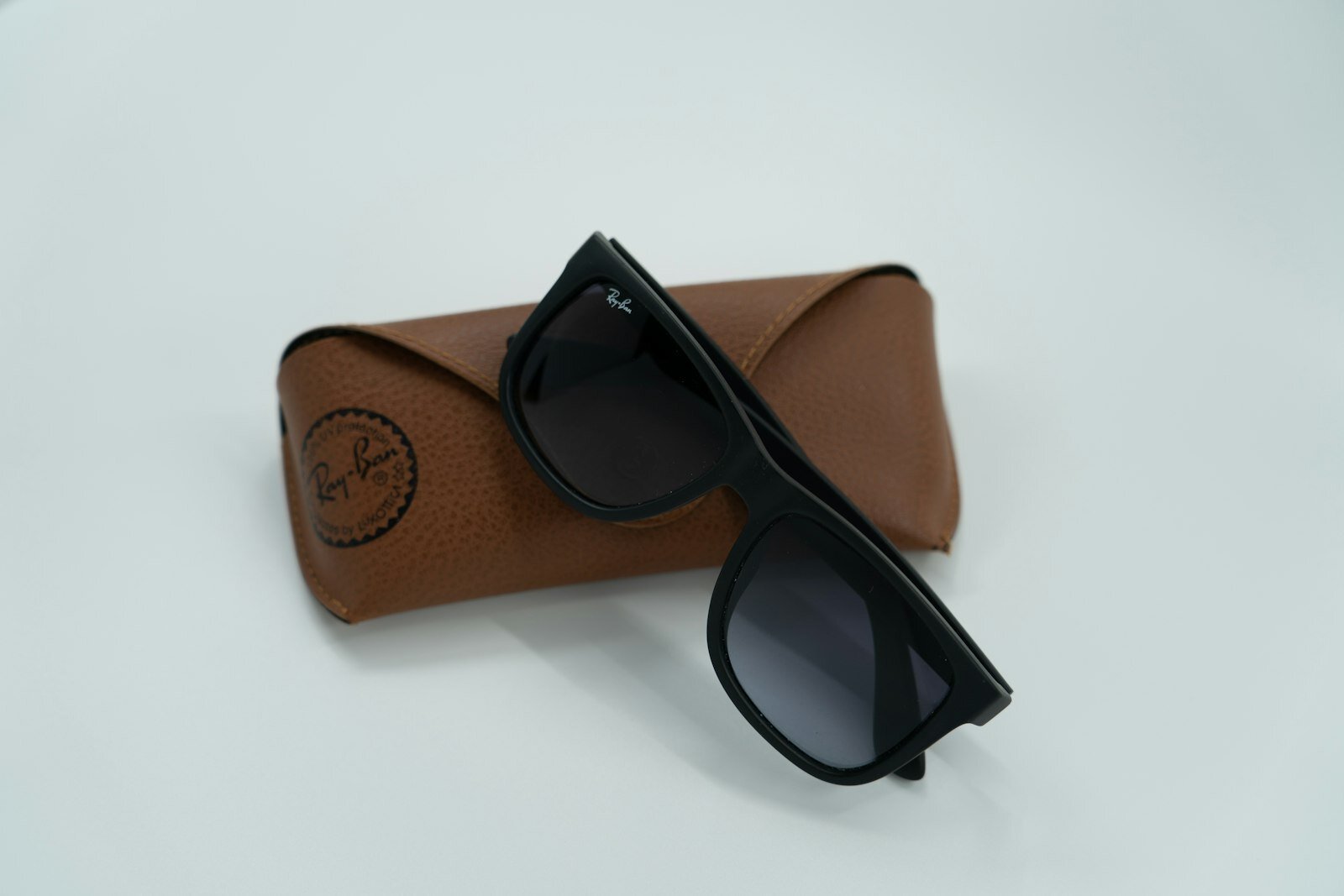
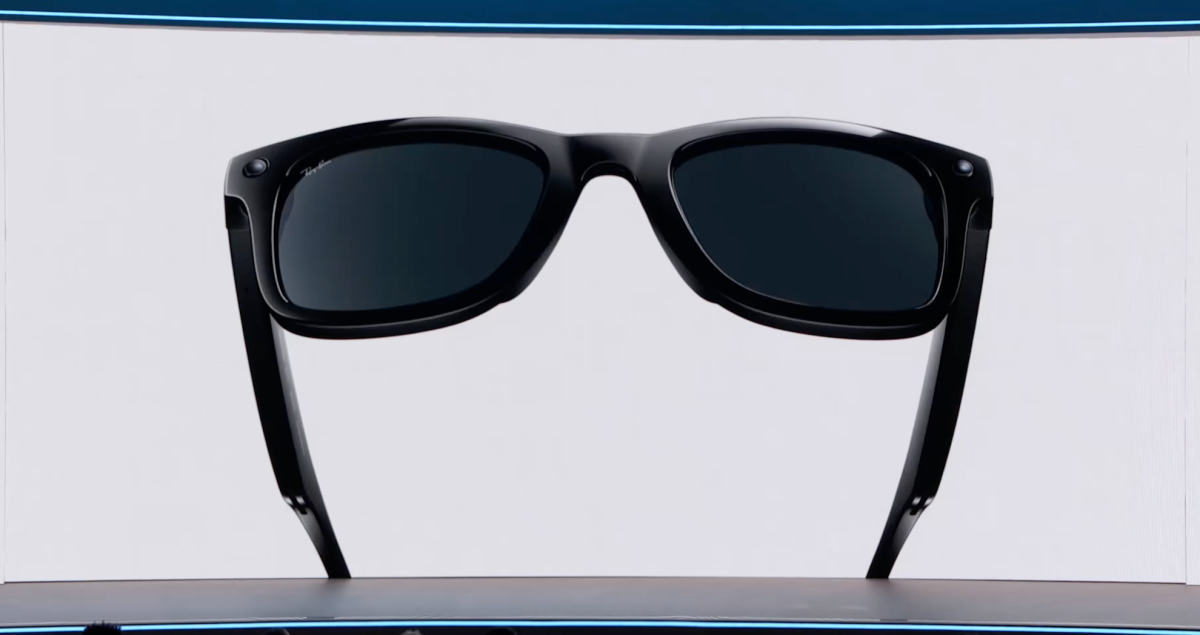
Meta has launched its first camera-free AI glasses, a new Ray-Ban model called the Ray-Ban Meta Audio, in a bid to shift the conversation around smart eyewear away from privacy concerns and toward everyday audio convenience. Announced at Connect 2026 on Wednesday, the glasses are designed to handle music, podcasts, calls, live translation and Meta’s assistant Muse without using a built-in camera.
The move matters because it gives Meta a cleaner answer to the backlash that has trailed AI glasses as people worried about being recorded without consent. By stripping out the camera, Meta is trying to make the category more socially acceptable while also broadening its wearable strategy beyond camera-first devices.
What Meta announced at Connect 2026
Meta used its annual developer and hardware event to introduce two major glasses lines: a camera-free model for audio-centric use and a refreshed generation of its camera-equipped smart glasses. The company framed the new launch as a step toward making wearable AI less intrusive and more useful in daily life.
The audio-only model is built with Meta’s hardware partner EssilorLuxottica and starts at $349. Preorders begin on October 13, according to the company.
Meta also unveiled Ray-Ban Meta (Gen 3), the next version of its existing camera-enabled glasses, which adds a new chip, improved video capture and additional frame styles. Together, the announcements show Meta pushing a two-track strategy: one product for people who want immersive AI and media features without cameras, and another for users who still want visual capture.
Why is Meta making camera-free AI glasses now?
Meta is making camera-free AI glasses now because privacy criticism has become one of the biggest obstacles to mainstream adoption of smart eyewear. The company’s earlier AI glasses were frequently discussed not only as gadgets, but also as possible tools for covert recording.
That reputational problem was made worse by the informal nickname “pervert glasses,” which critics used to describe the devices after concerns emerged about people recording strangers without permission. Meta tried to reduce that risk with software changes that would shut off the camera if the recording light was tampered with, but the broader social discomfort remained.
By removing the camera entirely, Meta is betting that some consumers who were hesitant to buy smart glasses may be more comfortable wearing a model that is focused on audio, communication and assistant features rather than video capture.
“Once you get used to high quality audio, it’s just a thing that you want all the time,” Meta chief executive Mark Zuckerberg said during the keynote, adding that the company realized it could build an entirely new glasses category around audio-first design.
How the Ray-Ban Meta Audio glasses are different
The new glasses are thinner and lighter than Meta’s earlier models because they do not need to accommodate a camera system. Meta says they weigh 43 grams, making them among the more wearable options in its current line-up.
The design includes adjustable temple tips, replaceable nose pads and overextension hinges intended to make fit more comfortable across different face shapes. Meta says the glasses can run for up to 12 hours on a single charge, with the charging case extending total use to as much as 48 hours.
These features point to a practical consumer product rather than a niche tech demo. By emphasizing comfort, battery life and lightweight construction, Meta is clearly trying to position the glasses as something people could wear through a workday, commute or travel day without feeling burdened.
Key specifications at a glance
| Product | Key features | Battery life | Price | Availability |
|---|---|---|---|---|
| Ray-Ban Meta Audio | Audio-only, calls, music, podcasts, translation, Muse assistant | Up to 12 hours; up to 48 hours with case | Starts at $349 | Preorders open Oct. 13 |
| Ray-Ban Meta (Gen 3) | 12 MP camera, 3K Ultra HD video, six microphones, new styles | Up to 9 hours | Not disclosed in announcement | Rolling out with expanded options |
What can the new audio glasses do?
The Ray-Ban Meta Audio glasses are built around listening and communication. Users will be able to play music, hear podcasts, make calls, translate speech in real time and talk to Meta’s AI assistant Muse.
The idea is to give wearers quick access to digital assistance without taking a phone out of a pocket or bag. That makes the glasses part of a broader race in consumer hardware to make AI more ambient, more conversational and less dependent on screens.
While Meta has not presented these glasses as a replacement for headphones, they clearly overlap with the same use cases. That puts them in a position to compete not only with other smart glasses, but also with Apple’s Siri-connected audio ecosystem and the growing category of AI-capable wearables.
How do the new glasses compare with Meta’s camera models?
The new audio-only glasses are lighter and more privacy-friendly, but they also sacrifice visual capture. That makes them a distinct product rather than a cheaper version of the company’s existing camera glasses.
Meta’s Ray-Ban Meta (Gen 3) keeps the camera and adds better imaging hardware. It includes a 12-megapixel camera that supports 3K Ultra HD video, along with a six-microphone array and up to nine hours of battery life. Meta is also introducing new frame choices for that product, including Aviator and Zena styles in addition to the familiar Wayfarer.
In other words, Meta is splitting the market into two groups: people who want visual capture and people who want a more discreet, everyday audio device.
Camera-free versus camera-equipped
- Ray-Ban Meta Audio: no camera, lighter frame, longer battery life, focus on music, calls, translation and AI voice interaction.
- Ray-Ban Meta (Gen 3): camera-enabled, higher-end video capture, more advanced media features and broader style options.
Why the privacy issue matters so much
The privacy debate around smart glasses has shaped the category from the beginning because the product sits directly on the face and can capture what a wearer sees. That creates obvious anxieties about surveillance, consent and social trust.
Unlike a phone camera, which is visible in the hand, smart glasses can appear more discreet. That makes some people uneasy, especially in public spaces, classrooms, workplaces and social settings where recording may be unwanted.
Meta’s answer is to reduce the sense that the glasses are primarily a camera. The company appears to believe that if the device feels more like an audio accessory than a wearable recorder, adoption will be easier and public resistance will soften.
Meta previously attempted to blunt criticism by adding protections that would disable the camera if the recording indicator light was tampered with, but the company’s broader reputation problem persisted.
What else did Meta announce?
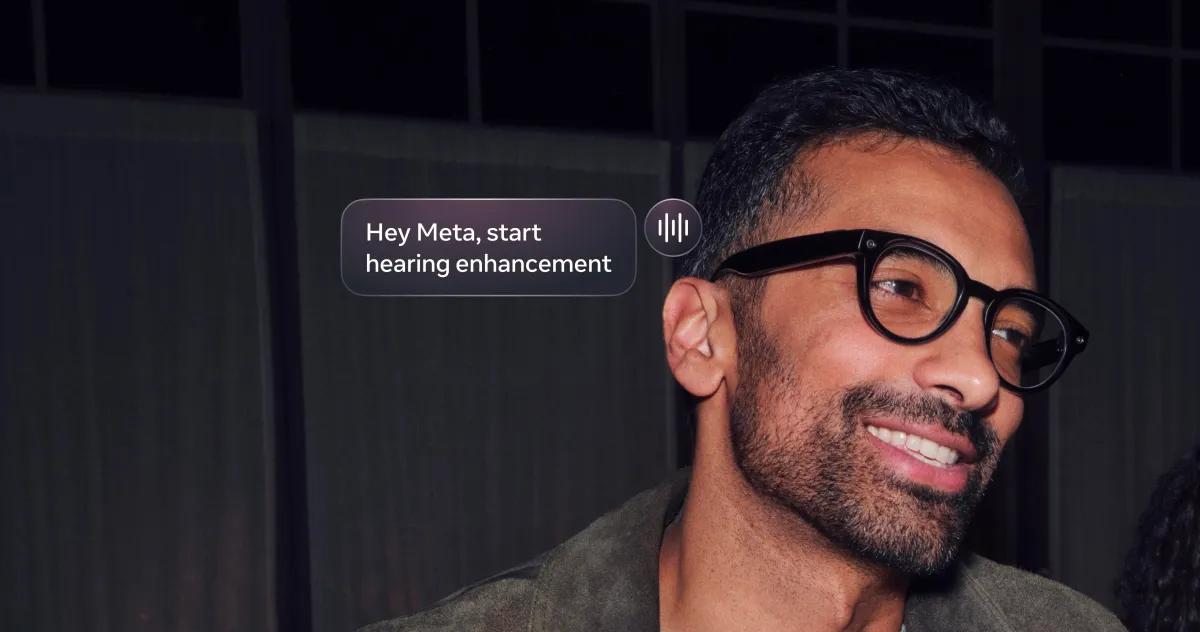
Alongside the glasses, Meta teased additional software and hardware upgrades that are meant to enhance the broader AI glasses ecosystem. These included Dolby Atmos Capture support, a mode that chooses the best image from multiple frames, the ability to switch between landscape and portrait orientation, and hearing enhancements for users with hearing loss.
The company also said it is working on more detailed assistant responses, multiple audio modes, customizable controls and a “private processing” system that Meta says will keep user data out of the company’s view.
Those features suggest that Meta is not just launching a new gadget, but trying to build a platform around smart glasses. If the company can keep adding utility through software, it may be able to make the category feel less like a novelty and more like a durable consumer product.
How does Meta’s hardware strategy fit into the bigger AI race?
Meta’s hardware strategy fits into the bigger AI race because companies are looking for the most natural way to deliver assistants and generative AI into daily life. Smartphones remain the dominant interface, but wearables are emerging as a compelling alternative for always-on interaction.
Glasses are especially attractive because they are socially familiar, they stay close to the user’s eyes and ears, and they can support voice-based AI without requiring a separate screen. For Meta, which has spent years investing in immersive hardware and social computing, smart glasses are one of the clearest paths toward a consumer AI platform.
But the market is still early, and success will depend on whether people see value in wearing another connected device. Meta’s answer appears to be specialization: one model for people who want audio-first convenience, another for people who want camera capture and richer visual features.
What does the launch tell us about consumer demand?
The launch suggests Meta believes demand is broad enough to support different product types within the same family. Some consumers may want a device that functions like intelligent earbuds with a display-free assistant, while others will prioritize video capture, content creation and visual documentation.
That segmentation also helps Meta reduce one of the biggest barriers to purchase: fear that wearing smart glasses automatically implies recording others. The new audio-only model gives buyers a way to opt into the category without accepting the social baggage attached to camera wearables.
Whether that is enough to drive mass adoption remains an open question. But the new launch is a sign that Meta is willing to refine the category rather than abandon it after early criticism.
Timeline of Meta’s latest glasses push
| Date | Event | Why it matters |
|---|---|---|
| Earlier generations | Meta releases camera-enabled AI glasses with Ray-Ban | Establishes the product category and sparks privacy debate |
| After backlash | Meta adds anti-tampering camera protections | Shows the company trying to address consent concerns |
| Sept. 23, 2026 | Connect 2026 announcement of Ray-Ban Meta Audio | Introduces the first camera-free AI glasses |
| Oct. 13, 2026 | Preorders for Ray-Ban Meta Audio open | Marks the first sales milestone for the new model |
What this means for Meta and the wearable market
Meta’s new glasses show the company is trying to turn a privacy problem into a product opportunity. Instead of defending camera glasses as a one-size-fits-all concept, it is offering a design that directly addresses criticism while preserving the benefits of AI on the face.
That approach could broaden appeal among people who like the idea of voice assistants, translation and hands-free audio but do not want to carry headphones or wear a device that appears to be filming. It could also give Meta a clearer comparison point against audio wearables from other tech companies.
At the same time, the launch underscores how much consumer AI hardware still depends on trust. Features matter, but social acceptability matters too. Meta’s camera-free glasses are an acknowledgment that the next stage of wearable AI may have to be not only intelligent, but also less controversial.
For now, Meta is testing a simple proposition: if the public is uneasy about a camera on its face, maybe the answer is to take the camera out.
Frequently asked questions about Meta’s camera-free AI glasses
How much do Meta’s camera-free AI glasses cost?
The Ray-Ban Meta Audio glasses start at $349. Meta said preorders will begin on October 13, making the new device one of the company’s more accessible AI hardware launches so far.
What can the new glasses do without a camera?
They can play music, stream podcasts, handle calls, translate speech and connect to Meta’s Muse assistant. Meta is positioning the device as an audio-first wearable rather than a visual capture product.
Why did Meta remove the camera?
Meta removed the camera to reduce privacy backlash and make the glasses easier for consumers to wear in public. The company hopes an audio-only design will avoid some of the criticism that has followed camera-equipped smart glasses.
Will Meta still sell camera-equipped AI glasses?
Yes. Meta also announced Ray-Ban Meta (Gen 3), a new camera-equipped version with a 12-megapixel sensor, 3K Ultra HD video support and new frame styles. The company is clearly keeping both product lines active.
How long does the battery last?
Meta says the audio-only glasses last up to 12 hours on a charge, or up to 48 hours when used with the charging case. The camera-equipped Gen 3 model is rated for up to nine hours of battery life.
Frequently asked questions
What are Meta’s camera-free AI glasses?
Meta’s camera-free AI glasses are the Ray-Ban Meta Audio, a new wearable that skips the camera entirely and focuses on listening and voice features. The glasses support music, podcasts, calls, translation and Meta’s Muse assistant.
How much do Meta’s new AI glasses cost?
Meta’s Ray-Ban Meta Audio glasses start at $349. The company said preorders will open on October 13, making the product available to consumers later this fall.
Why did Meta make AI glasses without a camera?
Meta made AI glasses without a camera to address privacy concerns and soften backlash around wearables that can discreetly record video. The company wants the category to feel more socially acceptable and less associated with covert filming.
What is different about Ray-Ban Meta (Gen 3)?
Ray-Ban Meta (Gen 3) keeps the camera and upgrades the imaging package with a 12-megapixel sensor, 3K Ultra HD video support, a six-mic array and new frame styles. It is Meta’s more feature-rich smart glasses option.
How long does the battery last on Meta’s new glasses?
Meta says the audio-only glasses last up to 12 hours on a single charge and up to 48 hours with the charging case. The camera-equipped Gen 3 glasses are rated for up to nine hours.