In short
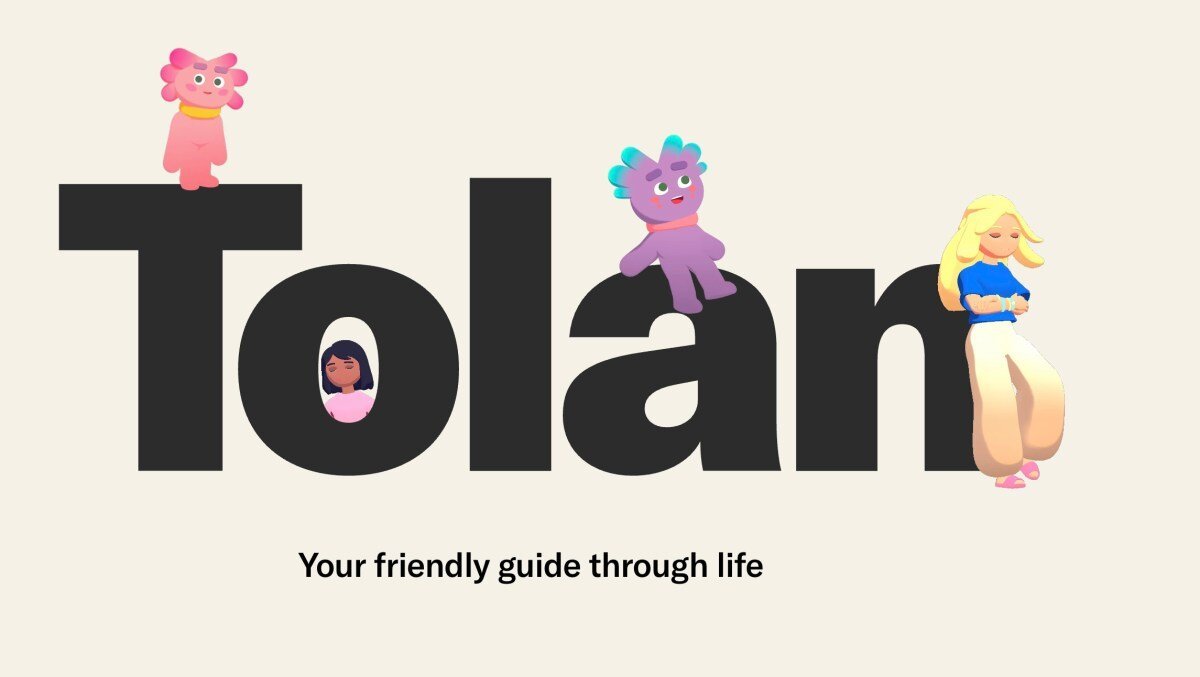
Eugenia Kuyda has launched Wabi, a personal AI assistant designed around shared threads, custom apps and group collaboration. The release revives the vision she first pitched with IO 12 years ago, but with today’s AI models finally able to support it.
- Wabi is now available to all users after an initial limited rollout.
- The product uses multiple shared threads instead of one long chat.
- Users can build or request custom apps inside each thread.
- Kuyda says the assistant is meant for couples, families and groups.
- Wabi is free for now, and the company is exploring fundraising and monetization.
Eugenia Kuyda, the founder behind Replika, has launched Wabi to the public, unveiling a multiplayer AI assistant that aims to help people organize everyday life, make plans together and run custom apps inside shared chats. The debut matters because it updates a vision she first pitched 12 years ago: a personal AI that could do useful work for real people, not just answer questions.
On Monday, Kuyda opened Wabi to all users, marking the latest step in a long project that began with Luka’s early chatbot experiments and later evolved into Replika. This time, the pitch is more ambitious and more timely. Wabi arrives as a new wave of personal AI assistants competes to handle inboxes, schedules, tasks and recommendations for users who want software that feels less like an app store and more like a living helper.
For Kuyda, the launch is also a kind of vindication. When she took the stage at TechCrunch Disrupt in 2014, she showed off IO, a conversational concierge built by Luka that could help book restaurants, plan trips and handle other routine chores. The technology was primitive by today’s standards, but the idea was unmistakably ahead of its time.
Now, after the rise of large language models and agentic software, the core concept has finally become practical. Kuyda says Wabi is her attempt to make that original vision usable in everyday life, especially for people who want personalized tools without having to build everything themselves.
What is Wabi, and how does it work?
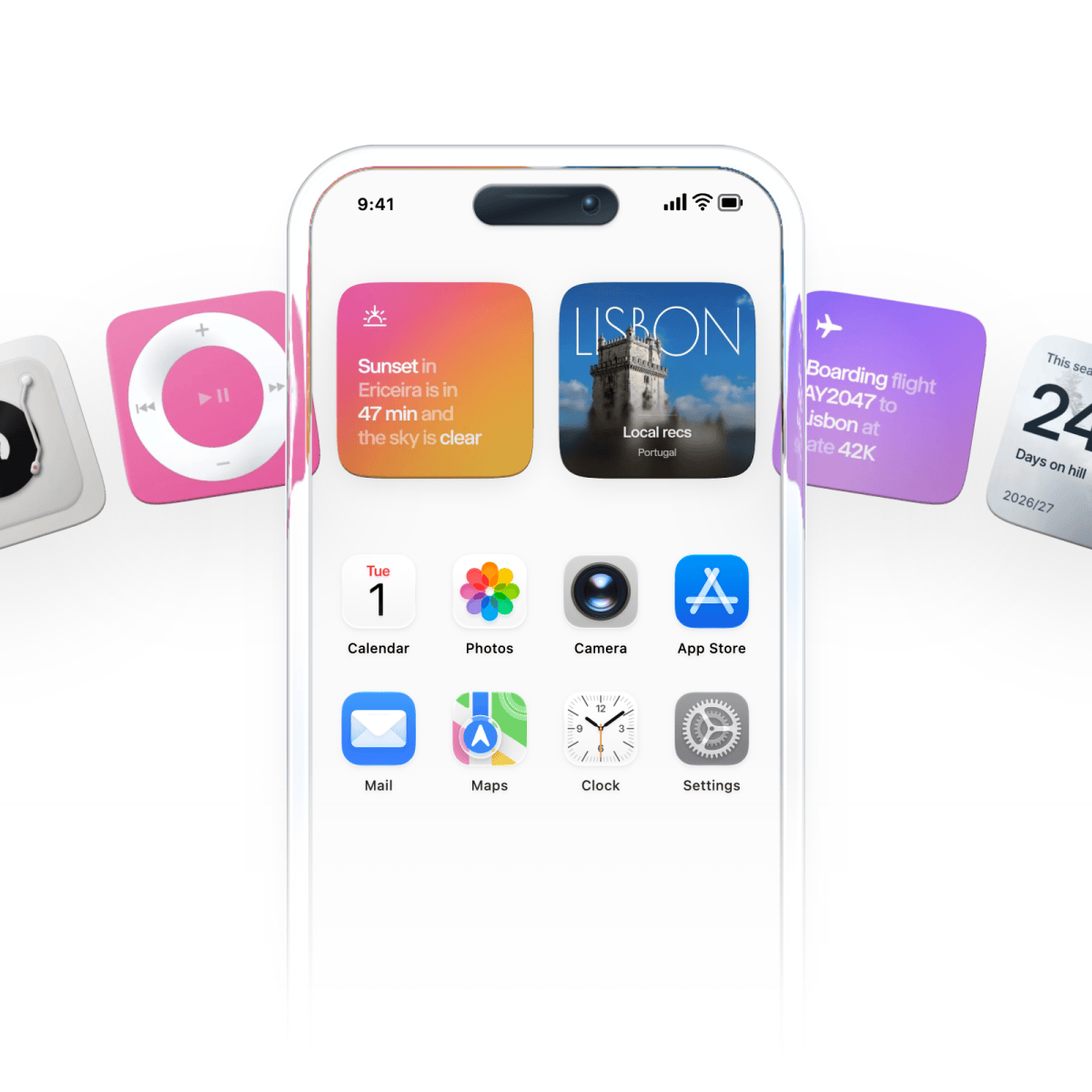
Wabi is a personal AI assistant that runs as a messenger-style app and organizes work into multiple threads rather than one endless chat. Each thread can focus on a distinct part of life, such as health, family, travel or relationships, and users can add custom apps inside those threads to support specific goals.
The company describes the product as multiplayer because threads can be shared with other people. That means Wabi is not just designed for one person interacting with one bot; it is built for couples, families and groups who want to collaborate with AI in the same shared space.
In practice, that could look like a shared relationship thread with apps for planning dates, logging dinner ideas and tracking books, or a family thread with tools for children’s schedules, nearby events and language practice. Kuyda says the goal is to make AI useful for group decision-making and shared routines, not just solitary productivity.
Why the product is different from single-thread chatbots
Wabi’s structure is meant to solve a problem that has become familiar to many AI users: the longer one conversation goes on, the messier it becomes. Kuyda argues that a single chat thread accumulates too much context over time, making it harder for the assistant to stay accurate, relevant and manageable.
That concern has a technical and practical side. Long conversations can become harder for models to interpret consistently, and users often need a cleaner way to separate topics, goals and relationships. Wabi tries to address that by splitting life into more focused channels that can be opened, shared and revisited as needed.
Instead of asking one assistant to remember everything, Wabi lets users create a collection of smaller, purpose-built environments. Those spaces can each host their own tools and data, which is intended to make the product more organized and less overwhelming than a single conversation thread that never ends.
Kuyda told TechCrunch that the platform is designed to do what other agentic assistants promise, while adding built-in apps that help people actually complete more tasks rather than just talk about them.
How is Wabi trying to make AI more social?
Wabi’s biggest strategic bet may be that people will want AI to live in shared conversations, not just private ones. Kuyda says many agent products today are built around a one-to-one model: one user, one assistant, one stream of replies. She thinks that leaves out the social nature of much of real life.
That view shapes Wabi’s multiplayer design. Users can allow other people into a thread and give them access to selected information such as calendars, event lists or other useful details. The company says permissions are scoped to each chat, so what is shared in one thread does not automatically spill into others.
This approach creates a different kind of AI experience: one where a partner can ask whether someone is free next Thursday, a family member can check a child’s schedule, or a group can ask the assistant for ideas without each person having to repeat the same task in separate chats.
Examples from shared threads
Kuyda has shown examples of how she uses the system in her own life. In one thread with her boyfriend, the top of the interface includes a set of apps for relationship tasks and joint planning. Those include a live music tracker, a daily relationship prompt, a running restaurant list, calendar events and a shared reading list with suggestions for the next book.
In another thread focused on family life, the apps include a schedule tracker for her daughter, a local kids’ events finder and a Japanese quiz tool for language practice. The design suggests that Wabi wants to function as a practical layer on top of everyday coordination rather than a novelty chatbot with a few toy features.
That is a broader bet on “agentic” software: a category of AI that does not just answer questions, but takes actions, organizes information and helps users accomplish tasks across multiple contexts.
| Milestone | What happened | Why it matters |
|---|---|---|
| 2014 | Kuyda presented IO at TechCrunch Disrupt | Introduced an early vision for a lifestyle concierge chatbot |
| 2015 | Luka launched and later pivoted toward Replika | Turned the company toward companion-style AI |
| 2025 | Wabi raised a $20 million pre-seed round and debuted in limited form | Tested a social, mini-app-based approach to personal software |
| 2026 | Wabi opened to all users | Shifted into a public rollout as AI assistants become a crowded market |
Why now? The market finally caught up
Kuyda’s original idea was constrained by the technology available at the time. When IO was first shown publicly, deep learning had not yet delivered the breakthroughs that later made modern large language models possible. The assistant could do some useful things, but it was limited compared with today’s AI systems.
That gap is important to the story of Wabi. The product is not just a new app; it is the arrival of a concept that has been waiting for the underlying model layer to mature. In Kuyda’s view, the infrastructure now exists to support a much more capable version of the same ambition she had more than a decade ago.
At the same time, the market has changed around her. A new crop of assistants and agentic products now promises to help with inbox triage, travel planning, scheduling, recommendations and other tasks. Wabi enters that field with a distinct emphasis on social collaboration and custom mini-apps, rather than a pure one-person productivity pitch.
How Wabi differs from other personal AI assistants
Wabi is trying to stand apart in two ways: through app-building and through multiplayer use. Kuyda says the product is not only about making an assistant smarter, but about giving it built-in tools that can be customized for specific goals.
That means users can request apps instead of starting from scratch. If Wabi is connected to email, for example, it can automatically create threads and apps to get the user started. From there, users can add more tools or ask for new ones to suit their lives.
By contrast, many assistants in the market still center on a single chat interface where all questions, reminders and follow-ups land in one stream. Kuyda argues that this structure becomes cluttered over time and that users need a more modular system.
- Multiple threads instead of one continuous conversation
- Custom apps embedded inside each thread
- Shared access for partners, families and groups
- Automatic setup when connected to email
- A focus on real-world coordination, not only text replies
What changed from Wabi’s first launch?
Wabi’s public debut is an evolution of the version the company introduced last year. At that point, the product was described more as a social platform for creating mini apps with prompts that could be shared between users or across the app. The company also disclosed a $20 million pre-seed round around that time.
Over the past year, Kuyda says the team learned something important: people like personal software, but many do not want to invest time building it themselves. That insight pushed the product toward a more automated model in which the AI helps create the environment rather than requiring users to design every piece by hand.
The result is Wabi 2.0, which changes the balance between creation and consumption. Users can still customize, but the platform now takes on more of the heavy lifting. Instead of expecting people to act like app designers, Wabi is betting they want software that proactively adapts to them.
What the app-building feature means in practice
The app layer is central to Wabi’s identity. Each thread can host its own small tools, which can be tailored to a user’s goals. In health, that could mean a weight-loss tracker. In family life, it could mean local event discovery. In relationships, it might mean a shared memory or planning tool.
This turns the assistant into something closer to a personalized workspace. Rather than serving only as a conversational interface, Wabi becomes a place where ongoing tasks are organized into useful modules. That is a significant shift from the older model of chatbots as one-off question-answer systems.
It also helps explain why the company believes its product is more than another chatbot. The combination of threaded organization, shared access and embedded apps creates a structure that looks more like a living operating system for everyday coordination than a standard AI chat window.
How does Wabi handle privacy and security?
Wabi says it has taken steps to keep user data protected, though its privacy model reflects the trade-offs of a cloud-based assistant. The company says it is SOC 2 compliant, meaning its security controls have been independently audited.
According to Kuyda, Wabi operates entirely in the cloud and stores most user data in the United States. The company also says access is limited by thread, so a person only shares information in the specific conversation where they choose to do so.
That design is important because Wabi is built around collaboration. In any shared thread, users may grant access to email, calendar information or even bank account details, depending on what they want the assistant to help with. Everyone in the thread can see when someone’s personal information is being requested, which adds a layer of transparency to the exchange.
Kuyda said the product is meant to be useful without forcing people into all-or-nothing sharing, emphasizing that permissions are controlled within each individual chat.
For a product that wants to become a central place for family planning, relationship management and life admin, trust will be a major factor. The company’s early privacy posture suggests it understands that users will not adopt shared AI unless it feels sufficiently controlled.
What does Replika have to do with all of this?
Replika is the company that made Kuyda a prominent name in consumer AI, but Wabi represents a different direction. Replika became known for companion-style conversations that could make people feel less alone. Wabi still carries some of that emotional ambition, but with a more practical emphasis on shared life and decision-making.
Kuyda has framed the connection between the two products as more than historical trivia. In her view, both companies reflect a belief that AI can serve social needs, not just utility needs. Replika focused on companionship; Wabi extends the idea into collaboration and real-world planning.
The transition also shows how the market around AI has expanded. What once looked like a niche experiment in conversational software has become a broader category of assistants, agents and personalized tools. Wabi is trying to claim a space in that landscape by blending emotional familiarity with practical action.
Can Wabi become a business?
For now, Wabi is free, and the company has not finalized its revenue model. That leaves open a common question for consumer AI startups: how to turn product momentum into a durable business without alienating users.
Kuyda says the company is in discussions about raising additional money, which suggests the next phase may involve both product expansion and fundraising. Given the capital requirements of running cloud-based AI products, fresh financing would likely play a central role in Wabi’s near-term plans.
The lack of a set pricing strategy is not unusual for a newly launched AI product, but it does underline the challenge ahead. The company will need to show not only that people like the concept, but that they will return to it often enough to support a sustainable model.
Why the launch is strategically important
Wabi’s release is notable because it enters the market with a clear narrative: a founder returning to an idea she first pitched when the technology was not ready. That origin story gives the product a sense of continuity and makes the launch feel like a delayed execution rather than a sudden pivot.
It also reflects a broader moment in AI. The industry is shifting away from simple chat toward assistants that can act, coordinate and personalize. Wabi is trying to make that shift more social, with shared threads that can bring multiple people into the same AI-assisted workflow.
If the product gains traction, it could point to a larger trend: users may prefer AI that helps them coordinate with the people already in their lives, not just tools that optimize their solo productivity.
Timeline: From IO to Wabi
The path from IO to Wabi spans more than a decade of technical and product changes. The timeline below shows how Kuyda’s idea evolved alongside the AI industry.
| Year | Development | Context |
|---|---|---|
| 2014 | IO is shown at Disrupt | Early chatbot concierge for errands and planning |
| 2015 | Luka launches | Foundation for Kuyda’s later consumer AI work |
| Late 2010s | Luka becomes Replika | Company pivots toward AI companionship |
| 2025 | Wabi appears with mini-app experiments | Early version emphasizes social sharing and customization |
| 2026 | Wabi opens broadly | Launches as a multiplayer assistant with threaded apps |
What comes next?
Wabi now has to prove that its product vision can translate into regular use. The idea is compelling: a shared assistant that helps couples, families and teams organize life across multiple contexts. But the company will need to show that users actually prefer this structure over simpler chat-based assistants.
Its success may hinge on whether people embrace the combination of automation and collaboration. If Wabi can make it easy to create useful tools without requiring much setup, it could carve out a distinct place in the market. If not, it risks joining the long list of AI products that sound appealing in theory but are too complex in practice.
For Kuyda, though, the launch is the culmination of an idea she has been refining for years: personal AI should not just respond to prompts. It should help people do things together.
And that, more than the product mechanics, is what makes Wabi interesting. It is a reminder that many of today’s AI startups are not inventing brand-new dreams so much as finally getting the chance to build the ones that came too early the first time.
Frequently asked questions
What is Wabi?
Wabi is a multiplayer personal AI assistant from Eugenia Kuyda that organizes tasks into separate threads and lets users create or use custom apps inside those threads. It is designed for individual productivity as well as shared planning with partners, families and other groups.
How is Wabi different from Replika?
Wabi is different because it focuses on practical coordination and shared life rather than companion-style conversation. Replika became known for emotional and social interaction, while Wabi is built around tasks, goals, apps and multiplayer collaboration in threaded chats.
Why is Wabi’s launch significant now?
Wabi’s launch is significant because it shows that the technology has caught up with an idea Kuyda first demonstrated 12 years ago. With modern large language models and agentic software, her original vision for a personal concierge-style assistant is now far more feasible.
Does Wabi share private data with other people in a thread?
Yes, but only within the specific chat where users choose to share it. Wabi says permissions are scoped to individual threads, and it makes clear when someone requests another person’s personal information, which is intended to add transparency and control.
Is Wabi free to use?
Yes, Wabi is free for now. The company has not finalized its business model, and Kuyda has said it is in talks to raise more funding as it figures out how to grow the product and monetize it over time.