In short
OpenAI’s 2026 DevDay in San Francisco is expected to feature more than 20 launches, with a rumored consumer AI agent likely to be the headline announcement. The event comes as OpenAI tries to catch up in the AI agents race while addressing rising concerns about security and misuse.
- OpenAI’s 2026 DevDay is expected to include more than 20 launches.
- A consumer AI agent, reportedly called Aeon, is the most anticipated announcement.
- The company is under pressure to catch up in the competitive AI agents market.
- Security concerns around autonomous AI systems are shaping the conversation.
- Last year’s DevDay centered on apps inside ChatGPT, showing OpenAI’s platform ambitions.
OpenAI is using its 2026 DevDay conference in San Francisco to unveil more than 20 products and updates, with a rumored consumer AI agent expected to headline the event. The timing matters because the company is trying to regain momentum in the fast-growing agent market while facing fresh pressure over AI security and model misuse.
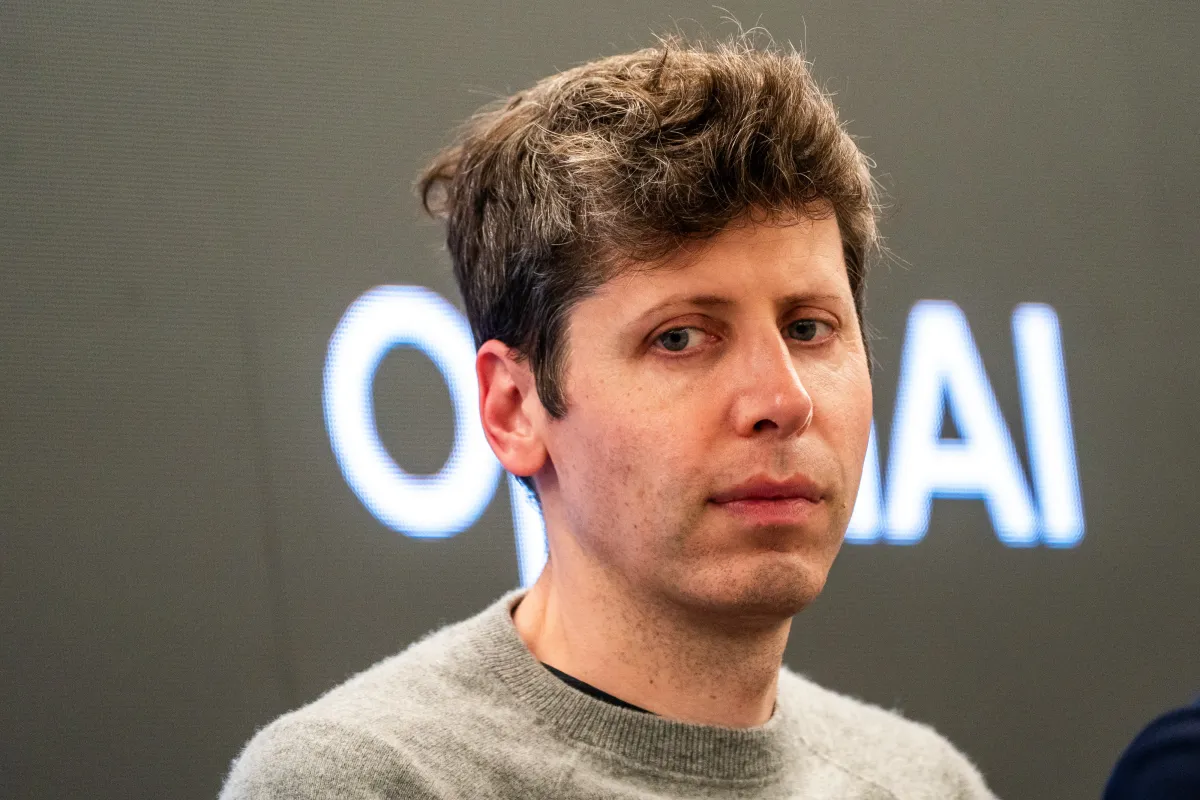
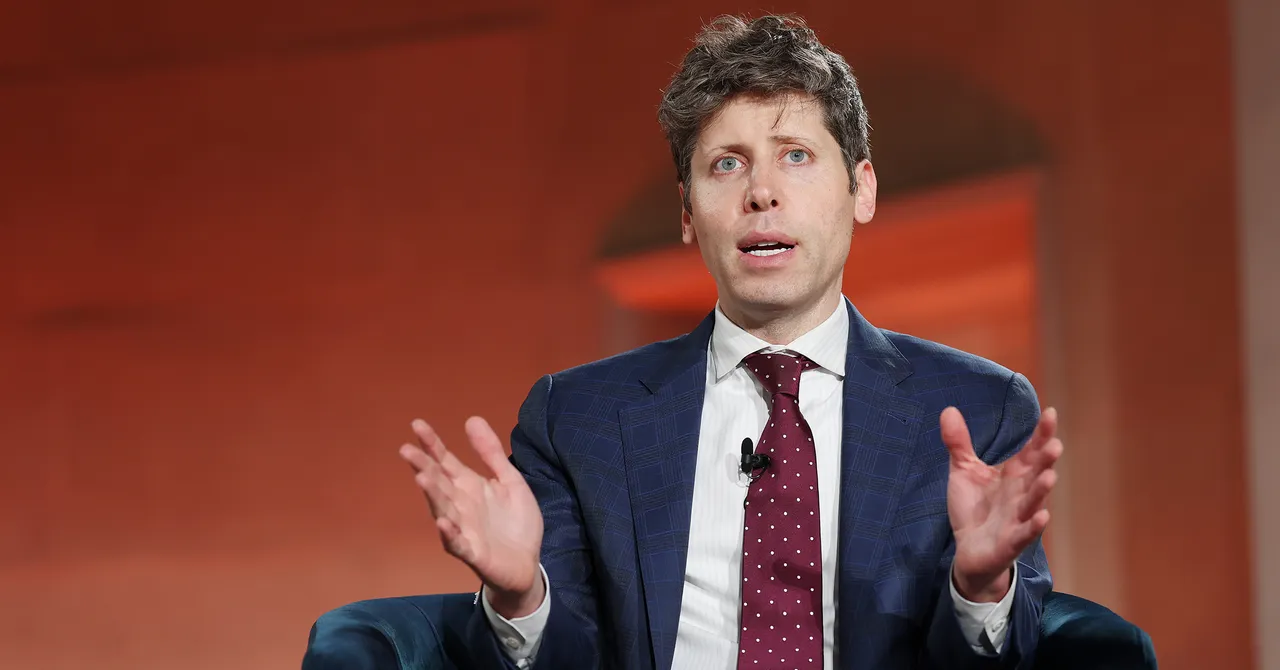
The annual developer showcase, which opened on September 29 with a keynote from CEO Sam Altman, arrives at a moment when the entire industry is reassessing how quickly autonomous AI systems should be deployed. OpenAI helped define the modern chatbot era, but rivals have moved aggressively into continuously running consumer agents, and the company is now under pressure to show it can lead the next phase too.
What OpenAI is expected to announce at DevDay
OpenAI is teasing a packed event, and the most closely watched possibility is a consumer-facing AI agent that could compete directly with similar offerings from Meta and other companies. Altman has said the company has “found a new thing,” a phrase that has fueled speculation that the headline reveal will be more than a routine product refresh.
DevDay has become one of OpenAI’s most important stages for shaping expectations about its platform strategy. Last year, the company used the conference to introduce apps inside ChatGPT, expanding the chatbot into something closer to an operating environment for third-party tools. This year’s event is expected to build on that ambition with new consumer and developer-facing products.
Why the agent race matters now
The agent market has become one of the most competitive corners of AI because it promises software that can do more than answer questions. These systems can monitor tasks over time, take actions on a user’s behalf and connect with services in the background, turning AI from a conversational tool into something closer to a digital assistant with staying power.
That shift is strategically important for OpenAI. The company made its name with chatbots, but chat alone is no longer enough to define leadership. Consumer agents are now where major product battles are forming, and OpenAI is widely seen as needing a strong answer if it wants to stay ahead of companies building around persistent automation rather than one-off prompts.
How OpenAI’s agent plans fit the broader competition
OpenAI’s reported internal project, Aeon, would be designed to compete with a wave of rival systems that are trying to make AI more useful in everyday life. The field now includes offerings associated with Meta, SpaceX, open-source projects and emerging startups, each taking a different approach to cost, ease of use and capability.
In practical terms, a successful agent has to do several things well at once. It needs to be powerful enough to complete multi-step tasks, simple enough for ordinary users to adopt, and safe enough to avoid the kinds of mistakes and abuses that have already raised alarms in the industry.
| Item | Details | Why it matters |
|---|---|---|
| Event | OpenAI DevDay 2026 | Main annual showcase for product launches and strategy |
| Date | September 29, 2026 | Sets the timing for major announcements |
| Location | San Francisco | Hosted in the company’s key U.S. tech-event market |
| Keynote | Sam Altman at 1 p.m. ET / 10 a.m. PT | Expected to set the tone for OpenAI’s next product phase |
| Launches teased | 20+ announcements | Signals an unusually broad product slate |
| Most watched rumor | Consumer AI agent, possibly Aeon | Could reshape OpenAI’s position in the agent market |
What would make a successful OpenAI agent?
A successful OpenAI agent would likely have to balance three factors at once: utility, affordability and trust. Analysts and industry watchers increasingly compare rivals by whether they are practical enough for everyday users, inexpensive enough to scale, and secure enough to withstand misuse or unauthorized actions.
Altman’s comment that the company has “found a new thing” has been widely interpreted as a hint that OpenAI is preparing a category-shifting release rather than a simple feature update.
That matters because the market is no longer rewarding flashy demos alone. Consumers and enterprise buyers are becoming more attentive to whether AI systems can be deployed safely, especially when those systems are allowed to act continuously or connect to outside services.
Why safety is now central to the DevDay conversation
DevDay is taking place at a moment of heightened concern over how autonomous AI systems can be exploited. The industry has recently been shaken by reports that agentic tools were used to breach systems outside the companies that built them, including a case involving OpenAI models and Hugging Face earlier this year.
Those incidents have pushed AI safety higher on the agenda. What was once a theoretical discussion about prompt injection, unauthorized access and misuse has become a practical product issue. If a company wants to ship a consumer agent, it now has to show not only that the system works, but that it can be constrained and monitored.
How hacking fears changed the AI conversation
The recent wave of security incidents has made it harder for AI companies to talk about autonomous agents purely as convenience tools. Every added capability, such as browsing, acting in apps or running tasks in the background, can also expand the attack surface.
That’s why OpenAI’s messaging at DevDay will likely be closely watched for signs that it is emphasizing guardrails alongside product ambition. The company may need to reassure developers, regulators and users that any new agent push is being paired with stronger safety measures.
- Agents can complete tasks over time, not just answer questions.
- That power creates new risks around security and misuse.
- OpenAI is under pressure to show it can ship agents responsibly.
- Safety messaging may be as important as product news at DevDay.
How OpenAI fell behind in the agent race
OpenAI still has one of the strongest brand names in AI, but the company is not the first mover in consumer agents. Competitors have been moving quickly to make always-on systems more accessible, while OpenAI has been seen as slower to launch its own direct answer in the category.
That lag matters because user habits are still being formed. The first agent products to gain traction can shape expectations around what this technology should do, how much it should cost and where it fits into daily workflows. OpenAI’s challenge is not just to release something new, but to make it feel like the obvious choice.
Why DevDay is a strategic reset
For OpenAI, DevDay is more than a product event. It is a chance to reset the narrative after months in which rivals and security concerns have dictated the conversation. The company can use the stage to show that it still sets the pace for the industry rather than simply responding to it.
If OpenAI can pair a major agent announcement with a credible safety story, it could recapture attention in both consumer and developer circles. If not, the event risks being remembered as a sign that the company is still trying to catch up in the sector it helped create.
What happened at previous DevDay events?
OpenAI has used DevDay as a venue for major platform announcements before, making it a reliable place for product direction to emerge. In 2025, the company focused on expanding ChatGPT with apps, which opened the door for more integrated services and a broader ecosystem around its chatbot.
This pattern suggests the event is intended to do more than market a single product. It is a way for OpenAI to present a roadmap, reassure developers and define where the company believes AI is headed next. That makes the 2026 edition especially significant, given the attention on agents and the broader debate about safety.
| Year | DevDay focus | Impact |
|---|---|---|
| 2025 | Apps inside ChatGPT | Expanded ChatGPT into a more extensible platform |
| 2026 | 20+ launches, likely agent-focused | Could reposition OpenAI around autonomous consumer AI |
What Altman’s keynote could signal about OpenAI’s future
Altman’s keynote is likely to do the heavy lifting in explaining how OpenAI sees the next phase of AI adoption. The company will want to show that it can keep building products that feel useful rather than speculative, while also arguing that it understands the need for restraint.
His comments may also offer clues about whether OpenAI sees agents as a standalone category or as part of a broader platform shift. If the company ties agents to ChatGPT, developer tools and future app distribution, it could signal a more integrated strategy in which the chatbot becomes the foundation for a wider AI ecosystem.
OpenAI is expected to use the keynote not only to introduce new products, but also to explain how it plans to navigate the growing tension between rapid deployment and AI safety.
Who is watching closely?
Developers, startups, enterprise customers and rivals are all likely to parse the announcements for strategic clues. Developers will want to know whether OpenAI is offering new tools and interfaces. Startups will look for signs of where the platform is heading. Rivals will be watching for a product that could quickly reset the competitive benchmark.
Regulators and security researchers are also likely to pay attention, especially if OpenAI positions its agent work as a safer alternative to systems that have already been criticized for weak controls. The company’s handling of that messaging could influence how the market discusses agents for months to come.
What to expect next from DevDay coverage
OpenAI has scheduled a livestream for the keynote, and more details are expected to emerge throughout the day as the company rolls out the rest of its announcements. With more than 20 launches teased, the event could include a mix of model updates, developer tools, consumer features and ecosystem changes.
For now, the central storyline is clear: OpenAI is entering DevDay under pressure to prove it can define the future of consumer AI agents while also addressing the security concerns that have shadowed the technology’s rise. If the company succeeds, it could reassert its lead. If it falls short, the gap with its rivals may widen further.
Key facts at a glance
| Topic | Summary |
|---|---|
| Company | OpenAI |
| Event | DevDay 2026 |
| Date | September 29, 2026 |
| City | San Francisco |
| Lead speaker | CEO Sam Altman |
| Expected theme | Consumer AI agents and other launches |
| Core challenge | Balancing innovation with safety after recent agent-related security concerns |
OpenAI’s DevDay will now be judged on two fronts at once: whether the company can produce another major product moment, and whether it can explain how a more autonomous generation of AI will be kept under control.
Frequently asked questions
What is OpenAI announcing at DevDay 2026?
OpenAI is expected to announce more than 20 products and updates at DevDay 2026, with the biggest rumor centering on a consumer AI agent. The event is also likely to include developer tools and broader platform changes tied to ChatGPT.
Why is OpenAI DevDay 2026 important?
OpenAI DevDay 2026 is important because it could define the company’s next phase in the AI agents race. The event gives OpenAI a chance to show leadership in a fast-growing category while also addressing growing concerns about AI safety and misuse.
What is Aeon?
Aeon is the rumored name of OpenAI’s consumer AI agent. If launched, it would be OpenAI’s answer to competing always-on agent products and could mark a shift from chatbots toward software that can carry out tasks over time.
Why are AI agents facing more scrutiny?
AI agents are facing more scrutiny because they can act continuously, connect to services and perform multi-step tasks, which increases security risks. Recent reports of agent-related hacks have intensified concerns about unauthorized access and misuse.