In short
Jensen Huang has resigned as Nvidia CEO, with Colette Kress named interim CEO, after reporting tied his departure to an affair scandal and questions over Chinese intelligence links. The Verge says return rumors are growing, but the company now faces a broader governance and geopolitical crisis.
- Jensen Huang has resigned as Nvidia CEO after more than three decades, and Colette Kress is interim CEO.
- WIRED linked the resignation to an admitted affair with an alleged Chinese intelligence asset and said a second alleged affair also surfaced.
- The Verge reported a petition with more than 150,000 signatures urging Huang’s return, though some signatures appear fake or incorrect.
- Hindustan Times said US intelligence agencies linked Alice Huang to Chinese intelligence and that US authorities have investigated Megaspeed since late 2024.
- The case now intersects with Nvidia’s China business, export controls and questions about board oversight.
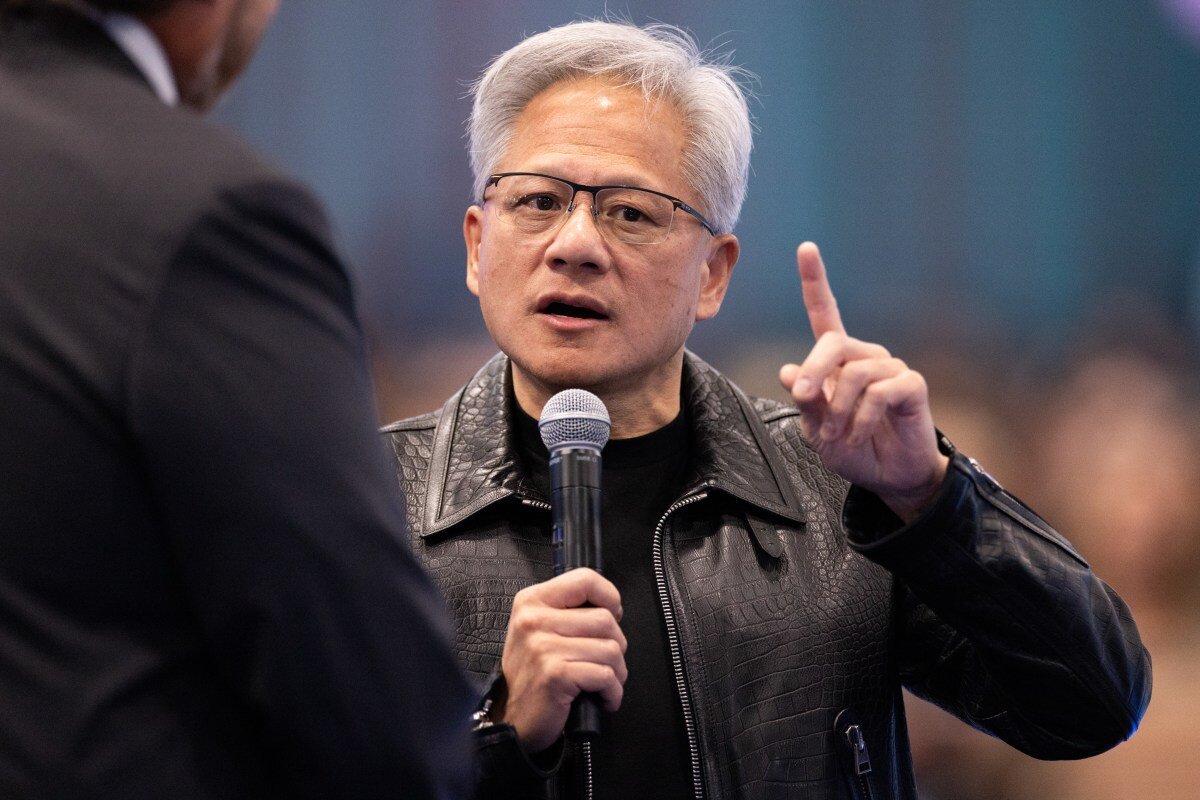
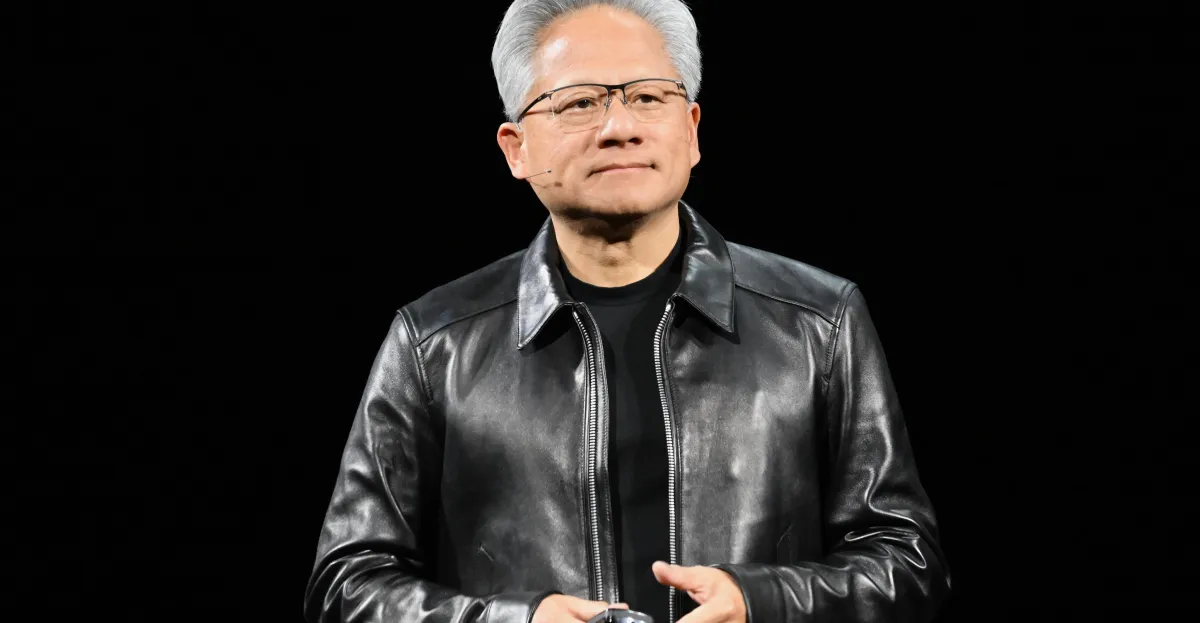
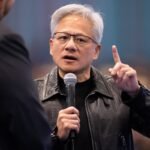
Nvidia founder Jensen Huang has resigned as chief executive after more than three decades in charge, and the company has installed chief financial officer Colette Kress as interim CEO. The abrupt leadership change lands amid allegations about Huang’s personal relationships, renewed questions over Chinese intelligence links, and a widening corporate-governance fight over whether he should come back.
The story, pieced together from WIRED, The Verge and Hindustan Times, is no longer just about one executive’s fall. It now sits at the intersection of Nvidia’s China business, US export controls, and the increasingly messy politics surrounding advanced AI chips.
What happened?
WIRED reported that Huang officially resigned as CEO after more than 30 years leading Nvidia. The resignation followed what WIRED described as Huang admitting an affair with an alleged Chinese intelligence asset. The same report said a second alleged affair with an Nvidia employee also surfaced.
Nvidia named Colette Kress, the company’s longtime finance chief, as interim CEO. That move follows a familiar corporate pattern: boards often turn to a CFO or another senior executive to steady the company while a permanent succession process plays out. But in this case, the transition is taking place under extraordinary pressure, with the company’s public image, China strategy and internal governance all suddenly under scrutiny.
According to The Verge, the resignation has also triggered speculation that Huang may be trying to return to the role. The outlet reported that a public letter urging the company to bring him back has gathered more than 150,000 signatures, though it also noted that some signatures appear fake or obviously incorrect.
The Verge further said Elon Musk and Epic Games CEO Tim Sweeney have publicly backed the push for Huang’s return. The Financial Times, as cited by The Verge, also said Huang discussed a possible comeback with close allies.
Why it matters
This is not just a personnel story. Nvidia is one of the most valuable companies in the AI sector, and the person at the top has long been a central part of its identity, strategy and investor appeal. A sudden CEO exit at a company of this size can unsettle employees, investors and customers even before the full facts are clear.
The stakes are higher because Nvidia’s business in China has already been constrained by US export controls that have restricted sales of its most advanced chips since 2022. That means any leadership scandal touching on Chinese intelligence, business relationships and possible chip diversion can quickly spill beyond boardroom gossip and into national-security debates.
Hindustan Times added another layer to the picture, reporting that US intelligence agencies found Alice Huang worked for Chinese intelligence and passed information to Beijing. The same report said US authorities have investigated Megaspeed, a Singapore-based data center company, since late 2024 over suspected chip-diversion links to China, with the matter moving to the Justice Department this year.
That matters because Nvidia’s future in the Chinese market is already politically delicate. If regulators or lawmakers conclude that advanced chips are being funneled through intermediaries, pressure on Nvidia could intensify just as the company is trying to protect access to one of the world’s biggest tech markets.
How did the crisis build?
The timeline now stretches back more than a year and shows how a personal scandal can gradually widen into a corporate and geopolitical problem.
| Date | Reported development | Source |
|---|---|---|
| June 2024 | Jensen Huang and Alice Huang were photographed together at a Taipei tech gathering | Fact sheet |
| Late 2024 | US authorities began investigating Megaspeed over suspected chip diversion to China | Hindustan Times |
| May 2025 | Huang and Alice Huang were seen together after a business dinner | Fact sheet |
| 2025 | Singaporean authorities questioned Alice Huang and later released her | Hindustan Times |
| Aug. 30, 2025 | Megaspeed said Alice Huang left the company | The Verge |
| This year | The Megaspeed investigation was transferred to the Justice Department | Hindustan Times |
| Nov. 12, 2026 | WIRED reported that Huang resigned and Kress became interim CEO | WIRED |
| Nov. 15, 2026 | The Verge reported return rumors, petition drive and Megaspeed’s response | The Verge |
That sequence matters because it suggests a story that evolved in stages: first the relationship reporting, then the intelligence and chip-diversion allegations, and finally the CEO change. Each new layer makes the previous one more consequential.
The Verge said Megaspeed stated Alice Huang left the company “effective Aug. 30, 2025, and currently has no role with the company.” The company also said she no longer holds a role there. The wording suggests Megaspeed is trying to draw a clear line between itself and the controversy, even as scrutiny continues.
How much do the outlets agree?
They agree on the broad outline, but not on every element of emphasis. WIRED focuses on Huang’s resignation and the alleged affairs that followed it. The Verge centers on the backlash, the petition campaign and rumors of a return. Hindustan Times puts the case in the language of intelligence and export-control risk, stressing US investigative concerns and the Megaspeed connection.
That difference is important. It shows how the same underlying facts can be framed either as a leadership crisis, a public-relations fight, or a national-security matter. In reality, it is all three.
What do we know about the intelligence and chip-diversion angle?
According to Hindustan Times, US intelligence agencies found that Alice Huang worked for Chinese intelligence and passed information to Beijing. The same report said US officials initially did not think Jensen Huang knew about her alleged intelligence work, but some later officials questioned whether he could have been unaware.
The report also said Nvidia rejected the idea that Huang’s meetings with Alice Huang were unusual. John Rizzo, a company spokesperson, said, “Jensen’s interactions with Ms Huang are not unusual or unexpected.” He also said, “Meetings with customers are part of a CEO’s job.”
Nvidia’s defense, as reported by Hindustan Times, is straightforward: a global chip company’s chief executive meets with a wide range of people in the course of running the business. The harder question is whether those meetings crossed from ordinary business contact into something that should have raised alarms inside the company, especially given the reported intelligence findings.
Hindustan Times also said US authorities have investigated Megaspeed since late 2024 over suspected chip-diversion links to China. Megaspeed is a Singapore-based data center company that buys Nvidia-powered equipment and rents computing capacity. According to the report, the case moved to the Justice Department this year.
That matters because data-center intermediaries can sit in the middle of complicated supply chains. If advanced equipment bought in one jurisdiction is then used in ways that bypass export restrictions or end up serving Chinese interests, the regulatory consequences can be severe for all parties involved.
Who is Colette Kress, and what does interim leadership mean?
Colette Kress is Nvidia’s chief financial officer, and the company has named her interim CEO following Huang’s resignation. A CFO stepping in on a temporary basis is a common boardroom solution when a company needs continuity on finance, operations and investor relations while it figures out a longer-term plan.
Still, an interim appointment does not erase the larger question: whether Nvidia can function without the figure who has shaped its identity for decades. Huang is not just a chief executive in the ordinary sense; he has also been the public face of Nvidia’s AI rise, its market narrative and its strategic ambitions.
If Kress is only a placeholder, the board must soon determine whether to search for a permanent successor or whether the pressure campaign around Huang changes the math. If the company does eventually reinstall him, that would be an extraordinary reversal in a situation already marked by reputational damage. If it does not, Nvidia will need to show that its long-term strategy can outlast its founder.
What the petition campaign says about the backlash
The Verge reported that a public letter demanding Huang’s return has drawn more than 150,000 signatures. It also said some signatures appear fake or obviously incorrect, which complicates any reading of the petition as a clean measure of public sentiment.
Still, the scale of the response points to something real: Huang has support inside parts of the tech world, and some supporters appear to view his departure as excessive or destabilizing. Musk and Sweeney publicly backing the call for his reinstatement adds another layer of visibility, even if those endorsements do not necessarily reflect the views of Nvidia’s board or regulators.
Having an affair with a subordinate is a fireable offense.
That line, cited by The Verge from an unidentified ally quoted by The Financial Times, captures the logic behind the backlash against Huang. If true, it suggests some inside or near the company believe the resignation was not only justified but inevitable. It also highlights how quickly internal conduct issues can become public legitimacy tests at the highest level of corporate leadership.
By the numbers
The facts in this case are still evolving, but the current reporting includes several concrete markers that show how far the story has moved.
- 150,000+ signatures on the public letter urging Huang’s reinstatement, according to The Verge.
- Aug. 30, 2025 — the date Megaspeed said Alice Huang left the company.
- Late 2024 — when US authorities began investigating Megaspeed, per Hindustan Times.
- 2025 — when Singaporean authorities questioned Alice Huang before releasing her, according to Hindustan Times.
- June 2024 to February 2026 — the period in which ImportGenius records cited by Hindustan Times show $4.8 billion in advanced AI equipment purchases by Megaspeed’s sister company in Malaysia.
- $500 billion — Nvidia’s pledged investment in US manufacturing, cited by Hindustan Times.
- $20 million+ — Nvidia donations to Trump’s ballroom fund, per cited sources in Hindustan Times.
Background: why Nvidia’s China exposure keeps coming back
Nvidia is a major AI chipmaker and one of the most valuable companies in the sector, which means nearly every strategic decision it makes carries outsized market and political weight. That has been especially true since US export controls limited sales of the company’s most advanced chips to China in 2022.
Those controls did not end Nvidia’s interest in China, but they made the market harder to access and more politically charged. When a company depends on a restricted market, even routine business interactions can become sensitive. Add allegations of intelligence ties or chip diversion, and the risks multiply fast.
Megaspeed sits inside that pressure point. As a Singapore-based data center company that buys Nvidia-powered equipment and rents computing capacity, it is the sort of intermediary that can attract scrutiny when regulators fear chips are being moved, resold or used in ways that violate export rules. Hindustan Times’ reporting on the investigation into Megaspeed therefore expands the story far beyond one executive’s personal conduct.
There is also a bigger policy backdrop. Nvidia has pledged $500 billion in US manufacturing, according to Hindustan Times, while the same outlet said the company has made more than $20 million in donations to Trump’s ballroom fund, per cited sources. Those details do not answer the central questions here, but they reinforce the reality that Nvidia is operating in a politically sensitive environment where business decisions, lobbying, investment and regulation are tightly intertwined.
What happens next?
The next phase depends on whether the board treats Huang’s exit as final or temporary. The Verge’s reporting on return rumors suggests that the issue is far from settled, but nothing in the fact sheet indicates the company has committed to reversing course.
Watch for four things in particular:
- Whether Nvidia formally opens a search for a permanent CEO or keeps Kress in place longer than expected.
- Whether the petition campaign grows, stalls or is dismissed by the company as noisy but irrelevant.
- Whether US regulators or lawmakers take additional action over Nvidia-China sales or Megaspeed.
- Whether more details emerge about what Nvidia’s board knew, and when, before Huang’s departure.
There is also the question of whether any additional undisclosed relationships or misconduct could surface. The fact sheet does not answer that, and it should not be assumed. But the report trail shows how quickly one revelation can widen the scope of inquiry.
For Nvidia, the immediate challenge is governance. For regulators, it is enforcement. For investors, it is whether the company can preserve its strategic momentum while its founder’s personal and professional conduct are under intense public examination.
However the board resolves the leadership question, the broader issue will remain: Nvidia’s China business and its place in the global AI supply chain are now bound up with a scandal that touches personal conduct, intelligence allegations and export-control risk all at once.
Source differences and reporting context
Because the story draws from several outlets, the details are not identical in emphasis or certainty. WIRED’s account centers on Huang’s resignation and the affairs allegation. The Verge focuses on the petition, return rumors and Megaspeed’s response. Hindustan Times adds the intelligence and diversion allegations, along with the investigative timeline.
That split does not undermine the story; it clarifies it. Each outlet is illuminating a different part of a sprawling issue. Put together, they show a CEO departure that may be only the first visible consequence of a much larger problem.
Bottom line: Jensen Huang’s resignation has turned into a much broader Nvidia crisis, with a temporary CEO, a growing campaign to bring him back, and unresolved questions about Chinese intelligence links and chip diversion that could shape the company’s next chapter.
Frequently asked questions
Why did Jensen Huang resign as Nvidia CEO?
He resigned after reporting from WIRED linked the move to an affair with an alleged Chinese intelligence asset, and said a second alleged affair with an Nvidia employee also surfaced. The company has not, in the fact sheet, publicly detailed every internal reason beyond that reporting.
Who is leading Nvidia now?
Colette Kress, Nvidia’s chief financial officer, is serving as interim CEO. That usually signals a temporary leadership handoff while a board decides whether to search for a permanent replacement or, in unusual cases, reverse course.
Is Jensen Huang coming back as CEO?
It is not clear. The Verge reported rumors that Huang may be trying to return, and said a public letter demanding his reinstatement has more than 150,000 signatures. But the fact sheet does not show any formal decision by Nvidia to bring him back.
What is the Megaspeed connection?
Megaspeed is a Singapore-based data center company that buys Nvidia-powered equipment and rents computing capacity. Hindustan Times said US authorities have investigated it since late 2024 over suspected chip-diversion links to China, adding a national-security dimension to the story.
How does this affect Nvidia’s business in China?
It raises the pressure around a market that is already constrained by US export controls on advanced chips. Any leadership scandal tied to Chinese intelligence or potential chip diversion could increase scrutiny from regulators, lawmakers and investors.