In short
Meta is expanding its Muse AI agent to small businesses and adding integrations with tools like Shopify, Slack, Dropbox, QuickBooks, and Stripe. The move is part of a broader push to turn Meta’s AI products into an enterprise business platform.
- Meta is launching Muse for Small Business with a long list of app integrations.
- The agent connects to Meta’s ad, Page, and Instagram analytics data as well as outside business tools.
- The product is free with usage limits, with paid plans for heavier use.
- The rollout follows Meta Enterprise Platform, a broader business AI initiative.
- Meta is positioning connected AI agents as a better fit than standalone chatbots for small firms.
Meta is expanding its Muse AI agent to small businesses, giving owners new tools to connect the assistant with services such as Shopify, Dropbox, Slack, QuickBooks, Stripe, and Zoom. The rollout matters because Meta is trying to turn Muse from a consumer-facing AI product into a business platform that can help companies run operations and attract customers.
The company announced the move on Tuesday, saying the new version, called Muse for Small Business, is designed to work inside the software many owners already rely on for sales, marketing, finance, and collaboration. Instead of functioning like a generic chatbot, Meta is positioning Muse as a context-aware assistant that can understand a business’s products, brand voice, customer questions, and advertising activity.
The expansion also reflects a broader strategy shift. Meta has been investing heavily in artificial intelligence and now wants a bigger share of the enterprise market, where competitors such as OpenAI and Google are also racing to win business users with AI assistants, agents, and automation tools.
What Meta is launching
Muse for Small Business is Meta’s latest attempt to make its AI agent useful beyond casual consumer interactions. The company says the product can help owners manage work, surface insights, and reach new customers by drawing on data from connected apps and Meta’s own advertising and social platforms.
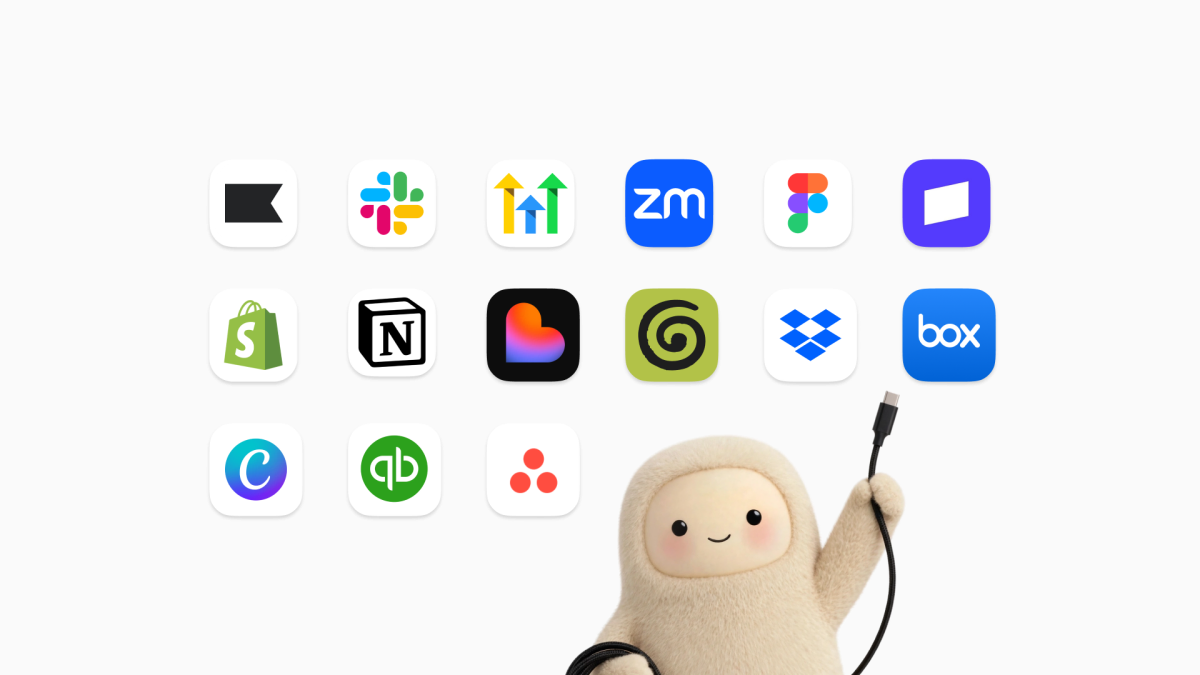
At launch, the system can connect to Instagram professional account analytics, Facebook Pages, and Meta ad accounts. It can also plug into external business tools that cover project management, document storage, creative work, accounting, customer messaging, and online payments.
| Feature | What it does | Why it matters |
|---|---|---|
| Muse for Small Business | AI agent for business operations and customer growth | Gives small firms an assistant tied to their workflow |
| Instagram analytics | Connects to professional account performance data | Helps refine content and audience strategy |
| Facebook Pages and ads | Links brand presence and campaign data | Supports marketing and advertising decisions |
| Shopify, Stripe, QuickBooks | Connects commerce, payments, and finance tools | Brings business context into one AI assistant |
| Slack, Zoom, Asana, Notion | Integrates communications and collaboration apps | Helps the agent sit inside day-to-day operations |
Why Meta is betting on connected AI
Meta’s pitch is simple: an AI agent becomes more valuable when it understands the full picture of a company’s work instead of answering questions in isolation. A standalone chatbot can draft text or summarize information, but a connected agent can use live business context to offer more targeted help.
That logic sits at the center of Meta’s new approach. The company says Muse can learn what a business sells, how it communicates, and what customers tend to ask about most. In practical terms, that could help a shop owner tailor marketing content, respond to common inquiries, or identify which products are gaining traction online.
Meta is also clearly trying to translate its enormous consumer reach into business software relevance. The company has long been strongest in advertising and social engagement, but enterprise AI is now a fast-growing battlefield. If Meta can make its tools indispensable for smaller companies, it could create a new revenue stream while increasing reliance on its broader platform ecosystem.
Meta said small businesses have spent nearly two decades growing on its apps, and that owners are short on time rather than ideas. The company framed Muse for Small Business as a way to help them get work done using the tools they already use.
How does Muse for Small Business work?
Muse for Small Business works by linking Meta’s agent to the applications and account data a business already uses. Once connected, the agent can draw on that information to provide more relevant suggestions and automate some tasks across different parts of the company’s workflow.
Connected apps and services
The list of integrations is broad enough to suggest Meta wants Muse to be embedded across the modern small-business stack. The company said additional connections include Asana, Box, Canva, Figma, Granola, HighLevel, Intuit QuickBooks, Klaviyo, Lovable, Notion, Stripe, and Zoom.
- Shopify for ecommerce operations
- Dropbox and Box for file storage
- Slack and Zoom for internal and external communication
- QuickBooks and Stripe for accounting and payments
- Canva and Figma for creative and design work
- Asana and Notion for task management and planning
The point is not simply to add more apps to a list. It is to make Muse aware of the full operating environment so that it can respond with context instead of generic guidance. That approach mirrors a wider industry push toward AI agents that can take actions across software rather than merely generating text.
What business context does Meta say Muse understands?
Meta says Muse can identify what a business sells, how the brand sounds, and which questions customers ask most often. That means the agent is designed to do more than answer prompts; it is intended to behave like a helper that has been briefed on the company’s identity and customer relationships.
For a small business, that could mean drafting responses that sound on-brand, suggesting promotional ideas aligned with recent customer behavior, or helping owners decide where to focus their time. The company has not laid out every possible use case, but the direction is clear: Meta wants to turn AI from a novelty into a daily operational tool.
What does the pricing look like?
Meta says Muse for Small Business is free to use with limits on usage. Businesses that need more capacity can pay for a subscription plan. That tiered approach is common in AI products and gives Meta a way to attract smaller customers while monetizing heavier users later.
The free entry point could be especially important for small businesses that may be curious about AI but hesitant to add another subscription. By lowering the barrier to adoption, Meta can encourage experimentation and build habits before asking users to pay more for expanded access.
How does this fit Meta’s wider enterprise strategy?
This is part of a bigger enterprise push that Meta has been building around its AI ambitions. The small-business launch arrived one day after the company introduced Meta Enterprise Platform, a broader initiative aimed at expanding AI offerings for business and corporate customers.
That timing suggests the company is moving quickly to establish a full commercial AI stack rather than releasing one-off products. Meta says it plans to bring together multiple tools, including Muse, Meta Business Agent, Muse API, and Muse Code, to serve businesses and developers.
The new division is also being led by a high-profile hire. Meta brought in Chirantan “CJ” Desai, who had been chief executive of database software company MongoDB, to run the initiative. Bringing in a leader with enterprise software experience underscores how seriously Meta is taking the business market.
Why is Meta moving now?
Meta appears to be moving now because the company sees a chance to convert momentum into revenue while the AI market is still taking shape. It has already spent heavily on infrastructure, talent, and product development, so enterprise adoption offers a path toward a financial return on those investments.
There is also a competitive reason. OpenAI, Google, and other AI companies are all trying to become the default provider of workplace intelligence. Meta’s advantage is its installed base of businesses already using Facebook and Instagram for discovery, promotion, and customer communication.
Why small businesses are the target
Small businesses are a natural target for Meta because many of them already depend on the company’s products to reach customers. For years, Meta’s apps have served as a marketing and commerce gateway for local stores, online sellers, service providers, and creators.
That existing relationship gives Meta a strong starting point. Unlike enterprise software firms that have to persuade companies to rebuild workflows from scratch, Meta can offer an AI layer on top of systems many owners already use every day.
Potential advantages for owners
- Less time spent switching between apps
- More personalized marketing suggestions
- Faster responses to customer questions
- Better use of account and sales data
- More automation across routine tasks
For an owner juggling sales, hiring, accounting, and customer messaging, even small efficiencies can matter. Meta is betting that if Muse can save time and surface actionable insights, businesses will be willing to keep it in their workflow.
What the launch means for Meta’s AI competition
The expansion puts Meta more directly into competition with AI platforms that already have strong business ambitions. OpenAI has been building an ecosystem around ChatGPT and developer tools, while Google has been embedding generative AI across productivity and cloud products. Meta’s answer is to lean into the business data it already controls through its ad and social products.
That strategy may prove persuasive for smaller firms that run much of their marketing through Meta’s systems. If Muse can combine ad data, page performance, ecommerce information, and productivity tools into one assistant, it could offer a more grounded view of a business than a general-purpose chatbot.
At the same time, Meta will need to prove that the product is genuinely useful. Businesses tend to be cautious about new software, especially when it handles customer or financial data. Ease of use, reliability, and trust will all matter if Meta wants Muse to become more than a flashy demo.
Timeline of Meta’s recent AI business push
Meta’s small-business release did not happen in isolation. It is part of a rapid sequence of product and organizational moves intended to make the company a serious AI vendor for businesses.
| Date | Announcement | Significance |
|---|---|---|
| Earlier this month | Muse launches to consumers | Introduces Meta’s AI agent to the public |
| Shortly after launch | Muse reaches the top of U.S. and Canada app charts | Shows early demand and visibility |
| Monday | Meta Enterprise Platform unveiled | Signals a broader enterprise AI strategy |
| Tuesday | Muse for Small Business announced | Extends the agent into small-business workflows |
What comes next?
The next stage will likely hinge on adoption. If small businesses begin using Muse regularly across commerce, marketing, and operations, Meta could build a stronger case for expanding the product further. If usage remains limited, the company may need to simplify the experience or prove a clearer return on investment.
Meta’s move also raises a larger question about the future of AI agents: will the most valuable assistants be the ones that know the most about a company’s actual work? Meta is making a strong bet that the answer is yes. By tying Muse to the tools that already run a business, the company is trying to make AI less like a separate destination and more like part of the workflow itself.
For now, the message from Meta is unmistakable. The company wants small businesses, not just consumers, to see its AI as a practical assistant for daily work — and it wants that assistant to live inside the systems those businesses already trust.
Frequently asked questions
What is Meta’s Muse AI agent for small businesses?
Meta’s Muse AI agent for small businesses is a connected assistant designed to help owners manage work, understand customers, and support marketing and operations. It links to Meta tools and third-party apps so it can use real business context instead of responding like a generic chatbot.
Which apps does Muse for Small Business integrate with?
Muse for Small Business integrates with tools including Shopify, Dropbox, Slack, Asana, Box, Canva, Figma, Intuit QuickBooks, Klaviyo, Notion, Stripe, and Zoom. It also connects to Instagram professional analytics, Facebook Pages, and Meta ad accounts.
Is Meta’s Muse AI free for businesses?
Yes, Meta says Muse for Small Business is free with usage limits. Businesses that need more capacity can move to a paid subscription plan, which gives Meta a way to attract smaller customers first and monetize heavier use later.
Why is Meta expanding Muse into business software?
Meta is expanding Muse into business software because it wants to compete in enterprise AI and create new revenue opportunities. By tying the agent to a company’s existing apps and Meta’s own platforms, the company hopes to make the tool more useful than a standalone chatbot.