In short
Meta used Connect 2026 to put smart glasses at the center of its hardware strategy, showing audio-only models, hearing-assistance glasses and new Muse AI integration. The demos suggested a push to make wearables more useful, affordable and less intrusive.
- Meta made smart glasses the centerpiece of its Connect event.
- The company showed an audio-only pair with six microphones and no camera.
- A second model is aimed at hearing assistance and could cost about $150.
- Meta’s Muse AI agent is being built into the glasses for voice-controlled tasks.
- Privacy concerns remain central, which is why the new models avoid cameras.
Meta used this year’s Connect event to signal that smart glasses are no longer a side project. The company showcased multiple new pairs, including audio-only models and a version designed for people with hearing loss, while also tying the wearables more tightly to its AI agent Muse.
The message from Menlo Park was clear: Meta wants glasses to become the company’s next major computing platform, not just a novelty accessory.
Meta makes smart glasses the star of Connect
At Meta Connect 2026, smart glasses were impossible to miss. They were worn by company employees, by influencers attending the event, and by many of the people demonstrating Meta’s latest hardware and AI features.
The company’s push was more than aesthetic. Most of the hands-on demos during the week centered on glasses, reinforcing a strategy that CEO Mark Zuckerberg has been repeating for years: the future of personal computing may be something you wear on your face rather than carry in your pocket.
For attendees, that meant one thing above all else — Meta is investing heavily in making wearables feel practical, socially acceptable and, crucially, useful enough to justify daily use.
What did Meta show off at the event?
Meta’s hardware showcase focused on two notable audio-first products. One is an unreleased pair of smart glasses aimed at general consumers. The other is a set built for people with hearing impairment and positioned as a lower-cost alternative to many conventional hearing aids.
Both devices strip away the camera hardware that has fueled privacy criticism around earlier smart glasses models. That absence matters. Recent public debate around camera-enabled wearables has included concerns that they could be used for covert recording or invasive surveillance. By making these new versions audio-only, Meta is clearly trying to reduce that friction.
The audio-only consumer model includes six microphones, but no camera and no built-in way to record the surrounding environment. The hearing-assistance version uses a similar form factor while serving a more specific medical and accessibility use case.
A lighter pair built for everyday wear
Of the glasses available to try, the unreleased audio-only version stood out for comfort. They were noticeably lighter than other smart glasses and felt closer to regular eyewear than a bulky tech gadget.
That matters because weight and comfort have long been major barriers for wearable devices. Meta appears to understand that a wearable people resist putting on will never become mainstream, no matter how impressive the technology underneath may be.
The staff demonstrating the product emphasized entertainment and communication first. The glasses can play music, and they are meant to make calls without requiring a user to reach for a phone.
Meta’s pitch, as presented at the event, was that these glasses should make everyday listening and calling easier and more comfortable than earbuds or a handset.
How does Meta’s Muse agent fit into the glasses?
Muse is Meta’s personal agentic system, and the company wants the glasses to become one of its most important interfaces. The integration is not yet public, but the demo showed how a wearer could speak directly to the agent and issue commands by voice.
The bigger idea is to make the glasses feel less like passive hardware and more like an active assistant. Meta also plans to personalize Muse further, including by letting users choose from a range of digital avatars that can represent the agent during conversations.
That approach gives the product a more playful identity, but it also reflects a broader race across Silicon Valley to make AI feel less like a chat window and more like a persistent companion that can handle tasks on behalf of the user.
Why the demo felt useful, but also awkward
The interaction was practical in theory and slightly comic in practice. The system expected clear, direct speech and did not handle interruptions well. If another person in the room spoke at the same time, the agent could become confused.
That is an important reminder that voice-first AI still depends heavily on the environment. A quiet grocery store aisle is one thing; a noisy conversation with multiple speakers is another.
Still, the value proposition is easy to understand. In the right setting, users could ask Muse to handle small digital tasks while keeping their hands free and their phone in a pocket or bag.
- Send a quick email
- Read out a to-do list
- Answer a factual question
- Handle routine tasks while the wearer is on the move
Meta also demonstrated the glasses as an information tool. When asked a historical question, the device returned a concise and accurate answer, suggesting the company wants the product to function as a wearable version of a chatbot as much as a music player or call device.
Why is Meta targeting hearing loss?
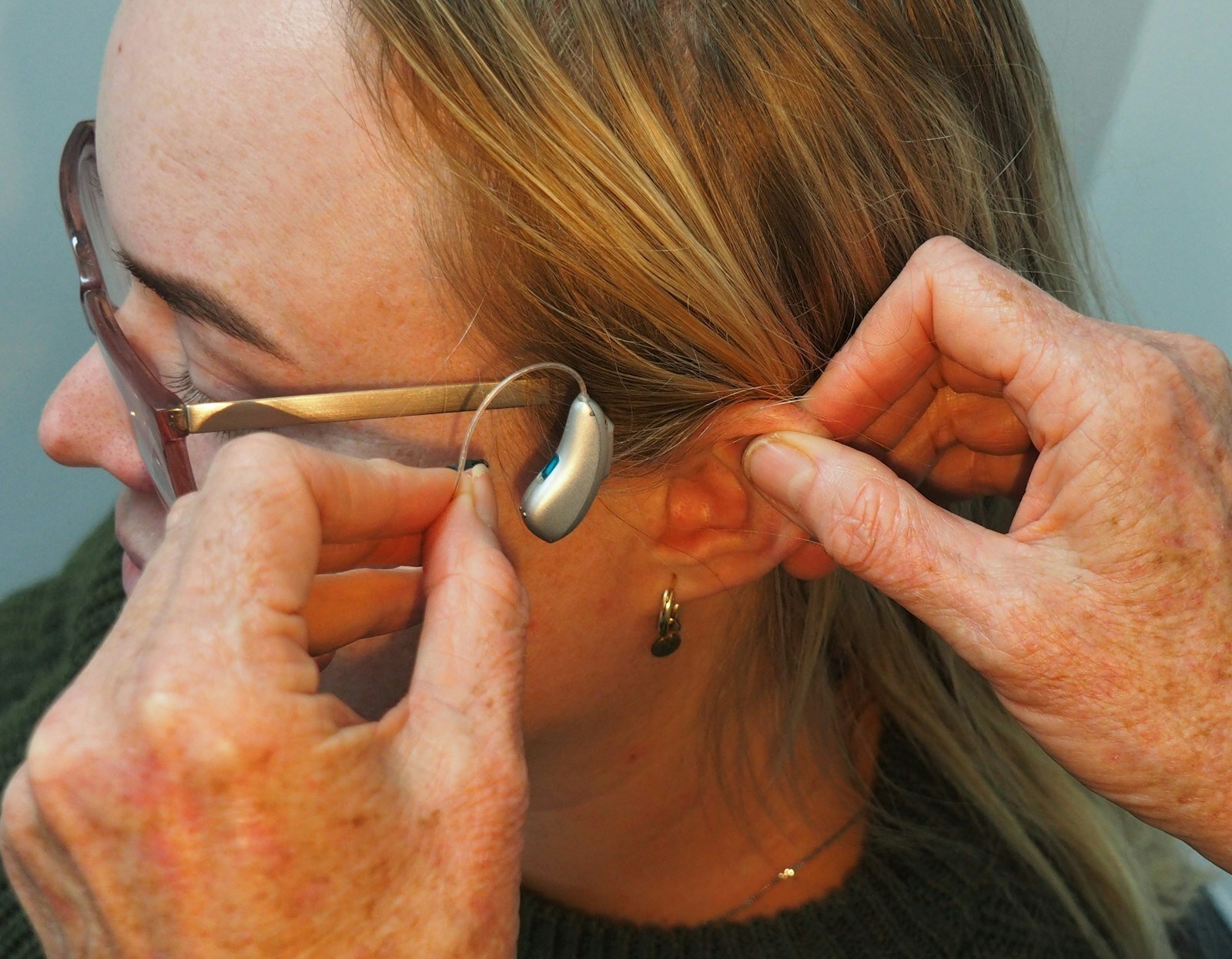
Meta’s hearing-focused glasses may be the most commercially grounded product in the lineup. The device is aimed at a real and widespread need: hearing support.
Hearing loss affects tens of millions of Americans, making it one of the most common sensory challenges in the country. That creates a large potential market for any product that can offer assistance at a lower cost than many existing devices.
According to a Meta researcher who discussed the project at Connect, development of the glasses has taken roughly five years. The company is positioning them as a far more affordable option than many hearing aids, which can reach roughly $1,600. Meta expects the glasses to sell for about $150.
That price gap is significant. It does not automatically make the product a replacement for traditional hearing aids in every case, but it does suggest Meta sees a pathway into accessibility hardware that is broader than the tech enthusiast market.
How the hearing glasses work
The demo used earplugs to simulate hearing loss before the glasses were put on. Once activated, the device amplified the voice of the person in front of the wearer.
Users can switch between two listening modes:
- Focused mode, which emphasizes the person directly ahead
- Omnidirectional mode, which picks up sound from around the wearer
That flexibility gives the product more utility than a simple one-note amplifier. It can adapt to different environments depending on whether the user wants to isolate a voice or stay aware of broader surroundings.
In practical terms, that could make the glasses useful for conversations at home, in small gatherings or in public spaces where a wearer needs help separating speech from background noise.
How serious is Meta about smart glasses?
Very serious. If Connect made anything obvious, it was that Meta is no longer treating smart glasses as a speculative side bet. The company appears to be building an ecosystem around them, from entertainment and calls to AI interaction and accessibility use cases.
Zuckerberg has repeatedly signaled his belief that glasses are central to Meta’s future. The company’s approach this year suggests it is trying to solve multiple problems at once: public skepticism, limited consumer adoption and the need for a product that does more than simply look futuristic.
That strategy helps explain why Meta is taking such a broad approach. The company wants its glasses to be stylish enough to wear, functional enough to justify the cost and useful enough to become part of daily routines.
What Meta is trying to fix
Smart glasses have struggled for years because they often fell between categories. They were too awkward to be normal eyewear, too limited to replace a phone and too experimental to feel essential.
Meta seems to be trying to avoid that trap by splitting the product line into specific jobs:
- A consumer audio model for calls, music and AI access
- An accessibility-focused model for hearing support
- A more personalized AI experience through Muse
That segmentation may be smart. Rather than betting everything on one “do-everything” pair of glasses, Meta is building a family of devices that can appeal to different audiences for different reasons.
Why privacy still matters
Privacy concerns remain one of the biggest obstacles for smart glasses, and Meta cannot afford to ignore them. The backlash around camera-equipped wearables has been intense enough that even the company’s most promising products are being judged through that lens.
By removing the camera from these new models, Meta is making an implicit acknowledgment that trust is part of the product design. Consumers may be more willing to wear glasses that listen than ones that can also quietly film them.
Still, the broader debate is not going away. Any wearable that can capture audio, connect to an assistant and run continuously on a user’s face will draw scrutiny over how data is collected, processed and stored.
For Meta, that means the challenge is not only to make the hardware work, but to persuade people that using it is safe, socially acceptable and worth the trade-offs.
| Product | Main feature set | Privacy posture | Approximate price | Target use |
|---|---|---|---|---|
| New audio-only smart glasses | Six microphones, music, calls, Muse integration | No camera, no native recording | Not announced | General consumer wear |
| Hearing-assistance glasses | Voice amplification, focused and omnidirectional modes | No camera noted in demo | $150 | Accessibility and hearing support |
| Existing smart glasses category | Camera-equipped wearable hardware | Frequently criticized for surveillance concerns | Varies | Mixed consumer and creator use |
What the demos revealed about the market
Meta’s displays at Connect also highlighted a broader truth about the smart glasses market: it still needs a use case strong enough to pull in mainstream consumers.
Fashion alone will not do it. Pure novelty will not do it either. The most durable wearable products tend to solve repeated, everyday problems — listening, calling, accessibility, navigation or quick access to digital services.
Meta appears to be moving in that direction. Its products are no longer being framed only as a futuristic preview. They are increasingly being positioned as tools that can improve how people communicate, hear and interact with AI.
Whether that strategy works will depend on execution. The glasses need to be comfortable, affordable, discreet and reliable. They also need to earn a level of public acceptance that earlier attempts in this category never achieved.
What happens next for Meta’s glasses?
Meta has not yet made the new audio-only glasses widely available, and the company has not disclosed full consumer launch details for all the products shown at Connect. That means the hardware remains partly aspirational, even as the demos suggest a much more mature product direction.
What is already clear is the company’s intent. Meta is using Connect to move smart glasses from experimental curiosity toward a plausible everyday device category. The combination of better design, targeted features and AI assistance suggests the company believes it has finally found the formula others missed.
The real test will come after the stage lights fade. If consumers embrace the products, Meta may have found its next major platform. If they do not, smart glasses could remain what they have been for years: promising, interesting and not quite indispensable.
For now, though, Meta is betting that the future is something you wear — and that the future should be loud enough to hear, smart enough to answer and practical enough to fit into an ordinary day.
Frequently asked questions
What did Meta announce about smart glasses at Connect?
Meta highlighted smart glasses as a core part of its hardware strategy at Connect, showing off audio-only models and a hearing-assistance pair. The company also demonstrated how its Muse AI agent can work through the glasses for voice-based commands and information lookup.
Do Meta’s new smart glasses have cameras?
No, the new audio-only models shown at Connect do not include cameras. Meta appears to have removed camera hardware to ease privacy concerns and focus the devices on listening, calls, music and AI-powered voice interaction.
How much will Meta’s hearing glasses cost?
Meta says the hearing-assistance glasses will cost about $150. That makes them far cheaper than many traditional hearing aids, which can reach around $1,600, according to the company’s discussion at the event.
What is Muse in Meta’s glasses?
Muse is Meta’s personal agentic AI system, and the company is integrating it into its glasses so users can speak commands aloud. The system can help with tasks like sending emails, reciting to-do lists and answering questions.
Why is Meta pushing smart glasses so hard?
Meta appears to believe smart glasses could become the next major computing platform. By combining audio, AI and accessibility features, the company is trying to make the devices useful enough to become part of everyday life.