In short
OpenAI acquired Odessia and hired founder Francis Davidson, a move that appears to be an acqui-hire centered on travel and agentic commerce. The startup has been shut down, but its licensing, booking experience and founder expertise may feed OpenAI's travel ambitions.
- OpenAI acquired Odessia and hired founder Francis Davidson, though deal terms were not disclosed.
- TechCrunch said the transaction looks like an acqui-hire and reported that Odessia has been shut down.
- Crypto Briefing said Odessia was a licensed IATA travel agency that processed more than $60 million in bookings during a summer 2026 preview.
- OpenAI already has travel ties through Booking.com, Expedia and KAYAK, according to TechCrunch.
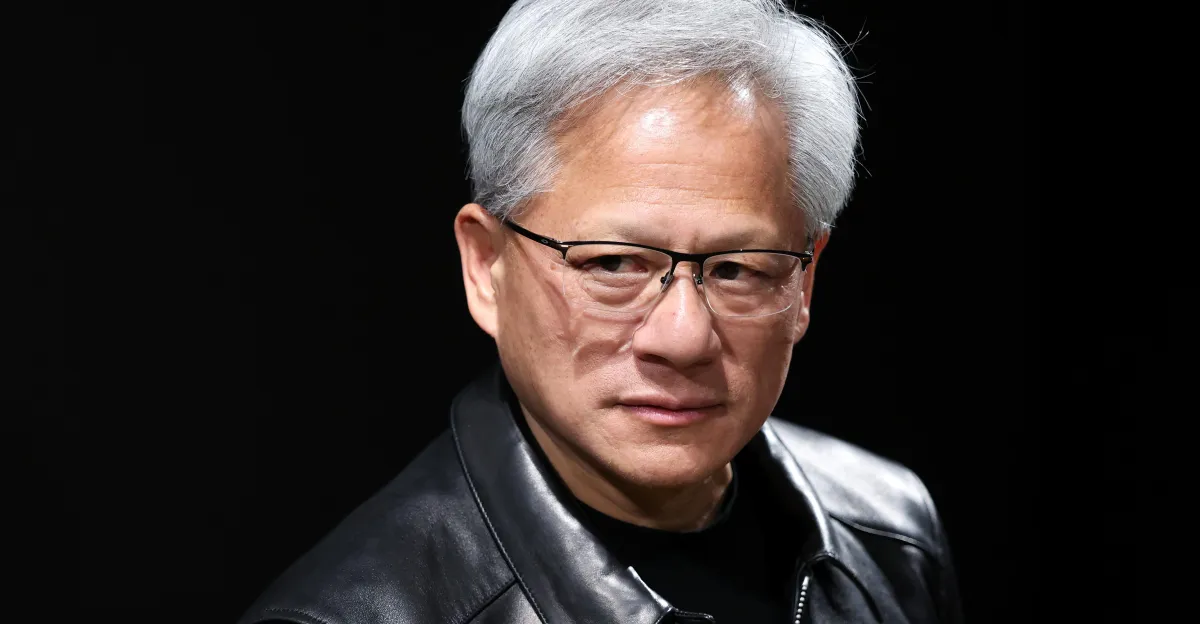
OpenAI has acquired Odessia and hired its founder, Francis Davidson, in a move that folds a fast-rising AI travel startup into the ChatGPT maker’s broader push into task-executing software. The deal terms were not disclosed, but the reported structure and timing suggest an acqui-hire aimed at bringing Davidson’s travel expertise and Odessia’s product know-how inside OpenAI.
What OpenAI just bought
According to TechCrunch, OpenAI acquired Odessia, an AI travel agent startup, and brought in Davidson as part of the deal. Crypto Briefing separately reported that Odessia had been a licensed IATA travel agency, a detail that matters because it can determine whether a company can directly sell and manage bookings rather than merely recommend options.
The startup is now shut down, TechCrunch reported, leaving the acquisition less like a public product purchase and more like a talent and capability grab. Davidson said he is now working at OpenAI on travel, and the founder described the role as “helping the AI lab with the future of travel.”
Why it matters
This is more than another AI startup exit. It is a sign that OpenAI is continuing to move from general-purpose chat tools toward agents that can complete real-world tasks, especially in commerce-heavy categories where booking, payment, and planning are involved.
Travel is a logical target. It is high-friction, layered with inventory, preferences and timing, and it has long been a proving ground for software that promises to replace manual comparison shopping and fragmented workflows. OpenAI already counts Booking.com, Expedia and KAYAK as customers or partners, according to TechCrunch, so Odessia appears to add founder talent and product experience to relationships OpenAI already has in the sector.
For readers, the implication is straightforward: travel planning tools inside AI products may become more capable and more transactional. For the market, the deal suggests that the battle over agentic commerce is shifting from demos and chat interfaces to companies that can actually book, manage and execute on behalf of users.
How did Odessia get here?
Odessia was young by startup standards. TechCrunch said it launched about five months before the report on the acquisition, while Crypto Briefing said it publicly relaunched on Oct. 14, 2026, making the company’s run extremely short either way. The startup also raised $6 million in pre-seed and seed funding, with TechCrunch and Crypto Briefing both citing Sequoia as the lead investor.
The company appears to have moved quickly from launch into real usage. Crypto Briefing reported that Odessia handled more than $60 million in bookings during a summer 2026 preview and served tens of thousands of users. TechCrunch added that Davidson said early adopters used Odessia to plan millions of dollars of travel. Taken together, those claims suggest the product was not merely experimental; it had already reached a meaningful level of commercial activity.
The startup’s pace also reflects how quickly the AI travel category has heated up. OpenAI launched ChatGPT agent in July 2025 and explicitly cited travel as a use case, according to TechCrunch. That timing matters because it suggests OpenAI had already been thinking about travel as a natural fit for agentic software before this acquisition surfaced.
What is an acqui-hire, and why does it fit here?
An acqui-hire is an acquisition primarily designed to bring in talent and technology rather than to continue operating the target company as a stand-alone business. TechCrunch said the Odessia deal looked like an acqui-hire, and the shutdown of the startup supports that reading.
That framing leaves open a key question: did OpenAI pay for Odessia’s product, its team, or both? The answer is not public. OpenAI had not announced the acquisition or confirmed it to TechCrunch, and the deal terms remain undisclosed.
Even without the price tag, the strategic logic is clear. Davidson has relevant founder experience, and not just in software. He founded Sonder in 2014, giving him a background in hospitality operations as well as product building. That combination is useful in travel, where software often collides with real-world inventory, service obligations and customer expectations.
Background: the long road from Sonder to OpenAI
Davidson’s path to OpenAI runs through one of hospitality tech’s more visible collapses. TechCrunch said he resigned as Sonder CEO in June 2025. Crypto Briefing reported that Sonder later filed for administration in November 2025, while TechCrunch said the company went into bankruptcy after a partnership with Marriott fell through.
The exact revenue picture from Sonder differs across the outlets. TechCrunch cited $143 million in revenue, while Crypto Briefing put the figure at $600 million. That discrepancy is notable, but it does not change the broader point: Davidson brings experience from a company that scaled quickly, partnered with a major hotel brand, and then ran into serious trouble.
That background may be part of what makes him attractive to OpenAI. Travel is not just an interface problem; it is an operations problem. It requires working across suppliers, partners, inventory systems, customer service expectations and changes that can occur after booking. A founder who has lived through those frictions may be more valuable than one who has only built consumer software.
What OpenAI already has in travel
OpenAI is not entering travel from scratch. TechCrunch reported that Booking.com, Expedia and KAYAK are already customers or partners. That means the company already has relationships with some of the biggest names in online travel, which can matter as OpenAI looks to move from recommendation to execution.
The launch of ChatGPT agent in July 2025 also matters here. OpenAI has been pushing ChatGPT and agentic products toward doing work, not simply answering questions, and travel is one of the clearest places where that shift can be monetized. A well-designed travel agent can search, compare, hold, book and adapt plans as conditions change.
Odessia may have given OpenAI a practical testbed. Even if the startup is gone as a standalone company, its licensing, booking experience and founder expertise could be folded into the larger platform. That is the core strategic value in an acqui-hire: the knowledge does not vanish with the product.
By the numbers
| Metric | Figure | What it refers to | Source |
|---|---|---|---|
| Funding raised | $6 million | Odessia pre-seed and seed financing | TechCrunch / Crypto Briefing |
| Bookings processed | More than $60 million | Odessia summer 2026 preview | Crypto Briefing |
| Users served | Tens of thousands | Odessia preview usage | Crypto Briefing |
| Time to acquisition | About 5 months | Launch to OpenAI deal, per TechCrunch | TechCrunch |
| Public relaunch to acquisition | Less than 4 weeks | Odessia’s Oct. 14, 2026 relaunch to reported OpenAI deal | Crypto Briefing |
| Sonder administration | November 2025 | Company filing after Marriott deal fell through | Crypto Briefing / TechCrunch |
Why travel is such a natural target for AI agents
Travel combines several things AI systems are being built to handle: search, personalization, scheduling, price comparison and follow-through. It is a category where users often begin with a vague goal and end with a concrete transaction.
That makes travel an attractive proving ground for agentic systems that go beyond conversation. If a model can translate intent into booked itineraries, reservations and changes, it can demonstrate value in a way that feels immediate to consumers and monetizable to platforms.
There is also a distribution advantage. Travel is already embedded in many digital habits, from planning leisure trips to organizing business travel. A model that sits inside a widely used product like ChatGPT can potentially intercept demand early in the decision process, before users visit a dedicated booking site.
How does Odessia fit into that strategy?
Odessia fits because it was already focused on being an AI travel agent, not just a generic assistant that could discuss flights and hotels. The startup’s reported ability to process bookings, its IATA licensing and its claimed scale suggest it had moved beyond novelty and into operational territory.
That makes the acquisition more interesting than a standard startup hire. OpenAI is not merely getting a person who can talk about travel; it is getting someone who has built a product at the intersection of AI, bookings and hospitality operations.
What happens next
The most immediate unknown is whether OpenAI will turn this into a visible consumer feature or use the talent and technology behind the scenes. OpenAI has not laid out travel-specific product plans, and the company has not said whether Odessia’s work will show up inside ChatGPT, another OpenAI product, or a new travel-focused experience.
Several open questions remain:
- What did OpenAI pay, if anything, for Odessia?
- Will Odessia’s technology be integrated into ChatGPT or kept as internal infrastructure?
- Will OpenAI expand travel-specific partnerships or rely on existing relationships?
- How should the conflicting Sonder revenue figures be understood?
- Will Odessia remain shut down, or reappear inside OpenAI in some form?
One practical thing to watch is whether OpenAI starts surfacing more booking-oriented behavior in ChatGPT agent or related products. Another is whether partner travel companies begin to appear in more formal integrations, which would signal that OpenAI sees travel as a serious commerce vertical rather than a side use case.
The broader significance of the deal is that it shows how competitive the AI market has become around execution. The next phase is not just about who has the strongest chatbot; it is about who can complete a task reliably, with real-world consequences, from a user prompt. Travel is one of the first industries where that shift can be measured in bookings rather than benchmarks.
“helping the AI lab with the future of travel”
That phrase captures the immediate story here. OpenAI is not merely experimenting with travel as an example category; it is recruiting people who have already built in it. If agentic AI is going to move from promise to product, travel is one of the places where the test will happen first.
Frequently asked questions
What did OpenAI buy from Odessia?
OpenAI acquired Odessia and hired founder Francis Davidson, but the deal terms were not disclosed. TechCrunch said the structure looks like an acqui-hire, suggesting OpenAI was primarily buying talent and product expertise rather than a standalone business.
Is Odessia still operating?
No, TechCrunch reported that Odessia has been shut down. The acquisition appears to have folded the startup into OpenAI rather than preserving it as an independent travel company.
Why is this deal important for OpenAI?
This deal matters because it strengthens OpenAI's push into agentic commerce, especially travel. OpenAI already has travel relationships with Booking.com, Expedia and KAYAK, and Odessia adds founder experience plus a product built around bookings and travel planning.
How much money did Odessia raise?
Odessia raised $6 million in pre-seed and seed funding, according to the fact sheet. Both TechCrunch and Crypto Briefing linked the round to Sequoia as the lead investor.
What happens to Odessia's technology now?
That is not public yet. OpenAI has not said whether Odessia's technology will be integrated into ChatGPT, used in another product, or kept as internal infrastructure for travel-related features.