In short
Apple has opened claims for a $250 million Siri settlement tied to alleged misrepresentation of AI features on eligible iPhones. U.S. buyers of select iPhone 15 Pro and iPhone 16 models can file by December 21, 2026.
- Apple agreed to a $250 million settlement over allegations tied to delayed Siri AI features.
- Eligible U.S. buyers of select iPhone 15 Pro and iPhone 16 models can file claims now.
- The estimated payout is about $25 per device, but it may rise depending on total claims.
- The claim deadline is December 21, 2026 and requires a serial number.
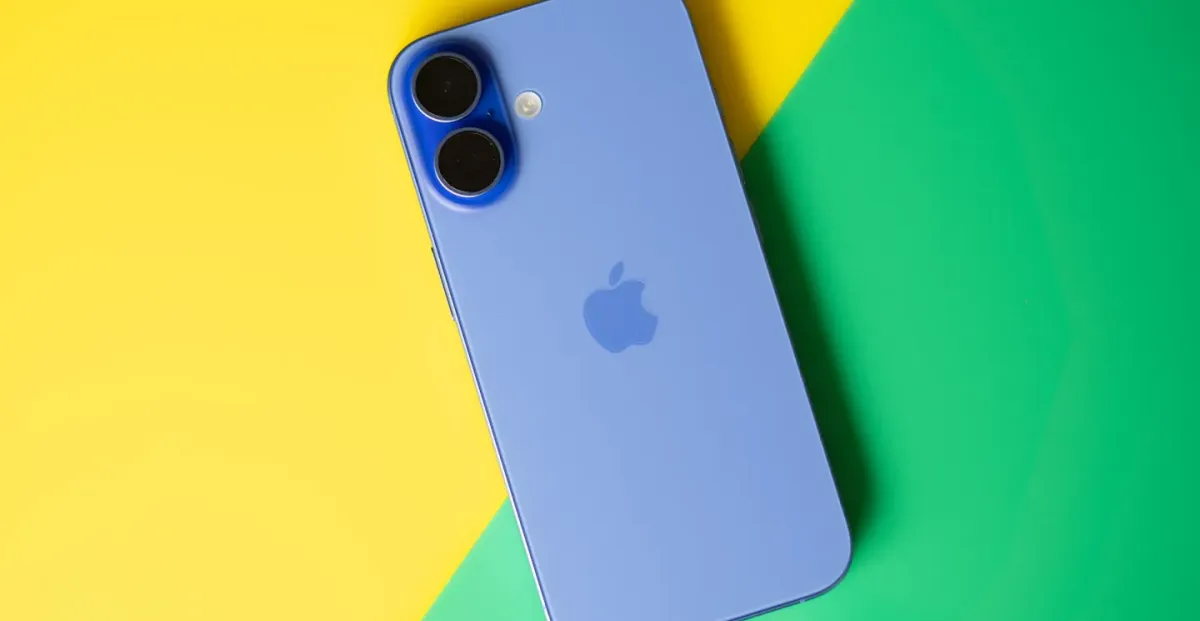
Apple iPhone owners in the United States can now file claims in a $250 million class-action settlement over allegations that Apple misled buyers about AI-powered Siri features promised for the iPhone 16 generation. The claim window is open now, and eligible users must submit by December 21, 2026 to seek a payout.
The settlement matters because it closes one of the more visible legal disputes tied to Apple’s delayed AI rollout, turning a product marketing promise into a consumer compensation case for owners of recent flagship iPhones.
Eligible claimants may receive roughly $25 per device, though the final amount can rise if fewer people apply. The filing process requires basic contact details and an iPhone serial number on the settlement website.
Who can file a claim in Apple’s Siri settlement?
Consumers who bought specific iPhone models during a defined period in the United States may qualify for payment. The settlement is limited to people who purchased an iPhone 15 Pro, iPhone 15 Pro Max, or any iPhone 16 model between June 10, 2024, and March 29, 2025.
That purchase window lines up with the period after Apple previewed major AI features at WWDC 2024 and before the company’s broader Siri upgrade was delayed. The lawsuit argued that buyers had reason to expect those features would arrive on schedule with the new devices.
The settlement website says the payout can be about $25 per eligible device, but the amount may increase to as much as $95 depending on how many claims are submitted.
Claimants must also provide the serial number of each eligible iPhone. That detail helps the settlement administrator verify device ownership and reduce duplicate or fraudulent filings.
What devices are covered?
The settlement covers a narrow set of premium iPhones that Apple marketed during the rollout of Apple Intelligence. The models listed in the claim instructions are:
- iPhone 15 Pro
- iPhone 15 Pro Max
- iPhone 16
- iPhone 16 Plus
- iPhone 16 Pro
- iPhone 16 Pro Max
Only purchases made within the settlement’s date range are eligible. Anyone who bought one of those devices outside the period may not qualify, even if they were affected by Apple’s later AI timeline.
Why Apple is paying $250 million
Apple agreed to the settlement after facing allegations that it created a consumer expectation that new Siri capabilities would arrive alongside the iPhone 16 launch. Plaintiffs argued that Apple’s WWDC 2024 demonstrations and marketing language suggested the phones were built for a more advanced, AI-driven assistant experience.
Instead, the iPhone 16 reached customers with a more limited version of the promised functionality. The upgraded Siri features were delayed, and Apple later rolled them out with iOS 27 earlier this month, long after many buyers had made their purchases.
Apple has denied wrongdoing, as companies often do in settlements of this kind. By agreeing to pay $250 million, the company avoids a prolonged court fight while continuing to contest the lawsuit’s underlying allegations.
How the lawsuit framed Apple’s marketing
The complaint centered on the idea that Apple’s product messaging did more than merely preview future software. According to the lawsuit, Apple’s presentation created a “clear and reasonable consumer expectation” that the company’s AI features would be ready in time for the iPhone 16’s release.
That claim reflected a broader tension in the tech industry: when does a product demo become a promise? In fast-moving areas such as generative AI, companies often showcase ambitious features months before they are stable enough to ship, which can invite legal scrutiny if timing slips.
For Apple, the issue was especially sensitive because the company positioned the iPhone 16 line around Apple Intelligence, making AI a central part of the device narrative rather than a side feature.
How to file a claim before the deadline
The process is straightforward, but the deadline is firm. Eligible users must file through the settlement website by December 21, 2026.
To submit a claim, users will generally need to provide:
- Their full name
- Contact information
- The serial number for each eligible iPhone
Claimants should keep a record of the filing confirmation and any reference number they receive. As with most class-action settlements, payments are typically issued only after the claim administration process is completed and all submissions are reviewed.
What happens after filing?
After a claim is submitted, administrators verify whether the device and purchase information fit the settlement terms. If the claim is approved, payment will depend on the number of valid claims and the final distribution rules.
People who are unsure about eligibility should check the official settlement notice rather than rely on broad summaries. Class-action claims can turn on exact purchase dates, device model names, and proof-of-ownership requirements.
Timeline of Apple’s Siri dispute
The settlement is the latest chapter in a timeline that began with Apple’s high-profile AI reveal and ended with delayed software delivery.
| Date | Event | Why it mattered |
|---|---|---|
| June 10, 2024 | Apple previews major AI features at WWDC 2024 | Created expectations around Apple Intelligence and Siri upgrades |
| June 10, 2024 to March 29, 2025 | Eligible purchase window for covered iPhones | Defines who can seek money from the settlement |
| iPhone 16 launch period | Devices ship with limited AI features | Supports the lawsuit’s claim that Apple’s promise and product reality diverged |
| Earlier this month | Apple’s upgraded Siri arrives with iOS 27 | Shows how much the release lagged behind the original promise |
| Now through December 21, 2026 | Claim filing period | Eligible users can still request payment |
What this means for Apple and its AI strategy
The settlement does not necessarily change Apple’s long-term AI plans, but it does highlight the risks of tying flagship hardware sales to software features that are still under development. For a company known for tight product control and polished marketing, the case underscores how costly a timing mismatch can become.
Apple has spent the past year trying to position Apple Intelligence as a meaningful reason to upgrade iPhones. That strategy depends on users believing the company can deliver polished AI features on schedule, not just preview them convincingly.
The dispute also arrives at a moment when the technology industry is under pressure to be more precise about AI capabilities. Product demos, launch events and marketing pages are increasingly treated not just as promotional materials, but as evidence of what buyers were led to expect.
Why consumers pay attention to settlements like this
These cases matter because they can offer direct compensation when a product does not match the marketing surrounding it. Even if the per-device payout is modest, class-action settlements can become a practical remedy for large numbers of customers.
They also signal to major tech companies that claims about AI features will be judged against the same standards as any other consumer promise. The more prominent the feature in the buying decision, the more important the timing becomes.
Key details at a glance
Here are the most important facts about the Apple Siri settlement:
- Settlement amount: $250 million
- Eligible buyers: U.S. owners of select iPhone 15 Pro and iPhone 16 models
- Purchase window: June 10, 2024 through March 29, 2025
- Estimated payout: About $25 per device, potentially up to $95
- Claim deadline: December 21, 2026
- Required information: Name, contact details, and iPhone serial number
For eligible users, the next step is simple: check the settlement site, confirm the device meets the purchase rules, and file before the deadline. For Apple, the case is another reminder that in the AI era, product hype can come with a price tag.
Frequently asked questions
Who is eligible for the Apple Siri settlement?
Eligible claimants are U.S. consumers who bought an iPhone 15 Pro, iPhone 15 Pro Max, or an iPhone 16 model between June 10, 2024 and March 29, 2025. Buyers must also be able to provide the required claim information, including the device serial number.
How much money can I get from the Siri settlement?
The expected payout is about $25 per eligible device, but it could rise to as much as $95 depending on how many valid claims are filed. The exact amount will be determined after the administrator reviews all submissions.
What do I need to submit a claim?
You need your full name, contact information, and the serial number for each eligible iPhone. Those details are used to confirm ownership and check that the device falls within the settlement’s qualifying models and purchase dates.
When is the deadline to file a claim?
The deadline to file is December 21, 2026. Claims submitted after that date are expected to be rejected, so eligible owners should complete the process well before the cutoff.