Updated August 19, 2026 12:23 am
In short
Whisker’s $899 Litter-Robot 5 Pro remains a strong automatic scooper, but its AI health tools, cat recognition, and camera system still fall short in real-world use.
- The Litter-Robot 5 Pro cleans litter well but its AI features were unreliable in home testing.
- Cat ID frequently confused two different cats, leading to bad weight and activity data.
- WasteID and health summaries did not provide actionable insights despite an $8 monthly subscription.
- The cheaper Litter-Robot 4 may be the better buy for people who want dependable automatic scooping without AI.
- The review highlights a broader smart-home problem: AI often works in demos but struggles in real households.
Update — August 19, 2026 12:23 am
The updated review says Whisker’s $8-a-month Plus plan still failed to produce any useful health alerts over six months of testing.
It also clarifies that the 5 Pro’s interior cameras are live-view only, while recordings come from the front-facing camera, with Whisker saying a recorded view of the waste area is still coming later.
The reviewer additionally found the camera could capture activity in a nearby hallway bathroom, and noted Whisker sells a $29 RFID PetTag as a workaround for the cat-recognition feature.
Update — August 18, 2026 3:23 am
The updated review adds that Whisker’s $8-a-month Plus subscription did not produce any useful health alerts during six months of testing.
It also says the camera system was more limited than expected: the interior cameras only offer live viewing, while recordings come from the front-facing camera, and Whisker says a recorded view of the waste area is still on the way.
The reviewer also found the camera placement could capture people using a nearby hallway bathroom, and noted that Whisker’s $29 RFID PetTag is offered as a workaround for the cat-recognition feature.
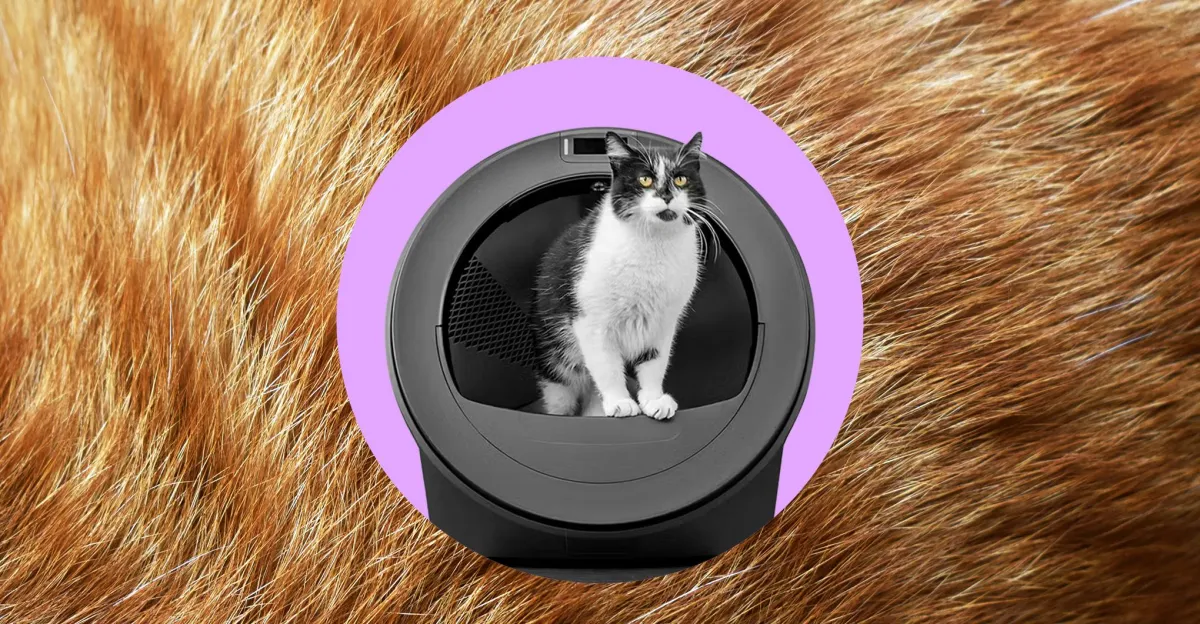
The Whisker Litter-Robot 5 Pro is a premium automatic litter box that costs $899, but a six-month review found its AI-driven health and cat-recognition features unreliable and often unusable. The machine still excels at cleaning litter, yet buyers paying extra for cat ID, waste classification, and health tracking may be disappointed.
For cat owners, the pitch is easy to understand: let a robot do the dirty work, then use cameras and sensors to spot changes in litter-box habits that could hint at health problems. In practice, the latest flagship from Whisker appears to deliver the first part of that promise far better than the second.
The verdict matters because Whisker has positioned the Litter-Robot 5 Pro as a smarter, more health-aware version of one of the most popular automatic litter boxes on the market. But after months of testing, the review suggests the company may have overestimated what its AI could reliably do once the product left the lab and entered a real home with two very different cats, imperfect lighting, and the messiness of everyday life.
What the Litter-Robot 5 Pro is supposed to do
The Litter-Robot 5 Pro is the most expensive model in Whisker’s lineup and the company’s most ambitious attempt to turn a litter box into a connected pet-health device. Like other Litter-Robot models, it uses sensors and a motorized globe to detect when a cat enters, wait until the animal leaves, and then rotate the drum to sift waste into a sealed compartment below.
That core design is the reason automatic litter boxes became a hit with cat owners in the first place. They reduce daily scooping, contain odor better than open trays, and make it easier to leave pets at home for longer stretches without returning to a foul-smelling mess.
The 5 Pro adds a layer of software and hardware that goes beyond convenience. It includes:
- dual cameras for tracking visits and identifying cats,
- a set of sensors meant to analyze waste and detect patterns,
- a companion app with alerts and history logs,
- an onboard scale to estimate each cat’s weight,
- and a paid Whisker Plus subscription for video storage and AI-powered health insights.
That combination is intended to turn a routine household chore into a monitoring system that can flag possible health changes earlier. For owners of older cats or pets with medical histories, that idea has obvious appeal.
How did the review test the Litter-Robot 5 Pro?
The review was based on six months of use with the Litter-Robot 5 Pro and Whisker’s lower-cost Litter-Robot Evo, both introduced late last year. The tester used the devices in a home with two cats, which created a good real-world test for the company’s facial-recognition and weight-assignment features.
That detail matters. A smart litter box that can tell one cat from another is only as useful as its ability to work in ordinary households, where cats may be similar in size, move quickly, share litter habits, or appear under less-than-ideal camera conditions.
Whisker’s flagship model is not just competing on convenience. It is also competing on trust: if the app says one cat used the box, weighed a certain amount, or produced a certain kind of waste, that data needs to be accurate enough to be meaningful.
| Model | Price | Key strengths | Main drawbacks |
|---|---|---|---|
| Litter-Robot 5 Pro | $899 | Largest feature set, dual cameras, WasteID, cat recognition | AI features unreliable, subscription needed for health tools |
| Litter-Robot 5 | $699 | Core automatic-cleaning features plus WasteID | No camera system, fewer health and tracking features |
| Litter-Robot 4 | $699 | Strong automatic cleaning, no AI dependency | Less intuitive indicators, older feature set |
| Litter-Robot Evo | $599 | Smaller footprint, LCD screen, lower price | Smaller bin, fewer compatible accessories, build concerns |
Why the AI features drew the harshest criticism
The biggest issue was not the robot’s ability to collect waste. It was the software layer meant to interpret what the robot saw, smelled, and weighed. According to the review, the flagship’s AI did not deliver useful health insights and frequently made basic identification mistakes.
One of the standout features, called Cat ID, is meant to recognize each cat that enters the machine and assign visits to the correct pet profile. The system can reportedly handle up to five cats, but it struggled badly with just two animals that looked noticeably different from one another.
Rather than cleanly separating the cats, the system often confused them and then continued to merge their histories. In effect, a machine that was supposed to make pet care more transparent ended up muddying the data.
The company’s promise was that the robot could use cameras and onboard sensors to understand which cat was using the litter box and what was happening inside it. In the real home, that did not hold up, and the app data frequently became unreliable.
That unreliability extended to weight tracking. The machine assigned the wrong cat’s weight, and one cat was briefly logged as having lost a dramatic amount of weight overnight after the robot confused one animal for the other. The problem did not correct itself quickly, and the owner had to manually reset profiles and reassign visit histories.
For a product sold on the idea of monitoring health, false readings are more than annoying. They can send owners down the wrong path and make the data harder to trust over time.
What is WasteID, and why did it matter so much?
WasteID is Whisker’s system for trying to distinguish urine from solid waste, with the aim of adjusting how the machine handles waste and giving owners more information about litter-box activity. In theory, that sounds useful for reducing odor and spotting changes in habits.
In the review, though, WasteID repeatedly failed to identify waste accurately and often could not provide weight information for individual deposits. That made the feature less like a health tool and more like an unfinished experiment.
Whisker told the reviewer that one unit’s gas sensor, which helps detect feces, was out of calibration and could be fixed remotely. When that didn’t resolve the issue, the company concluded that the scale itself was also off, potentially contributing to the bad readings.
That finding is important because it shows how a single hardware issue can ripple through multiple software features. If the scale is inaccurate, then cat identification may go wrong, waste analysis may go wrong, and the app’s summaries may become misleading all at once.
Why does poor data matter in a pet product?
Poor data matters because cat owners buy these systems for peace of mind, not just convenience. If a robot claims to track weight changes, waste patterns, or bathroom frequency, people may use that information to decide whether a pet needs veterinary attention. Inaccurate data can create a false sense of security or trigger unnecessary concern.
What worked well about the Litter-Robot 5 Pro?
The most important thing the Litter-Robot 5 Pro does well is also the least glamorous: it cleans litter extremely well. The machine handled waste consistently, and its larger bin, wider dome, and more intuitive controls made it feel like a stronger physical product than Whisker’s earlier flagship.
The reviewer also preferred the 5 Pro’s LCD screen over the more confusing LED indicators used on the older Litter-Robot 4. That small usability improvement makes the machine easier to understand at a glance.
Other strengths included:
- quiet operation,
- a roomy interior for bigger cats,
- a sealed waste drawer that reduces odor,
- app-based remote control,
- and alerting that can help prevent a cat from being trapped or interrupted during rotation.
The machine also apparently did its basic job with little drama once the cats accepted it. One cat used it immediately, and the other adapted quickly as well. That is a major point in the product’s favor, since some automatic litter boxes can be intimidating to pets.
How much does the subscription cost, and what does it add?
The Whisker Plus subscription costs $8 per month and unlocks the AI health features as well as video storage. It is central to the 5 Pro’s pitch because the most advanced functions are not bundled into the hardware purchase alone.
That arrangement makes the software’s failures more consequential. Buyers are not simply paying for a one-time premium machine; they are also paying recurring fees for features that were not delivering usable results during the review period.
The subscription model may appeal to owners who want ongoing data, but it also raises the expectation that the company will keep improving the product after launch. In this case, some improvements did arrive months later, including a new feature called Patterns that gives a daily summary of each cat’s activity.
Even so, the update still did not add the level of detail the reviewer wanted, particularly around waste type. The core criticism remained the same: the machine was better at collecting data than making sense of it.
How does the cheaper Litter-Robot Evo compare?
The Litter-Robot Evo is a more affordable option, but the review found the lower price came with meaningful compromises. It has a smaller footprint, which may help in tight spaces, and it includes an LCD screen, which is easier to read than the older lighting system on the Litter-Robot 4.
But the Evo lacks litter-level monitoring, supports fewer and smaller cats, has a smaller waste bin, and does not work with the litter hopper accessory sold by Whisker. The build also felt less sturdy, and the drawer could be finicky about closing properly.
In the reviewer’s experience, the Evo was not the better bargain once the practical limitations were counted. The lower cost only made sense if space was the main constraint and the user could live without the extra capacity and sturdier build of the pricier models.
What about privacy and camera placement?
The cameras were useful as a safety feature, but they also introduced an unexpected privacy issue. The review noted that where the litter box was placed determined what the front-facing camera could see, and in one setup it captured not only the cats’ visits but also people using a nearby bathroom.
That is an important reminder that home AI products often collect more ambient information than buyers expect. In a house with shared spaces, camera placement can become as much of a concern as performance.
Whisker offers settings that limit recording when a cat is detected, but the system may still be triggered by feline companions following their owners into the room. The result is a reminder that smart-home convenience often comes with tradeoffs in how and where devices observe household life.
Timeline: How the product and review unfolded
The product story developed over several months, with launch, testing, and later software updates all shaping the final assessment.
| Period | Event | Why it mattered |
|---|---|---|
| Late last year | Whisker launched the Litter-Robot 5, 5 Pro, and Evo | The company introduced a new generation of automatic litter boxes with more software features |
| Over six months | The 5 Pro and Evo were tested in a home with two cats | Real-world use exposed problems with cat ID, weight tracking, and WasteID |
| During testing | Whisker adjusted some sensor issues remotely | Company support showed hardware and calibration problems were affecting the software |
| Several months after launch | Whisker added the Patterns feature | The update improved summaries but still did not solve the underlying reliability concerns |
Who should buy the Litter-Robot 5 Pro?
The answer is narrower than the marketing suggests. The 5 Pro still makes sense for people who want a premium automatic litter box, have enough floor space for a large unit, and value the added safety benefit of a camera.
It may also suit households with up to five cats, especially if the cats are large and the owner primarily cares about automated scooping rather than the AI analytics.
But for buyers attracted by the promise of health monitoring, the recommendation is much more cautious. The review suggests that the flagship’s intelligence is still immature, and the expensive extras do not justify the jump in price if the data cannot be trusted.
Who is better off choosing a different model?
Owners who want a dependable automatic litter box without relying on AI will likely be better served by the Litter-Robot 4. It delivers the core scooping experience without the uncertainty of the 5 Pro’s software layer.
Buyers who need a smaller unit may be tempted by the Evo, but they should do so understanding the tradeoffs in build quality, capacity, and accessory support.
Why this review reflects a broader smart-home problem
The 5 Pro is not just a cat-product story. It is an example of a wider pattern in consumer tech: companies increasingly attach AI claims to ordinary household devices before those capabilities are ready for messy real-world use.
In a controlled environment, machine learning can look impressive. In a home, it has to cope with different lighting, quick movement, multiple pets, unusual behavior, and imperfect hardware calibration. That is where many products stumble.
Whisker’s mistake, according to the review, was not in building a capable automatic litter box. The mistake was assuming that the AI layer would be as dependable as the mechanical one.
That lesson has become familiar across the smart-home industry. If the core product is already good, adding AI can still make the package more complicated, more expensive, and more disappointing if the extra features fail to work consistently.
The bottom line
The Litter-Robot 5 Pro remains a strong automatic litter box, but its headline AI tools did not live up to the promise. Cat recognition failed, waste analysis was unreliable, weight tracking was inaccurate, and the paid subscription did not deliver the actionable health insights the product seemed to promise.
As a high-end pooper-scooper, the machine is impressive. As an AI-powered pet health monitor, it is not yet ready for prime time.
For now, the safest conclusion is simple: if you want automatic scooping, Whisker has good options. If you want trustworthy AI-generated cat health monitoring, the 5 Pro does not yet justify its premium price.
Whisker’s latest flagship appears to have put too much faith in what its AI might eventually do, rather than what it can reliably do today.
Frequently asked questions
Is the Whisker Litter-Robot 5 Pro worth the money?
Not for the AI features alone. The Litter-Robot 5 Pro is a very good automatic litter box, but the review found that its cat recognition, waste analysis, and health tracking were unreliable, making the $899 price hard to justify unless you mainly want premium scooping and camera-based monitoring.
How much does the Litter-Robot 5 Pro subscription cost?
The Whisker Plus subscription costs $8 per month. It is supposed to provide AI health features and video storage, but the review found that those paid tools did not produce useful or actionable insights during months of testing.
What is WasteID on the Litter-Robot 5 Pro?
WasteID is Whisker’s system for identifying and classifying cat waste so the app can track bathroom habits more intelligently. In the review, it repeatedly misidentified waste or failed to record it properly, which limited its usefulness as a health-monitoring feature.
Does the Litter-Robot 5 Pro recognize individual cats accurately?
No, not reliably in the review. The Cat ID feature confused two clearly different cats and mixed up their weights and visit histories, which meant the app data could not be trusted without manual correction.
Which Litter-Robot model is the best buy?
For most buyers who just want dependable automatic scooping, the Litter-Robot 4 appears to be the safer choice. The review suggests the 5 Pro is only worth considering if you specifically want the camera and are willing to accept that the AI features may not work well.