In short
Anthropic will make Claude Code’s auto mode the default for Pro, Max and Team users starting August 14. The company says the change will speed up coding and improve safety through stronger guardrails and better harmful-action detection than manual review.
- Auto mode becomes the default for Claude Code on August 14 for Pro, Max and Team users.
- Anthropic says auto mode caught 89% of harmful actions in testing, far more than manual review.
- The company is adding prompt injection screening and hard-deny rules to reduce security risks.
- Claude Code’s product direction is shifting toward more autonomous AI coding workflows.
Anthropic will turn on Claude Code’s auto mode by default for Pro, Max and Team users on August 14, giving the coding tool broader permission to act without repeated human approval. The change matters because it marks a notable shift in how Anthropic wants developers to work: faster, with fewer prompts, but still under safety rules designed to block destructive or out-of-scope actions.
The company says its tests suggest the default can be safer than relying on users to approve every step manually. That claim, together with new protections against prompt injection and data theft, puts Anthropic at the center of a bigger industry debate over how much autonomy AI coding assistants should have.
What Anthropic is changing in Claude Code
Starting August 14, Claude Code will launch in auto mode by default for paid individual and team accounts. Until now, the feature had to be enabled more deliberately, but Anthropic is now making it the standard experience for many subscribers.
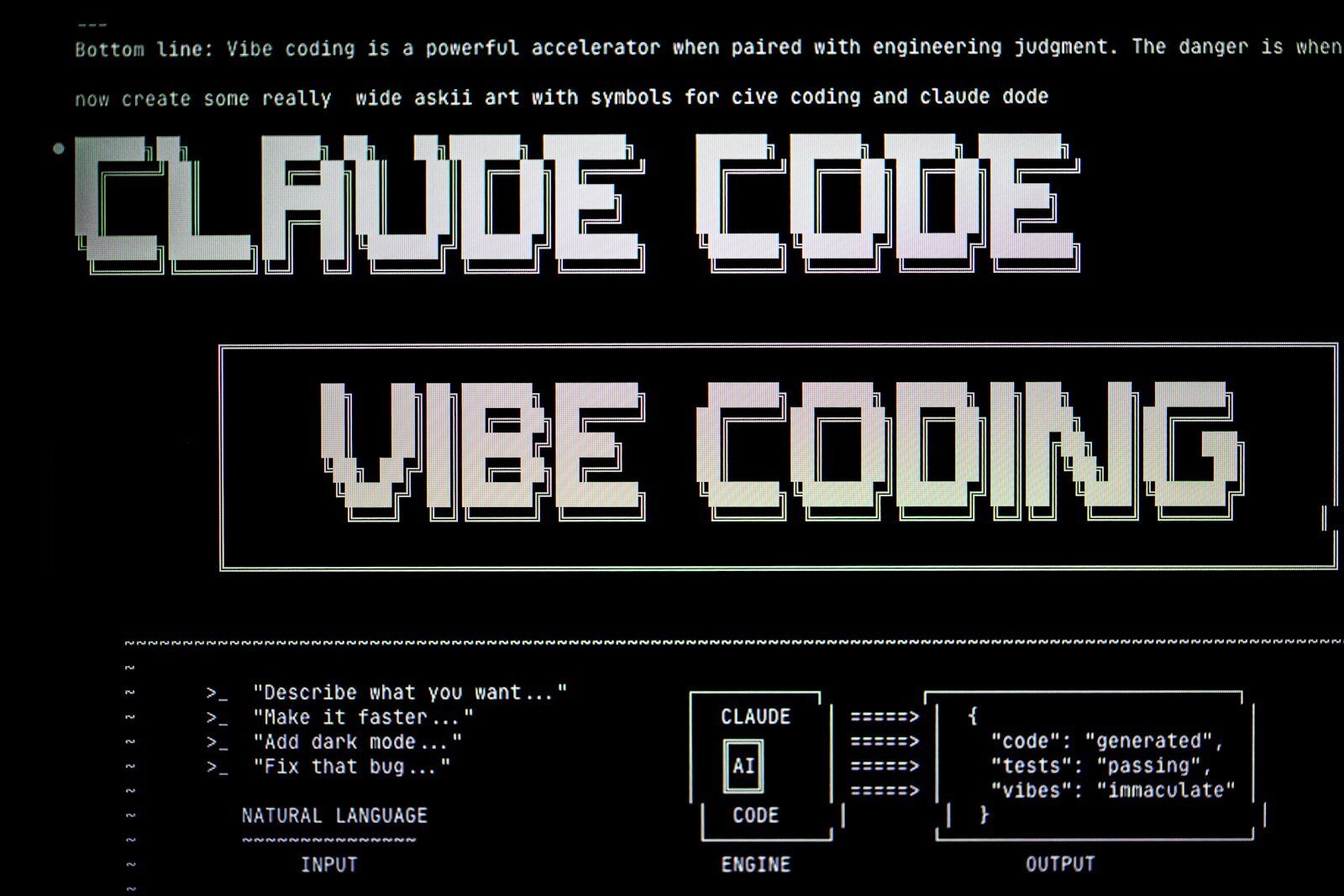
Claude Code is Anthropic’s coding-focused AI assistant, built to help developers write, edit and run code with less friction. Auto mode is meant to reduce interruptions by allowing the tool to keep working without asking permission at every step.
Anthropic says the assistant will continue automatically unless it encounters an action the system judges to be irreversible, destructive, or outside the user’s environment. In other words, the tool is not being given unrestricted access; it is being told to move forward unless a guardrail is triggered.
Why Anthropic is pushing more autonomy
The company’s position is that coding assistance becomes more useful when it behaves less like a talkative chatbot and more like a capable collaborator. Every extra permission prompt slows work, especially during repetitive programming tasks such as file edits, code generation, tests and refactoring.
Anthropic is also making a broader product bet. As AI coding tools compete to win over developers, the products that feel quickest and least annoying may be the ones that gain the most traction. Making auto mode the default is a strong signal that Anthropic wants Claude Code to be seen as an active partner rather than a cautious helper.
There is also an industry context behind the decision. AI companies have spent the past two years trying to balance productivity gains with concerns about mistakes, unintended actions and security risks. Anthropic’s move suggests it believes the balance has shifted enough to make default autonomy acceptable for many users.
How Anthropic says auto mode stays safe
Anthropic argues that the feature is not simply faster, but safer in practice than manual approval workflows. That argument rests on testing the company says it conducted with paid users of Claude Code.
In a study involving 1,053 paid testers, Anthropic says auto mode identified 89% of harmful actions, compared with 13.6% for human review. The company also points to a behavioral problem it says makes manual approval less effective over time: users tend to approve prompts almost automatically.
An Anthropic test found that users approve 97% of permission prompts in Claude Code, a pattern the company says can make manual review feel more protective than it really is.
That statistic helps explain why Anthropic thinks a system-level safety filter can outperform human vigilance. If users are habitually clicking through prompts, then “approval” may not actually provide meaningful oversight.
Anthropic says the auto mode experience is now paired with additional protections intended to catch risky behavior before it causes damage. The company says those safeguards include prompt injection screening and customizable hard-deny rules that can block actions such as data exfiltration.
What is prompt injection and why does it matter?
Prompt injection is one of the main security concerns for AI systems that can act on files, websites or connected tools. It happens when malicious or hidden instructions cause the model to ignore its intended rules and follow an attacker’s commands instead.
For coding assistants, the risk is especially important because the model may have access to private repositories, credentials, internal documents or deployment workflows. A compromised assistant could accidentally expose sensitive data or carry out harmful changes if protections are too weak.
That is why Anthropic is emphasizing screening and hard-deny settings. These measures are designed to stop the system from accepting requests that could lead to damage even if the user, or a malicious instruction embedded in context, tries to push it that way.
How did Anthropic test auto mode?
Anthropic’s announcement points to a controlled study involving more than a thousand paid testers. The company says the results showed that auto mode caught a far larger share of harmful actions than human review did during the test period.
That finding is important because it reframes the usual assumption that more manual approval means more security. Anthropic’s data suggests that when prompts become routine, human oversight may degrade into a reflex rather than a meaningful checkpoint.
The company has not said that human review is useless. Instead, it appears to be arguing that security works better when the system itself is trained and configured to recognize danger than when the responsibility is placed on users who may be rushing, distracted or overconfident.
| Key item | Details |
|---|---|
| Feature | Claude Code auto mode |
| Default date | August 14, 2026 |
| Affected accounts | Pro, Max and Team |
| Safety study size | 1,053 paid testers |
| Harmful actions caught by auto mode | 89% |
| Harmful actions caught by human review | 13.6% |
| Permission prompt approval rate | 97% |
Who is already using it?
Anthropic is not waiting for the broader rollout to validate the feature internally. Boris Cherny, the head of Claude Code, said in a post on X that the team has used auto mode exclusively for months and would not want to return to a workflow built around constant permission prompts.
Boris Cherny said the Claude Code team has relied on auto mode for months and no longer wants to go back to approving prompt after prompt.
That endorsement matters because it shows the product is not just being positioned as a beta experiment. Anthropic is presenting auto mode as a mature enough workflow for the people closest to the tool’s development.
Internal adoption often serves as a strong signal in AI product strategy. If the builders themselves use the feature regularly, the company can argue that the default setting is grounded in day-to-day experience rather than marketing theory alone.
How does this compare with the old approval model?
The old model placed a human in the loop for many decisions. The problem, Anthropic suggests, is that users often start by treating prompts carefully and end by clicking through them too quickly to make a real difference.
That dynamic is not unique to Claude Code. Many software products that rely on repeated approval steps eventually run into the same issue: the more often a warning appears, the less attention it receives. In AI tools, that can create a false sense of control.
Auto mode is Anthropic’s answer to that problem. Instead of asking users to supervise every move, the system itself is expected to detect when a request is safe, and when it crosses a line.
That shift could improve speed, but it also changes the nature of trust. Users are no longer judging every action directly; they are trusting Anthropic’s policy layer, training and filters to make the right call.
Timeline of Claude Code auto mode
The rollout follows a series of steps that show Anthropic testing the feature, refining its safeguards and then moving toward broader adoption.
- March 2026: Anthropic first introduces a test version of auto mode.
- Spring and summer 2026: The company adds safety tools such as prompt injection screening and hard-deny rules.
- Testing period: Anthropic studies 1,053 paid testers and reports stronger harm detection in auto mode than in manual review.
- August 14, 2026: Auto mode becomes the default for Pro, Max and Team users.
Why this move matters for AI coding tools
Anthropic’s decision is part of a larger race to define the future of software development. AI coding assistants are becoming more capable, but the winning products may not be the ones that simply generate the best code. They may be the ones that fit most naturally into a developer’s workflow.
That means reducing interruptions, minimizing repetitive approval steps and keeping the system moving through common tasks. If auto mode works as intended, it could make Claude Code feel significantly more useful for users who already trust the platform.
But the move also raises the stakes. The more autonomy an assistant has, the more important its safety controls become. Anthropic is essentially betting that the combination of model behavior, policy filters and user settings can create a system that is both productive and restrained.
This is a delicate balance. Developers want tools that can move quickly, but they also want to know those tools will not silently perform destructive changes or leak sensitive information. Anthropic’s latest update is an attempt to satisfy both demands at once.
What users should watch for next
For current Claude Code users, the biggest near-term question is how the default change alters daily workflows. Some users will welcome fewer interruptions, while others may prefer to reintroduce stricter manual controls if their work involves especially sensitive code or data.
There are also likely to be follow-up questions around enterprise adoption. Team accounts are included in the default rollout, which suggests Anthropic expects organizations to accept the feature, but businesses with strict security requirements may still want to audit the settings carefully.
In the broader market, competitors will be watching. If Anthropic can show that a more autonomous coding assistant improves productivity without increasing risk, other AI companies may follow with similar defaults.
For now, the company’s message is clear: Claude Code is moving toward a model where the AI does more of the work on its own, and Anthropic believes that is not only faster, but safer too.
FAQ on Claude Code’s auto mode default
How does Claude Code auto mode work?
Claude Code auto mode works by allowing the assistant to continue executing tasks without asking for approval at every step. It is designed to pause only when the action appears irreversible, destructive or outside the user’s environment.
Why is Anthropic making auto mode the default?
Anthropic is making auto mode the default because it believes the setting improves speed and, based on its tests, can also improve safety. The company says users approve most prompts by habit, which reduces the value of manual oversight.
What accounts are affected by the change?
The change affects Pro, Max and Team accounts starting August 14. Anthropic has framed the rollout around paid users, suggesting the company wants to normalize the feature among its most engaged customers first.
What safety measures are included?
The feature includes prompt injection screening and customizable hard deny rules. Anthropic says these protections are meant to stop risky requests, including attempts to extract data or push the model beyond its intended environment.
Does Anthropic say auto mode is safer than manual review?
Yes. Anthropic says its testing found auto mode caught 89% of harmful actions, while human review caught 13.6%. The company argues that routine prompt approval can create complacency, making human oversight less effective than it appears.
Bottom line
Anthropic is taking a decisive step toward more autonomous AI coding by making Claude Code’s auto mode the default for paid users. The company is pairing that move with new safety features and test results it says show the system can outperform human review at catching harmful behavior.
The rollout will reveal whether developers are ready for an AI assistant that acts first and asks fewer questions. If they are, Claude Code could become a model for how coding tools evolve from assistants into semi-autonomous agents.
Frequently asked questions
When will Claude Code auto mode become the default?
Claude Code auto mode will become the default on August 14, 2026. Anthropic says the change applies to Pro, Max and Team accounts, meaning most paid users will see the more autonomous workflow without having to enable it manually.
Is Claude Code auto mode safe to use?
Anthropic says it is designed to be safer than relying on users to approve every prompt. The company cites testing that found auto mode caught 89% of harmful actions, while human review caught 13.6%, and says it has added more security controls.
What stops Claude Code from taking dangerous actions?
Claude Code is supposed to stop when an action is irreversible, destructive or outside the user’s environment. Anthropic also says it uses prompt injection screening and customizable hard deny rules to help prevent data exfiltration and other risky behavior.
Which users are affected by the Claude Code change?
The default auto mode rollout affects Pro, Max and Team accounts. That means Anthropic is targeting both individual power users and collaborative business customers, suggesting it wants the feature to become standard across paid usage tiers.