In short
GTA VI’s release on Thursday sparked a wave of police and military social posts that used the game’s imagery for recruitment and public-safety messaging. The trend highlights both the franchise’s cultural reach and the awkward fit between a satire of authority and the institutions borrowing from it.
- Police agencies in the U.S. and Canada posted GTA VI-themed recruitment and warning content after the game launched.
- WIRED reported that San Diego, Washington state, Calgary, Glendale and Denver all joined the trend in different ways.
- The reaction also spread beyond police, with the U.S. Army and other institutions using GTA-style imagery or incentives.
- The posts highlight the tension between a satirical crime game and real-world authorities trying to use its popularity.
Grand Theft Auto VI’s release on Thursday triggered more than player traffic and online commentary: police agencies, military accounts and other institutions quickly turned the game’s imagery into recruitment and promotional material. The reaction underscores how deeply Rockstar’s franchise now shapes culture, even among organizations the series has spent years satirizing.
What happened after GTA VI came out?
Within hours of the game’s release, a wave of official social posts began appearing that borrowed the look, language and attitude of Grand Theft Auto. WIRED reported that the trend included departments in the United States and Canada, alongside other institutions using the game’s release as a hook for attention-grabbing messaging.
The most pointed examples came from police agencies. The San Diego Police Department posted AI-made art styled like a GTA police cruiser and paired it with a recruitment message. A Washington state police account also leaned into the theme, urging viewers to try the “real-life version” of GTA VI through law enforcement work.
Canadian agencies joined in as well. WIRED said Edmonton and Toronto police accounts posted GTA-inspired content, while the Calgary Police Service took a lighter approach by having a traffic officer react to dangerous driving clips from the game.
Not every department tried for irony. Glendale Police Department posted a “Keep It In The Game VI” warning about obeying laws and speed limits, while Denver Police Department delivered a blunt reminder that grand theft auto remains illegal.
Why it matters
The rush shows how a blockbuster game can become a ready-made marketing template for public institutions looking for reach, relevance and free attention. It also shows the risks of borrowing from a franchise that openly ridicules policing and treats officers as antagonists.
That tension matters because these posts are not coming from entertainment brands trying to look playful. They are coming from agencies that depend on public trust, public cooperation and credibility. Using a series known for corruption jokes, violent satire and criminal fantasy can create instant engagement, but it can also invite criticism for tone-deaf messaging.
There is also a practical angle. Social teams increasingly rely on fast-turnaround visuals, and AI-generated images make that easier. In this case, the speed of the reaction appears to have mattered as much as the substance. The result was a pileup of promotional content that was more reactive than strategic.
The episode also reveals how broad GTA’s cultural footprint remains after a 13-year wait for the new release. Institutions from local police to the U.S. Army found themselves responding to the same pop-culture moment, whether through humor, recruitment messaging or blunt moral framing.
How police social media turned GTA VI into a recruitment tool
Police recruitment and public-information teams have long used social media to chase attention, but the GTA VI wave shows a particularly aggressive version of that strategy. The posts were designed to feel timely, meme-friendly and easily shareable, while still steering viewers toward real-world careers or compliance messaging.
Examples from the first wave of posts
WIRED identified a range of approaches:
- San Diego Police Department used AI-generated GTA-style cruiser art tied to recruitment.
- A Washington state police account told viewers to try the “real-life version” of GTA VI through law enforcement careers.
- Glendale Police Department posted a warning under the line “Keep It In The Game VI”.
- Denver Police Department reminded users that grand theft auto remains illegal.
- Calgary Police Service used a traffic officer reacting to bad driving clips from the game.
Those posts ranged from playful to corrective, but they shared the same basic logic: use the game’s release to create a hook that could carry a recruitment or public-safety message.
What the fictional world of GTA adds
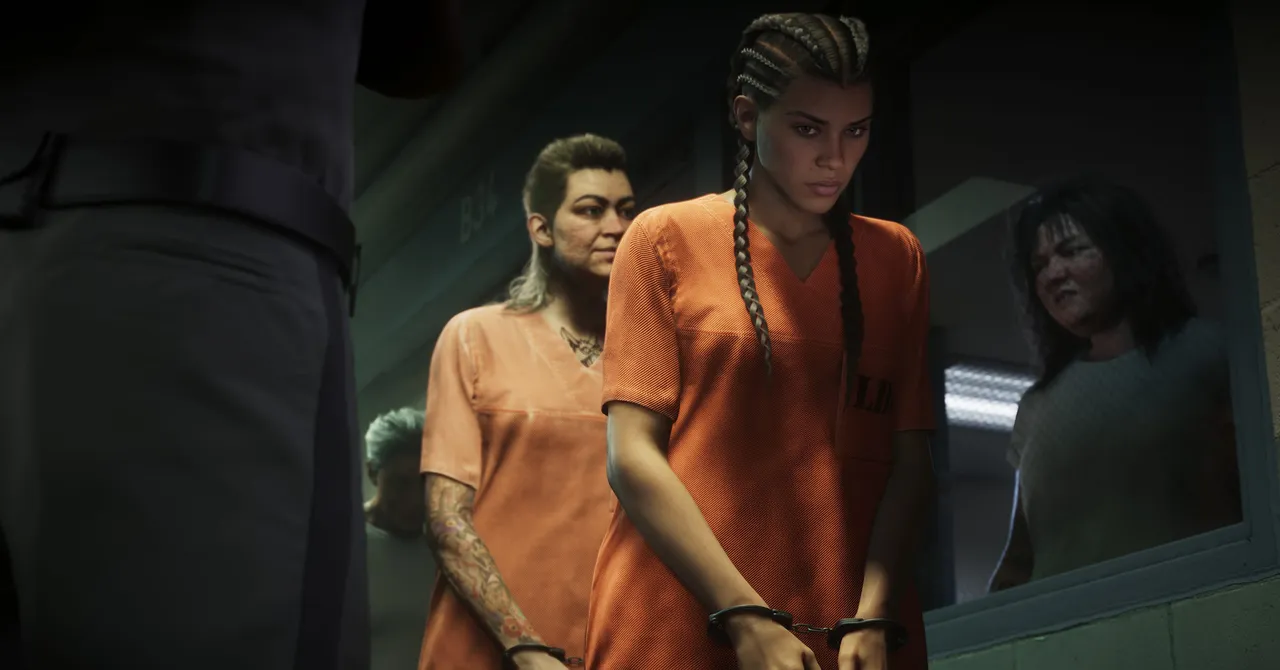
Grand Theft Auto’s police are often portrayed as corrupt, aggressive or both. WIRED noted that players encountered in-game officers who were depicted as corrupt and quick to violence, including one clip in which a cop drew a gun on a character who was only taking a selfie. That built-in satire makes police recruitment posts especially awkward: the joke only works because the game’s version of policing is already a punchline.
That irony was on full display in one fictional in-game ad quoted by WIRED from the Vice City Police Department: “Have you always dreamed of abusing your power without consequence?”
It is exactly the kind of line that makes the franchise famous and makes real-world departments look as if they are trying to borrow the game’s reputation without confronting its criticism of authority.
Background: why GTA draws so much attention
Grand Theft Auto is one of the longest-running and most recognizable action-game franchises, built around criminal open worlds and sharp cultural satire. Its popularity means every new release becomes more than a game launch; it becomes a public event that spills into politics, media and advertising.
That spillover is not new. The series has long been a target for criticism over violence, morality and the role of policing in popular culture. Fox News, WIRED reported, framed GTA VI around fears of virtual gun violence and moral decay. Elon Musk also weighed in, saying he could not play GTA because it made players shoot cops.
Those reactions help explain why the game remains such fertile ground for online commentary. GTA is not just a game about crime. It is a shared reference point for arguments about violence, policing, youth culture and the ethics of play.
The release also arrived after a 13-year wait, which helped amplify the response. That long gap created pent-up attention and a rush of posts once the game finally launched Thursday.
What the numbers show
The reaction can be measured in a few clear figures from WIRED’s reporting.
| Figure | What it refers to | Why it stands out |
|---|---|---|
| 13 years | The wait before GTA VI’s release | Shows how long the franchise had been building anticipation |
| Thursday | The day WIRED says GTA VI was released | Marks the start of the social-media reaction |
| 43 soldiers | U.S. Army service members tied to a reenlistment offer | Shows the game’s reach beyond police marketing |
| 4 days off | Leave granted to soldiers to play GTA | Highlights how seriously the game’s launch was treated |
| 2 more years | Reenlistment term linked to the Army deal | Shows the tradeoff attached to the incentive |
How far did the trend spread?
Far enough that it did not stop with police departments. WIRED said Russian army and NATO also used GTA VI-style promotional imagery in their own messaging. That broader spread suggests the game’s visual language has become recognizable enough to be repurposed by very different institutions for very different goals.
The U.S. Army also appears to have used the game’s popularity in a direct personnel strategy. WIRED reported that a battalion in Georgia gave 43 soldiers four days off to play GTA in exchange for reenlisting two more years. The details, as reported, point to a military culture that can turn even entertainment hype into a retention incentive.
That fact alone makes the release feel bigger than a routine entertainment launch. A pop-culture event has become a recruitment moment, an internal morale tool and a public-relations prompt all at once.
What exactly are agencies trying to say?
At a surface level, they are trying to be seen. Social platforms reward whatever arrives fast, looks familiar and can be understood in a second. A GTA reference checks all three boxes.
But the message is not the same everywhere. Some departments used humor to soften law enforcement branding. Others used the game as a warning about reckless behavior. A few simply used the moment to insert themselves into a global conversation about a hugely anticipated release.
There is a reason those posts spread quickly: they are easy to understand even for people who do not follow police recruitment or public-safety messaging. A game poster becomes a recruitment ad, a joke becomes a warning, and a launch day becomes a branding opportunity.
Still, the fact sheet points to a deeper contradiction. GTA has long mocked the kind of authority these institutions represent. The fictional police ads and violent in-game policing are part of what the franchise satirizes. Real-world departments echoing that style may get attention, but they also risk reinforcing the joke.
Timeline of the first wave
Here is how the day unfolded, based on WIRED’s reporting:
- Thursday: GTA VI was released after a 13-year wait.
- Thursday: San Diego Police Department posted AI-made GTA-style cruiser art.
- Thursday: A Washington state police account posted a GTA-like recruitment message.
- Thursday: Canadian police accounts and Calgary Police Service joined the trend.
The speed of that response suggests the material had been prepared quickly or produced on the fly. Either way, the posts arrived before the conversation around the game had settled, which is often the point of social media marketing.
Who is benefiting — and who might be exposed?
The immediate beneficiaries are obvious: agencies got visibility. Whether that visibility translates into more applicants, better public understanding or stronger relations with residents is a different question.
There is also reputational risk. If people see the posts as lazy, cringe-inducing or out of touch, the campaign can backfire. That risk is larger for public agencies than for brands selling sneakers or soda, because the work of police and military institutions is not purely commercial. Their communications have to sit alongside public accountability.
The reporting also raises a practical question about oversight. WIRED said a number of posts appeared quickly after release, but it remains unclear how many agencies joined in total, whether any edited or removed their posts after backlash, and whether Rockstar or Take-Two commented on the promotions.
What happens next
Several questions remain open after the first burst of posting. The biggest is how many police agencies ultimately joined the trend. Another is whether the posts were one-off jokes or part of a broader shift in official messaging strategy.
There is also the matter of response. If departments face criticism, some may quietly alter or delete the posts. Others may double down if the engagement numbers look strong enough. WIRED did not say whether any agencies had already done that.
On the private-sector side, it remains to be seen whether Rockstar or Take-Two comments on the use of GTA imagery by police and military accounts. The companies have not been identified in the fact sheet as responding.
And then there is the Army incentive. The details of the Georgia battalion’s offer raise a separate question: was it a formal program or a one-off incentive tied to reenlistment? That distinction matters if others try to copy the idea.
For now, the launch of GTA VI has done more than reopen a huge franchise. It has given police departments, military units and political media outlets a shared pop-culture language — one built on crime, satire and the uneasy overlap between fantasy and authority.
“No cheat codes. No respawns. Just real people, real challenges, and a career that makes a difference.”
That line, posted by a Washington state police account according to WIRED, captures the basic pitch behind much of the wave: real life is being sold as the serious alternative to a game built on consequence-free mayhem. The irony is that the game’s release is now being used to advertise exactly the institutions it has spent years parodying.
Frequently asked questions
Why did police departments post GTA VI-themed content?
They posted GTA VI-themed content to grab attention, promote recruitment and ride the buzz around a major game launch. WIRED reported that several agencies used the game’s imagery and tone for social posts aimed at visibility and public engagement.
Which police agencies joined the GTA VI trend?
Several agencies did, according to WIRED. The report named San Diego Police Department, a Washington state police account, Calgary Police Service, Glendale Police Department and Denver Police Department, with Canadian police accounts in Edmonton and Toronto also posting related content.
Why is the reaction to GTA VI ironic?
It is ironic because Grand Theft Auto has long satirized policing and often depicts officers as corrupt or violent. Real-world departments borrowing that look and language are using a franchise that frequently mocks the institutions they represent.
Did the military also use GTA VI in its messaging?
Yes. WIRED reported that Russian army and NATO used GTA VI-style promotional imagery, and that a U.S. Army battalion in Georgia offered 43 soldiers four days off to play GTA in exchange for reenlisting two more years.
Did Rockstar comment on the police posts?
The fact sheet does not say that Rockstar or Take-Two commented. WIRED flagged the posts and the broader trend, but it listed that as an open question rather than a confirmed response.