In short
Elon Musk publicly backed a petition to reinstate Jensen Huang, saying Nvidia could lose key deals without him. The board has not planned a return, and the dispute has become a test of how much Huang’s personal network matters to the company.
- Musk said Nvidia risks losing important deals without Jensen Huang.
- TechCrunch, Rediff and Hindustan Times emphasized different parts of the same leadership dispute.
- Rediff said the open letter had more than 175,000 signatures and included thousands of current Nvidia employees.
- The board said it is not planning to bring Huang back.
- The central issue is whether Nvidia can keep supplier and customer confidence without Huang.
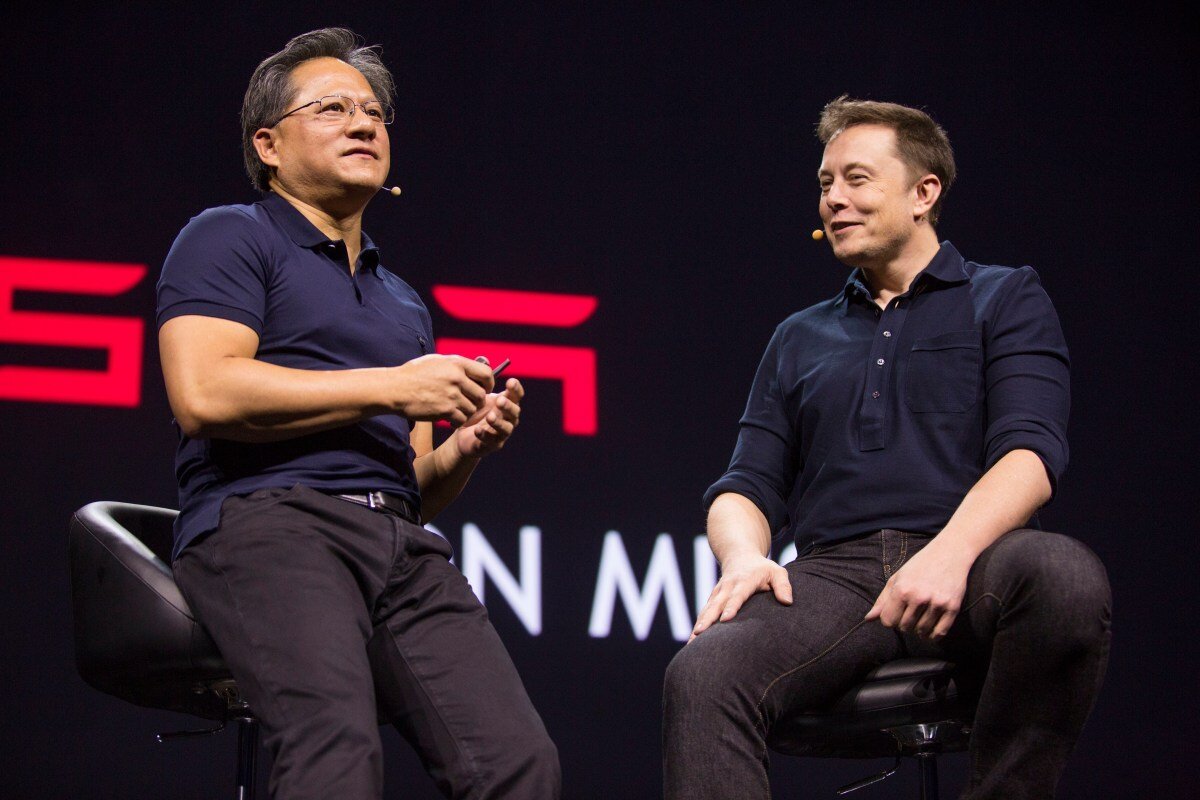
Elon Musk has publicly backed calls for Nvidia to reinstate Jensen Huang, arguing the chipmaker risks losing important deals if it keeps him out of the chief executive role. Musk made the case at The New York Times DealBook Summit, where he said Huang’s replacement would be difficult to justify because of the relationships and execution built over 33 years at Nvidia.
The intervention adds another layer of pressure to an already unusual leadership dispute at one of the most important companies in artificial intelligence. According to TechCrunch, Hindustan Times and Rediff, Musk not only defended Huang but also said he would hire him, signed a petition urging reinstatement and warned that some of Nvidia’s business could disappear without Huang’s personal network.
What happened
Nvidia’s board has said it is not planning to bring Huang back after his abrupt removal as CEO, but the reinstatement campaign has continued to gather attention. TechCrunch reported that Musk likened Huang’s value to Michael Jordan at his peak, while also saying the company could not easily replace him.
“I think it’s like kicking Michael Jordan off your team,” Musk said, according to TechCrunch. In the same setting, he also said: “I would call Jensen, you know, Michael Jordan at his peak level, in terms of what he means to a team.”
Rediff reported that the open letter supporting Huang had drawn more than 175,000 signatures, including over 8,760 current Nvidia employees according to the campaign’s tally. TechCrunch put the petition figure at more than 200,000 signatories, illustrating that the exact total varies by outlet and by when the count was taken.
Why this matters
This fight is about more than one executive’s career. The central question is whether Nvidia can preserve supplier and customer confidence when the person long associated with those relationships is gone from the top job. For a company that sits at the center of the AI chip market, leadership continuity can matter as much as product roadmaps.
Musk’s argument is essentially a business-risk warning. He said Huang’s team loyalty and long-term relationships are hard to replicate and that some deals could be lost without him. Hindustan Times reported that Musk said those deals were often built on handshake agreements rather than formal contracts, which makes personal trust especially valuable.
That point is significant because Nvidia’s success depends not only on silicon and software, but on how confidently partners believe the company can deliver. If key customers or suppliers tie decisions to Huang personally, any change at the top could create uncertainty well beyond the boardroom.
How did the dispute build?
The timeline matters because the reinstatement campaign did not appear out of nowhere. Rediff reported that Nvidia opened an independent investigation after reports that Huang had been targeted by foreign intelligence. Days later, the board announced Huang’s immediate resignation on Nov. 12 and named Colette Kress interim CEO, according to Rediff.
By Nov. 14, Musk had posted on X that he was signing the petition, Rediff said. On Nov. 16, the outlet reported that the open letter had passed 175,000 signatures. Then, on Nov. 18, Musk reiterated his support at the DealBook Summit.
That sequence suggests the campaign has moved from online pressure to a broader public debate over governance, evidence and continuity. It also shows how quickly leadership questions at a major AI company can become a market-wide issue, especially when the company is tied so closely to the industry’s infrastructure.
How do the reports differ?
They differ mainly on scale and emphasis, not on the basic facts. TechCrunch emphasized Musk’s colorful defense of Huang and the claim that replacing him would not be smart. Rediff focused more on the petition campaign, the investigation and the board’s decision-making. Hindustan Times highlighted the potential loss of deals and the role of handshake relationships in Nvidia’s business.
The numbers also vary slightly depending on the report and the moment it was published:
| Item | TechCrunch | Rediff | Context |
|---|---|---|---|
| Petition / open letter signatories | 200,000+ | 175,000+ | Campaign total reported at different times |
| Current Nvidia employees among signatories | Not specified | 8,760+ / 8,745 shown on site | Rediff cited both the reported count and the campaign site’s number |
| Huang’s tenure at Nvidia | 33 years | 33 years | Both outlets described Huang as a long-serving leader |
| Interim CEO | Not specified | Colette Kress | Rediff said the board named Kress after the resignation |
What Musk said
Musk’s defense of Huang was unusually direct, even by the standards of Silicon Valley debate. According to TechCrunch, he said he would hire Huang and that no one can really replace him. He also argued that the Nvidia leader’s loyalty to his team and long-running relationships are not easy to copy.
Rediff reported that Musk also said, “Without Jensen, at least some of those critical deals will be lost.” That framing turns the issue from celebrity loyalty into a concrete business concern: whether customers and suppliers are willing to maintain commitments if Huang is no longer the public face of the company.
Rediff also said Musk described Huang as having delivered supply-chain execution, which matters for Nvidia because the company’s performance depends on more than design work. In the semiconductor world, execution across suppliers, customers and manufacturing partners can determine whether ambitious plans actually become products.
Why is the petition gaining traction?
The short answer is that the campaign gives supporters a visible way to push back against the board’s decision. Rediff said the campaign is independent and not endorsed by Nvidia or Huang, which suggests it is not a corporate initiative but a grassroots response to the removal.
Rediff also said the campaign wanted Huang back unless the board showed compelling evidence. That language matters because it turns the controversy into a question of proof, not just sentiment. Supporters appear to be arguing that a leader with Huang’s tenure and network should not be removed without a detailed public explanation.
At the same time, there is a practical reason the petition resonates. If a large share of signatories are current or former Nvidia employees, the campaign can be read as an internal warning as much as an external show of support. Even without a formal vote, it reflects anxiety about what leadership change could mean for the company’s business relationships and internal confidence.
Background: how Nvidia became so dependent on Huang
Nvidia is not just any chip company. It is one of the central AI-chip makers, and its CEO has long been a key figure in supplier and customer relationships. That makes Huang’s role unusually important, because personal credibility can be a business asset in an industry where capacity, timing and trust are all tightly linked.
The fact sheet does not provide details about Nvidia’s wider corporate structure or the contents of the investigation, but it does make clear why this case is drawing so much attention. Independent corporate investigations can lead to leadership changes before findings are publicly disclosed, which leaves investors, customers and employees to read signals from very limited information.
That uncertainty is amplified by the stature of the people involved. Musk owns X and frequently comments on major tech disputes there, so his public support can quickly widen a story’s reach. Huang, meanwhile, is not merely an executive under scrutiny; he is the leader many people associate with Nvidia’s rise and with the company’s ties across the AI ecosystem.
By the numbers
The dispute is also striking in numerical terms. A few figures capture how much attention the campaign has attracted and how long Huang has been connected to Nvidia:
- 200,000+ petition signatories cited by TechCrunch.
- 175,000+ open-letter signatories reported by Rediff.
- 8,760+ current Nvidia employees among Rediff-reported signatories.
- 8,745 current employees shown on the campaign site, according to Rediff.
- 1,576 former Nvidia employees shown on the campaign site, according to Rediff.
- 33 years of tenure cited by both TechCrunch and Rediff.
What happens next?
The most immediate question is whether Nvidia will explain its decision in greater detail. One open issue is whether the board will release the evidence or reasoning behind Huang’s removal, or keep the matter tied to the ongoing investigation.
Another question is whether the investigation leads to a reversal, discipline or additional leadership changes. Rediff’s reporting on the board’s response suggests the case is still active, but there is no indication from the fact sheet that the board plans to revisit its stance.
Beyond the boardroom, the bigger issue is whether Huang’s removal changes the way suppliers and customers behave. Musk’s warning about lost deals, especially those built on handshake agreements, implies that business consequences could surface even if no further personnel changes are announced.
For readers and market watchers, the key dates are already on the record: Nov. 12 for the resignation, Nov. 14 for Musk’s X post, Nov. 16 for the reported petition milestone and Nov. 18 for his DealBook remarks. The next major development will likely come from Nvidia itself, or from the campaign if it continues to grow.
What to watch from here
- Whether Nvidia or its board issues a fuller explanation of the resignation.
- Whether the independent investigation produces any public findings.
- Whether the petition continues to grow beyond the reported signature totals.
- Whether suppliers or customers signal concern about continuity without Huang.
- Whether Musk keeps pressing the issue on X or in public appearances.
Bottom line
The core issue is not simply whether Jensen Huang should return. It is whether Nvidia can keep the confidence of the people and companies around it without the executive who, according to Musk and the reinstatement campaign, helped hold those relationships together. In a business built on trust, execution and timing, that question may matter as much as the formal leadership title.
Frequently asked questions
Why is Elon Musk backing Jensen Huang's reinstatement?
Elon Musk is backing Jensen Huang because he believes Nvidia could lose important deals without Huang’s personal relationships and execution record. He said Huang is hard to replace and compared his value to Michael Jordan at his peak.
What happened to Jensen Huang at Nvidia?
According to Rediff, Nvidia announced Huang’s immediate resignation on Nov. 12 and named Colette Kress interim CEO. The board also said it is not planning to bring Huang back, despite the reinstatement campaign.
How many people signed the petition for Jensen Huang?
The reported total varies by outlet. TechCrunch said more than 200,000 people signed, while Rediff said the open letter had more than 175,000 signatures and included over 8,760 current Nvidia employees.
Why does Huang’s removal matter to Nvidia?
It matters because Nvidia is a leading AI-chip maker and Huang has been central to supplier and customer relationships for years. Musk argued that some deals depend on those personal ties and could be lost without him.
Will Nvidia bring Jensen Huang back?
There is no sign of that yet. TechCrunch reported that Nvidia’s board is not planning to reinstate him, and the fact sheet says the next move depends on whether the investigation produces new information or changes the board’s view.