Updated July 11, 2026 12:49 am
In short
Microsoft says its emissions rose 25% in 2025 as datacenter growth and a shift away from some renewable-energy certificate purchases compounded the climate strain from its expanding AI infrastructure.
- Microsoft reported a 25% increase in carbon emissions in 2025.
- The company linked the rise mainly to datacenter expansion and renewable certificate changes.
- Its report says AI demand is outpacing sustainability solutions.
- Google and Amazon have also reported higher emissions tied to infrastructure growth.
- Microsoft still aims to become carbon negative by 2030, but the target is getting harder to reach.
Update — July 11, 2026 12:49 am
Microsoft’s latest sustainability report also says the company is still running behind on its carbon goal after a similar setback in its 2024 report. The new filing says the emissions jump was driven mainly by datacenter expansion and by Microsoft’s decision last February to stop buying certain renewable-energy certificates.
The report adds that AI infrastructure is pushing up demand for energy, water, land and materials faster than sustainability measures can keep pace. Microsoft’s carbon-negative target for 2030 remains in place.
Microsoft said its carbon emissions climbed 25% in 2025, reaching 34 million metric tons under a report scenario that excludes certain interventions, underscoring how the company’s fast-growing AI and cloud infrastructure is widening the gap between its climate ambitions and its actual environmental footprint. The increase matters because Microsoft has pledged to become carbon negative by 2030, yet its latest sustainability report says AI-driven demand for energy, water, land and materials is still outpacing the sustainability measures available to rein it in.
The new figures, published in Microsoft’s 2026 sustainability report, show that the company remains under pressure to align its expansion in artificial intelligence with the carbon-reduction goals it set years ago. The company said the emissions increase was driven mainly by more datacenter buildout and by a change in how it accounts for renewable-energy purchases after it stopped buying certain renewable energy certificates in February 2025.
Microsoft’s latest disclosure arrives as other major tech companies are also confronting a heavier environmental burden from AI infrastructure. Google reported a 25% rise in supply-chain emissions in its own 2026 sustainability report, while Amazon reported a 16% increase. The pattern suggests that the industry’s race to scale AI may be colliding with the physical realities of running enormous numbers of power-hungry servers.
What Microsoft’s latest report says
Microsoft’s 2026 sustainability report presents a clear warning: the company’s climate math is getting harder, not easier, as it expands the infrastructure needed to support AI products and cloud services. The report says emissions increased 25% in 2025 and totaled 34 million metric tons in the company’s “without select interventions” accounting view.
That phrasing matters. Companies often use multiple accounting methods when reporting emissions, and Microsoft’s note indicates that the figure is not necessarily the absolute maximum or minimum possible number, but a specific reporting scenario that removes selected offsets or mitigation measures. Even so, the trend is unmistakable: emissions moved sharply higher over the past year.
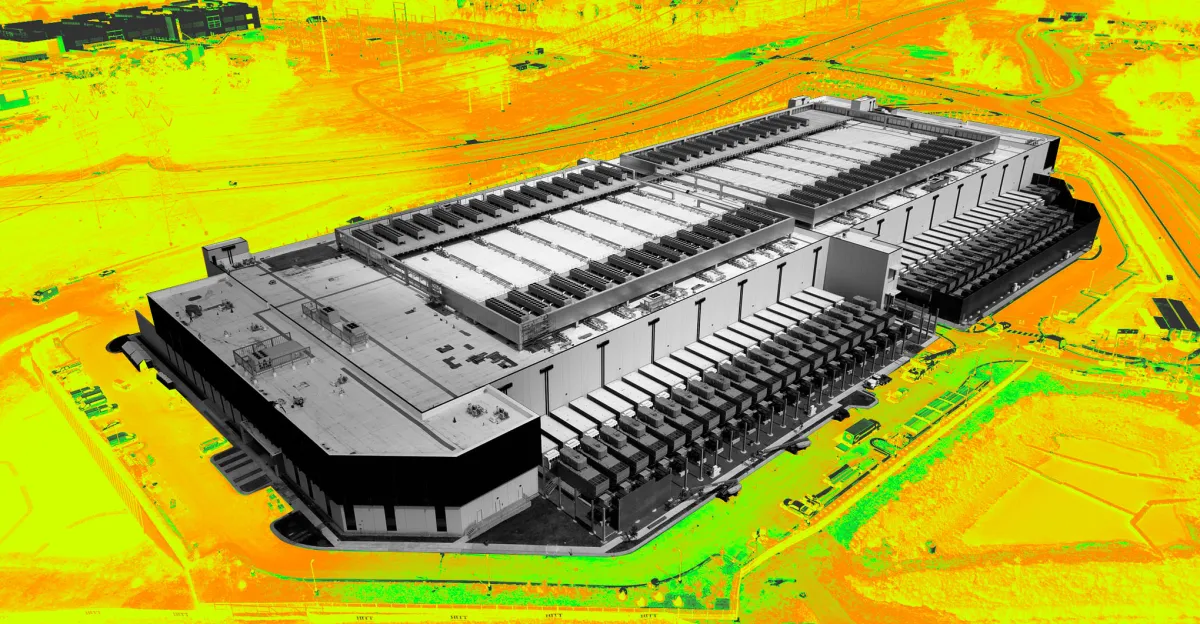
Microsoft attributed the increase primarily to the rapid expansion of its datacenter footprint. Datacenters are central to modern cloud computing and generative AI, but they also require substantial amounts of electricity, cooling, and physical materials. As model training and AI inference grow more common, those facilities become the backbone of the industry’s environmental footprint.
Why the renewable-energy change matters
Microsoft also pointed to a change in its renewable-energy procurement strategy. In February 2025, the company stopped buying what it described as “non-additional, unbundled renewable energy certificates.”
In practical terms, those certificates had helped Microsoft claim support for renewable power even when the purchases were not directly tied to new clean-energy projects. Ending that practice makes the company’s accounting more conservative and, in effect, can make reported emissions look higher even if underlying operational activity has not changed at the same pace. The move also suggests that Microsoft is trying to avoid leaning on less credible climate claims as scrutiny around corporate carbon accounting increases.
Microsoft’s report says AI infrastructure is increasing demand for energy, water, land and materials, while sustainability solutions are not scaling quickly enough to match that growth.
That admission captures the tension at the center of the company’s climate challenge. Microsoft is trying to lead in AI while also decarbonizing its operations, but the scale and speed of AI deployment are making the path to net-zero far more complicated.
How did AI become such a climate pressure point?
AI has become a climate pressure point because the systems behind it are resource-intensive from the start. Large models require powerful chips, extensive cooling, and vast datacenter capacity for both training and day-to-day use. As companies add more AI products, they need more servers, more electricity, and more supporting infrastructure.
Microsoft is one of the clearest examples of that dynamic. Its cloud business already relies on large datacenters, and the company has spent heavily to support AI features across its products, services and enterprise offerings. Those investments are strategic, but they also add to the emissions embedded in construction, hardware production and electricity consumption.
The company’s report effectively acknowledges that the scale of sustainability efforts is not yet keeping up with the pace of AI expansion. That is significant not only for Microsoft’s own targets but also for the broader tech sector, which has leaned on AI as a growth engine while trying to present a climate-conscious public image.
AI’s environmental burden is not just about electricity
AI’s footprint extends beyond power use. Microsoft’s report specifically highlights water, land and materials, all of which are increasingly relevant as datacenter clusters spread across more regions. Cooling systems often require large volumes of water, while new construction can affect land use and increase demand for concrete, steel and other emissions-heavy materials.
That broader resource footprint is one reason sustainability groups have argued that the AI boom should be measured not just by revenue or user growth, but by the physical systems needed to support it. Microsoft’s own report now echoes that concern in direct corporate language.
How does this compare with Google and Amazon?
Microsoft is not alone in seeing its emissions rise. Google and Amazon have each reported similar increases, reinforcing the idea that AI infrastructure is reshaping the climate profile of Big Tech as a whole.
| Company | Latest reported emissions trend | Key driver noted | Related 2025/2026 disclosure |
|---|---|---|---|
| Microsoft | Up 25% in 2025 | Datacenter expansion; change in renewable certificate purchases | 34 million metric tons reported without select interventions |
| Up 25% in supply-chain emissions | Broader infrastructure and supply-chain growth | 2026 sustainability report | |
| Amazon | Up 16% | Datacenter and operational growth | 2026 sustainability report |
The comparison matters because it shows the problem is structural, not company-specific. Each of the largest cloud and AI providers is racing to expand capacity, and each is running into similar climate constraints. When the leaders in the market are simultaneously scaling up and reporting higher emissions, it becomes harder to argue that current sustainability tools are enough.
Amazon’s separate June disclosure added another dimension to the issue. The company said its datacenters used 2.5 billion gallons of water in 2025, which it says was less than Microsoft’s use. Water consumption has become a major concern as AI workloads multiply in regions already facing heat, drought, or broader stress on local supplies.
Why Microsoft’s 2030 climate target is harder now
Microsoft has long said it wants to become carbon negative by 2030, meaning it would remove more carbon from the atmosphere than it emits. That is a demanding target even in a stable operating environment, and it becomes more difficult when the company is simultaneously building out AI at unprecedented speed.
Reaching carbon negativity would require Microsoft to reduce its direct and indirect emissions while also scaling high-quality carbon removal or other durable mitigation measures. The latest report suggests that the company is not yet on a straight-line path toward that goal.
This is not Microsoft’s first setback. Its 2024 sustainability report also showed emissions moving in the wrong direction, meaning the latest increase appears to be part of a broader trend rather than a one-year anomaly. The persistence of the problem raises questions about whether the company’s current mix of clean-energy procurement, efficiency improvements and carbon removal efforts can catch up with its AI ambitions.
What “carbon negative” really requires
Carbon negative is a much tougher standard than carbon neutral. It is not enough to balance emissions with offsets; a company must produce a net removal of carbon from the atmosphere. For a technology company with a huge hardware and cloud footprint, that means reducing operational emissions while also addressing the embedded emissions in supply chains, construction and electricity use.
In Microsoft’s case, that challenge is compounded by the demand for new datacenters to support AI services. More capacity can mean more revenue and more innovation, but it also means more construction, more chip manufacturing and more grid pressure.
- More datacenters usually mean more electricity demand.
- More server density often requires more cooling.
- More hardware means more upstream manufacturing emissions.
- Carbon removal and renewable power must scale fast enough to counterbalance growth.
What changed in Microsoft’s carbon accounting?
Microsoft’s decision to stop buying non-additional, unbundled renewable energy certificates is one of the most important details in the report because it changes how the company describes its climate support for electricity use. These instruments have been criticized because they may not always lead to new renewable power projects or directly reduce emissions on the grid.
By stepping away from that approach, Microsoft may be signaling a willingness to rely more on cleaner accounting and more tangible climate action. But the immediate result in reported emissions is less flattering, since the company can no longer lean on those certificates in the same way it did before.
That shift illustrates a broader trend in corporate climate reporting: the market is moving toward more rigorous claims and less reliance on loose offsets. For large tech firms, that creates a reporting environment where growth-related emissions are harder to obscure.
Why this report matters beyond Microsoft
Microsoft’s sustainability report is important because the company is widely seen as a bellwether for the AI industry. It is one of the biggest cloud providers, one of the most aggressive investors in AI infrastructure, and one of the most visible corporations trying to pair rapid growth with public climate commitments.
If Microsoft cannot easily decouple AI growth from emissions growth, that suggests the rest of the industry will struggle as well. The company’s report may therefore serve as a preview of what many hyperscale tech firms will be forced to disclose in coming years: rapid expansion, rising energy use, and sustainability programs that are not scaling quickly enough.
That has implications for investors, regulators, customers and local communities. Datacenter expansion affects electric-grid planning, land use, water demand and regional infrastructure costs. It also shapes how companies talk about the real-world consequences of AI deployment, especially as demand for generative tools and enterprise AI services keeps rising.
What investors and policymakers should watch next
There are several signals that will matter over the next year. First, Microsoft’s ability to secure genuinely additional renewable power will be crucial. Second, the company’s datacenter efficiency gains will need to outpace growth in AI demand. Third, policymakers will likely keep paying closer attention to water use, electricity access and carbon disclosure from large cloud operators.
In the near term, the key question is whether Microsoft can make its sustainability strategy more than a reporting exercise. That will depend on building cleaner infrastructure, reducing reliance on fossil-heavy grids, and finding carbon removal methods that are credible at scale.
Timeline: Microsoft’s climate challenge in context
The company’s latest disclosure fits into a multi-year pattern of tension between growth and climate ambition.
| Year | Event | Why it mattered |
|---|---|---|
| 2020 | Microsoft set a goal to become carbon negative by 2030 | Established one of the most ambitious climate targets in Big Tech |
| 2024 | Earlier sustainability reporting showed emissions rising | Signaled that the company was already missing the right trajectory |
| Feb. 2025 | Microsoft stopped buying certain renewable energy certificates | Changed how the company supports and reports renewable electricity use |
| 2025 | Carbon emissions rose 25% | Reflected datacenter expansion and AI-related infrastructure growth |
| 2026 | Microsoft published its new sustainability report | Confirmed that AI demand is outpacing sustainability solutions |
What happens next?
Microsoft will likely continue expanding AI infrastructure, which means more pressure on its climate targets before any improvement appears in the numbers. The company has strong incentives to keep investing in AI because the technology is central to its competitive position, but each additional datacenter makes the emissions challenge more difficult.
At the same time, the company’s latest report shows it is no longer trying to minimize the problem. By explicitly stating that sustainability solutions are not scaling fast enough, Microsoft is acknowledging a gap that now defines much of the AI industry’s environmental debate.
For now, the story is straightforward: Microsoft is growing quickly, AI is driving that growth, and the climate cost is rising with it. The company’s next sustainability reports will show whether it can bend that curve down without slowing the AI expansion that is helping define its future.
The central takeaway from Microsoft’s latest disclosure is that the company’s AI buildout is now large enough to move its carbon profile materially, and current sustainability measures have not yet caught up.
Frequently asked questions
Why did Microsoft’s carbon emissions rise in 2025?
Microsoft says the increase was driven mainly by the expansion of its datacenter infrastructure and by ending purchases of certain renewable energy certificates. The company reported a 25% rise in emissions, showing that AI and cloud growth are adding substantial climate pressure.
How much did Microsoft’s carbon emissions increase?
Microsoft said its carbon emissions increased 25% in 2025. The company said the total reached 34 million metric tons in a reporting scenario that excludes select interventions, highlighting how quickly its footprint grew over the year.
Is Microsoft still trying to become carbon negative by 2030?
Yes, Microsoft still says it wants to become carbon negative by 2030. But the company’s latest sustainability report shows that emissions are rising, making the goal much harder to achieve unless clean energy, efficiency and carbon removal scale much faster.
How does Microsoft’s report compare with Google and Amazon?
Microsoft is not alone. Google reported a 25% increase in supply-chain emissions in its 2026 sustainability report, and Amazon reported a 16% increase. The results suggest that AI infrastructure is pushing emissions higher across the biggest tech companies.
What does Microsoft mean by saying sustainability solutions are not scaling fast enough?
Microsoft means that current clean-energy, efficiency and carbon-management efforts are not growing quickly enough to match the rising demand from AI infrastructure. In other words, the company’s environmental fixes are lagging behind the pace of datacenter and AI expansion.