In short
TechCrunch says early bird pricing for Founder Summit 2026 ends tonight at 11:59 p.m. PT, with savings of up to $190. The Boston event on Nov. 4 will gather more than 1,000 founders and investors for tactical sessions and networking.
- Early bird pricing for Founder Summit 2026 ends tonight at 11:59 p.m. PT.
- Attendees can save up to $190, and groups of four or more can save up to 30%.
- The Boston event on Nov. 4 is expected to draw more than 1,000 founders and investors.
- Sessions will focus on fundraising, scaling, pitching and exit planning.
Founders looking to sharpen their growth strategy, meet investors and learn from operators who have already navigated the hard parts of scaling have only a few hours left to lock in discounted pricing for TechCrunch Founder Summit 2026. The event’s early bird window closes at 11:59 p.m. PT tonight, with savings of up to $190 disappearing once the deadline passes.
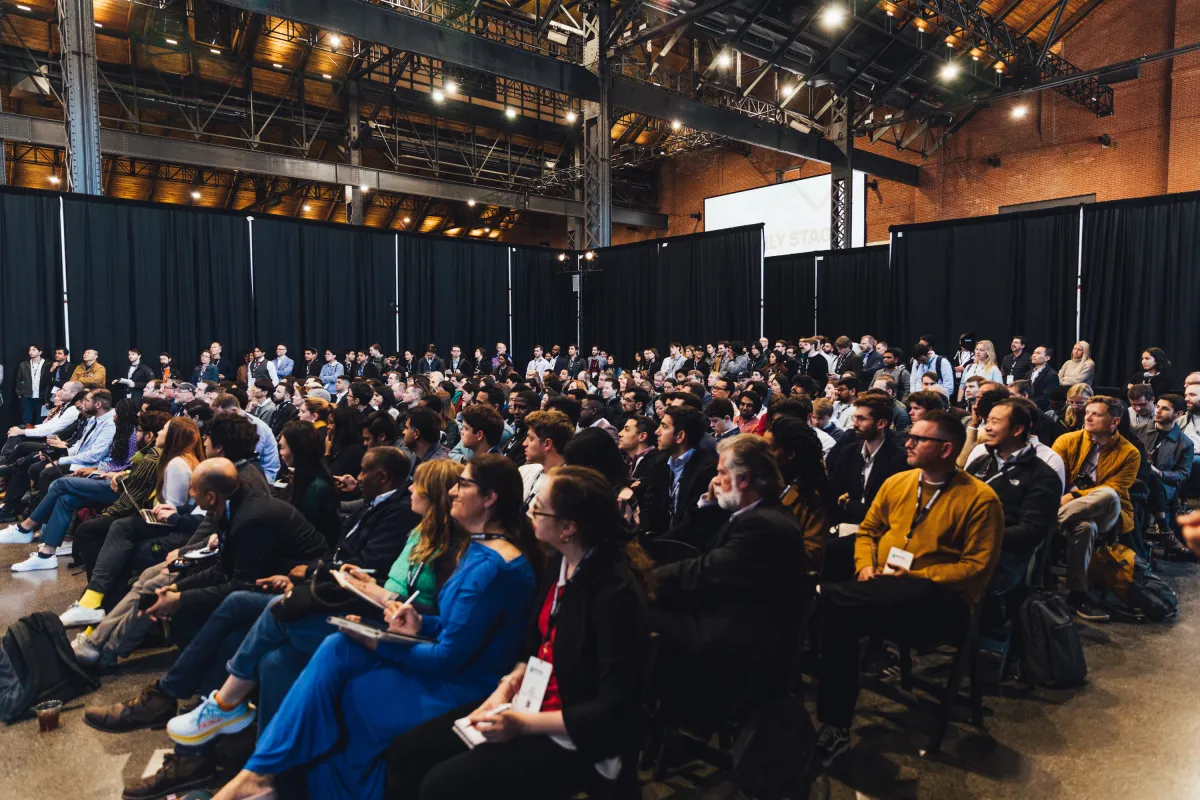
Set for November 4 in Boston, the one-day summit is expected to draw more than 1,000 founders and investors for a tightly programmed mix of tactical sessions, direct conversations and networking focused on the practical realities of building a startup. TechCrunch is positioning the event as a founder-first forum where attendees can compare notes on fundraising, product strategy, go-to-market execution and the timing of major growth decisions.
For teams planning to attend together, there is an added incentive: groups of four or more can save as much as 30% on registration. TechCrunch is also inviting attendees to contribute to the agenda by proposing roundtable or breakout session ideas, with selected topics to be voted onto the program by the TechCrunch audience.
Why the early bird deadline matters
In startup circles, conference pricing often becomes a secondary consideration only when budgets are tight. But for founders operating under constant pressure to allocate every dollar wisely, event registration can represent a meaningful cost, especially for teams that want multiple people in the room. That is why a discount of up to $190, paired with group savings, is designed to pull registration forward before the final price increase takes effect.
The cutoff is simple: register before 11:59 p.m. PT on June 26 to secure the lower rate. After that point, attendees will pay more for the same access to the November gathering.
TechCrunch’s pitch is not merely about saving money. It is about the value of compressing months of trial and error into a single day of practical learning. The event is aimed at founders who want to hear directly from people who have built, scaled, financed and exited companies — and from investors who see where the market is headed next.
A Boston gathering built around startup pressure points
Founder Summit 2026 will take place in Boston, a city with deep ties to venture capital, research universities and high-growth startups. The event is expected to bring together a mix of early-stage builders and more mature companies in a setting structured to encourage targeted conversations rather than broad, stage-driven speeches.
TechCrunch says the summit is designed to help founders make smarter decisions and grow faster. That means the agenda is oriented around the inflection points that tend to define startup outcomes: when to raise, how to pitch, how to scale and when to pursue an exit.
Who the summit is for
The event is not limited to founders at a single stage. Instead, it is framed for teams across the startup lifecycle:
- Founders navigating the earliest stages of product and market fit
- Operators responsible for scaling teams, revenue and operations
- Investors looking for high-potential companies and informed deal flow
That mix matters because each group brings a different perspective to the same problems. Early-stage founders often need advice on how to position a business, while more established companies may be weighing financing options, leadership hires or acquisition offers. Investors, meanwhile, can offer insight into what is working in the current market and what they want to see before writing a check.
What attendees can expect from the program
Although the full 2026 agenda has not yet been released, TechCrunch says the summit will center on breakout sessions and roundtable discussions built around real startup decisions. The format suggests a more interactive experience than a standard conference, with founders expected to leave with ideas they can implement quickly.
According to the event description, topics will include fundraising strategy, investor communication, scaling revenue and exit planning. That approach reflects a broader shift in startup events, where attendees increasingly expect concrete answers instead of abstract inspiration.
Planned discussion topics
- How to raise a Series A
- How to build a pitch deck that resonates with investors
- When a company should consider a Series C round or later-stage fundraising
- How to reach $10 million in annual recurring revenue
- How to evaluate whether it is time to sell a startup
- What founders need to know before taking a company public
These topics reflect the full arc of startup growth. They also highlight a central theme of the summit: founders are not only trying to start companies, but also trying to avoid costly mistakes as those companies mature. Decisions about financing, product expansion and exit timing can shape everything that follows.
Why this kind of event remains attractive to founders
Startup events continue to draw interest because they condense access to expertise that would otherwise require dozens of individual meetings, cold emails or months of networking. A well-curated event can introduce founders to peers wrestling with similar issues, while also creating opportunities to meet investors in a low-friction setting.
For many founders, the biggest value comes from direct comparison. Hearing how another company approached a fundraising round, managed a go-to-market challenge or handled board expectations can help clarify which options are realistic — and which are not.
TechCrunch is framing the summit as a place where founders can learn from operators who have already scaled companies, connect with peers facing similar pressures and meet investors who are actively backing startups.
That combination of peer learning and investor access is part of the event’s appeal. It is also why the summit is structured around conversation rather than passive attendance. The format is meant to encourage the sort of exchanges that can lead to practical advice, partnerships or funding conversations after the event ends.
Speakers with operating and investing experience
TechCrunch says past editions of the event have featured a range of venture capital partners and operators with direct startup experience. The list includes investors from firms such as boldstart ventures, Sapphire Ventures, Underscore VC, Index Ventures, Sequoia Capital, NFX, Glasswing Ventures, Wing Venture Capital, Construct Capital, Greylock and Precursor Ventures.
Among the better-known names highlighted by TechCrunch is Jon McNeil, the former president of Tesla and now an investor. The roster suggests the summit aims to blend institutional venture perspectives with operational lessons from people who have led companies through rapid growth.
Other previously featured speakers have included Ellen Chisa of boldstart ventures, Cathy Gao of Sapphire Ventures, Chris Gardner of Underscore VC and Jahanvi Sardana of Index Ventures. TechCrunch says additional participants for the 2026 agenda will be announced later.
What that speaker mix signals
The blend of investors and operators tells founders something important about the event’s priorities. It is not designed as a branding exercise or a broad tech showcase. Instead, it appears targeted at attendees who want to understand how experienced people evaluate growth, capital efficiency and market timing.
That can be especially useful at a moment when the startup environment remains disciplined and highly selective. Founders frequently need to show more than ambition; they need to demonstrate traction, efficiency and a credible path to scale. Events that unpack those expectations can help attendees prepare for the realities of the next funding round or the next board discussion.
How the agenda is being shaped
One of the more interactive features of the summit is the invitation for attendees to submit ideas for roundtables or breakout sessions. Those suggestions can then be voted on by the TechCrunch audience, which gives the community a direct role in shaping the program.
That approach may be especially appealing to founders because it increases the likelihood that the event will address current pain points rather than generic startup advice. Topics that rise to the top of founder interest often reveal what the market is actually discussing right now — whether that is fundraising in a tougher environment, building AI-native products, or refining distribution strategies for software businesses.
By inviting audience participation, TechCrunch is also signaling that the event is meant to be responsive. If selected topics are driven by attendee demand, the summit can function less like a static conference and more like a live snapshot of what founders care about in 2026.
Ticket pricing, group discounts and the practical economics of attendance
For startups, conference decisions often come down to return on time and return on spend. The early bird offer is therefore designed not just as a marketing push but as a practical incentive to help teams justify attendance sooner rather than later.
TechCrunch says the discount can reach $190 off a pass. The company also notes that groups of four or more can save up to 30%, which may make it easier for startups to send a founder, an operations lead, a product leader and a business development or finance representative together.
Key pricing details at a glance
| Detail | Information |
|---|---|
| Event | TechCrunch Founder Summit 2026 |
| Date | November 4, 2026 |
| Location | Boston |
| Attendance expectation | More than 1,000 founders and investors |
| Early bird deadline | June 26, 11:59 p.m. PT |
| Maximum individual savings | Up to $190 |
| Group discount | Up to 30% for groups of four or more |
These pricing mechanics matter because startup teams often attend events collectively. One founder might want fundraising advice, while another teammate wants to benchmark product strategy or learn how others are approaching growth. Group access can improve the usefulness of a conference by allowing different functions within the company to gather information from separate sessions and then compare notes afterward.
How the summit fits into the startup conference landscape
TechCrunch has long played a central role in the startup ecosystem through its reporting, events and industry convenings. Founder Summit continues that tradition by packaging editorial familiarity with live, face-to-face access to the people building and funding companies.
In a crowded conference market, events increasingly need a clear point of view. Founder Summit’s angle is straightforward: focus on the operational problems that matter most to startups and bring in speakers who have actually worked through them. That may sound simple, but it is often what separates useful events from generic networking gatherings.
For founders, the most valuable sessions are usually the ones that address real constraints: customer acquisition costs, funding strategy, team expansion, board management, product-market fit and the shift from survival mode to scale mode. The summit appears designed to surface precisely those issues.
Why Boston is a logical host city
Boston offers a strong setting for a founder and investor event because it sits at the intersection of research, venture capital and enterprise innovation. It is home to a dense startup community and has a long history of producing companies in software, biotech, robotics and deep tech.
That environment makes the city a natural fit for a summit focused on scaling and financing companies. Founders attending from the Northeast may also find the location convenient, while visitors from other markets could use the trip to build local relationships that last beyond the event itself.
What founders should do before the deadline
For anyone considering attending, the immediate task is simple: decide before tonight’s deadline whether the early bird savings are worth locking in now. If the summit is already on the calendar, the risk of waiting is straightforward — the same ticket will cost more after 11:59 p.m. PT.
Founders who are still weighing attendance may want to ask a few practical questions:
- Which sessions are most relevant to the company’s stage?
- Who on the team would benefit most from attending?
- Could group pricing make attendance more economical?
- Are there investor meetings or networking goals that justify the trip?
- Would the event help clarify a near-term fundraising or scaling decision?
If the answer to any of those questions is yes, the discounted window is the lowest-cost opportunity to secure a pass.
The bigger picture: why founders still pay for in-person access
Even as startup communities increasingly rely on digital channels, in-person events continue to carry weight because they compress trust-building. A short conversation after a panel, or a quick exchange during a roundtable, can produce a more useful connection than weeks of email outreach.
That is especially true in venture-backed industries where introductions often matter as much as ideas. Investors are not only evaluating products; they are evaluating founders’ clarity, focus and ability to execute. Meeting in person can reveal those traits faster than a deck or a call.
TechCrunch’s emphasis on “meaningful networking” is therefore more than event copy. For many attendees, the real value will come from the chance to talk candidly with people who understand the pressures of startup life and can offer advice grounded in experience.
Timeline: key dates for Founder Summit 2026
| Date | Milestone | Why it matters |
|---|---|---|
| June 26, 2026 | Early bird pricing ends at 11:59 p.m. PT | Last chance to save up to $190 |
| Now through deadline | Group registrations available | Teams of four or more can save up to 30% |
| Later in 2026 | Agenda announcements continue | Additional founders, operators and investors will be added |
| November 4, 2026 | Founder Summit in Boston | More than 1,000 founders and investors expected |
Bottom line for attendees
The message from TechCrunch is clear: if Founder Summit 2026 is already on your radar, tonight is the moment to act. The savings are time-limited, the attendee list is expected to be large, and the event is being positioned as a focused opportunity to learn, network and make better decisions about growth.
For founders trying to navigate fundraising, scale operations or prepare for a major transition, the summit promises a concentrated day of relevant advice rather than broad industry chatter. And for those planning to attend with colleagues, the group discount could make the economics even more attractive.
With the agenda still evolving and more speakers to be announced, the event is likely to become even more compelling in the months ahead. But the price increase does not wait for the full program to be revealed. That deadline lands tonight, and after 11:59 p.m. PT, the early bird window closes.
For founders who see value in hearing from people who have built and funded companies before them, the decision is simple: register now, or pay more later.