In short
TechCrunch is urging founders to register for Founder Summit 2026 before Early Bird pricing expires June 26. The Boston event will gather more than 1,000 founders and investors for tactical sessions on fundraising, scaling and startup growth.
- Early Bird savings of up to $190 end June 26 at 11:59 p.m. PT.
- Founder Summit 2026 will take place in Boston on November 4.
- The event is built for founders, with sessions on fundraising, scaling and exits.
- TechCrunch says more than 1,000 founders and investors are expected.
- Group registrations of four or more can save up to 30%.
With the Early Bird window about to close, TechCrunch is making one last push to fill its Founder Summit 2026 with founders, investors and startup operators looking for a sharper edge in a difficult market. The event, set for November 4 in Boston, is expected to bring together more than 1,000 attendees for a day focused on fundraising, scaling, leadership and the practical decisions that determine whether a startup accelerates or stalls.
The deadline pressure is straightforward: founders have until June 26 at 11:59 p.m. PT to secure discounted passes and save as much as $190. Groups of four or more can also unlock additional savings of up to 30%, a pricing incentive aimed at encouraging entire teams to attend together. After that, rates go up.
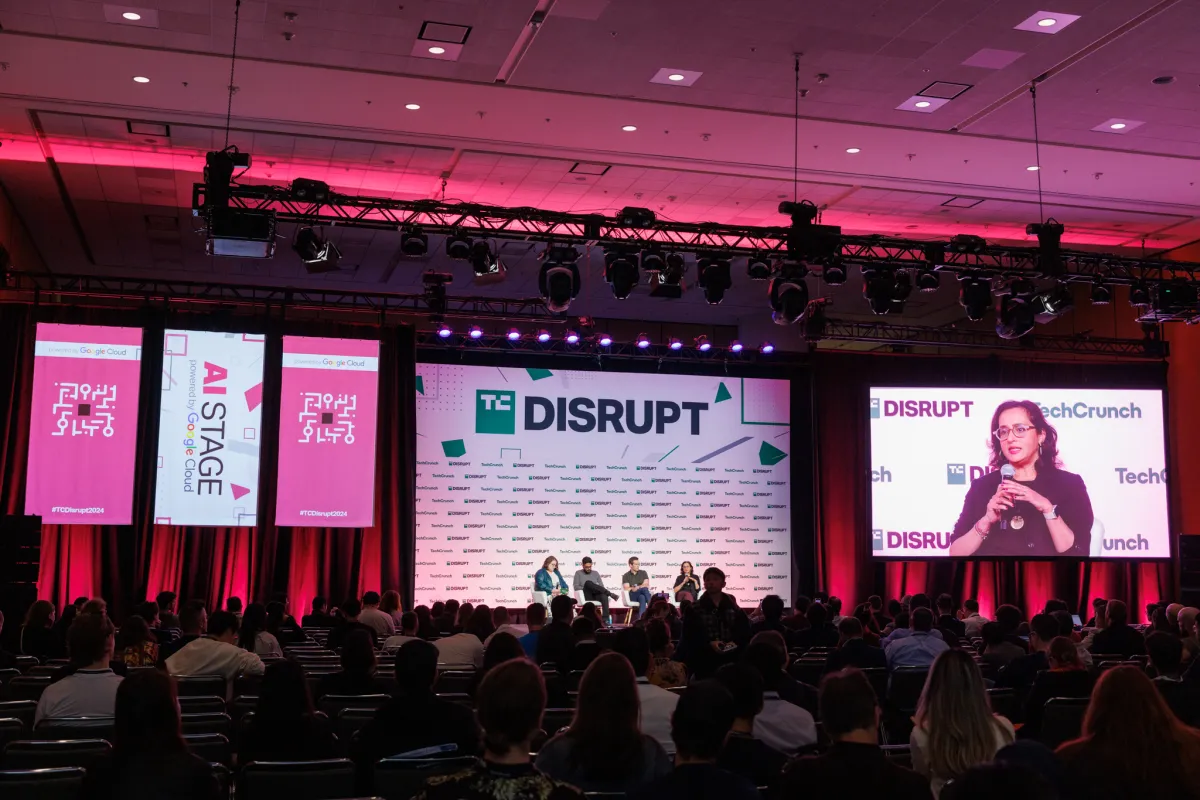
TechCrunch says the summit is intentionally designed for founders rather than broad tech audiences. The event format centers on tactical sessions, peer-to-peer discussions and curated networking intended to help attendees compare notes with others at a similar stage, hear directly from experienced operators and investors, and leave with advice that can be applied immediately.
For many startup leaders, that pitch lands at the intersection of urgency and utility. In an environment where capital remains selective, product cycles are shorter and growth expectations are high, events that promise practical guidance — not just stage-time optimism — can become valuable decision-making forums.
What Founder Summit is aiming to be
Founder Summit is being positioned as a concentrated, founder-first gathering rather than a sprawling conference. According to TechCrunch, every element of the program is built around the real-world challenges of launching and scaling a company, from refining a pitch deck to planning an exit.
The event’s core appeal lies in three kinds of access: peers who are navigating the same phase of company building, experienced operators who have already scaled businesses, and investors who can explain what they are looking for in the current market. That mix is designed to create conversations that are both candid and strategic.
TechCrunch says the summit is meant to help founders who are preparing for a fundraise, thinking through go-to-market choices, or chasing a major milestone such as reaching meaningful annual recurring revenue. The format is also meant to be useful for teams that are already scaling and need perspective on what comes next.
A curated event, not a general tech trade show
Unlike large multi-track conferences that can feel broad or diffuse, Founder Summit is framed around intentional matchmaking. The emphasis is on a smaller set of high-value exchanges among founders, operators and capital providers rather than passive attendance.
That approach reflects a broader shift in startup events, where founders increasingly want specificity: conversations about hiring, sales efficiency, fundraising timing and strategic risk, not generic inspiration. In that sense, the summit is being marketed less as a showcase and more as a working session for people building companies under pressure.
Why the timing matters for founders
The countdown to the Early Bird deadline comes at a moment when many startups are still adjusting to a tougher funding and growth environment. While the source material does not frame the summit as a response to any single market trend, the agenda topics suggest a direct focus on the questions founders are most likely wrestling with now.
Those questions include when to raise money, how to position a company for institutional investors and whether a startup should scale aggressively or conservatively. For later-stage companies, the summit is also touching on decisions around Series C and beyond, acquisition planning and public-market readiness.
In other words, the event is not simply about networking. It is about timing — the kind of timing that can shape valuation, runway and strategic optionality.
What founders are likely hoping to get from the room
Founders attending this kind of event often come for one of four reasons:
- To sanity-check a fundraising strategy before going out to market
- To compare growth playbooks with peers facing similar headwinds
- To meet investors in a more conversational setting than a formal pitch meeting
- To hear honest accounts of what worked — and what did not — from people who have already scaled
That combination can be especially useful when a startup is between milestones and needs outside perspective before making its next move.
The sessions TechCrunch says founders can expect
According to the event description, Founder Summit will lean into breakout sessions and roundtable discussions rather than only keynote presentations. The goal is practical learning that translates into concrete business decisions.
Topics highlighted by TechCrunch include raising a Series A, building pitch decks that actually resonate with investors, deciding when a company is ready for a Series C or later round, reaching $10 million in ARR, planning a startup sale and preparing for an IPO.
That list gives a clear sense of the summit’s editorial logic: it follows the lifecycle of a startup from early financing to scale to liquidity. Each topic addresses a moment when the stakes rise and the consequences of a bad call become expensive.
Why the focus on tactical advice stands out
Many conferences promise inspiration. Founder Summit is selling specificity.
For example, a session on pitch decks is not just about design. It is about narrative, market positioning, financial credibility and how quickly an investor can understand the opportunity. Likewise, a discussion about when to raise a later round is less about a calendar date than about traction, efficiency and leverage.
These are the kinds of topics founders often want to discuss in private but can benefit from hearing in a room full of people who have already made similar calls.
| Key Detail | Information |
|---|---|
| Event name | TechCrunch Founder Summit 2026 |
| Date | November 4, 2026 |
| Location | Boston |
| Expected attendance | More than 1,000 founders and investors |
| Early Bird deadline | June 26, 2026 at 11:59 p.m. PT |
| Top discount | Up to $190 off |
| Group discount | Up to 30% for teams of four or more |
Who is speaking and why it matters
TechCrunch says past editions of the summit have featured a mix of venture investors and operators with deep experience in scaling companies. Among the names previously involved are Ellen Chisa of boldstart ventures, Cathy Gao of Sapphire Ventures, Chris Gardner of Underscore VC, Jon McNeil, former president of Tesla, and Jahanvi Sardana of Index Ventures.
The event has also featured contributors from firms including Sequoia Capital, NFX, Glasswing Ventures, Wing Venture Capital, Construct Capital, Greylock and Precursor Ventures. That roster signals the summit’s ambition: bring in people with both funding power and operating credibility.
TechCrunch’s framing of the event emphasizes that the summit is built for founders who want direct, usable insight from people who have already navigated growth, capital raises and strategic inflection points.
While the 2026 speaker lineup has not been fully announced, TechCrunch says additional founders, operators and investors will be revealed on the event page over time. That means the agenda is still evolving, but the intended profile of the room is already clear.
Why operators matter as much as investors
Startup events often lean too heavily on investor perspectives. TechCrunch appears to be balancing that by including operators who have lived through the messy parts of building and scaling. For founders, that can matter as much as venture input.
Investors may help with capital strategy, but operators are often better positioned to speak to hiring mistakes, product pivots, market timing and the day-to-day strain of growth. In a founder summit context, that practical knowledge can be just as valuable as a funding introduction.
Roundtables add an interactive layer
One of the more distinctive parts of the summit model is its open invitation for attendees to help shape the agenda. TechCrunch says people interested in leading a discussion can submit roundtable or breakout topics for consideration, with the possibility of being voted onto the final program by the TechCrunch audience.
That format gives attendees more agency than a standard conference schedule. It also suggests that the organizers want the event to reflect the issues founders are actually debating, not just the topics they assume will draw attention.
From an SEO and editorial perspective, the appeal is obvious: programming built around audience-submitted topics tends to surface the most pressing questions in the ecosystem. Whether the issue is fundraising economics, team structure or an exit decision, the agenda can adapt to current founder needs.
The economics of attending now versus later
The immediate news hook here is the deadline. The savings opportunity ends June 26 at 11:59 p.m. PT, and TechCrunch is clearly using that deadline to create urgency.
For a solo attendee, the difference between Early Bird and regular pricing can be significant. For a startup sending multiple people — perhaps a founder, head of product and growth lead — the group discount can reduce the total cost enough to make attendance easier to justify.
That pricing structure is common in events designed to attract startup teams rather than individuals. The theory is that the benefits multiply when multiple members of the same company hear the same advice and return with a shared set of ideas.
What the discount is really buying
The headline savings may be up to $190, but the practical value extends beyond the ticket price. Attendees are buying proximity to people with similar challenges, access to investors in a more relaxed environment and the chance to gather insights that might prevent costly mistakes later.
For early-stage companies, even one useful introduction or one change in fundraising strategy can justify the expense. For later-stage startups, a better read on market expectations can be equally valuable.
Founder Summit in the context of the startup calendar
Boston will host the event in November, which places it squarely in the latter part of the business and conference calendar. That timing can work in favor of attendees who want to reflect on the year’s progress, compare notes before planning 2027 and use the summit as a checkpoint for strategic priorities.
It also gives TechCrunch time to continue adding speakers and shaping the agenda. As the company notes, the 2026 program is still under construction, which leaves room for additional announcements and more precise session topics.
For founders, this kind of event can be especially useful when it is not treated as a one-off. The best outcomes often come when attendees arrive with a clear list of questions, use the sessions to pressure-test assumptions and follow up quickly afterward with new contacts.
A useful moment for relationship building
Startup building remains fundamentally relational. Founders need customers, hires, investors, mentors and often future acquirers or partners. A well-curated event gives them more than a handful of business cards; it creates a concentrated environment for building those relationships.
That is particularly important in a market where trust and network quality can influence fundraising speed, hiring momentum and even strategic partnerships. A single day with the right audience can produce months of follow-up value.
How the summit fits TechCrunch’s broader role
TechCrunch has long positioned itself at the intersection of startup coverage and startup community building. Founder Summit extends that role by turning editorial proximity into an in-person forum where the people featured in startup news can also compare notes in real time.
That creates a feedback loop: TechCrunch reports on the companies, investors and market shifts shaping the sector, then hosts an event where those same players discuss how they are responding. For readers and attendees alike, the value lies in that mixture of reporting and convening.
The event also reinforces TechCrunch’s brand as a venue where startup leaders can come not only to be seen, but to learn. In a crowded conference landscape, that distinction matters.
What prospective attendees should know
If you are considering attending, the practical takeaway is simple: the cheapest pricing disappears June 26 at 11:59 p.m. PT. After that, the cost rises, and the opportunity to save up to $190 is gone.
TechCrunch is also encouraging larger teams to register together, with up to 30% in group savings for parties of four or more. For startups trying to align leadership around growth priorities, that can make team attendance more attractive.
The summit itself takes place on November 4 in Boston and is expected to draw more than 1,000 founders and investors. The agenda will continue to be updated as additional speakers and sessions are announced.
- Deadline: June 26 at 11:59 p.m. PT
- Discount: Up to $190 off Early Bird pricing
- Group offer: Up to 30% off for teams of four or more
- Location: Boston
- Date: November 4, 2026
Why this event is drawing attention now
The appeal of Founder Summit is not just the speaker list or the venue. It is the promise that the event will compress a year’s worth of hard startup lessons into a single day of focused conversations.
For founders facing uncertainty, that kind of environment can be rare and valuable. It offers a chance to learn from people who have already navigated the same rough terrain, while also building relationships that may matter long after the conference ends.
As the Early Bird deadline approaches, TechCrunch is betting that urgency, relevance and a founder-specific format will be enough to turn interest into registrations. With more than 1,000 founders and investors expected, the summit is shaping up to be one of the more targeted startup gatherings on the calendar.
For founders who want tactical insight and investor access in the same room, the next 48 hours may be the cheapest time to secure a seat.