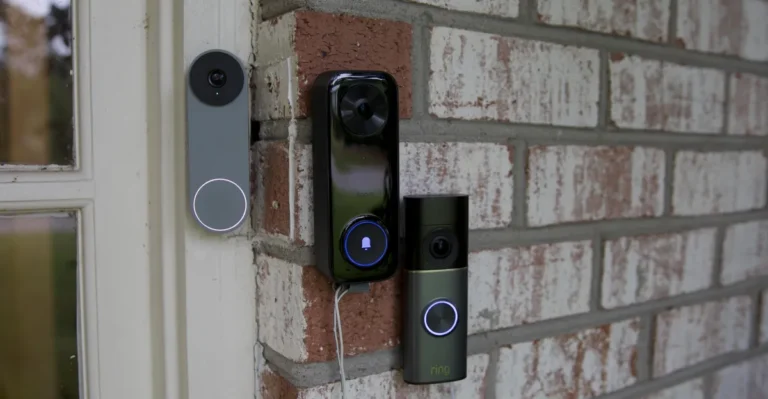
Apple’s Smarter Home Cameras Are Here — But Ring and Nest Still Set the Bar
Apple brings AI to smart home cameras, but Ring and Nest still lead on price, speed and detail. Here’s how the systems compare.

Articles on data protection, privacy concerns, and AI security measures.
Apple brings AI to smart home cameras, but Ring and Nest still lead on price, speed and detail. Here’s how the systems compare.

Microsoft Copilot now combines chat, coding and agents in one app, with enterprise controls, usage-based billing and a new work-focused design.

AI agents like Instinct can book travel and manage email, but new testing shows serious privacy, security and reliability risks.
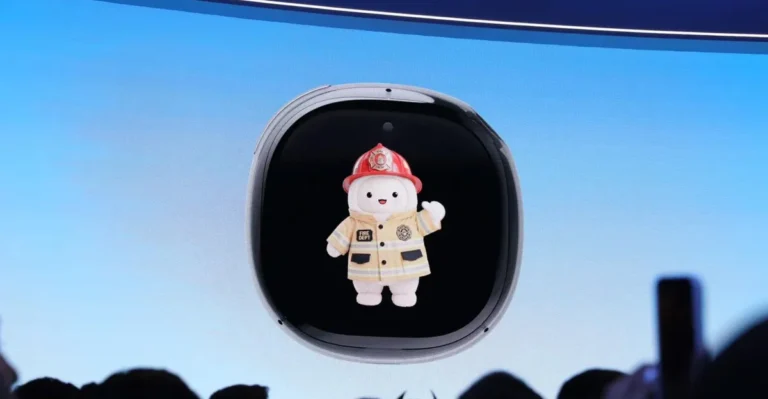
Meta Muse AI is rolling out with a cute mascot and wearables, but the design may be masking deeper privacy and data concerns.

Meta’s Muse is driving AI agents mainstream, but critics say it looks a lot like OpenClaw. Here’s what that means for security and competition.
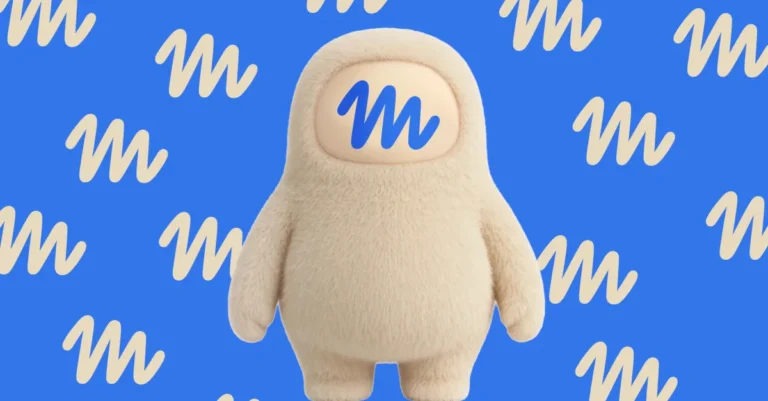
Researchers say Meta’s Muse AI filesystem can be exposed with little prompting, revealing internal files, memory logs and security questions.

ElevenLabs says it is pacing at $600M ARR and may be valued at $22B. Here’s how the voice AI startup is growing, competing and scaling.
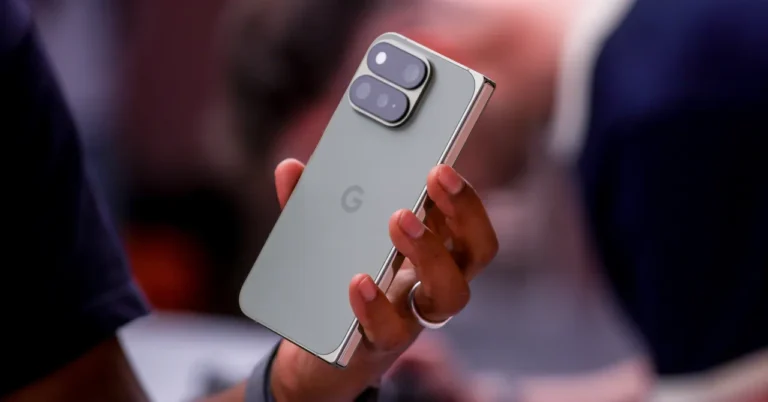
Google’s Gemini calls can now place business calls on Pixel 11 phones, letting users test AI that waits on hold and handles menus.
Air gapping AI can reduce risk, but experts warn it also cuts realism, slows testing and may not stop rogue agents.

Meta Glasses and teen safety are under fresh scrutiny as Mark Zuckerberg faces questions about privacy, moderation and AI accountability.