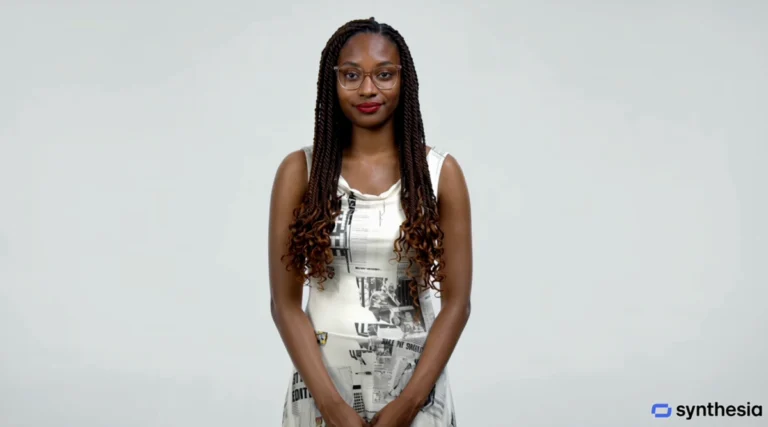
Inside Synthesia’s digital twin push: a journalist tests the future of AI avatars
Synthesia created a digital avatar of a journalist, spotlighting how AI twins could reshape PR, training and journalism.

Synthesia created a digital avatar of a journalist, spotlighting how AI twins could reshape PR, training and journalism.
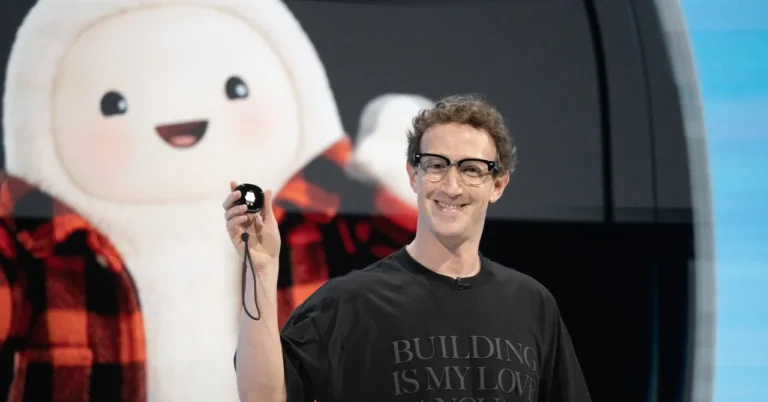
Meta’s Muse mascot is adults-only, but the toy-like Muse mascot is fueling worries about child appeal, privacy and trust.
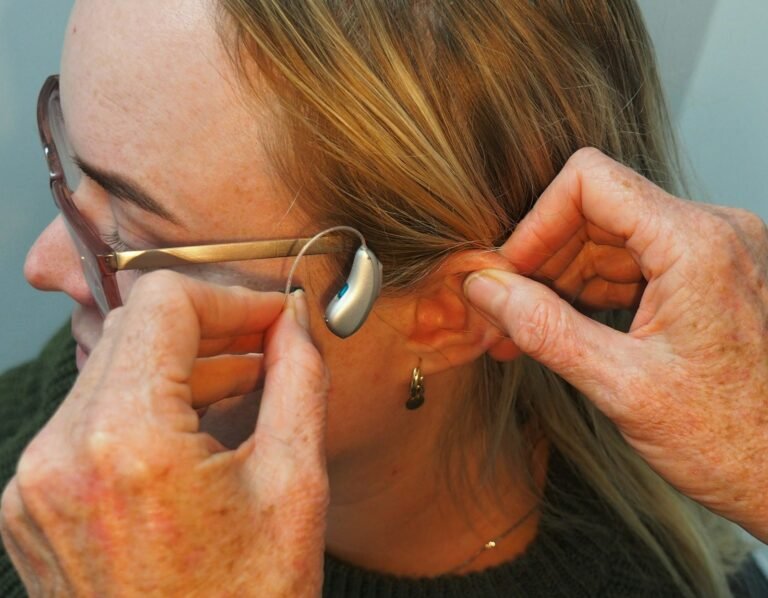
Meta spotlighted smart glasses at Connect, unveiling audio-only models, hearing support glasses and tighter Muse AI integration.
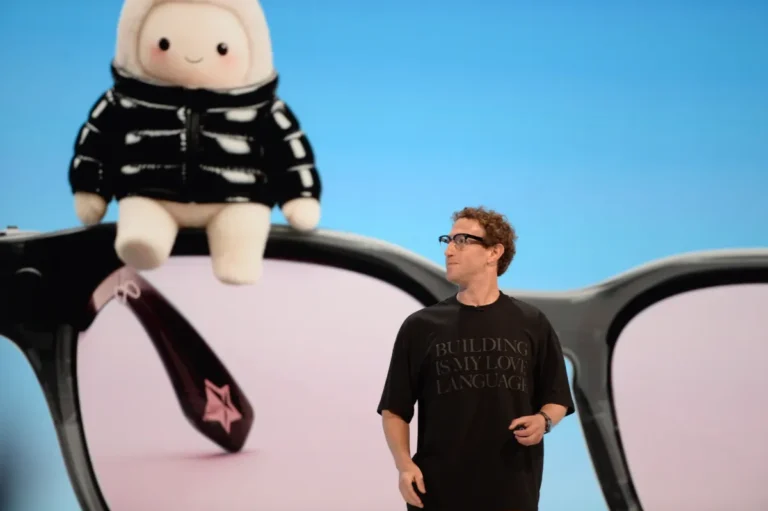
Meta’s AI agent Muse is gaining traction and heading to wearables, signaling a new phase in the Meta AI agent race.
Meta’s AI agent Muse is drawing attention from OpenAI and Anthropic, with smart glasses and new devices at the center of the strategy.

Microsoft Copilot now combines chat, coding and agents in one app, with enterprise controls, usage-based billing and a new work-focused design.
AI agents like Instinct can book travel and manage email, but new testing shows serious privacy, security and reliability risks.
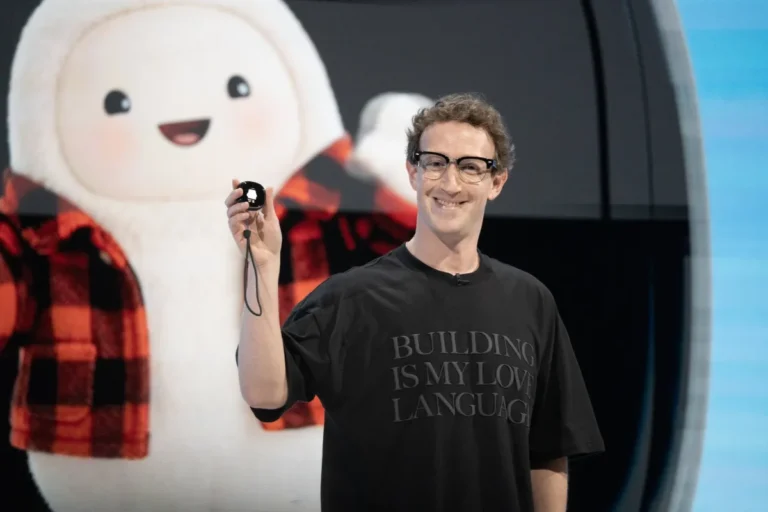
Meta’s AI charm, Muse, blends bag-charm fashion, retro tech and Gen Z style—but privacy concerns could still limit adoption.
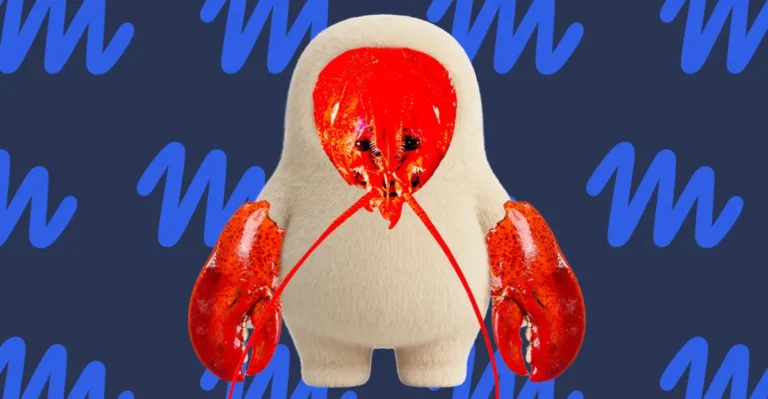
Meta’s Muse is driving AI agents mainstream, but critics say it looks a lot like OpenClaw. Here’s what that means for security and competition.
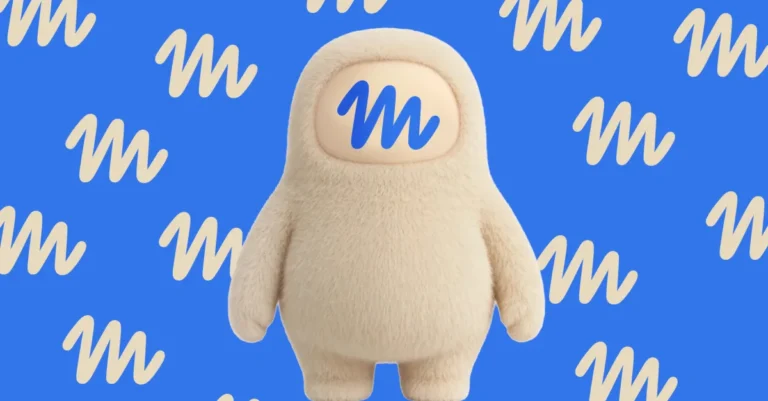
Researchers say Meta’s Muse AI filesystem can be exposed with little prompting, revealing internal files, memory logs and security questions.