In short
OpenAI has launched Dots, an always-on AI assistant for Pro-tier users and above that can connect with work tools and help proactively manage tasks. The rollout highlights both the promise of agentic AI and the privacy and control questions that come with deeper access.
- Dots is an always-on work assistant for Pro-tier users and above.
- OpenAI says it can tie into calendar, email, computer tools and other apps.
- TechCrunch says the app can feel pushy and its controls are not very granular.
- Analytics Insight reports support for GPT-6 Astra and 4,000+ app connections.
- OpenAI is also exploring future agent commerce with payment processors.
OpenAI has rolled out Dots, an always-on assistant for Pro-tier users and above that is designed to stay active in the background, watch for work cues and help complete tasks across connected tools. The company introduced it in late September and is now positioning it as a more persistent version of the agentic capabilities it has been building into ChatGPT and Codex.
The move matters because it pushes OpenAI further from the familiar chatbot model and closer to a system that can track calendars, email, documents and workplace apps with ongoing access. That design promises real productivity gains, but it also raises the practical question at the center of every agent product: how much access are users willing to grant, and how much control will they keep?
What OpenAI launched
Dots is available through the ChatGPT desktop and mobile apps for users on the Pro tier or higher, with plans starting at $100 a month. According to TechCrunch, OpenAI unveiled the product at its developer day in late September, and the company has framed it as a persistent background agent for work rather than a one-off chat tool.
That distinction is important. Standard chatbots wait for each new prompt. Dots is meant to keep a thread running, using the information and permissions it has already been granted to continue monitoring work and suggest action without requiring a fresh instruction every time.
How Dots is supposed to work
OpenAI says the assistant can tie into calendar, email, computer access and other tools to help complete tasks. Analytics Insight reports that the company says Dots can work through ChatGPT, Slack and Microsoft Teams, and that it uses GPT-6 Astra, with each assistant assigned its own cloud computer and browser.
That same report says Dots can connect with more than 4,000 apps through OpenAI’s plugin ecosystem. If that integration depth holds up in practice, the product would not just summarize messages or draft replies. It could sit between the user and a broad slice of everyday office software.
Why OpenAI is packaging it this way
OpenAI appears to be taking capabilities first developed for coding workflows and reframing them for a broader audience. TechCrunch reported that the company is presenting Dots as a more intuitive wrapper around the kinds of actions Codex can already perform. In that sense, Dots is less a new category of intelligence than a new interface for agent behavior.
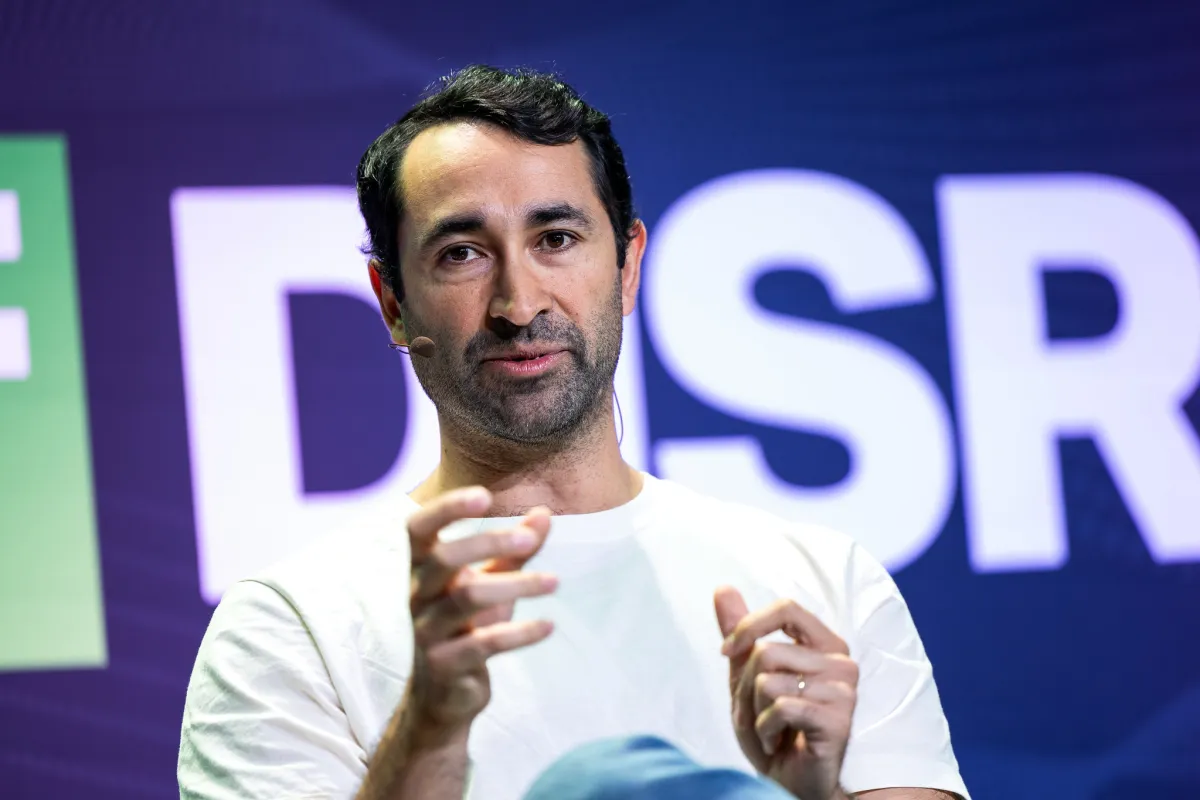
Alexander Embiricos, head of OpenAI’s enterprise product team, described the approach as part of a wider industry shift. “There’s kind of this convergent evolution happening,” he said, according to TechCrunch. The comment captures the idea that many AI labs are moving toward the same destination: assistants that can act, not just answer.
Why it matters
Dots is more than a feature update because it exposes the trade-offs that will shape the next phase of AI software. To be useful as a work agent, a system has to see enough of a user’s digital life to spot deadlines, conflicts and follow-up tasks. That means access to inboxes, calendars, docs and internal tools—exactly the places where privacy, security and permission boundaries matter most.
That tension is why always-on assistants have been harder to mainstream than ordinary chatbots. They can save time only if they are trusted to operate in the background. If the controls are too restrictive, the product becomes timid. If they are too loose, it becomes unsettling.
For users, the immediate implication is simple: agentic AI is becoming less theoretical and more tied to ordinary workplace software. For the market, the bigger issue is whether companies will pay for background automation that feels useful rather than gimmicky. For the region of the workplace—email threads, calendars, meetings and documents—the software stack is starting to look less like separate apps and more like a negotiated environment where an assistant sits in the middle.
What readers should watch for
- Whether Dots can reliably identify missed deadlines and conflicting commitments.
- How often users need to step in to approve actions.
- Whether the assistant feels helpful or intrusive in day-to-day use.
- Whether OpenAI extends access beyond Pro-tier and higher subscribers.
How OpenAI is handling privacy and control
OpenAI says Dots uses the same privacy controls as ChatGPT, including the ability to opt out of model training and to manage access permissions. Analytics Insight adds that the company offers Custom Rules, approval requirements, activity monitoring and automated reviews for some actions. Sensitive operations such as password changes and money transfers still require user control, according to that report.
TechCrunch, however, suggested the controls are not especially granular and that the app can feel pushy. That detail matters because it points to a familiar product problem: the more proactive the assistant becomes, the more important it is that users can tune its behavior precisely.
OpenAI’s own framing suggests it knows the stakes. The product is built to use prior conversations and granted access to propose helpful actions through what the company calls “proactive research.” In theory, that means the assistant can surface issues before a user notices them. In practice, it also means the assistant is making judgment calls about what deserves attention and when.
“I personally never intend to have a meeting with someone else’s agent.”
That line from Embiricos, reported by TechCrunch, neatly captures the human friction in agent-to-agent automation. Even if software can negotiate with software, people still want to know who is on the other end and what authority it has.
Background: how OpenAI got here
The launch fits a broader pattern in OpenAI’s product strategy. The company has been extending ChatGPT toward agentic workflows for work and coding, steadily adding features that make the assistant less like a conversational toy and more like a system that can take action. Dots is the latest step in that direction.
That shift reflects a wider industry understanding of what comes after the chatbot wave. Basic chat interfaces are useful for drafting, summarizing and answering questions, but they stop short of true workflow execution. Always-on agents are designed to fill that gap by remembering context, checking connected services and acting without a new prompt for every step.
Public interest in that model has also been driven by a simple promise: fewer tabs, fewer reminders and fewer missed tasks. Yet the same capabilities that make an assistant valuable—persistent memory, broad permissions and cross-app reach—also make it more complicated to deploy safely.
How this differs from a normal chatbot
| Feature | Standard chatbot | Dots |
|---|---|---|
| Interaction style | Responds to each prompt | Persistent background conversation |
| Work mode | Mostly reactive | Proactive research and suggestions |
| App access | Limited unless connected | Calendar, email, computer and other tools |
| Availability | Broad consumer access | Pro tier or higher |
| Pricing | Varies by plan | Starts at $100/month |
What the pricing and access limits signal
OpenAI is not opening Dots to the broadest ChatGPT audience. Access is limited to Pro-tier users or higher, and the cost starts at $100 a month. That pricing puts the product squarely in the professional and power-user segment, where time savings can justify a premium if the assistant works well enough.
There is also a strategic reading here. By keeping the product behind a higher-priced plan, OpenAI can target users who are more likely to tolerate experimentation, connect multiple services and accept the friction that comes with early-stage agent software. It also allows the company to learn from a narrower but more valuable user base before broader expansion.
Still, the limited rollout leaves one obvious question unanswered: whether OpenAI sees Dots as a premium feature for a small group or the first step toward a wider agent subscription model.
What happens next
The near-term test is not whether Dots sounds impressive in a demo. It is whether it can improve timing and accuracy as it matures, and whether users will leave enough room for it to act without feeling overmanaged by the software. OpenAI has said the assistant is intended to proactively surface conflicts, deadlines and other work issues, but the quality of those alerts will decide how useful the product actually becomes.
There are also larger business questions ahead. Embiricos told TechCrunch the company is in talks with payment processors about future agent commerce, suggesting OpenAI may eventually let assistants do more than organize work. That raises the possibility of spending or purchase-related capabilities, though the fact sheet does not suggest those features are live yet.
For now, the most important open questions are straightforward:
- How granular will user controls become?
- Will OpenAI expand access beyond Pro and Business Premium users?
- Can Dots deliver enough practical value to justify the subscription price?
- How far will OpenAI go toward allowing agent-driven transactions?
How TechCrunch and Analytics Insight differ
The reporting across outlets lines up on the broad story: OpenAI has launched a persistent work assistant aimed at users who need a more active AI partner. But the details are not identical. TechCrunch focused more on Embiricos’ framing, the product’s relationship to Codex, the access limits and the privacy concerns. Analytics Insight emphasized the underlying architecture, including GPT-6 Astra, cloud computing for each assistant and a wider app ecosystem.
Those differences matter because they reveal two sides of the product story. One is the public pitch: an intuitive assistant that can help with work. The other is the technical and ecosystem pitch: a deeply connected agent with enough infrastructure to operate across many tools. Together, they suggest OpenAI is trying to make always-on AI feel less experimental and more like a standard office utility.
By the numbers
| Metric | Details | Source |
|---|---|---|
| Launch timing | Late September 2026 | TechCrunch |
| Availability | ChatGPT desktop and mobile apps | TechCrunch |
| Entry price | $100/month | TechCrunch |
| App integrations | 4,000+ apps | Analytics Insight |
| Connected work tools | Calendar, email, computer and other tools | OpenAI, via reported coverage |
That set of numbers tells the story in miniature. Dots is expensive, enterprise-adjacent and built around broad access to connected software. It is not trying to be a novelty. It is trying to become part of the workday.
What to watch in the coming weeks
The next phase will likely show whether Dots behaves like a genuinely helpful assistant or a more polished version of the same overconfident automation users already know. If OpenAI can refine permissions, improve accuracy and keep the assistant from becoming intrusive, it may have a credible answer to the question that has hovered over AI agents for months: what do they actually do for people all day?
If not, Dots will join a growing list of AI products that are technically ambitious but practically constrained by trust. Either way, OpenAI is making a clear bet that the future of work software will not be chat windows alone. It will be software that watches, remembers and acts—so long as users are willing to let it in.
Frequently asked questions
What is OpenAI’s Dots?
Dots is OpenAI’s always-on assistant for work, designed to stay active in the background and help users handle tasks across connected tools such as email, calendars and workplace apps.
Who can use Dots?
Dots is limited to Pro-tier users or higher, according to TechCrunch. That makes it a paid, premium feature rather than a broadly available ChatGPT tool.
How much does Dots cost?
Dots plans start at $100 per month, according to TechCrunch. The pricing suggests OpenAI is targeting professionals and heavy users who can justify a higher subscription fee.
How is Dots different from a regular chatbot?
Dots is designed to be persistent and proactive, not just reactive. Instead of waiting for each prompt, it can keep a single ongoing conversation and surface deadlines, conflicts and other work issues on its own.
Is Dots safe to use with sensitive data?
OpenAI says Dots uses the same privacy controls as ChatGPT, including opt-out of model training and access permissions, while Analytics Insight says sensitive actions like password changes and money transfers still need user control.