In short
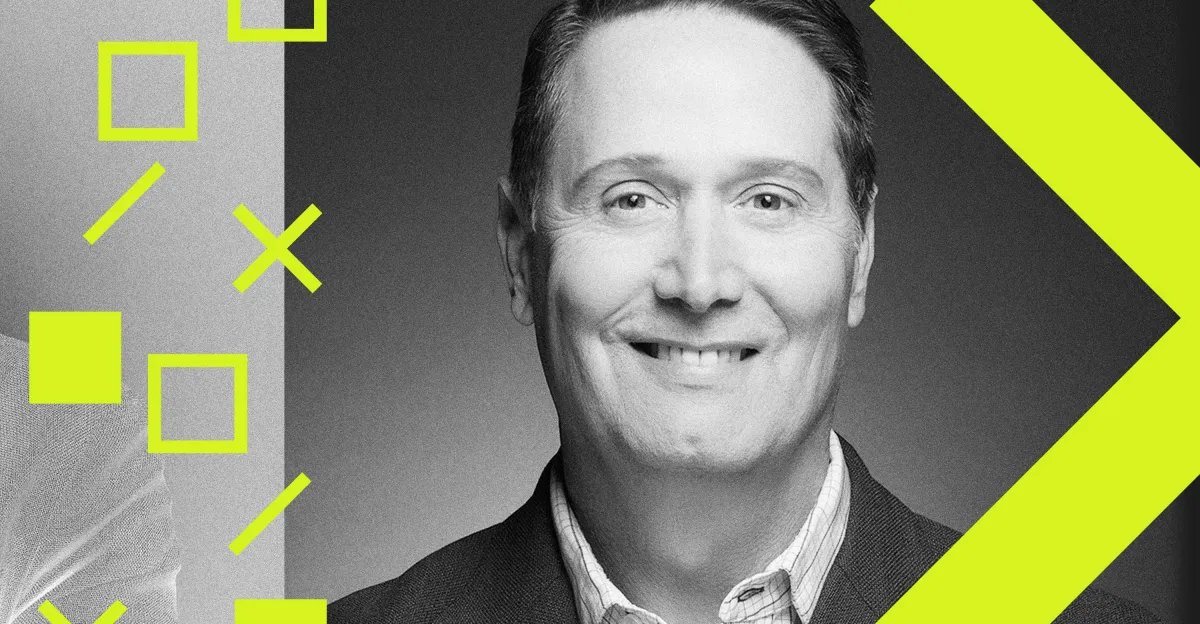
RIAA chief Mitch Glazier says AI-generated music and deepfakes are creating a new copyright fight for the music industry. He argues the conflict differs from Napster because artists, labels and fans are now more aligned around protecting human creativity.
- RIAA chief Mitch Glazier says AI companies are training on artists' work without permission.
- He argues AI music could weaken incentives for humans to make art.
- Glazier says the current fight differs from Napster because artists, labels and fans are more aligned.
- The RIAA is focused on detection, labeling and platform adoption at Spotify and YouTube.
- He warns AI could help platforms capture value while human creators are left behind.
RIAA chief Mitch Glazier says AI-generated music and deepfake performance tools have become the music industry’s newest copyright threat, but he argues the fight looks very different from the Napster era because artists, labels and fans are now more closely aligned.
In a Verge interview published on 2026-11-09, Glazier said the Recording Industry Association of America is now battling AI companies over training systems on artists’ work without permission, while also pressing for detection and labeling systems that could help platforms identify synthetic music and voice clones.
Why it matters
The dispute goes to the heart of how music gets made, paid for and trusted. If AI services can generate songs in seconds using material drawn from existing recordings and compositions, the RIAA says that could weaken the economic incentive for human artists to keep creating.
That concern is not only about lost sales. It is also about whether fans can still tell what is human-made, who gets paid when a synthetic track gains traction, and whether streaming services will become the main beneficiaries of an AI music boom.
Glazier’s argument is rooted in the industry’s long-standing copyright logic: copyright is meant to reward creativity so artists can earn a living and make future art. If AI tools can imitate voices, styles or full songs at scale, the RIAA fears that system could be strained in ways the old piracy wars never imagined.
How is this fight different from Napster?
It is different because, in Glazier’s view, the conflict no longer looks like a simple standoff between an industry and its audience. During the Napster years, the RIAA spent heavily on anti-piracy campaigns, including campus outreach aimed at discouraging students from using peer-to-peer networks.
Glazier said that era felt like labels versus fans. The current AI dispute, by contrast, is unfolding in a music business that now includes streaming platforms, catalog investors, direct-to-artist partnerships and other intermediaries that did not dominate the market two decades ago.
That broader ecosystem, he suggested, has created a different coalition. Artists, labels and listeners are more likely to share an interest in preserving authenticity, protecting human creativity and keeping artist-fan relationships intact.
A music industry with more moving parts
Glazier’s remarks also reflect a market that has already been reshaped once. Subscription services such as Spotify and Apple Music replaced the old CD economy with recurring revenue and platform royalties, helping stabilize the business after years of piracy-driven losses.
But Glazier warned that the same streaming economy may have a hidden weakness: it can support the biggest stars while hollowing out the middle tier of working artists. In that view, AI music tools could amplify the problem by making it easier for platforms to flood listeners with low-cost synthetic tracks.
What exactly is the RIAA worried about?
The trade group is focused on several overlapping problems: training data, voice cloning, attribution and compensation. Glazier said the RIAA is fighting AI companies that train on artists’ work without permission, a point that has already become central to copyright disputes across the creative industries.
He also raised the prospect of deepfakes and AI-generated performances that mimic recognizable voices or styles, then compete with the original artists for attention and revenue. In his telling, the danger is not just imitation but substitution.
Glazier’s bluntest warning was economic. He said AI music tools could create a system in which users ask for music and only the platform gets paid, while the human creators whose work made the output possible receive little or nothing.
“if non-human music … can dilute or drown out the incentives for people to be able to make a living as humans making art”
He framed that concern in terms of incentives rather than nostalgia. The issue, he argued, is whether the copyright system still works if synthetic content can be produced quickly, cheaply and at scale.
What the industry wants from platforms
The RIAA’s next push appears likely to center on technical safeguards as much as legal ones. The interview covered AI deepfakes, detection tools, labeling systems and the role of major services such as Spotify and YouTube in adopting them.
That matters because platforms are where the fight becomes visible to ordinary listeners. If a song is synthetic, mislabeled or generated to sound like a known artist, the burden of detection and disclosure may fall on services that host, recommend or monetize it.
Glazier did not present a finalized rulebook, but his comments suggest the music industry is looking for a layered response:
- limits on training models using copyrighted music without permission;
- clearer labeling of AI-generated tracks and voices;
- detection systems for deepfakes and synthetic audio;
- platform adoption of those tools at scale;
- compensation models that preserve a human creator economy.
Those tools may sound technical, but the stakes are commercial. If platforms cannot reliably identify synthetic music, artists may struggle to prove authorship, listeners may lose trust, and rightsholders may be forced into constant enforcement battles.
Background: how the music business got here
The RIAA has long been the main lobbying and enforcement voice for major U.S. recorded-music interests. Its role during the digital transition was defined by the anti-piracy struggle that followed Napster, the landmark peer-to-peer file-sharing service that helped trigger a broader crackdown on online music copying.
Glazier said he spent part of that era touring campuses to discourage students from using peer-to-peer networks. He also recalled the blunt enforcement tactics of the time, including a $5,000 settlement amount that he said was used in campus piracy cases.
The business then moved toward subscription streaming, which changed the way music earned money. Instead of one-time CD purchases, artists and labels now depend on recurring platform payouts, with streaming services sitting between listeners and the people who make the music.
That shift solved one problem but created others. Streaming widened access and rebuilt parts of the industry, yet it also concentrated power in the platforms and left many artists dependent on a system they do not control. Glazier’s warning is that AI may deepen that imbalance.
From piracy to synthetic abundance
During Napster, the fear was that users would take music for free. With AI, the fear is not just free copying but a flood of synthetic output that competes with human work, blurs authorship and shifts value to whoever runs the service.
That change matters because the scale is different. Glazier said AI can generate music in two seconds, while human-made art can take years to complete. He described a world in which creativity is compressed on one side and rewarded on the other only if the market is structured to protect it.
He also drew a cultural distinction between the old piracy fight and the present one. In his view, the Napster battle often put the industry on one side and fans on the other. The AI issue, by contrast, can be framed as an attempt to protect the conditions that allow artists to keep making work in the first place.
| Issue | Napster era | AI music era |
|---|---|---|
| Main threat | Peer-to-peer piracy | Training on artists’ work, deepfakes and synthetic music |
| Industry posture | Labels versus fans | Artists, labels and fans more aligned |
| Market structure | CD sales and early digital sharing | Streaming platforms, catalog investors and direct artist deals |
| Core policy goal | Stop unauthorized copying | Preserve incentives, authenticity and compensation |
| Key technology | Peer-to-peer file sharing | AI generation, detection and labeling systems |
Why it matters for artists
For working musicians, the issue is not abstract. If listeners can generate convincing tracks on demand, the market for original music could change in ways that are difficult to reverse. Mid-tier artists may be especially exposed because they already rely on a fragile mix of streams, touring and direct fan support.
Glazier argued that preserving authenticity and artist-fan connection is central to the industry’s response. That is a telling formulation: it suggests the music business sees AI not only as a legal challenge but as a threat to the relationship that gives music cultural value.
There is also a practical concern about market flooding. If AI tools can churn out endless music at near-zero marginal cost, the supply of content can explode, making it harder for any single human artist to stand out, even if that artist is technically protected by copyright law.
That is where the RIAA’s argument becomes broader than ownership. It is asking whether copyright should safeguard not just the rights of songs already made, but the future ability of people to keep making them.
What did Glazier say about the old battle?
He described the Napster period as an intense, sometimes awkward public campaign. Asked about that era, he said:
“I took a garbage bag, put it over my head, and I walked out onto the stage”
The line underscored how combative the industry’s early anti-piracy messaging could be. It also helped explain why Glazier sees the current fight as more collaborative, or at least less openly adversarial, than the battles of the early 2000s.
In that earlier period, the message was relatively simple: stop unauthorized copying. Today, the music business is trying to define what counts as fair use, fair compensation and fair labeling in a world where software can imitate human creativity at scale.
By the numbers
Several details from the interview show how far the market has shifted since the Napster years and how quickly AI can now generate content.
| Figure | What it refers to | Why it matters |
|---|---|---|
| 20+ years | Glazier’s tenure at the RIAA | Shows he has lived through both the piracy era and the streaming era |
| $5,000 | Settlement amount he says was used in campus piracy cases | Illustrates how aggressively the industry once enforced anti-piracy rules |
| 2 seconds | Time he says AI can generate music | Highlights the speed of synthetic content production |
| 20 years | Time he says some human-made art can take to create | Shows the scale mismatch between human craft and machine output |
| three | Years he says some art can take to create | Reinforces the longer timeline for human creative work |
What happens next?
The immediate question is how the RIAA will turn its concerns into policy demands. The interview suggests that labeling and detection standards are likely to be part of the agenda, but Glazier did not specify exactly what rules the group will push for or how broad they should be.
Several open questions now hang over the issue:
- which AI labeling or detection rules the RIAA will seek;
- whether Spotify, YouTube and similar services will adopt those systems;
- how courts will treat AI training on copyrighted recordings and music;
- whether AI tools will cut into income for mid-tier artists;
- what legal standard should apply to AI deepfakes in music and performance.
Those questions are likely to define the next phase of the fight. If courts side with rights holders, AI companies may need licenses or tighter controls. If platforms adopt robust detection and labeling systems, synthetic music may remain visible but more clearly separated from human-made work. If neither happens quickly, the market may move faster than the rules.
For now, Glazier’s message is that the music industry sees AI as more than a new technology problem. It is a test of whether the business can preserve a human creator economy while the tools for making music become radically cheaper, faster and easier to scale.
Frequently asked questions
Why is the music industry worried about AI-generated music?
The music industry is worried because AI tools can be trained on artists' work without permission, then generate music that may compete with human creators. RIAA chief Mitch Glazier says that could dilute the incentives that let artists earn a living and keep making new work.
How is the AI music fight different from Napster?
It is different because Glazier says the old Napster battle looked like labels versus fans, while the AI dispute has artists, labels and listeners more aligned. He also says the modern music business includes streaming platforms, catalog investors and direct artist partnerships that change the dynamics.
What does the RIAA want platforms to do about AI music?
The RIAA appears to want better detection and labeling systems for synthetic music and deepfakes, along with platform adoption of those tools. The interview discussed Spotify and YouTube as important venues where those rules would need to work in practice.
Could AI music hurt human artists financially?
Yes. Glazier warned that AI tools could create a market where users request music and only the platform gets paid, while human creators receive little or no compensation. He also said streaming may already be hollowing out the middle tier of artists.