In short
Meta has released two new AI models, Wonder and Wonder Full, to power its Muse assistant and compete more directly with OpenAI and Anthropic. The launch is part of Meta’s broader effort to rebuild momentum in AI through heavy investment, new products and developer access.
- Meta unveiled Wonder and Wonder Full as part of its expanding Muse AI lineup.
- The company says the models can compete with top systems from OpenAI and Anthropic.
- Wonder is available through Meta’s Model API and both models are offered to Muse Code subscribers.
- Meta plans to use Wonder to power Muse and later build more specialized models.
- The release is another sign of Meta’s aggressive push to regain relevance in frontier AI.
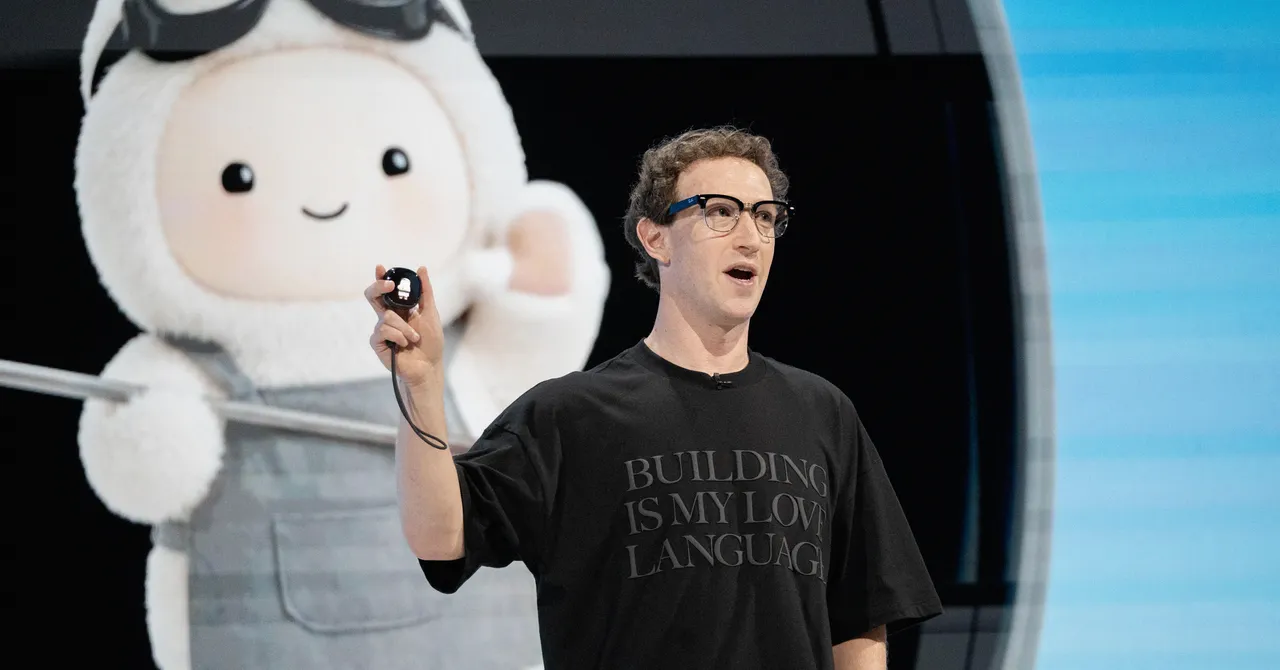
Meta has unveiled two new AI models, Wonder and Wonder Full, in a fresh effort to close the gap with leading competitors and give its Muse assistant a stronger backbone. The company says the models are strong enough to compete with top systems from OpenAI and Anthropic, and it plans to use them to power Muse more broadly in the near future.
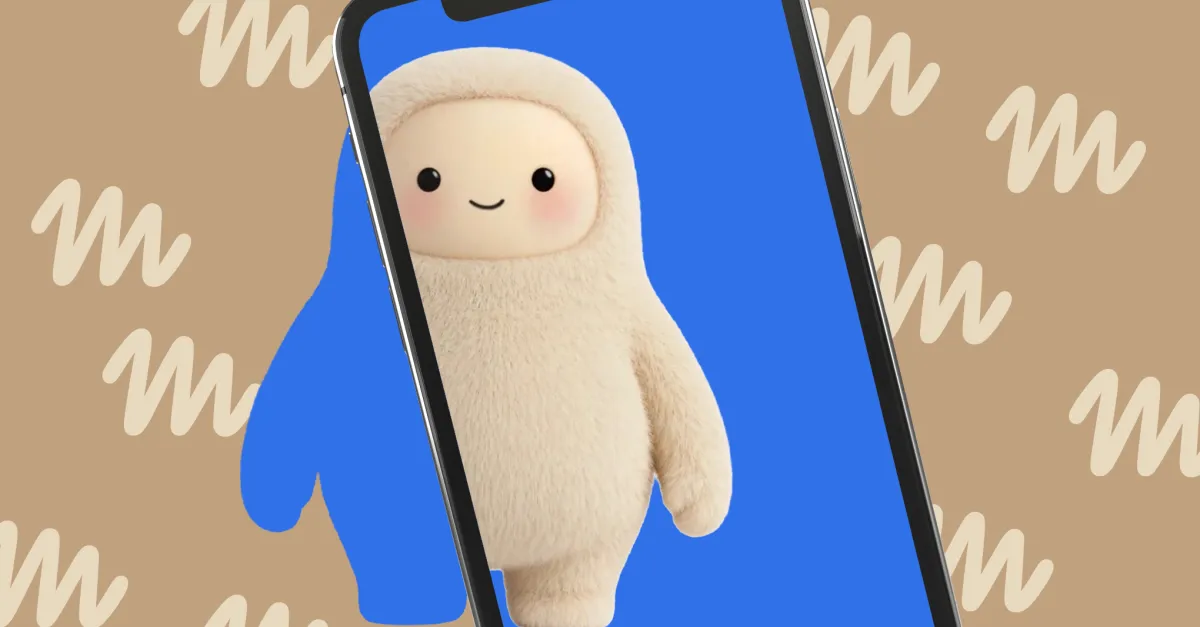
The launch is the latest sign that Meta is stepping up its AI ambitions after years of playing catch-up. The company is now pairing its revamped Superintelligence Labs with a growing family of Muse-branded products, including Muse Spark, Muse Image and the Muse AI agent, as it tries to turn heavy investment into visible consumer and developer traction.
What Meta launched and why it matters
Meta’s new models, Muse Wonder and Muse Wonder Full, are now available to Muse Code subscribers, with Wonder also exposed through Meta’s Model API. The company says the rollout is an important step toward making Muse more capable and more useful across its product lineup.
In practical terms, the release gives Meta another chance to show that its in-house AI work is not just a research effort, but a product strategy. The company has spent heavily on talent, chips and infrastructure, and it needs convincing evidence that those investments can produce models people will actually use.
Meta has described the two models as competitive with some of the strongest systems in the market, citing internal benchmark testing. It has not published full technical details, and the company has not explained exactly where the models outperform rivals or where they still lag.
How do Wonder and Wonder Full fit into Meta’s AI strategy?
They are designed to become the foundation for Muse, Meta’s AI agent push, with the company saying it eventually wants to power Muse with Wonder and later develop more specialized models for wider use. That plan suggests Meta is trying to move from a single flagship assistant toward a tiered ecosystem of models aimed at different tasks and user groups.
Meta’s broader strategy appears to revolve around three goals: building more capable models, connecting them to consumer-facing products and making them accessible through APIs so developers can build on top of them. Wonder and Wonder Full sit at the center of that effort.
- Model development: Improve Meta’s underlying AI capabilities.
- Product integration: Feed those capabilities into Muse and related tools.
- Developer access: Offer the models through Meta’s API ecosystem.
What Meta says the new models can do
Meta says internal tests show the models can stand alongside some of the industry’s best-known systems, including OpenAI’s GPT-6 Astra and Anthropic’s Claude Opus 5.5 and Claude Fable 5.1. The company is using benchmark comparisons to make the case that its AI stack has reached a more competitive level.
Those claims matter because Meta has long been viewed as a company with enormous resources but inconsistent AI momentum. If Wonder and Wonder Full can hold their own in real-world use, Meta could strengthen its position in a market where model quality increasingly determines which products gain adoption.
Still, the benchmarks cited by Meta leave important questions unanswered. The company has not shared a full technical report, and it remains unclear how the new models compare with Google’s Gemini 4 Argon, whose capabilities are still being sorted out publicly.
Why benchmark claims need context
Benchmark rankings can be useful, but they rarely tell the whole story. A model may excel in one domain such as coding or reasoning while underperforming in safety, speed, cost or everyday usefulness.
That is especially important here because Meta is positioning Wonder and Wonder Full not just as standalone products, but as building blocks for Muse. If the models are to support a broad consumer assistant, they will need to be reliable, efficient and responsive in settings that extend well beyond lab testing.
| Meta AI development | What it is | Availability | Strategic role |
|---|---|---|---|
| Muse Spark | First model from Meta’s revamped Superintelligence Labs | Previously launched | Introduced the new AI direction |
| Muse | Meta’s AI agent product | Available in stages | Consumer-facing assistant platform |
| Muse Image | Image-focused AI model | Previously launched | Expands Meta’s multimodal lineup |
| Wonder | New general-purpose model | Muse Code subscribers and Meta Model API | Foundation for Muse and developer use |
| Wonder Full | Higher-end new model | Muse Code subscribers | Premium capability tier for advanced use |
Why is Meta pushing AI so aggressively now?
Meta is trying to reassert itself as one of the central companies in AI after moving later than some rivals and losing momentum in the public narrative. The company has responded by accelerating spending, restructuring its AI operations and trying to deliver products that can match the best systems on the market.
That urgency is visible in both the scale of its investment and the speed of its launches. Meta has committed billions of dollars to talent acquisition and infrastructure, a bet that larger and more capable models will eventually translate into stronger consumer adoption and developer interest.
The competitive pressure is intense. OpenAI, Anthropic and Google continue to release fast-moving model updates, and the AI market increasingly rewards companies that can show not just promising demos, but dependable products with real usage.
Who is Meta trying to catch?
Meta is clearly aiming at the companies that currently set the pace for frontier AI models. In its own framing, that includes OpenAI and Anthropic, while Google remains an important wildcard because of the speed and breadth of its Gemini work.
The company’s challenge is not only technical. It also has to persuade developers and consumers that Meta’s ecosystem is worth building around, especially when many users already have habits formed around rival assistants and tools.
Meta says its new models are designed to compete with the best systems in the industry and will ultimately help power Muse, starting with subscribers before expanding more widely.
What comes next for Muse and Meta’s model family?
Meta says Wonder will eventually underpin Muse itself, with an initial rollout aimed at subscribers and a longer-term plan to create specialized versions that can be offered to a broader audience. The company has not provided a launch timeline for those later models, which leaves the next phase intentionally open-ended.
That uncertainty is common in AI product roadmaps, where companies often prefer to announce broad ambitions only after they have something demonstrable to ship. But it also means users and developers will be watching closely for signs that Meta can turn this release into a sustained cadence of improvements.
If the models perform well in practice, Meta could strengthen Muse as a product and make its API more attractive to outside developers. If they underdeliver, the company risks adding another round of hype to a market that has become wary of bold claims without visible follow-through.
How does this change the AI race?
It does not settle the race, but it does show that Meta is no longer content to sit on the sidelines. The company is now trying to compete on frontier-model quality, product integration and platform reach all at once.
That matters because the AI market is increasingly shaped by companies that can do more than train strong models. The winners are likely to be the firms that can combine model quality, developer tooling, consumer distribution and enough compute to keep improving quickly.
Meta has one obvious advantage in that contest: enormous scale. Its apps touch billions of users, giving it a potential distribution engine that many rivals do not have. The question is whether its AI products can become compelling enough that people actively choose them, rather than simply encounter them by default.
Timeline: Meta’s recent AI push
Meta’s latest release fits into a broader sequence of moves over the past year as it has tried to rebuild momentum in artificial intelligence.
| Stage | Launch | Significance |
|---|---|---|
| Superintelligence Labs overhaul | Earlier phase | Reorganized Meta’s AI structure around a more ambitious strategy |
| Muse Spark | First release from the new division | Established the first public sign of the new approach |
| Muse AI agent | Follow-up launch | Showed Meta’s consumer-facing ambitions |
| Muse Image | Subsequent expansion | Added a multimodal image product to the lineup |
| Wonder and Wonder Full | Latest release | Raises the performance bar and could power Muse |
Why the launch matters beyond Meta
Meta’s latest move is important not just because it adds two more models to the market, but because it reinforces a broader shift in AI competition. The field is moving from one-off releases to full ecosystems, where model families, agents, APIs and consumer products all feed into one another.
That approach puts pressure on rival companies to keep pace across several dimensions at once. A model may be impressive, but if it does not integrate cleanly into a product, attract developers or reach users at scale, it may not shift the market much.
For Meta, Wonder and Wonder Full are therefore both a technical test and a business test. They are meant to prove the company can still compete with the best, while also showing that its AI strategy can produce products people actually adopt.
What to watch next
The next few months should reveal whether Meta’s claims translate into measurable progress. Key questions include whether Muse gets broader access, whether Wonder becomes a core model for the agent, and whether Meta publishes more technical detail about performance and safety.
- Will Meta open Wonder Full to more users?
- Can Muse evolve into a widely used assistant?
- Will Meta share clearer benchmark and technical data?
- How will rivals respond to the new model release?
For now, Meta has made a clear statement: it wants back into the front rank of AI companies, and it believes Wonder and Wonder Full can help it get there. Whether the market agrees will depend less on the announcement and more on how the models perform once people start using them.
Frequently asked questions
What are Meta’s new AI models Wonder and Wonder Full?
Meta’s new AI models are two newly released systems designed to strengthen its Muse ecosystem. The company says they are competitive with leading frontier models and will eventually help power the Muse AI agent, with Wonder already available through Meta’s Model API.
Who can use Meta’s Wonder and Wonder Full models now?
Meta says the models are available today to Muse Code subscribers, while Wonder can also be accessed through the Meta Model API. The company has not yet announced a broader public rollout timeline for either model.
How do Meta’s new models compare with OpenAI and Anthropic?
Meta says internal benchmark testing shows Wonder and Wonder Full can rival some of the best models in the market, including OpenAI’s GPT-6 Astra and Anthropic’s Claude Opus 5.5. However, Meta has not released full technical details or independent comparisons.
Why is Meta launching more AI models now?
Meta is launching more AI models now because it wants to reestablish itself as a major force in artificial intelligence. After investing heavily in talent and infrastructure, the company is trying to turn that spending into products that can compete directly with market leaders.