In short
TechCrunch says startups have until Friday, October 2 at 11:59 p.m. PT to book exhibit space at Disrupt 2026 in San Francisco. The conference is expected to draw more than 10,000 attendees and 300-plus startups, making the Expo Hall a key opportunity for visibility and deal-making.
- Exhibit bookings for Disrupt 2026 close Friday, October 2 at 11:59 p.m. PT.
- The conference runs October 13-15 at Moscone West in San Francisco.
- TechCrunch expects 10,000+ attendees and 300+ startups on site.
- The $12,500 package includes a table, passes, branding and lead tools.
- Non-exhibitors can still attend for matchmaking, sessions and networking.
Startups have until Friday, October 2 at 11:59 p.m. PT to book an exhibit table at TechCrunch Disrupt 2026, the annual conference where more than 10,000 founders, investors, operators and tech leaders are expected to gather in San Francisco. The deadline matters because once the Expo Hall is full, companies that miss the cutoff will lose a chance to showcase their products at one of the startup world’s most closely watched events.
TechCrunch’s final call comes just under two weeks before Disrupt opens at Moscone West on October 13 and runs through October 15. For early-stage companies trying to get attention from customers, venture capitalists, media and possible partners, the event remains one of the most concentrated business-development opportunities on the calendar.
The company’s message is simple: if a startup wants exposure at Disrupt 2026, now is the time to commit. The event’s floor is where many attendees will make first contact with new products, compare competing solutions and decide which teams deserve a follow-up conversation.
Why the exhibit deadline matters
The exhibit deadline matters because Disrupt’s Expo Hall functions like a live marketplace for startup discovery. Exhibitors are not just buying table space; they are buying access to a dense concentration of decision-makers who are already in “discovery mode” and are actively looking for companies to fund, buy, partner with or cover.
TechCrunch says that once the booking window closes, the floor will move on without late applicants. In practical terms, that means a startup missing the deadline could be left waiting a full year for another chance to place its brand directly in front of the conference’s audience.
For companies that depend on visibility, timing is the whole game. A startup with a product announcement, a new funding round, a fresh go-to-market push or a need to build investor relationships can use a major conference to compress months of outreach into three days.
What makes Disrupt different from a typical trade show?
Disrupt is different from a typical trade show because it blends product showcasing with founder networking, investor access and editorial attention. Rather than serving only as a booth-and-brochure event, it combines stage programming, meetings, matchmaking and high-density startup traffic in one venue.
According to TechCrunch, the 2026 edition will feature more than 250 top-tier tech leaders across more than 200 sessions on six industry stages. The programming is expected to cover major technology themes including AI, fintech, robotics and infrastructure, which helps draw a broader mix of attendees and increases the chances of meaningful cross-sector conversations.
| Key Disrupt 2026 details | Information |
|---|---|
| Exhibit booking deadline | Friday, October 2, 2026 at 11:59 p.m. PT |
| Conference dates | October 13-15, 2026 |
| Venue | Moscone West, San Francisco |
| Expected attendance | 10,000+ founders, investors, operators and tech leaders |
| Expo Hall size | 300+ startups expected to exhibit and showcase |
| Conference programming | 250+ tech leaders, 200+ sessions, six industry stages |
| Exhibit package price | $12,500 |
What startups get for $12,500
The exhibit package gives startups a three-day presence in the Expo Hall and a bundle of tools designed to turn foot traffic into business opportunities. TechCrunch says the package includes a 6-foot-by-30-inch table, 10 team passes, lead-generation features, website and app branding, press-list access and Silver Tier sponsor branding.
Those additions matter because visibility alone is rarely enough. Startups also need ways to capture leads, identify promising visitors and keep the conversation going after the conference ends. Event branding and app-based discovery tools can help a small team look more established and easier to find.
The company also says exhibitors can use opportunities such as Deal Flow Café and Investor-to-Founder Networking, both of which are especially relevant for early-stage founders looking to accelerate fundraising discussions or meet backers with aligned interests.
How does Expo Hall traffic translate into business?
Expo Hall traffic translates into business by creating a concentrated setting where founders can pitch, demonstrate and qualify interest in real time. Instead of cold outreach, startups can talk to visitors who are already at the event to evaluate products, investigate trends or scout investment opportunities.
- Startups can demo products directly to prospective customers and investors.
- Teams can meet venture capital firms that are actively sourcing deals.
- Founders can use the Disrupt mobile app to generate and track leads.
- Exhibitors can build relationships face to face with partners and buyers.
- Brands can gain repeated exposure to thousands of attendees moving through the hall.
That mix of practical lead generation and broad visibility is why many founders treat conference season as a core part of their sales and fundraising strategy rather than a marketing side project.
One founder who exhibited at Disrupt 2025 described the event as highly active and dynamic, saying it created strong opportunities to collaborate with the broader startup community.
Who should still attend even if they are not exhibiting?
Founders, investors, operators, buyers and even non-exhibiting attendees should still attend because Disrupt 2026 is built as a full ecosystem event, not just an expo floor. TechCrunch says the conference will use AI-powered matchmaking, one-on-one meetings, interactive sessions and networking formats designed to connect people who can help move a company forward.
That matters for attendees who are not showing products. A founder looking for capital may find a meeting with an investor. A corporate buyer may identify a new vendor. A partner seeking distribution may find a startup with the right product. Even attendees who only browse the Expo Hall may leave with a far clearer view of where the market is heading.
What will the broader conference offer?
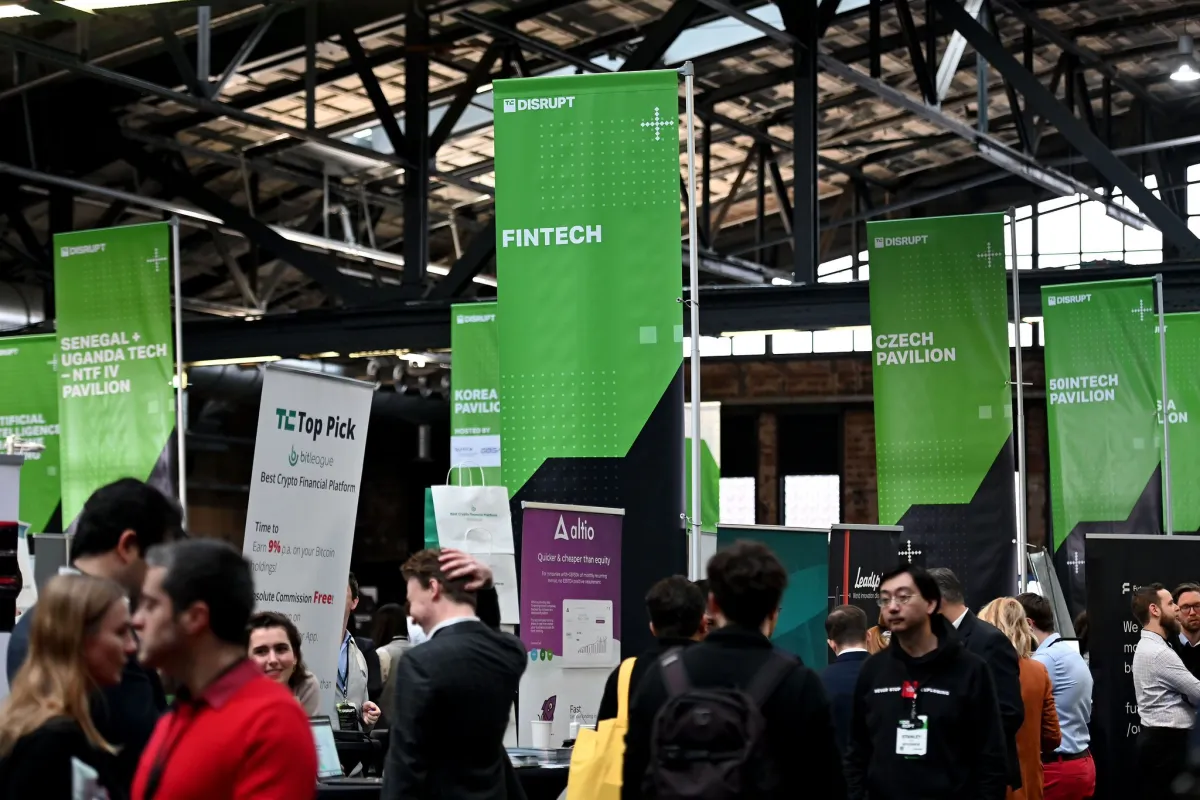
The broader conference will offer a mix of speaker sessions, networking, matchmaking and product discovery across several technology categories. TechCrunch says attendees will be able to move from the main stages to the Expo Hall, where more than 300 startups are expected to present products competing to define the next wave of innovation.
In effect, Disrupt is designed to keep people in the same physical ecosystem long enough for conversations to turn into meetings, meetings into deals and demos into follow-up calls. That structure is part of why the event continues to matter in an era when much of startup networking happens online.
How startups can use the event strategically
Startups can use the event strategically by entering with clear goals rather than treating the booth as a passive brand display. For some teams, the main objective will be investor meetings. For others, it may be customer acquisition, recruiting, partnership development or press coverage.
A successful Disrupt presence often depends on preparation before the doors open. Founders who know exactly what they want to accomplish can use the short window more effectively than teams who rely on spontaneous foot traffic alone.
- Set a primary goal. Decide whether the main priority is fundraising, sales, partnerships, hiring or media attention.
- Refine the pitch. Prepare a short explanation of the product, problem and target market.
- Train the team. Ensure everyone at the table can answer questions consistently and quickly.
- Capture contacts. Use the event’s tools to collect and organize leads before follow-up slips away.
- Plan follow-up. Turn conference conversations into post-event meetings, demos and next steps.
For early-stage companies, this kind of preparation can make the difference between a busy table and a meaningful pipeline. The best returns usually come not from sheer volume, but from highly targeted conversations with the right people.
Why the startup floor remains valuable in 2026
The startup floor remains valuable in 2026 because in-person exposure still compresses trust-building in a way digital outreach rarely can. Even as AI tools, remote meetings and social media broaden access to prospects, many investors and customers still want to see a product demonstrated live and speak directly with the people building it.
That is especially true in a crowded market. With so many startups competing for attention, a physical presence can help a company stand out in ways that a website or pitch deck cannot. A table on the Expo Hall floor can become a temporary headquarters for product validation, competitive positioning and relationship building.
TechCrunch’s emphasis on traffic, networking and access reflects a broader reality in startup culture: face-to-face interaction remains one of the fastest ways to create credibility. For many young companies, even a few strong meetings at a major conference can materially influence the months that follow.
What happens after the deadline?
What happens after the deadline is straightforward: TechCrunch will move forward with planning the Expo Hall, and startups that have not booked will lose the ability to secure a spot for this year. The company’s messaging suggests there will be no meaningful extension once the booking window closes.
After that, attention shifts to the conference itself. Attendees will arrive in San Francisco, the Expo Hall will fill with exhibitors and the conversation will turn from who is still deciding to who is already on the floor. For startups, that means being present is no longer a plan — it is a fixed fact.
For founders still evaluating the opportunity, the practical question is whether the cost of a table is lower than the cost of missing the audience. In many cases, the answer depends on the company’s stage, sales motion and fundraising timeline. But TechCrunch is making the timing argument clear: if the event is relevant to your next growth step, the window is now.
How Disrupt 2026 fits into the startup calendar
Disrupt 2026 fits into the startup calendar as one of the fall season’s marquee gatherings for early-stage and growth-stage companies alike. Its appeal comes from the overlap of audiences: founders seeking capital, investors scouting pipeline, operators watching trends and press looking for the next breakout names.
The conference’s structure also gives it staying power. By combining stages, matchmaking, meetings and a busy exhibition hall, it gives attendees multiple ways to engage. Some will come for the headline sessions. Others will come specifically to evaluate products. Many will do both.
That layered approach helps explain why TechCrunch continues to promote the Expo Hall so aggressively. The hall is not just ancillary space; it is where many of the event’s most useful introductions happen.
Bottom line for startups
The bottom line for startups is that there are only a few days left to secure one of the few most visible places available at Disrupt 2026. The event offers a direct route to thousands of people who can influence a startup’s next stage of growth, and the exhibit deadline is the final barrier before that opportunity closes for another year.
For founders serious about fundraising, customer acquisition or strategic partnerships, the decision is time-sensitive. The San Francisco conference begins on October 13, but the real cutoff comes much sooner: Friday, October 2 at 11:59 p.m. PT.
For companies aiming to be part of the conversation when the startup world gathers in one place, the message is clear: the clock is running out.
Frequently asked questions
When is the deadline to exhibit at TechCrunch Disrupt 2026?
The deadline is Friday, October 2, 2026 at 11:59 p.m. PT. TechCrunch says that once the booking window closes, startups will no longer be able to secure exhibit space for this year’s conference.
How much does a Disrupt 2026 exhibit package cost?
The exhibit package costs $12,500. TechCrunch says that price includes a 6-foot-by-30-inch table for all three conference days, 10 team passes, branding, lead-generation tools and press-list access.
When and where is Disrupt 2026 taking place?
Disrupt 2026 is scheduled for October 13-15 at Moscone West in San Francisco. TechCrunch says the event will bring together founders, investors, operators and tech leaders from across the startup ecosystem.
Why should a startup exhibit at Disrupt 2026?
A startup should exhibit at Disrupt 2026 to meet potential customers, investors and partners in one place. The Expo Hall creates a concentrated environment for demos, lead generation, brand exposure and relationship building.
Can people still get value from Disrupt 2026 without exhibiting?
Yes. TechCrunch says non-exhibitors can still benefit from AI-powered matchmaking, one-on-one meetings, stage sessions and access to the Expo Hall, where hundreds of startups will be showcasing products.