In short
Meta says its Muse AI agent is coming to smart glasses, alongside new accessibility, navigation, audio, and camera features. The updates push the company’s wearables closer to becoming everyday AI-powered assistants.
- Muse is being adapted for Meta smart glasses to handle tasks by voice.
- Meta is adding hearing support, better visual answers, and audio controls.
- Ray-Ban Display users are getting new navigation and call features.
- The updates strengthen Meta’s push to make glasses a daily AI platform.
Meta is preparing to put its new AI agent Muse on smart glasses, expanding the company’s wearables push just weeks after the assistant launched. The move matters because Meta is turning glasses into a more capable hands-free AI platform, with new tools for fitness, shopping, accessibility, navigation, audio, and camera use.
The announcement came alongside a broader set of updates for Meta’s glasses lineup, including a hearing support feature, improved visual answers from Meta AI, spatial audio recording, and new navigation tools for the Meta Ray-Ban Display. Together, the changes show how Meta is trying to make its glasses less like novelty accessories and more like practical everyday computers.
Meta is moving Muse onto glasses
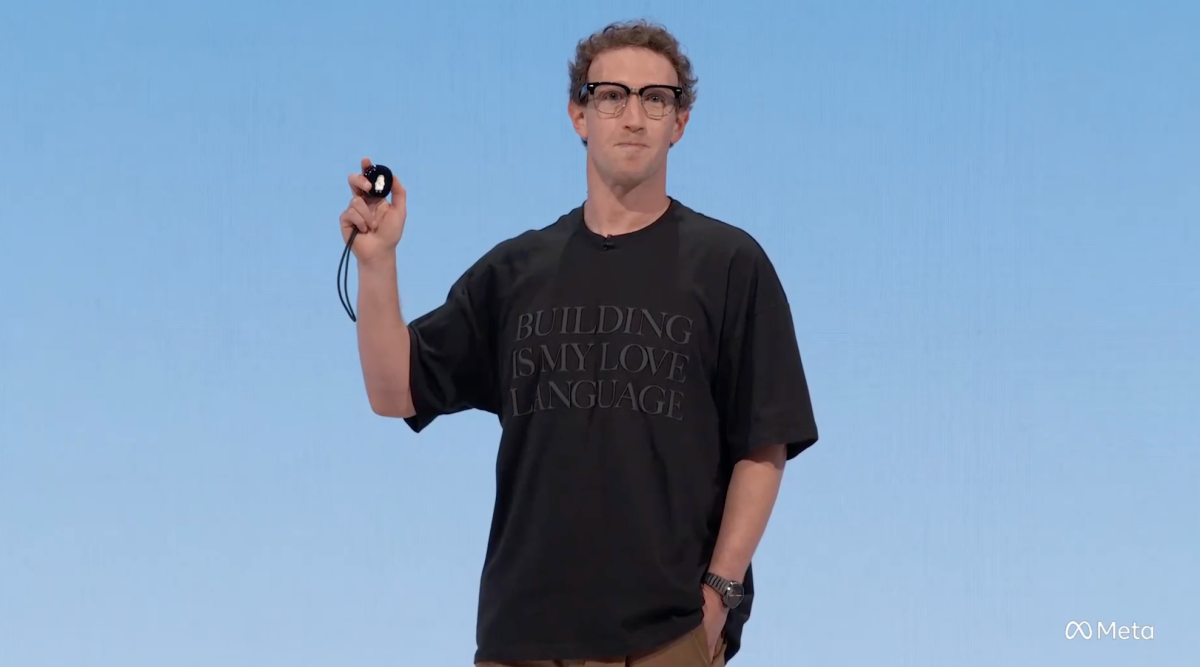
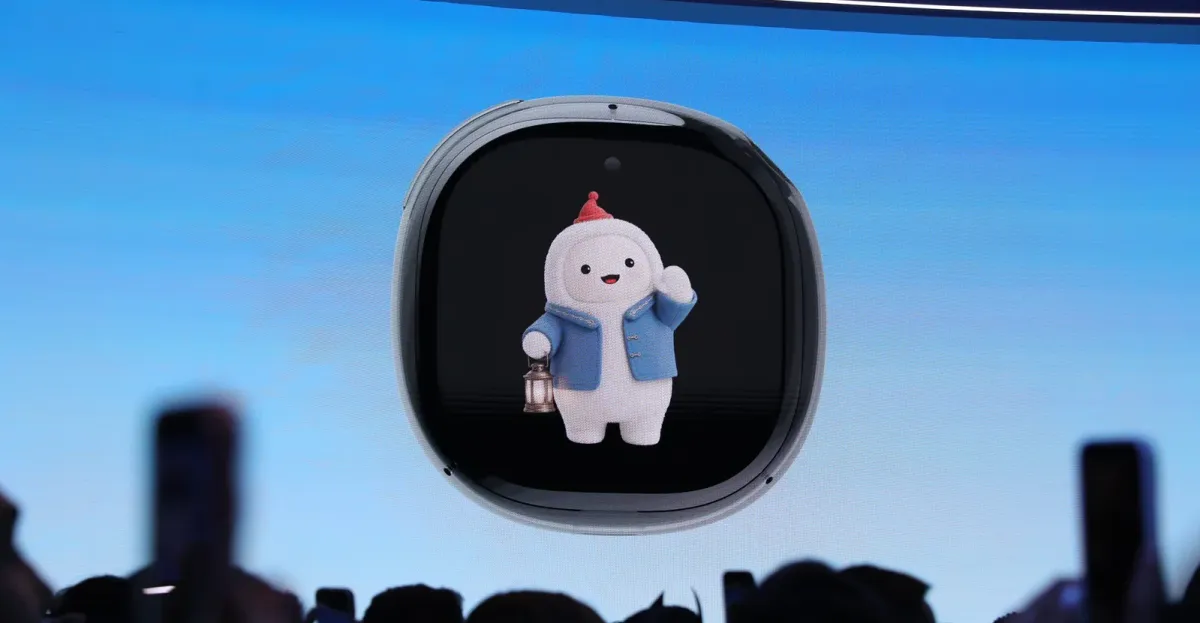
Meta says it is “working on” bringing Muse to its smart glasses, including the new models it introduced at Meta Connect. Once available, users will be able to wake the agent by voice and ask it to help with routine tasks while keeping both hands free.
That could include guidance during a workout, tracking meals, or identifying products the wearer is looking at while shopping. In practical terms, Meta is trying to make the glasses act more like a contextual assistant that can respond to what the user sees, hears, and says in the moment.
Meta says users will be able to activate Muse by saying its name and request help with tasks such as workout guidance, meal logging, and shopping support based on what they are viewing.
The company did not frame Muse as a finished launch on glasses, but as a feature in progress. Even so, the direction is clear: Meta wants its wearables to become a front-end for AI agents, not just a camera or voice-command device.
Why this update matters for Meta’s wearables strategy
This update matters because it reveals how Meta is tying together its AI model work, consumer hardware, and long-term bet on smart glasses. The company has spent years pushing toward a future where glasses can serve as a daily interface for information, assistance, and communication.
Meta’s latest announcements suggest that the glasses are now moving closer to that role. Instead of waiting for users to pull out a phone, the devices are increasingly designed to provide immediate answers and support in the environment around them.
That strategy also gives Meta a way to differentiate its glasses from traditional eyewear and from standalone AI chatbots. The company is not just adding a voice assistant; it is embedding AI into the act of looking, moving, listening, and speaking.
How Muse could change everyday use
Muse could make the glasses more useful in ordinary situations by letting people ask for help without interrupting what they are doing. A runner could get workout cues, a shopper could ask about an item in view, and someone managing daily routines could log meals or other activities through voice alone.
In that sense, Muse represents a shift from reactive AI to situational AI. Rather than waiting for a typed prompt or an app launch, the glasses may become a way to ask for help at the exact moment it is needed.
What else is coming to Meta’s smart glasses?
Meta’s glasses update is broader than Muse. The company announced a set of accessibility, camera, audio, and navigation features that will roll out across different models and markets on different timelines.
The additions suggest Meta is building the glasses into a more mature product category, with features aimed at users who want clearer audio, better image capture, more useful directions, and stronger support for vision and hearing needs.
Hearing support and accessibility features
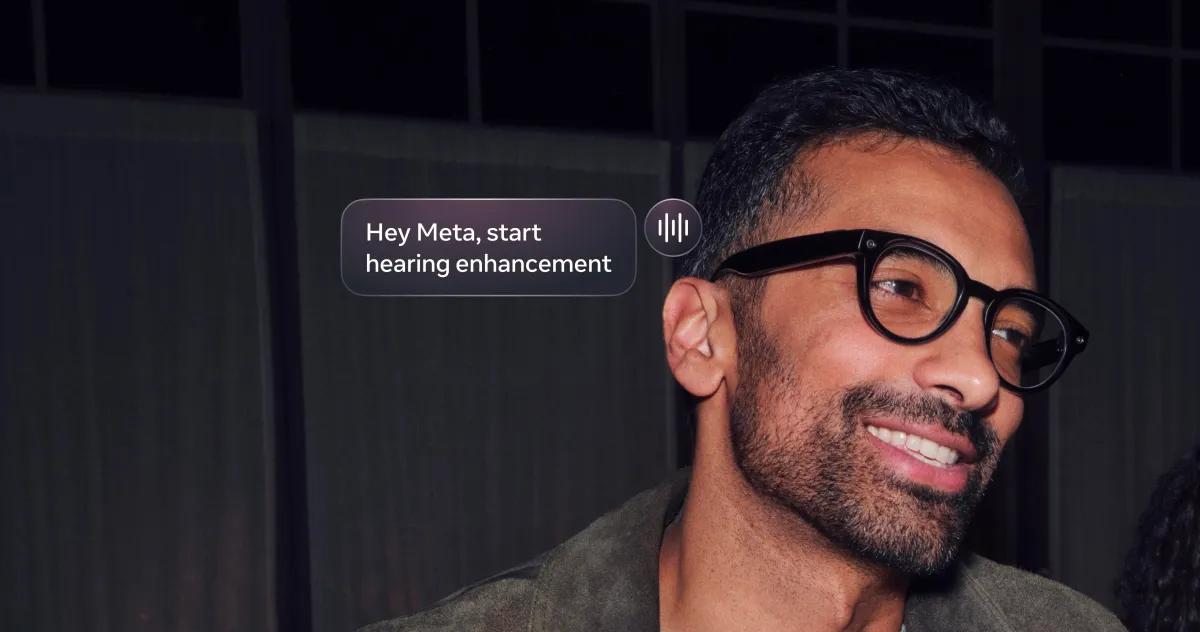
One of the most notable additions is a Hearing Enhancement feature Meta describes as FDA-cleared software for adults with perceived mild to moderate hearing loss. Meta says the feature will arrive later this year and will be available through a Meta One subscription or as a $149 add-on for compatible glasses.
That pricing and distribution model shows Meta is still experimenting with how to monetize advanced features on wearables. It also signals that the company sees accessibility as a serious product lane, not just a side benefit.
Meta AI is also getting more context-aware in how it responds to the visual world. The company says the glasses will be able to provide more detailed answers when users ask what they are looking at, which could be especially valuable for blind and low-vision users trying to interpret nearby objects or surroundings.
A separate audio customization feature will let users shift sound between the left and right ear, or route all audio to one side. That kind of fine-grained control could make the glasses more comfortable for users with hearing differences or situational listening preferences.
Camera and audio improvements
Meta is also adding several media-focused upgrades. Dolby Atmos Capture will let users record video with 360-degree spatial audio, a feature aimed at making captured memories feel more immersive and more faithful to the original environment.
Another new option, called Dynamic Photo, will automatically take multiple frames when a user snaps a picture. Meta AI will then suggest the best frame from the batch, reducing the chance that a slightly mistimed shot becomes the only version saved.
These features reflect a familiar Meta pattern: use AI to improve the raw utility of the hardware while also making content creation easier. The glasses are increasingly being positioned as a camera platform as much as a communication device.
How is Meta improving navigation on the Ray-Ban Display?
Meta is making the Ray-Ban Display glasses more useful for directions by shifting navigation from text-heavy instructions toward a more visual understanding of the world. The company says users in the US and Canada will soon be able to ask by voice for real-time biking or public transit directions.
That update starts later this month and is likely to matter most for people who want quick, glanceable help while moving through cities or commuting without checking a phone.
Meta is also changing how walking directions are delivered. Instead of relying only on street signs, the glasses will use nearby landmarks and objects in the user’s field of view, such as a house, a car, or another recognizable reference point.
That approach could make turn-by-turn directions feel more natural and less dependent on memorizing instructions. It also fits the core promise of smart glasses: navigation that is embedded in the wearer’s environment rather than layered on top of it through a handset.
What is the “Hologram” feature?
Meta’s Ray-Ban Display glasses are gaining a feature the company calls “Hologram,” which it previously announced for its new VR glasses. Meta describes it as a photorealistic digital version of the user’s face for calls made from the Ray-Ban Display.
The system infers facial expression from voice, which means the glasses can create a more expressive representation of the user even when the actual camera feed is not being used in the traditional way. Meta says the feature will roll out in early access on WhatsApp to US users later this fall.
The feature is notable not just as a novelty, but as a sign that Meta is trying to solve a long-running problem in wearable communication: how to make calls feel personal without making users overly self-conscious about wearing visible tech.
What new tools are coming to the Display model?
Meta is adding several smaller but potentially important upgrades to the Meta Ray-Ban Display. These include the ability to edit photos directly on the glasses’ display, a new Explore app for discovering apps, an improved calendar, and mirrored phone notifications.
These changes may sound modest compared with Muse or the hearing feature, but they matter because they make the glasses more complete as a computing surface. The more users can do without switching devices, the more likely the hardware becomes part of daily routines.
- Photo editing on the glasses display
- Explore app for discovering new apps
- Improved calendar integration
- Mirrored phone notifications
Those additions also show Meta is trying to improve the software ecosystem around its wearables. Better utility often depends on small pieces of friction being removed, and these updates are clearly aimed at that problem.
Table: Key Meta glasses updates announced at Connect
| Feature | Device/Platform | What it does | Availability |
|---|---|---|---|
| Muse AI agent | Meta smart glasses | Handles tasks such as workout guidance, meal logging, and shopping help | Working on it; rollout timing not specified |
| Hearing Enhancement | Compatible Meta glasses | FDA-cleared software for adults with perceived mild to moderate hearing loss | Later this year |
| Context-rich visual answers | Meta AI on glasses | Gives more detailed responses about what the wearer is looking at | Announcement stage |
| Dolby Atmos Capture | Meta glasses | Records video with 360-degree spatial audio | Announcement stage |
| Dynamic Photo | Meta glasses | Captures multiple frames and suggests the best shot | Announcement stage |
| Hologram | Meta Ray-Ban Display | Creates a photorealistic digital face for calls | Early access on WhatsApp later this fall |
| Bike/transit directions | Meta Ray-Ban Display | Voice-based real-time cycling and public transit navigation | Later this month |
Who benefits most from these updates?
People who rely on accessibility tools are among the clearest potential beneficiaries. The hearing support feature, improved visual descriptions, and audio balance controls all point toward a product that is trying to serve users with different sensory needs more directly.
Low-vision users may also benefit from the more context-rich visual responses, especially if the system can identify objects, scenes, or nearby landmarks with greater precision. For users with hearing differences, the new audio tools may make the hardware more flexible and comfortable.
But the updates also target everyday users who simply want smarter glasses. Travelers, commuters, shoppers, fitness users, and people who record photos and videos are all part of the audience Meta appears to have in mind.
Why navigation and media features matter
Navigation and media tools are often the features that determine whether wearables feel helpful enough to wear regularly. If Meta can make directions, recording, and visual interpretation easy and reliable, the glasses become more than a demo of future tech.
That is especially true for a product like the Ray-Ban Display, where small interface improvements can have a large effect on how practical the device feels in public.
Meta’s wider wearables push is becoming clearer
Meta has spent years building toward a consumer hardware stack where glasses, AI, messaging, and mixed reality reinforce one another. The latest Connect announcements make that approach much easier to see.
Muse points to a future where AI is not confined to a chatbot window. Hearing support shows Meta is willing to treat glasses as assistive technology. The navigation updates suggest the company wants its devices to become real-world guides. The camera and audio changes make the hardware better at capturing and understanding the moment.
Put together, these developments show a company trying to transform smart glasses from an emerging gadget category into a daily companion. The bet is that if the hardware becomes useful enough, people will wear it the same way they now carry smartphones.
That is a long road, and Meta still has to prove the features work reliably enough to justify that vision. But the latest updates make one thing obvious: the company is pushing smart glasses into a more ambitious phase, where AI assistance, accessibility, and navigation all converge on the face.
What happens next?
The immediate next step is a staggered rollout. Some features, like biking and transit directions, are set to arrive soon. Others, including hearing support and Hologram access, are scheduled for later this year. Muse’s arrival on glasses remains in development, which means users should expect gradual rather than instant availability.
That rollout pattern is typical for Meta, especially when it is layering software services onto hardware. But the bigger takeaway is strategic: Meta is clearly aiming to make its glasses feel indispensable, not experimental.
As the company continues refining these products, the question will be whether users see them as helpful everyday tools or as impressive but optional gadgets. Meta’s answer, at least for now, is to keep adding utility until the case for wearing glasses becomes hard to ignore.
In short: Meta is bringing its Muse AI agent to smart glasses while adding accessibility, navigation, audio, and camera features that make its wearables more practical and more ambitious at the same time.
Frequently asked questions
What is Muse on Meta smart glasses?
Muse is Meta’s AI agent, and Meta says it is working on bringing it to its smart glasses. Users should be able to activate it by name and ask for help with tasks such as workouts, meal tracking, and shopping assistance.
When will Meta’s new smart glasses features be available?
Some features are arriving soon, while others are coming later this year. Meta says cycling and transit directions begin later this month, hearing support arrives later this year, and Hologram will roll out in early access later this fall.
What accessibility features are coming to Meta glasses?
Meta is adding a Hearing Enhancement feature for adults with perceived mild to moderate hearing loss, plus more detailed visual answers from Meta AI and audio controls that let users shift sound between ears or route it all to one side.
What is the Hologram feature on Meta Ray-Ban Display?
Hologram is Meta’s name for a photorealistic digital version of the wearer’s face for calls on the Ray-Ban Display. Meta says it infers expression using the user’s voice and will start rolling out in early access on WhatsApp later this fall.