Updated September 11, 2026 10:53 pm
In short
Mark Wahlberg will appear at TechCrunch Disrupt 2026 to discuss his move from Hollywood to investing, with new details adding his current film role, his access and deal-flow strategy, and an upcoming ticket-price increase.
- Mark Wahlberg will speak on the main stage at TechCrunch Disrupt 2026 in San Francisco.
- The conversation will focus on his evolution from actor and producer to investor and business builder.
- His business interests now include production, consumer brands, angel investing, and philanthropy.
- TechCrunch says the session will explore mistakes, mentorship, and his growing focus on healthcare and wellness startups.
Update — September 11, 2026 10:53 pm
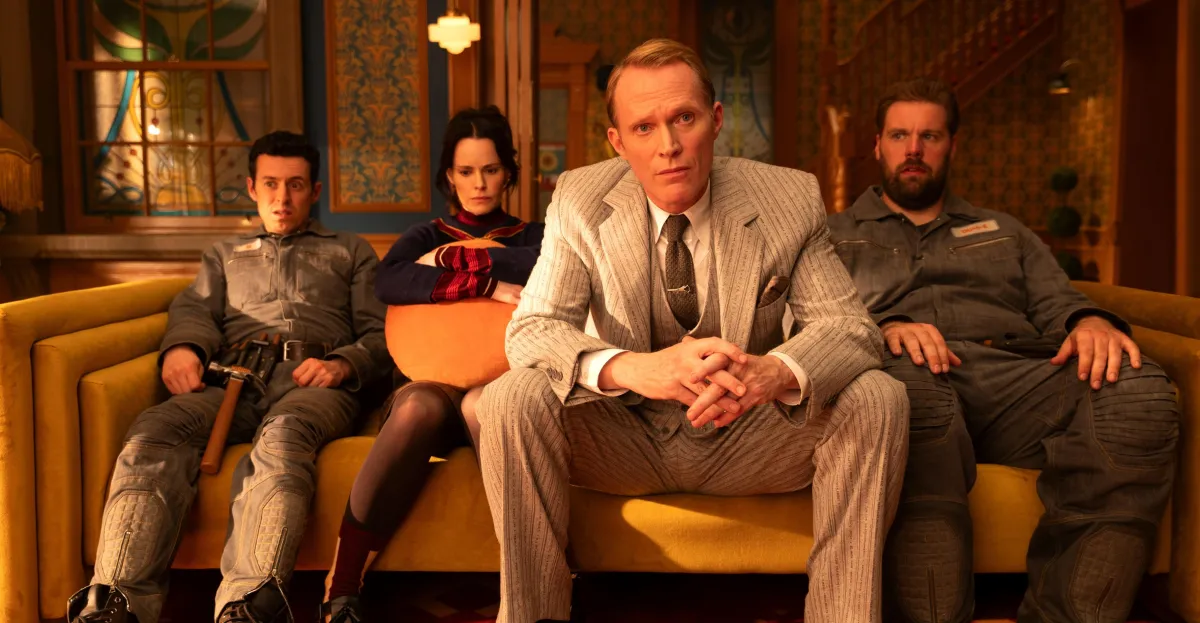
TechCrunch’s updated announcement adds that Wahlberg is currently back on screen in By Any Means, a thriller set during the 1966 Mississippi civil rights killings.
The new version also says he will talk about how trust from his long career has helped him open doors and generate deal flow, along with the technologies he is paying closest attention to now.
TechCrunch also notes that ticket prices go up on September 25, with attendees able to save as much as $200 before then.
Update — September 11, 2026 1:23 am
TechCrunch’s updated announcement adds that Wahlberg is currently back on screen in By Any Means, a manhunt thriller set during the 1966 Mississippi civil rights killings.
The new version also says the conversation will dig into how he has built access and deal flow through the trust he earned over his career, and which technologies he is focusing on now.
TechCrunch additionally notes that ticket prices rise on September 25 and that attendees can save up to $200 before then.
Mark Wahlberg will take the main stage at TechCrunch Disrupt 2026 in San Francisco on October 13-15, where he is set to discuss how he has evolved from Hollywood star into a serious investor and business builder. The appearance matters because it puts one of entertainment’s most recognizable names in front of the startup world to explain how he thinks about deals, mentorship, and long-term company building.
Wahlberg, whose career spans blockbuster films, television producing, and a growing portfolio of consumer and health-focused ventures, will appear in a fireside chat with Bruce K. Lee, founder and CEO of Keebeck Wealth Management. The conversation is expected to focus on how the actor has developed a more disciplined investment approach and where he is now concentrating his attention, especially in healthcare and wellness.
The session comes as TechCrunch prepares to bring more than 10,000 founders, investors, operators, and tech workers to Moscone West. For attendees, Wahlberg’s presence adds a rare celebrity-business crossover to an event known for startup strategy, venture capital, and AI-era company building.
Why Mark Wahlberg’s Disrupt appearance is drawing attention
Wahlberg is not just appearing as a celebrity guest. He is coming to TechCrunch Disrupt as someone who has spent years building businesses beyond the screen, making him relevant to entrepreneurs who want to understand how public figures turn fame into durable companies.
Since emerging as a major movie star in the late 1990s, Wahlberg has built a career that includes Oscar nominations, a Golden Globe nomination, and several Emmy nominations as a producer. But his business identity has become increasingly important to his public profile, especially as he expands his footprint in sectors far removed from film sets.
His Disrupt talk is designed to go beyond glossy success stories. According to the event description, the conversation will examine the mistakes he has had to unlearn, the role of mentorship, and the practical side of becoming a more sophisticated investor. That combination should make the session interesting not only to fans, but to founders trying to understand how trust, reputation, and access work in business.
From Hollywood fame to operating businesses
Wahlberg’s trajectory mirrors a broader trend among entertainers who move from endorsement deals into ownership and investment. In his case, the portfolio includes a production company, a restaurant chain, clothing and fitness brands, angel investments, and the Mark Wahlberg Youth Foundation, which has supported inner-city children and teenagers for 25 years.
That mix matters because it shows he has spent years learning how to build outside traditional entertainment revenue streams. The move from brand face to active business participant is often harder than it looks, and Disrupt will offer a public glimpse into how he has approached that transition.
Wahlberg is expected to discuss how he has used lessons from a long entertainment career to build businesses, improve his investing instincts, and work with advisers who have helped him become more disciplined about capital allocation.
What will he talk about on stage?
He will focus on how he learned to think more like an institutional investor while still relying on the instincts that helped him succeed in entertainment and entrepreneurship. The session is likely to explore how he evaluates opportunities, how he thinks about culture and product, and why certain sectors now command more of his attention.
TechCrunch says the conversation will include candid discussion of how entertainers and athletes can misread business, and how Wahlberg himself has had to discard some early assumptions. That angle gives the talk an edge over a standard motivational appearance. It suggests a more practical discussion about judgment, partnership, and the learning curve that comes with backing companies.
Bruce K. Lee’s role is also notable. As founder and CEO of a wealth management firm, he brings a more traditional finance perspective to the conversation, which may help frame Wahlberg’s evolution from intuitive decision-maker to more structured investor.
| Event detail | Information |
|---|---|
| Event | TechCrunch Disrupt 2026 |
| Speaker | Mark Wahlberg |
| Moderator/interviewer | Bruce K. Lee, founder and CEO, Keebeck Wealth Management |
| Dates | October 13-15, 2026 |
| Location | Moscone West, San Francisco |
| Expected attendance | 10,000+ tech leaders |
| Program scale | 250+ leaders across 200+ sessions |
How did Wahlberg become a business figure beyond film?
He did it by steadily building a portfolio that extends well beyond acting and producing. Rather than staying in the lane of celebrity endorsements, he has pursued ownership stakes, operating businesses, and philanthropic initiatives that require a longer-term perspective.
That shift is common among top-tier celebrities, but not everyone executes it well. Some rely too heavily on name recognition; others lack the operating discipline needed to survive beyond launch. Wahlberg’s pitch at Disrupt appears to be that he has moved past that stage and learned to think more strategically about market fit, management, and investing style.
His business footprint includes several sectors
- Film and television production
- Restaurants and consumer brands
- Apparel and fitness ventures
- Angel investing
- Philanthropy through the Mark Wahlberg Youth Foundation
That variety suggests an entrepreneur interested in both consumer visibility and operational scale. It also positions him as a case study in how fame can open doors to capital, but still requires real discipline to convert attention into lasting enterprise value.
Why healthcare and wellness are now central to his investing focus
Because Wahlberg is reportedly directing more attention toward healthcare and wellness startups, the conversation may reveal where he sees durable opportunity in the market. Those sectors have become especially attractive to investors seeking businesses with recurring demand, clear consumer need, and room for innovation.
For a public figure with broad reach, the appeal is understandable. Wellness has strong brand potential, while healthcare can offer both commercial upside and social relevance. If Wahlberg has been gravitating toward those areas, it may reflect a desire to back companies that fit both his public persona and his long-term business thesis.
It also places him in a very current investment conversation. Founders in healthcare and wellness are often looking for investors who can help them with consumer branding, distribution, and trust — not just funding. That is a space where celebrity backers can add value, provided they bring more than a logo and a social-media post.
What entertainers often get wrong about investing
Wahlberg’s appearance is likely to resonate because many entertainers who invest in startups run into familiar problems: overconfidence, weak diligence, and a reliance on personal relationships instead of business fundamentals. The Disrupt session is expected to address precisely those pitfalls.
According to the event description, Wahlberg has had to unlearn some instincts along the way. That is a valuable lesson for anyone outside traditional finance trying to move into venture capital or private investing. Brand strength can get an investor in the room, but it cannot substitute for judgment, timing, and the ability to assess execution risk.
TechCrunch says the discussion will examine where high-profile athletes and entertainers sometimes go wrong in business, and how Wahlberg has worked to build a more professional investing framework with guidance from Bruce K. Lee.
How does this fit into TechCrunch Disrupt 2026?
It fits as part of a larger event focused on startup execution, fundraising, and the future of technology. Disrupt 2026 will feature more than 250 speakers across more than 200 sessions, drawing a crowd of founders and operators looking for practical insights as they build companies in a difficult market.
The event’s messaging underscores a key theme: sustainable company building in the AI era. That is where Wahlberg’s session becomes especially interesting. While he is not appearing as an AI executive, his business journey offers a different lesson about how people from outside Silicon Valley can still become meaningful participants in innovation ecosystems.
For founders, the bigger value may be in the mechanics of how he did it: building trust, finding the right advisers, and learning to think with more rigor. Those ideas matter in any market, but they are especially important when technology is evolving quickly and capital is selective.
Disrupt at a glance
- Three-day event in San Francisco
- Main stage programming with founders, investors, and executives
- Focus on startup growth, fundraising, and innovation
- Major in-person gathering for the tech ecosystem
Why Bruce K. Lee is the right counterpart for the conversation
Lee brings structure to a discussion that could otherwise lean too heavily on celebrity narrative. As the founder and CEO of Keebeck Wealth Management, he represents the kind of financial discipline and advising infrastructure that helps turn intuition into repeatable strategy.
That dynamic is important. Many successful public figures eventually need a bridge between cultural influence and serious capital deployment. A wealth management perspective can provide that bridge by forcing questions about portfolio construction, risk management, and the difference between excitement and thesis.
For the audience, the pairing should produce a more substantive conversation than a standard onstage interview. It creates room to discuss how investors learn, how relationships shape access, and how a person known for acting and producing can become credible in business settings where reputation alone is not enough.
What this says about celebrity influence in startup culture
Celebrity influence in startups has changed. A name attached to a company used to be enough to generate publicity. Today, founders and investors are more likely to ask whether the famous backer actually adds strategic value.
Wahlberg’s presence at Disrupt reflects that shift. He is not being presented merely as a celebrity who likes startups; he is being framed as someone who has put in the time to understand investing better and who has built a business identity over many years. That makes him relevant to a tech audience that is increasingly skeptical of hype.
At the same time, celebrity capital remains powerful when it is used responsibly. Public recognition can help companies reach consumers, recruit talent, and build trust in crowded categories such as wellness, fitness, and consumer healthcare. The challenge is ensuring that the investor brings substance along with visibility.
What attendees can expect from the session
Attendees should expect a candid look at Wahlberg’s evolution rather than a highlight reel of his film career. The key themes are likely to include business mistakes, lessons from mentorship, the challenge of becoming a better investor, and the kinds of technologies or sectors he is studying now.
For startup founders, that could translate into useful takeaways about how to present to nontraditional investors, how to build trust with high-profile backers, and how to understand the expectations of people who come to startups from outside the venture world.
For the broader Disrupt audience, the session offers a reminder that innovation ecosystems are becoming more cross-disciplinary. The people shaping startup capital today may come from entertainment, sports, media, or consumer branding as much as from traditional finance or engineering.
Ticket deadlines and event logistics
TechCrunch is already pushing ticket sales for the conference, noting that prices increase on September 25. That timing is intended to create urgency ahead of the October event and to encourage attendees to lock in their passes before the cost rises.
The company says conference participants will gain access to a large slate of sessions and high-profile speakers. Wahlberg’s talk is one of the more attention-grabbing additions to the agenda and likely to be among the more crowded main-stage events.
| Ticket and event milestone | Date or detail |
|---|---|
| Speaker announcement | September 10, 2026 |
| Ticket price increase | September 25, 2026 |
| Conference dates | October 13-15, 2026 |
| Venue | Moscone West, San Francisco |
Broader background: why this announcement matters now
Wahlberg’s Disrupt appearance lands at a moment when founders are looking for investors who can bring more than money, and when the tech world is increasingly open to people with expertise in audience-building, consumer behavior, and brand creation. That makes the crossover between Hollywood and startups more commercially relevant than it may have seemed a decade ago.
It also reflects how celebrity business involvement has matured. The most credible figures in that space are no longer the ones with the biggest social following, but those who can demonstrate a real learning curve. By pairing with a wealth management professional and discussing his progression openly, Wahlberg appears to be positioning himself in that second group.
That is why the event is notable beyond the novelty of a famous guest. It is not simply about who is on stage. It is about what his path says regarding influence, investing, and the way startup capital is changing in a more media-saturated economy.
For the tech audience, the bigger question is not whether Mark Wahlberg can draw attention. It is whether he can offer a useful model for how public figures can become disciplined, credible participants in startup and venture circles. Disrupt 2026 will provide the first major public test of that idea.
Frequently asked questions
When is Mark Wahlberg speaking at TechCrunch Disrupt 2026?
Mark Wahlberg is scheduled to appear on the main stage at TechCrunch Disrupt 2026, which runs from October 13 to 15, 2026, at Moscone West in San Francisco. TechCrunch announced the session on September 10, with ticket prices set to rise on September 25.
What will Mark Wahlberg talk about at Disrupt?
Mark Wahlberg will discuss how he has developed from Hollywood star into a more disciplined investor and business builder. The session is expected to cover mentorship, mistakes he has had to unlearn, and the sectors he is most interested in now, especially healthcare and wellness.
Who is interviewing Mark Wahlberg at TechCrunch Disrupt?
Bruce K. Lee, the founder and CEO of Keebeck Wealth Management, will lead the conversation with Mark Wahlberg. His background in wealth management suggests the discussion will focus on investing discipline, dealmaking, and how public figures navigate serious capital decisions.
Why does Mark Wahlberg’s appearance matter to the tech audience?
Mark Wahlberg’s appearance matters because it reflects the growing overlap between celebrity influence and startup investing. For founders and investors, his session offers a look at how someone from outside traditional tech has built business credibility and turned fame into a broader investment platform.