In short
Google is reportedly seeking licensing deals with major Hollywood studios to train AI on copyrighted content, a move that could improve its models and change public attitudes toward generative AI. The biggest question is whether studios want the money enough to risk backlash from workers and audiences.
- Google is reportedly pitching Hollywood studios on licensing deals for AI training data and character rights.
- The company’s goal is partly technical, but also reputational: it wants mainstream legitimacy for generative AI.
- Major studios face financial upside, but also labor, copyright, and public-relations risks.
- A deal with Disney or another major studio could set a precedent for the entire entertainment sector.
Google is courting major Hollywood studios for licensing deals that would let it train AI models on copyrighted films, characters, and TV libraries, and the move could reshape both the AI race and the entertainment industry’s public image. The stakes are high because the company wants not only data, but also the cultural legitimacy that comes with being seen alongside Disney, Warner Bros. Discovery, and Universal.
According to reporting cited by The Los Angeles Times, Google has been approaching studio representatives with proposals that could involve hundreds of millions of dollars, and potentially much more if the agreements cover multiple franchises and characters. For Google, the deals could deliver a competitive edge in generative AI. For Hollywood, they could bring in a windfall — but also expose studios to backlash from workers, creators, and audiences wary of AI’s role in entertainment.
Why Google wants Hollywood
Google’s interest in Hollywood is not just about access to content; it is about perception. The company is trying to position itself as a leader in generative AI, and association with famous entertainment brands could help normalize the technology for mainstream users.
That matters because public sentiment around AI has become more complicated. While many consumers use chatbots and image generators, the broader industry is increasingly associated with copyright disputes, labor anxiety, and low-quality output often mocked as AI slop. A licensing deal with a prestige studio would give Google something many AI firms badly need: legitimacy.
In practical terms, training on licensed studio archives could also improve model quality. Instead of relying on disputed or unauthorized material, Google would have legal access to organized catalogs of high-value footage, characters, and styles. That would likely make its products more capable, more marketable, and less vulnerable to litigation.
What is Google reportedly offering studios?
Google is reportedly offering substantial cash payments in exchange for the right to train on copyrighted material and, in some cases, generate outputs based on recognizable characters and properties. The company has not publicly confirmed any completed agreement with Disney, Warner Bros. Discovery, or Universal, but the discussions indicate how far the AI business has moved beyond simple model demos and into direct negotiation over cultural assets.
Sources cited by The Los Angeles Times suggest the pricing could be enormous. One reported scenario involves roughly $40 million for rights tied to a single character from a major animated property, with the total rising sharply as more franchises are included. Some arrangements may also allow studios to share in advertising revenue generated by AI content distributed on platforms such as YouTube.
That structure is important. It suggests Google is not merely asking for a one-time license fee, but trying to build a system in which studios become ongoing stakeholders in AI-generated media. That could make the offers harder to reject — especially for companies that are already looking for new revenue streams.
| Studio or Company | Reported AI Activity | Why It Matters | Status |
|---|---|---|---|
| Seeking licensing access to studio libraries | Could improve Gemini and other AI products with premium licensed data | Reportedly in talks | |
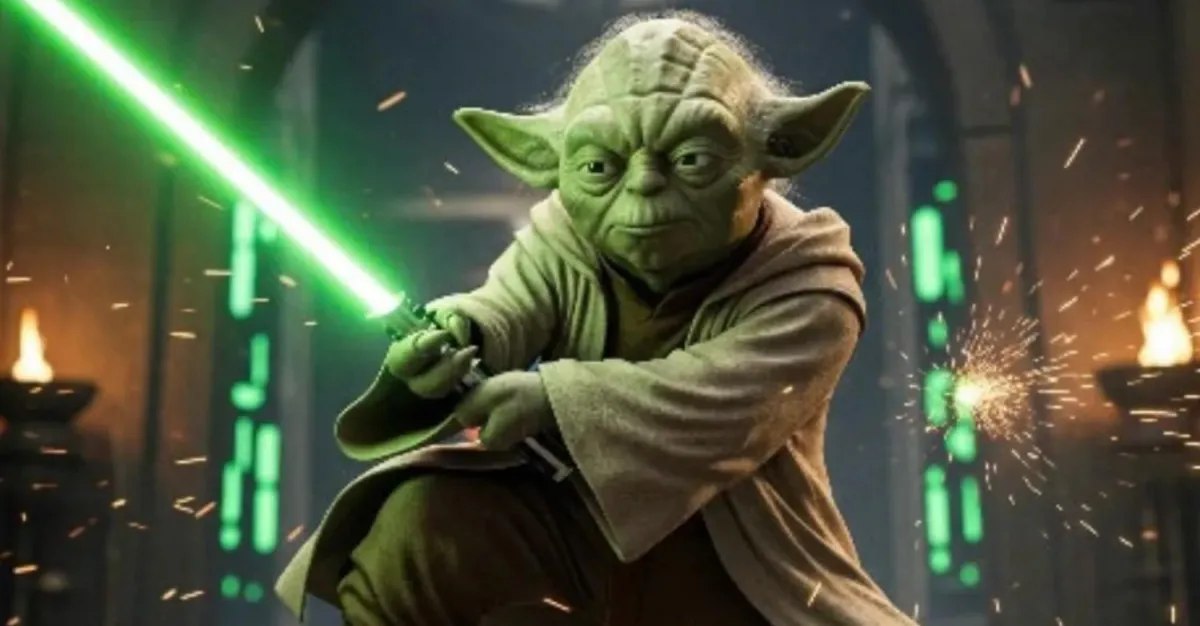
| Disney | Target of reported outreach | Owns iconic IP such as Pixar and Star Wars characters | No official deal announced |
| Warner Bros. Discovery | Target of reported outreach | Controls major film and TV libraries | No official deal announced |
| Universal | Target of reported outreach | Holds valuable franchise and catalog rights | No official deal announced |
| Lionsgate | Previously struck an AI licensing deal with Runway | Shows how a studio can test the market before the majors move | Working on possible AI shorts |
How would a licensing deal change the AI narrative?
A licensing deal would let Google present AI as a studio-approved creative tool rather than a system trained on disputed material. That shift could be just as important as the data itself.
For years, AI companies have been criticized for scraping content without consent and for marketing tools that seem to threaten writers, actors, illustrators, and editors. A partnership with Disney or another household name would let Google argue that generative AI can operate within a licensed, commercial framework. That message would likely resonate with casual users more than technical claims about model quality ever could.
There is also a branding advantage. If a consumer sees an official Google or Gemini output featuring a recognizable character, the product may feel more trustworthy, more polished, and less like a novelty. In a market crowded with similar-sounding AI products, that kind of association can matter a great deal.
Industry observers have noted that the real prize for Google may not be the characters alone, but the endorsement effect that comes from seeing major studios publicly align themselves with AI tools.
Why this matters for Google DeepMind and Gemini
Google’s AI ambitions run through Gemini and the broader DeepMind organization, both of which are central to its competition with OpenAI, Anthropic, and other major players. Better training data could improve image generation, media understanding, and multimodal performance — all of which are important in consumer AI products.
Google has already made moves in entertainment-adjacent AI. The company’s DeepMind arm reportedly made a substantial investment in A24 earlier in the year, signaling that the company sees creative industries as more than just customers. It sees them as strategic partners, sources of prestige, and possible proof points for responsible AI adoption.
Why are studios tempted, and why are they cautious?
Studios are attracted by money, speed, and the promise of lower costs. Generative AI could help reduce the time and expense required for concept art, previsualization, marketing assets, dubbing support, and possibly even some forms of production planning. For shareholders, the idea of getting more content out the door with fewer expenses is easy to understand.
But the risks are substantial. If studios embrace AI too aggressively, they could trigger resistance from the very workers who make the industry function. Writers, artists, actors, editors, and below-the-line crews have already expressed concern that AI could erode jobs or reduce the value of creative labor. A licensing deal may look like a tidy financial opportunity, yet it could deepen mistrust inside the industry.
There is also the public-relations problem. Entertainment companies depend on audience affection, and audiences are increasingly sensitive to accusations that studios are replacing human creativity with machine-generated content. A deal that seems clever on a balance sheet could become reputationally expensive if fans view it as a sellout.
How does this compare with other studio AI deals?
It is best understood as part of a larger pattern, but the scale could be far bigger than earlier agreements. Lionsgate’s 2024 licensing arrangement with Runway was one of the most visible examples of a studio stepping into AI, though both sides have said they are still developing plans for AI-generated shorts rather than shipping a widely publicized product.
That is a crucial distinction. A smaller studio can experiment with less fanfare. A company like Disney cannot. If a major studio becomes the first to roll out an AI-facing product tied to beloved franchises, every other studio will have a precedent to examine. Success would invite imitation. Failure could chill the entire sector.
What happened with Disney and OpenAI?
A previous attempt at closer AI collaboration involving Disney and OpenAI reportedly fell apart, underscoring how fragile these arrangements can be. That collapse matters because it shows the entertainment industry is interested in the upside of AI but reluctant to take the reputational hit that could come with overcommitting too soon.
Even when a studio is open to experimentation, the details can become politically and creatively difficult. Questions about who owns the output, how performers are compensated, what data is used, and whether fans will accept AI-generated imagery can quickly turn a commercial proposal into a strategic headache.
That is likely one reason no major studio has rushed to announce a flashy, fully public Google deal. The opportunity is obvious. So is the risk.
Why public backlash could decide the outcome
Public response may end up being the deciding factor. The entertainment industry has already seen how quickly AI use can become a controversy when fans believe they are being sold machine-made creativity without proper disclosure.
Recent criticism around AI-generated imagery linked to Spider-Man: Brand New Day illustrates the problem. Viewers were upset when AI-made visuals appeared in official materials, and the reaction suggests that even large box-office brands are not immune from audience skepticism. If fans feel misled, the damage can extend beyond one title and spill over into broader distrust of the studio.
For Hollywood, that risk is especially acute because image matters. The industry sells stories, authenticity, and artistry. If it becomes associated with synthetic shortcuts, audiences may not separate one project from the studio’s wider brand.
How much could a deal be worth?
The reported numbers show why studios may keep listening. A deal for one character could be worth tens of millions of dollars, while broader franchise access could move the value into the billions. That is extraordinary money for rights that studios already control and can monetize in other ways.
At the same time, the value to Google is not only financial. A licensed entertainment library can function as a moat. If the company secures high-profile rights while competitors are still relying on more contested training methods, Google could gain both legal cover and product differentiation.
The money also reflects how expensive exclusivity can be in AI. In a field where model performance often depends on scale and data quality, the company that can secure premium licensed content may have a long-term advantage that is difficult for rivals to replicate.
Key risks for each side
- For Google: large upfront costs and the possibility that the public still rejects AI content even if it is licensed.
- For studios: backlash from creators, unions, and audiences who see the deals as an endorsement of job-threatening automation.
- For both: uncertainty over how courts, regulators, and rightsholders may treat AI-generated outputs built from copyrighted characters.
Could this reshape Hollywood’s business model?
Yes, if the biggest studios decide that licensing their catalogs to AI companies is simply another line of business. That would move Hollywood closer to becoming a data-licensing sector in addition to a content-production one.
Such a shift would be significant. Studios have long monetized libraries through streaming, syndication, merchandising, and theme parks. AI licensing would add a new layer: the ability to sell machine-readable creative heritage to the firms building next-generation software.
But this is not a frictionless transition. Entertainment executives would need to balance new revenue against the possibility that creative workers view the deals as exploitative. They would also need to manage consumer expectations about what counts as official, what counts as synthetic, and what level of disclosure is required.
In other words, a Google-Hollywood partnership would not just be a business deal. It would be a signal about what kind of media future the industry is willing to normalize.
Why Google may need Hollywood more than Hollywood needs Google
Google has the stronger strategic incentive because it is trying to win trust as well as technology. Hollywood’s brands can help AI feel familiar, festive, and culturally sanctioned. That is a valuable antidote to the fear, skepticism, and moral unease surrounding generative AI.
Studios, by contrast, already have something Google wants: famous intellectual property and deep audience loyalty. They do not need to prove that their characters matter. They need to decide whether monetizing those characters through AI helps or harms the broader ecosystem around them.
That is why the balance of leverage may be more complicated than it first appears. Google may be offering large checks, but it is also asking Hollywood to help rewrite the public story of AI. That is a much bigger ask than a licensing fee.
Timeline of the reported Hollywood-AI push
| Timeframe | Event | Significance |
|---|---|---|
| 2024 | Lionsgate signs an AI licensing deal with Runway | Shows a studio can test AI partnerships without a major public rollout |
| Earlier this summer | Google DeepMind reportedly invests in A24 | Signals growing interest in entertainment partnerships |
| Recently | Google reportedly approaches Disney, Warner Bros. Discovery, and Universal | Indicates an effort to secure premium licensing rights from the biggest players |
| Now | No official agreements announced | Major studios appear to be weighing the upside against reputational risk |
What happens next?
The next phase will likely be defined by whether one of the big studios is willing to move first. If Disney, Warner Bros. Discovery, or Universal signs on, the rest of the industry may quickly reevaluate its position.
If they stay out, Google may still pursue smaller deals or continue building products that reference licensed content in narrower ways. Either path would keep the company in the entertainment conversation, but only a marquee partnership would deliver the symbolic win Google seems to be seeking.
For now, the most important takeaway is that this is about more than model training. It is about who gets to define what “responsible AI” looks like to the public. Google appears to understand that Hollywood can help write that script. The studios now have to decide whether they want to be part of it.
Bottom line
Google’s overtures to Hollywood reveal a simple truth: the company does not just want better AI, it wants better optics. Licensing deals with major studios could improve its models, but the bigger prize is cultural validation. For Hollywood, the checks may be tempting — yet the risk of public and labor backlash means the industry is not likely to accept the offer without serious hesitation.
Frequently asked questions
Why does Google want deals with Hollywood studios?
Google wants access to premium copyrighted material that can improve its AI models, but it also wants the prestige that comes from working with major entertainment brands. A studio partnership could make generative AI seem more legitimate and less controversial to mainstream users.
How much could a Google Hollywood AI licensing deal be worth?
It could be worth tens of millions for limited character rights and potentially billions if a broad library or multiple franchises are included. The reported structure suggests Google is willing to pay heavily for legal access to valuable studio IP.
Why are studios hesitant to accept Google’s offer?
Studios are hesitant because the deals could trigger backlash from workers, fans, and creative partners who fear AI will replace human labor. Even if the money is attractive, the reputational cost of endorsing AI may outweigh the short-term gain.
Has any major studio already made a similar AI deal?
Yes. Lionsgate previously struck an AI licensing agreement with Runway in 2024, though the companies have said they are still working on concrete output such as AI-generated shorts. That deal is smaller in scale than the reported Google discussions.
Could a Google studio deal change public opinion about AI?
Yes. If a trusted studio publicly licenses its content to Google, that endorsement could make generative AI feel more acceptable to ordinary consumers. But if audiences reject the result, the deal could also intensify skepticism about AI in entertainment.