In short
Snap is spinning out its generative AI video team into a new company called Dotmo, which will focus on AI models for interactive gaming and entertainment. The move helps Snap cut costs while retaining equity, licensing rights and a strategic link to the technology.
- Dotmo is being launched from Snap’s internal AI video team.
- The startup will focus on interactive gaming and entertainment models.
- Snap is not directly funding Dotmo but will keep an equity stake.
- Bobby Murphy is personally backing the venture while remaining Snap CTO.
- The spinoff is part of Snap’s broader cost-cutting and restructuring strategy.
Snap is breaking off a generative AI video unit into a new company called Dotmo, a move that underscores both the promise and the expense of building advanced AI products inside a public company under pressure to cut costs. The new venture will concentrate on models that can power interactive gaming and entertainment experiences, while Snap keeps a meaningful financial interest and a technology link to whatever Dotmo builds next.
The spinoff is more than an internal reorganization. It is a sign that Snap wants to preserve exposure to its AI video work without carrying the full burden of developing that technology in-house. According to the company, the cost of sustaining the effort internally was a major reason for the decision. Instead of folding the unit deeper into Snap’s core operations, the company is letting it leave, while keeping a license to use and adapt the underlying technology for gaming and other interactive entertainment applications.
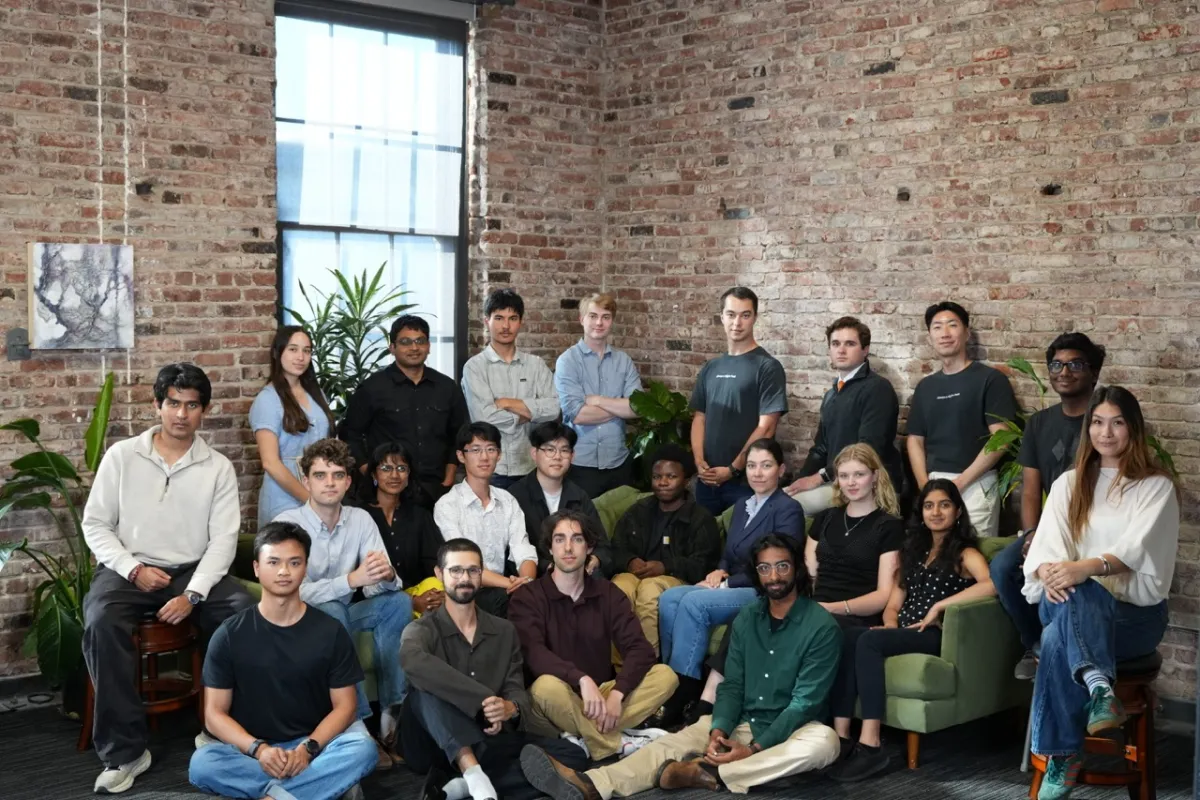
Dotmo also arrives with a built-in connection to Snap’s leadership. Bobby Murphy, Snap’s chief technology officer and one of the company’s co-founders, is backing the new company as lead investor and will hold a significant personal stake, even as he remains in his full-time role running Snap’s generative AI research and development efforts. The initial Dotmo team will consist of current Snap employees who are moving over to launch the startup.
For Snap, the arrangement may be as much about financial discipline as strategic optionality. The company avoids funding Dotmo directly, yet it receives equity in the new venture and preserves a pathway to benefit if the startup gains traction. For Dotmo, the setup offers something many early-stage AI companies spend years trying to assemble: technical talent, a recognizable parent-company connection, and a potential route to outside capital.
Why Snap Is Splitting Out Dotmo
Snap’s decision fits a broader pattern seen across the technology sector, where companies are increasingly carving out specialized AI projects rather than trying to scale every experimental effort inside a single corporate structure. Generative AI, especially in video, is expensive. Training and iterating models, hiring specialized researchers, and building the infrastructure to support these systems can quickly consume large amounts of cash and compute.
Snap appears to have concluded that its AI video work could be better pursued outside the main business while still remaining connected to the company’s product ecosystem. The move allows Snap to reduce direct operating costs, concentrate on priorities closer to its consumer-facing products, and still retain a stake in any upside if Dotmo succeeds.
That approach also reflects the realities of Snap’s recent year. The company has been under pressure to balance product ambition with financial restraint, and it has already made significant workforce changes. Earlier in 2026, Snap cut roughly 1,000 jobs, part of a broader effort to control spending and streamline operations.
Generative AI Is Expensive to Build and Maintain
AI model development is not just a research problem; it is an infrastructure problem. The costs include large-scale compute, high-end GPUs, data pipelines, model training, fine-tuning, safety testing, product engineering, and the talent required to keep the work moving. That burden is even heavier when a company is trying to explore a product category that is not yet a proven part of its business.
For Snap, which has long been known primarily for Snapchat and its camera-driven social platform, AI video for interactive entertainment is adjacent but not central. Keeping that effort inside the company may have looked increasingly inefficient compared with spinning it into a separate entity with its own operating model and future fundraising options.
What Dotmo Will Build
Dotmo’s focus is narrow but potentially ambitious: AI systems capable of generating interactive gaming experiences. Snap has described the company as working on models that can create digital experiences for gaming and entertainment platforms, suggesting a blend of generative media and interactive content rather than a simple video tool.
That framing matters. The market for AI-generated video has expanded quickly, but interactive entertainment is a different challenge altogether. Instead of producing one-off clips, models in this category may need to support responsive environments, dynamic characters, and real-time user interaction. That puts Dotmo closer to the frontier of AI-driven media creation.
The company’s name may be new, but the underlying ambition is familiar across the industry: make content generation faster, cheaper, and more adaptive. The difference is that Dotmo is being launched with a specific link to Snap’s entertainment ambitions rather than as a broad-purpose AI lab.
From Video Generation to Interactive Worlds
The leap from synthetic video to interactive gaming experiences is significant. Video generation tools generally need to produce coherent frames and motion across short sequences. Interactive entertainment systems must do more: respond to player input, preserve continuity, generate believable characters or scenes, and operate with enough stability to support gameplay.
That complexity may be one reason Snap chose to split the effort out rather than keep it as a side project. A startup structure could let Dotmo move faster, hire differently, and seek investors who are specifically interested in gaming, creator tools, and immersive media.
How the Deal Is Structured
Snap said Dotmo will not be directly funded by the parent company. Instead, the arrangement is built around talent, licensing, and equity. That means Snap is giving the new business room to grow without putting more cash on the line up front.
At the same time, Snap is not walking away empty-handed. It will receive a sizable ownership stake in Dotmo, positioning it to share in any future increase in value if the startup attracts customers, partnerships, or outside investment. Snap is also licensing technology so Dotmo can adapt it for gaming and interactive entertainment platforms, creating a formal bridge between the two companies.
The launch team itself adds another layer of continuity. The first Dotmo employees will come from Snap’s existing ranks, meaning the company starts with people who already understand the technical foundation and the product context. That may help Dotmo hit the ground running, but it also suggests Snap is transferring a valuable group of specialists into a new legal entity.
Bobby Murphy’s Role Signals Internal Confidence
One of the more unusual elements of the deal is Murphy’s personal backing. As Snap’s CTO, he remains responsible for the company’s broader generative AI research agenda. Yet he is also serving as a lead investor in Dotmo and has taken a substantial personal financial interest in the startup’s future.
That dual role is notable because it suggests Snap’s leadership believes the new company has real promise, not just accounting utility. Murphy’s involvement may also help reassure the departing team that the project still has strong technical sponsorship even after it leaves Snap’s payroll.
Snap said Murphy will continue to work full-time as the company’s CTO and keep steering its generative AI research and development efforts while also backing Dotmo personally.
What Snap Gains From the Spinoff
At first glance, it may seem counterintuitive for a company to spin out a project it has already invested in. But corporate spinoffs often serve several objectives at once. They can trim costs, sharpen accountability, and give a specialized team more operational freedom. They can also help unlock value that is harder to see inside a large organization.
For Snap, Dotmo offers a way to keep an option on an emerging AI asset without fully absorbing the cost of maturation. If the startup becomes successful, Snap benefits through its equity stake and its technology license. If the effort stalls, Snap has limited its exposure.
In strategic terms, the move may also help Snap avoid internal competition for capital and engineering resources. When a company is balancing social media, creator tools, augmented reality, and AI, every dollar and every researcher competes with every other priority.
| Item | Details |
|---|---|
| New company | Dotmo |
| Parent company | Snap |
| Focus | AI models for interactive gaming and entertainment |
| Funding structure | No direct Snap funding; Bobby Murphy serves as lead investor |
| Snap’s return | Large equity stake plus technology licensing |
| Initial team | Current Snap employees moving into the spinoff |
| Strategic purpose | Reduce internal costs while preserving upside |
Dotmo and the Rise of AI Spinoffs
Snap is not alone in separating ambitious technology bets from its core business. Across the tech industry, companies are increasingly using spinoffs to isolate capital-intensive research, create more focused operating environments, or prepare projects for external financing.
That trend reflects a basic tension in modern AI development. The most exciting work often requires patience, expensive infrastructure, and specialized talent. Public companies, meanwhile, face market scrutiny, quarterly reporting, and pressure to show a path to profitability. Spinning out a project can be a way to satisfy both realities.
In Dotmo’s case, the spinoff also resembles a venture-style bet made inside a larger company. Snap keeps a stake, the team gets independence, and the work can evolve without being constrained by the priorities of the main platform.
Why Startups Can Move Differently
Independent companies often have more latitude to chase narrower opportunities. They can tailor hiring, partnerships, and fundraising around a single product vision. That may prove especially useful in AI, where the most valuable use cases are often highly specific rather than broadly general-purpose.
Dotmo’s startup structure could make it easier to attract outside investors later, particularly if its technology demonstrates relevance for gaming, creators, or interactive storytelling. Snap has already indicated that the company may seek external funding down the line.
Snap’s Earlier Spinoff Shows a Pattern
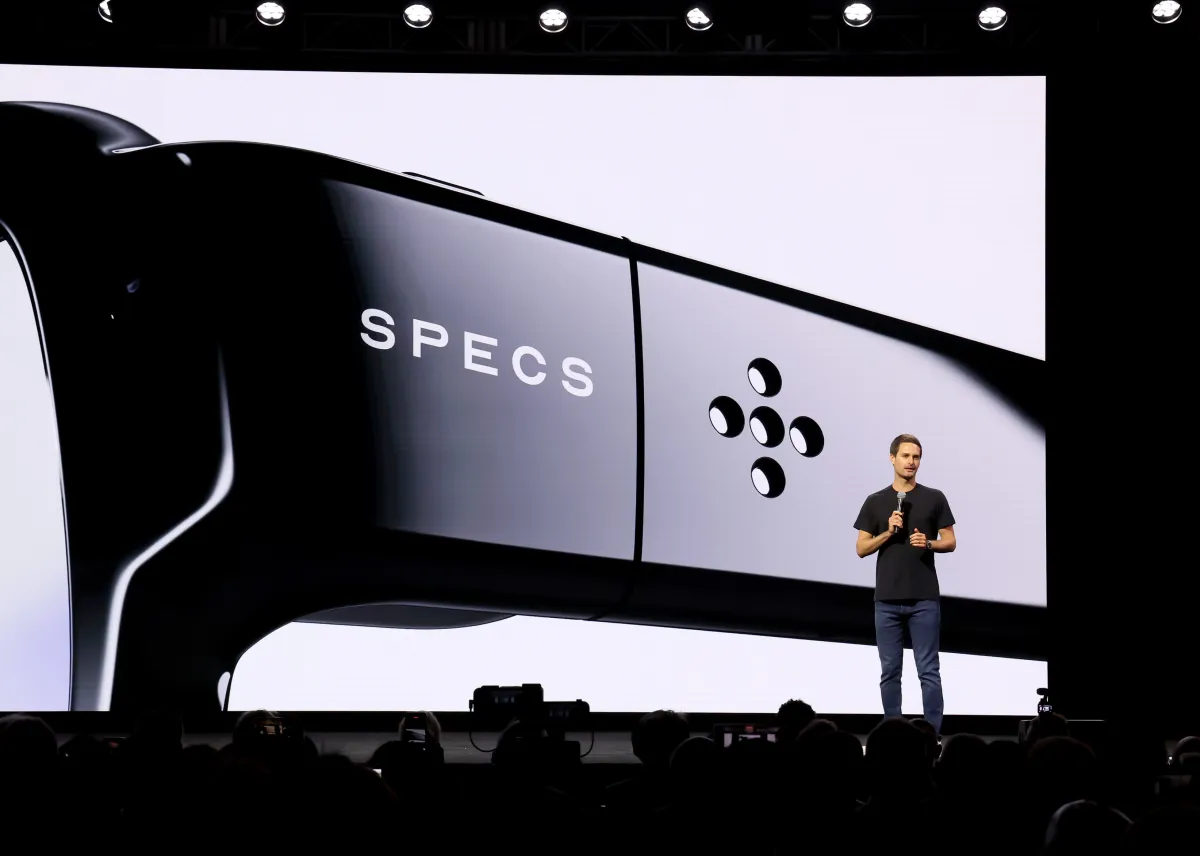
Dotmo is the second major spinoff Snap has pursued in 2026. Earlier in the year, the company separated Specs into its own business to focus entirely on smart glasses. That move, like the Dotmo launch, suggests Snap is experimenting with a more modular corporate structure around its bigger technology bets.
The Specs strategy, however, has not been an unqualified success story. When Snap introduced its new smart glasses, investors reacted skeptically to the reported price tag of about $2,200, and the company’s shares dropped sharply afterward. The market response served as a reminder that bold hardware or AI initiatives can quickly become expensive liabilities if they do not win immediate confidence.
Dotmo is different in substance, but the pattern is similar: isolate the costly project, keep a financial stake, and reduce pressure on the core company’s balance sheet.
Lessons From Specs
The Specs episode illustrates why Snap may be leaning toward spinoffs as a corporate tool. If a project requires large upfront investment and carries uncertain commercial timing, moving it outside the main company can limit reputational and financial drag while preserving strategic exposure.
That does not guarantee success. It simply changes the risk profile. In Snap’s case, that appears to be the point.
The Financial Logic Behind the Decision
Spinning out Dotmo is not just a product decision; it is a capital allocation decision. The company is effectively converting an internal expense into an equity interest and a licensing arrangement. That can improve flexibility while keeping a potential upside if the startup performs.
From a balance-sheet perspective, the move may reduce the need for Snap to justify ongoing spending on a project that has not yet become a core revenue driver. It also allows the company to define clearer boundaries between Snapchat’s main business and speculative adjacent work.
That structure is appealing when markets are rewarding discipline. Investors tend to be more forgiving of risky innovation if they can see a separate entity carrying the uncertainty rather than the parent company bearing all of it.
- Snap lowers direct spending on experimental AI video research.
- Dotmo gets autonomy to build and potentially raise capital.
- Murphy’s backing signals internal confidence in the opportunity.
- Snap retains upside through ownership and technology rights.
What It Means for Snap’s AI Ambitions
Dotmo does not mean Snap is retreating from AI. If anything, it suggests the company is trying to keep its AI ambitions alive in a more efficient form. Murphy will continue leading Snap’s generative AI work, so the parent company still intends to invest in the field.
What changes is where the most speculative work happens. The product experiments that are furthest from Snap’s current core may now be pushed into externalized structures, while the company focuses its internal resources on applications that are closer to monetization or platform fit.
That could be a pragmatic choice in a market where investors increasingly want both innovation and discipline. It also reflects an important truth about AI: not every promising idea belongs inside the same corporate machine.
Potential Benefits for Snap’s Core Business
If Dotmo succeeds, Snap may benefit without having to directly manage the complexity of scaling it. If it does not, the company may still have extracted some value from the work through the license, the team transition, and the equity position.
That gives Snap a relatively asymmetric setup. It limits downside while keeping a foothold in a potentially valuable category that sits just beyond the edges of the main business.
Industry Context: Costly Models, Narrow Use Cases
The larger AI industry is increasingly sorting itself into two camps: broad foundation model builders and companies building specific product layers on top of them. Snap’s Dotmo strategy fits the latter logic. Rather than trying to become a general AI powerhouse, the company is carving out a niche that connects generative media to interactive entertainment.
That focus may prove important. Some of the most commercially viable AI companies are those that solve a well-defined problem for a specific audience. In gaming and entertainment, AI can be used to accelerate content creation, reduce production costs, and create more personalized experiences.
But those opportunities still depend on quality, consistency, and user trust. Consumers may embrace AI-generated entertainment, but only if it feels fun, responsive, and reliable rather than generic or glitchy.
What to Watch Next
Several questions will shape how Dotmo is received in the months ahead. Will the company raise outside funding? Will it announce gaming partnerships or creator-facing products? Will Snap eventually become more than a licensor and shareholder, perhaps re-entering the picture as a strategic partner?
Another open question is whether the move helps Snap’s own financial narrative. Investors will likely pay close attention to whether spinning out costly experimental work produces a cleaner cost structure without weakening Snap’s long-term innovation pipeline.
The success of the spinoff may ultimately depend on whether Dotmo can turn a promising technical concept into a commercially relevant product in one of the most competitive areas of AI. If it does, Snap will own part of that story. If it does not, the parent company will still have narrowed its exposure.
| Timeline | Event | Why It Matters |
|---|---|---|
| Early 2026 | Snap spins off Specs into a separate company | Signals a broader modular strategy |
| Earlier in 2026 | Snap lays off about 1,000 employees | Shows pressure to reduce costs |
| June 18, 2026 | Snap announces Dotmo spinoff | Moves AI video work into an independent startup |
| Future | Dotmo may seek outside funding | Could determine scale and speed of growth |
A Calculated Bet, Not a Retreat
Seen in context, the Dotmo spinoff looks less like a withdrawal from AI and more like a restructuring of how Snap wants to pursue it. The company is keeping a stake in an area it sees as promising, but it is no longer willing to carry the full cost of experimentation inside its own walls.
That makes Dotmo a useful case study in how large tech companies are adapting to the economics of frontier AI. The technology remains attractive, but the price of entry is high. By spinning out the team, Snap has chosen a way to stay connected to the upside without paying for every step of the climb.
Whether Dotmo becomes a meaningful player in interactive AI entertainment will depend on execution, capital, and market demand. But Snap’s message is already clear: the company wants to pursue big AI ideas, just not always under the main banner.