In short
AI vibe-coding is expanding from software into consumer hardware, helping users modify TVs, cameras, synths and game consoles. The trend is creating new opportunities for customization, but also new risks, warranty concerns and a likely response from manufacturers.
- AI prompting is now being used to change physical gadgets, not just software.
- Developer Gathin T used Claude Code to redesign an Android TV in about 90 minutes.
- CleanYourTV became a popular GitHub project after Gathin’s post went viral on X.
- The Verge says the trend is spreading to cameras, synths and game consoles.
- Manufacturers may respond with stronger DRM, tighter platform controls or open firmware.
AI vibe-coding is moving beyond software and into consumer hardware, with hobbyists now using tools like Claude Code to rapidly alter TVs, cameras, synths and game consoles. The shift matters because it is turning once-niche firmware tinkering into a broader consumer trend, while raising new questions about device control, warranty limits and how manufacturers will respond.
What is changing in hardware modding?
The basic change is simple: people are now using AI prompting to modify physical gadgets, not just apps or codebases. According to The Verge, that means a user can describe the experience they want, have an AI help generate the steps, and then apply those changes to the low-level software that governs the device.
That is not the same as a standard software tweak. In hardware, the work often reaches into firmware, permissions settings and debugging access. The result is a faster path from frustration to customisation, especially for users who already know their way around a device or are willing to learn.
How did the TV hack start?
The Verge says developer Gathin T used Claude Code to strip ads and simplify an Android TV interface. The process reportedly took about 90 minutes and involved permissions changes and USB debugging.
Gathin’s project began as a personal fix for a TV interface he disliked, then spread once he posted about it on X. After the post went viral, he launched CleanYourTV, a project that The Verge says grew into a popular GitHub repository with thousands of pull requests and feature ideas.
“I was fiddling with my TV, and it was just really shitty”
That blunt reaction captures the practical side of the trend: many of these experiments start with annoyance, not ideology. Users are trying to make commercial devices more usable, less cluttered or simply more aligned with how they want to interact with them.
Why it matters
This trend matters because it widens the audience for hardware modification. What used to be confined to specialist forums and dedicated tinkerers is now becoming accessible to both developers and non-developers, at least on devices with a modifiable software stack.
For consumers, that could mean more control over the products they already own. For manufacturers, it could mean less control over interfaces, features and monetisation systems built into those products. For the wider market, it creates a growing tension between openness and lock-in.
There is also a downside that cannot be ignored. The Verge notes that hardware hacks can brick devices and leave users outside manufacturer support. That risk turns the promise of customisation into a trade-off: greater flexibility, but with the possibility of permanent damage or voided help from the maker.
Why does this matter for ordinary users?
It matters because the hardware people buy is increasingly software-defined. If a TV, camera or controller is governed by code, then AI-assisted code generation can be used to reshape the device’s behaviour. That gives users power, but it also places more responsibility on them to know what they are changing.
Gathin now advises backups and sandbox testing before attempting similar hacks, which is a strong signal that the barrier to entry has dropped but the risk profile has not. The ability to move fast does not remove the chance of breaking something important.
How AI is being used across gadgets
The Verge says the pattern is spreading across several categories, not just televisions. The same broad approach is being used to modify cameras, music gear and game systems, with each category showing its own technical and cultural habits.
The common thread is that owners are using LLMs and coding assistants to discover or accelerate steps that once required specialised firmware knowledge. In other words, AI is acting less like a finished product and more like a technical assistant for people trying to bend hardware to their preferences.
Cameras
Camera hobbyists are using LLMs to add recording features, higher resolutions and new color profiles, according to The Verge. This fits a long-standing tradition of camera hacking, but AI lowers the friction for people who do not already know how to make those changes manually.
Ritchie Roesch of Fuji X Weekly framed one practical concern around what gets modified first and who controls the outcome. He said:
“it’s a matter of when and how many, and whether it will be yours”
The point is not simply whether the hack works. It is whether the owner can keep control over the final result, or whether the device maker can move to preserve its own boundaries.
Music gear
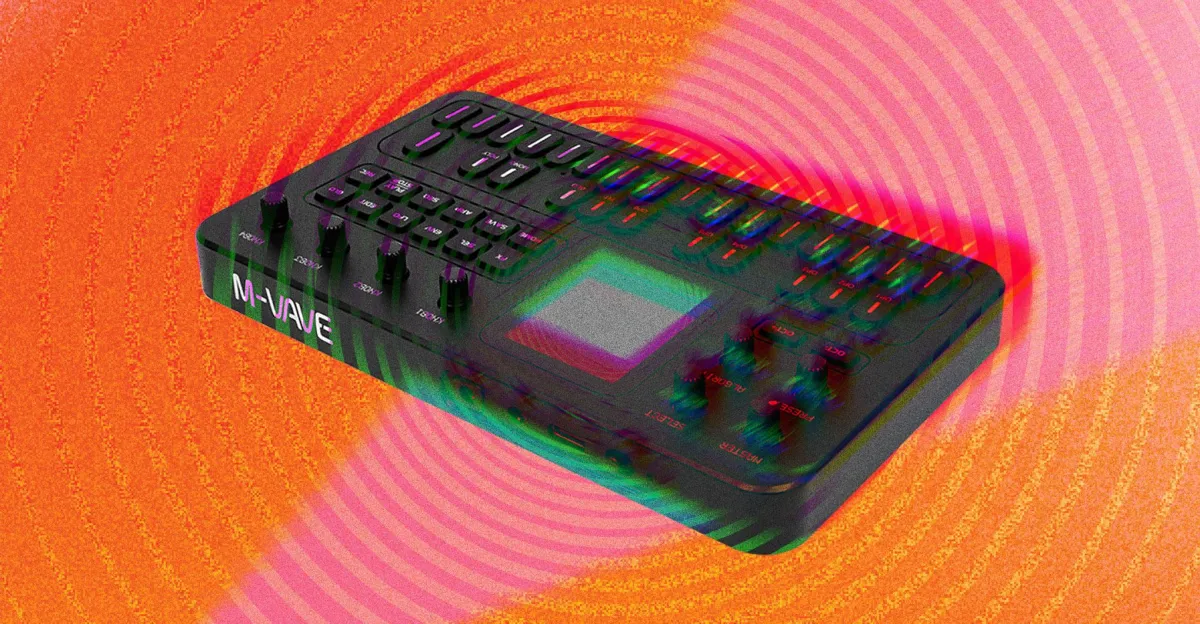
Music makers are custom-firming cheap synths, with the M-Vave FM-1 emerging as a prominent target, The Verge reports. That suggests a market where low-cost hardware is especially attractive to hackers because the reward for making it more capable may be larger than the cost of experimentation.
The response from the manufacturer is notable. M-Vave has released an open-source firmware, which may be a sign that at least some companies are willing to meet modding interest with a more open posture rather than only with restrictions.
Game consoles
Gamers are also using AI to decompile and mod games, and to make controllers work across devices. In one reported example, a modder reportedly enabled PlayStation 2 discs on a PlayStation 5, illustrating how far some of these experiments are pushing beyond the original design limits of the hardware.
The Verge says game companies are expected to answer with stricter DRM, platform controls and more streaming. That would place the industry on a collision course with users who want compatibility, preservation and device ownership rather than narrower access rules.
Background and context
Firmware is the low-level software that controls many devices, and hacking that layer has long existed in camera, game and music-gear communities. What is new is not the existence of modding itself, but how AI has made it easier to attempt.
Android-based devices have become the easiest targets because they are generally more open to modification than locked-down consumer electronics. Other systems often require deeper rooting or jailbreak steps, which raises the difficulty substantially. That means the trend is likely to spread unevenly, with some ecosystems far more vulnerable to tinkering than others.
The Verge frames late 2025 as the point when Claude Code hit its first major breakout moment, followed by a broader expansion in 2026. In that account, the hardware version of vibe-coding is not a fringe curiosity anymore; it is beginning to look like a repeatable workflow.
| Milestone | When | What happened |
|---|---|---|
| Claude Code breakout | Late 2025 | The tool reaches its first major breakout moment in the story’s framing. |
| TV redesign | One afternoon | Gathin T begins testing changes to his Android TV. |
| Custom interface completed | About 90 minutes later | Gathin finishes the TV redesign using permissions changes and USB debugging. |
| Viral spread | After posting on X | The hack attracts attention and leads to CleanYourTV. |
| Broader expansion | 2026 | Hardware vibe-hacking spreads across TVs, cameras, synths and games. |
The broader hardware ecosystem is also changing under the hood. ESP32 modules are emerging as a favored base for custom, hacker-friendly gadgets, according to The Verge. These inexpensive microcontroller modules have been around for more than a decade, but they are now appearing in a new context: AI-assisted DIY devices that can be built and reworked more quickly.
Meta is pushing ESP32-based consumer gadgets through Muse Charm and Muse Gadgets, which suggests the chip platform may become even more familiar to mainstream consumers. If so, the line between maker hardware and retail consumer hardware could become harder to draw.
What makes Android devices easier to change?
Android-based devices are easier to modify because they tend to offer more room for access changes, debugging and experimentation than tightly locked consumer systems. That does not mean they are easy in an absolute sense, but relative openness gives modders a practical starting point.
By contrast, other systems often demand more invasive steps such as rooting or jailbreaking. Those processes can unlock deeper access, but they also raise the stakes, since a mistake can damage the device or make future support more complicated.
That unevenness helps explain why TV hacks have become a visible early example. If the barrier is lower, the number of people willing to try is higher, and the chances of a viral example rise with it.
What happens next?
The next phase will likely hinge on three questions: how far consumer hardware vibe-hacking spreads, how manufacturers react, and how many users decide the benefits are worth the risk. The Verge points to open questions around whether the trend remains largely an enthusiast activity or reaches a wider consumer base.
Manufacturers have several possible responses. They could tolerate modding, accommodate it with more open firmware, or harden devices with stricter controls. They could also shift more services into streaming and platform-managed environments, which would make direct modification more difficult.
For users, the practical watchpoints are clear:
- whether modding communities keep growing around Android devices and cheap hardware;
- whether more companies follow M-Vave’s open-firmware route;
- whether hardware makers add tighter DRM and platform restrictions;
- whether more people brick devices or lose warranty coverage in the process.
The trend has already moved from a TV interface complaint to a wider conversation about ownership and control. If AI keeps lowering the technical cost of hardware modification, the next fight may not be over whether people can hack their gadgets, but over who gets to decide what those gadgets are allowed to do.
Frequently asked questions
What is AI hardware modding?
AI hardware modding is the use of prompting tools and code assistants to alter the firmware or software behavior of physical devices. The Verge says the trend now includes TVs, cameras, synths and game consoles, not just traditional software projects.
Why are Android devices a common target?
Android devices are a common target because they are generally easier to modify than locked-down consumer electronics. The Verge says other systems often require deeper rooting or jailbreak steps, which makes them harder and riskier to hack.
What happened with Gathin T’s TV hack?
Gathin T used Claude Code to strip ads and simplify an Android TV interface, finishing the project in about 90 minutes. After posting it on X, he launched CleanYourTV, which grew into a popular GitHub repository.
How are manufacturers likely to respond?
Manufacturers are likely to respond with a mix of open and defensive strategies. The Verge says game companies may push stricter DRM and platform controls, while some hardware makers could offer open-source firmware or more mod-friendly products.